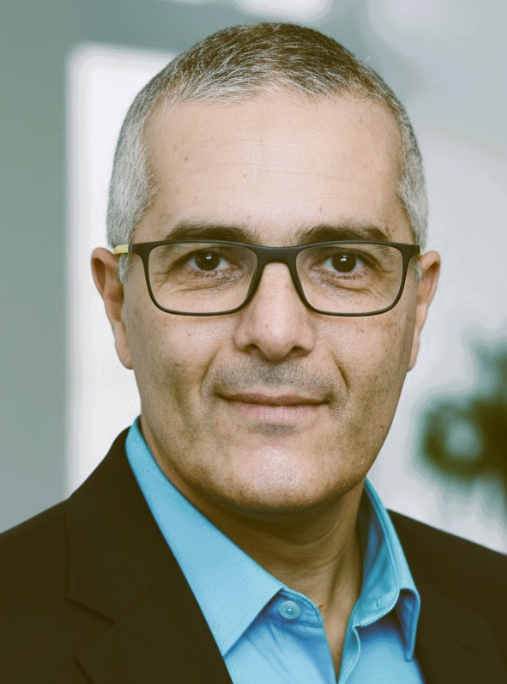
יובל בן-משה, מנטור בתכנית משנת 2020
העבודה עם המנטיז, לאורך השנים, תמיד היתה משמעותית עבורי. בכל מחזור אני פוגש מנטיז חכמים שמקשיבים בהמון רצינות ובלי אגו ובמבחן הראיה לאחור, אם לקחו אפילו משהו אחד וקטן ממה שהצעתי, אני מרגיש שהרווחתי!
התהליכים ממש לא זהים, לא לאורך השנים ולא בין המנטיז השונים ובכל זאת, אם אנסה להכליל, זה הרבה אוזן קשבת של מישהו שמצד אחד היה שם, גם אם לפני הרבה שנים, ומצד שני מביא פרספקטיבה שעוזרת לסדר מחשבות ולמקד תוכניות; בהמשך זה עשוי להיות טיפים לאיך לנהל את תהליך היציאה מהחממה של מסגרת לימודים אל שוק העבודה, איך לשפר קורות חיים או למפות תפקידים או להתכונן לראיון; ולפעמים זה פשוט אוזן קשבת ואוהדת לקשיים.
כל מחזור וכל מנטי הוא עולם ומלואו, וכל אחד הוא הצלחה מסוג אחר ועבורי להיות מנטור הוא אחד מהמקרים שבהם אני, למרות שנמצא בצד שלכאורה נותן, מקבל לא פחות מהמנטי שבצד המקבל.
אם אתה/את סטודנט לקראת סיום, ומתלבט/ת האם עבודה עם מנטור נכונה לך, ההמלצה שלי היא תמיד לנסות, מקסימום תצליח/י.
ואם אתה/את מנטי שסיים/ה את התהליך, בקשה אחת לי ממך: זכור/זיכרי את מה שקיבלת/ה ווודא/י לשלם אותו קדימה (Pay it forward), בין אם כמנטור בעתיד או פשוט להיות תמיד נגיש/ה לתת עצה ואוזן קשבת.
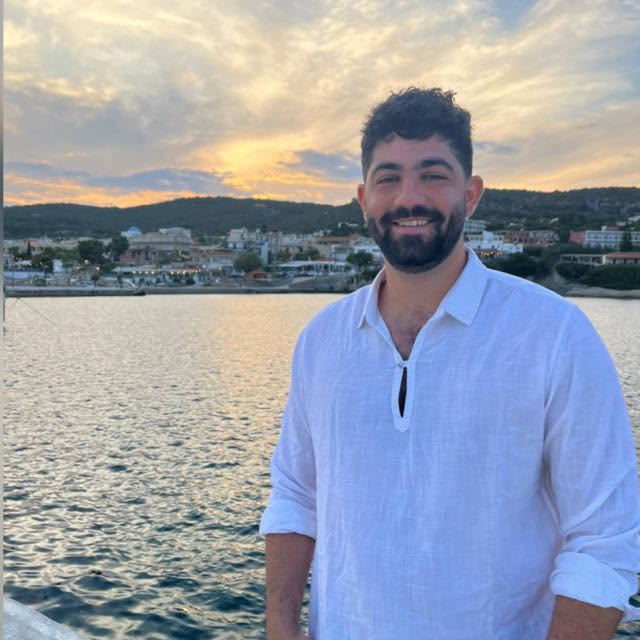 שחר וינברג, מנטור בתכנית משנת 2026, הנדסת חשמל ומחשבים:
הדבר המשמעותי ביותר שלקחתי מתוכנית המנטורינג היה הליווי לאורך תהליך חיפוש העבודה.
המנטור עזר לי לשפר את קורות החיים, שיתף אותי מניסיונו בתעשייה, וליווה אותי בהתלבטויות שעלו במהלך הדרך. לאחר שהתראיינתי למספר חברות, הוא סייע לי לשקול את היתרונות והחסרונות של כל אפשרות ולקבל החלטה שנכונה עבורי. בסופו של דבר התחלתי לעבוד בחברת שבבים, ואני מרגיש שהתהליך העניק לי ביטחון וכלים שהיו משמעותיים בתחילת הקריירה שלי.
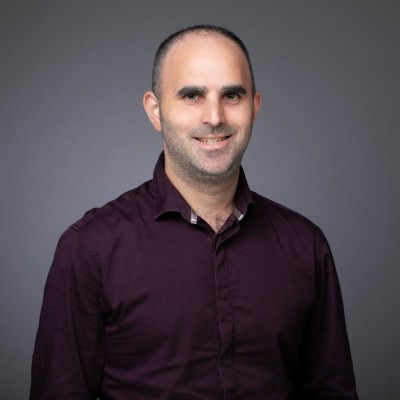 אור פלר, מנטור בתכנית משנת 2021, בוגר הנדסת חשמל ומחשבים:
תכנית המנטורינג למעשה זיקקה לי את אחד הדברים שאני הכי אוהב: לעזור, לאנשים, ועוד בתחום ההתמחות שלי!
עם שחר החיבור היה מיידי, הוא הגיע מאוד ממוקד ומפוקס למטרה, הגדרנו משימות מפגישה לפגישה ותוך זמן קצר הגענו ליעד שהצבנו לעצמנו - השגת המשרה הייעודית עבור שחר!
אין דבר יותר מספק מאשר לעזור לאחר, בטח שלפני מספר שנים אתה היית בדיוק באותו נקודה והייתה חסרה לך היד המכוונת הזו.
אמשיך לעזור ולסייע לסטודנטים ובוגרים כמה שאפשר, ומקווה שגם הם יצטרפו לתוכנית כמנטורים בעתיד :)
קישור לדף התרומות שלנו