Control and Navigation Engineer - Student Position


Currently pursuing a Master’s degree or higher in Aeronautical Engineering, Electrical Engineering, or Mechanical Engineering

Specialization in control systems – knowledge of control theory and dynamic systems, as well as estimation methods

Familiarity with inertial navigation concepts – an advantage Proficiency in MATLAB and SIMULINK


Yield Student for Intel Kiryat Gat

What are we looking for?
• M.Sc. student in Materials Engineering, Chemical Engineering, Mechanical Engineering, or Data Science.
• Strong analytical skills and experience in data analysis and problem-solving.
• High level of initiative and ability to self-learn.
• Experience with data analysis tools such as Python, JMP, Excel, or similar-advantage.
• Solid understanding of manufacturing operations and statistical process control-advantage.

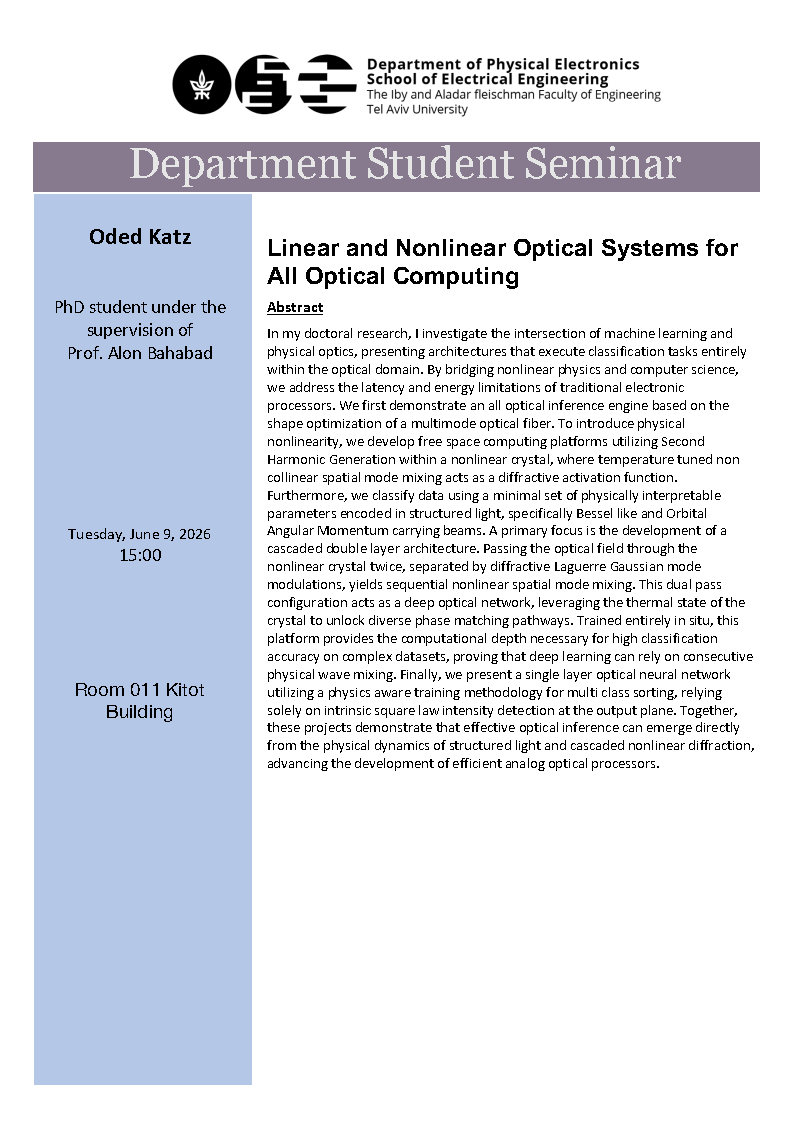
Physical Electronics Seminar- Bipotentiostatic Control Unlocks Flashing Ratchet Features in Ion Pumps

סמינר שמיעה לתלמידי תואר שני ושלישי

04 בנובמבר 2025, 15:00 
Classroom Building, Room 011  
Physical Electronics Seminar- Bipotentiostatic  Control  Unlocks  Flashing Ratchet Features in Ion Pumps


סמינר זה יחשב כסמינר שמיעה לתלמידי תואר שני- This Seminar Is Considered A Hearing Seminar For Msc Students

הרישום לסמינר יבוצע באמצעות סריקת הברקוד למודל בתחילת המפגש (יש להיכנס לפני כן למודל,  לא באמצעות האפליקציה)

Registration for the seminar will be done by scanning the barcode for the Moodle (Please enter ahead to the Moodle, NOT by application)


סמינר שמיעה לתלמידי תואר שני ושלישי

פרטים בהמשך

13 בינואר 2026, 14:00 
בניין וולפסון, חדר 206  
סמינר שמיעה לתלמידי תואר שני ושלישי

סמינר שמיעה לתלמידי תואר שני ושלישי

 ניתוח מקיף של חשיבה מבוססת בינה מלאכותית על פני עשרות מסמכים, ד"ר תומר וולפסון

30 בדצמבר 2025, 14:00 
בניין וולפסון, חדר 206  
סמינר שמיעה לתלמידי תואר שני ושלישי

סמינר שמיעה לתלמידי תואר שני ושלישי

09 בדצמבר 2025, 14:00 
בניין וולפסון, חדר 206  
סמינר שמיעה לתלמידי תואר שני ושלישי

סמינר- מודלים חיזויים לניהול תפעול

25 בנובמבר 2025, 14:00 
בניין וולפסון, חדר 206  
סמינר שמיעה לתלמידי תואר שני ושלישי

עיצוב אמון דיגיטלי בהחלטות המתקבלות על ידי בינה מלאכותית

פרופ' קלאודיה ו. גולדמן, בבית הספר למנהל עסקים של האוניברסיטה העברית

11 בנובמבר 2025, 14:00 
בניין וולפסון, חדר 206  
סמינר שמיעה לתלמידי תואר שני ושלישי

הצטרפו גם בזום

Abstract: 

From the industrial revolution to the ongoing Fourth Industrial Revolution driven by AI, technological advancements have continually reshaped society and industry. These advancements are changing the ways we interact with each other (social), with our environment and with our resources (economy). The main driving forces of these revolutions are the technological breakthroughs (from machines, through electricity and Internet up to AI), which are followed by periods of human adaptation, as societies adjust to the transformative changes these innovations introduce. What if we could shape these human-AI interactions as seamless synergies that are  mutually enriching and naturally aligned for both sides (instead of, current unilateral interactions, where the human side adjusts to the technology)?
This topic is particularly important nowadays since we are already facing a shift from experts and well-trained professionals interacting with technology (i.e., AI tools and solutions) to a broad spectrum of human users (from experts, through decision makers, to laymen). On one hand, these AI solutions can improve humans’ lives (in domains such as medical, transportation, finance and education). On the other hand, humans need to effectively and critically use these digital technologies to gain those benefits.
In this talk,  I will present our research on explainable AI algorithms for AI agents making decisions under uncertainty while interacting with humans in a variety of domains (transportation, manufacturing and disaster management). 

Bio:

Claudia V. Goldman is an Associate Professor of Data Science at the Hebrew University Business School. She earned her B.Sc. in Computer Science (1991) and her M.Sc. and Ph.D. in Artificial Intelligence (1993, 1999; recipient of the Eshkol Scholarship) from the Hebrew University. During her postdoctoral fellowship at Bar Ilan University (1999-2001), she studied strategic agent behaviors in competitive environments. She, then, specialized in decentralized control of multiagent systems as a senior postdoctoral fellow at the University of Massachusetts Amherst (2002-2004, raising AFOSR funding). Prior to joining academia, Prof. Goldman spent 18 years in industrial AI research, serving as a member of the CTO staff and team leader in the Samsung Technical Center for Research (Israel) and as a staff researcher in General Motors Technical Center (Israel). She joined the Hebrew University faculty in 2024, where she established the Explainable AI for Good Lab. Her research focuses on trustworthy human-AI interactions and the development of effective and efficient AI systems, particularly through explainable AI algorithms for decision making under uncertainty in high stakes domains with significant societal and environmental implications.

Prof. Goldman has published extensively in the Artificial Intelligence literature (87 peer reviewed articles) covering her research on explainable AI, adaptive systems, multi-agent systems, coordination and decentralized control. She holds 67 patents (21 granted and 46 filed). Prof. Goldman serves on program committees and as a referee for the main Artificial Intelligence conferences (AAAI, IJCAI, AAMAS, ECAI) and relevant journals (Artificial Intelligence, JAIR, and JAAMAS). Prof. Goldman is a member of the Association for the Advancement of Artificial Intelligence and the Israeli Association for Artificial Intelligence.

עודכן: 12.11.2025

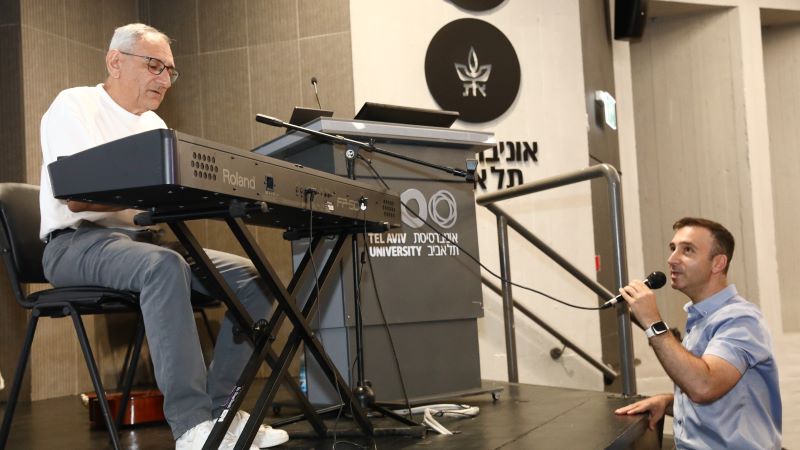
קיבלנו בפקולטה להנדסה את פני הסטודנטים.ות החדשים.ות שלנו לשנה א׳

באירוע ענק ומרגש שכלל הרצאות מרתקות, מתחמי פעילות חווייתיים והמון אנרגיה טובה.


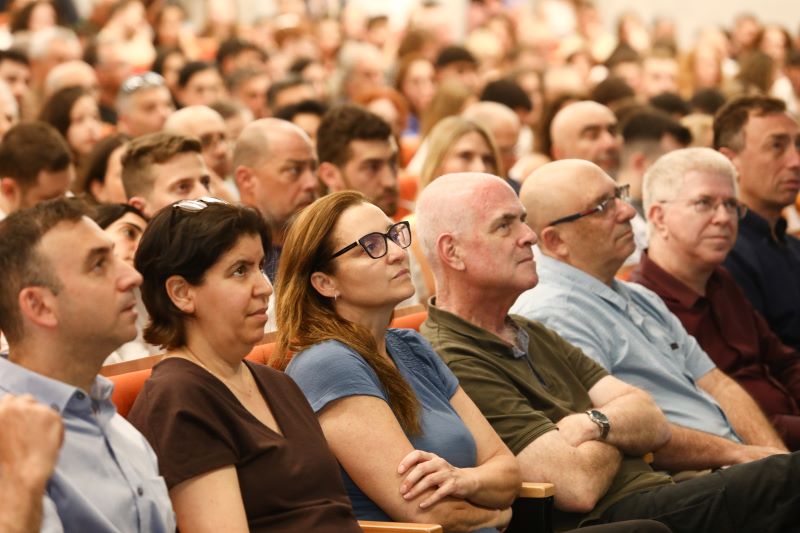
כאלף משתתפים.ות הגיעו להכיר, לשאול, לגלות ולהתחיל את המסע האקדמי שלהם.ן במקום שבו מרחיבים את גבולות האפשר.

כולם.ן נהנו ממגוון פעילויות, הרצאות מרתקות, מתחמים מפנקים, יריד מתנות ועוד.

אז נאחל המון הצלחה לסטודנטים.ות החדשים.ות וברוכים.ות הבאים.ות למשפחת הפקולטה להנדסה!


הלימודים לתואר דוקטור בבית הספר להנדסת תעשייה ומערכות נבונות נועדו להכשיר את הסטודנטים להיות מומחים ובעלי ידע מעמיק, מהשורה הראשונה בעולם בתחומי ההתמחות שלהם, עם יכולת מוכחת לבצע מחקר עצמאי, חשיבה מערכתית רחבה והבנה עמוקה של טכנולוגיות מתקדמות. הבוגרים מצוידים בכלים לתרום תרומה משמעותית לקדמת המדע, לחברה ולתעשייה בישראל ובעולם.


עבודת המחקר, המרכיב המרכזי בלימודי הדוקטורט, כוללת בשלביה הראשונים סקירה ביקורתית של חזית הידע בתחום ההתמחות, הגדרת מטרות מחקר, גיבוש תכנית עבודה, ותכנון שיטות ואמצעים לחקירת הבעיה תוך עמידה בלוחות זמנים.כוללת בשלביה הראשונים סקירה ביקורתית של חזית הידע בתחום ההתמחות, הגדרת מטרות מחקר שאפתניות, גיבוש תכנית עבודה מקורית, ותכנון שיטות ואמצעים לחקירת הבעיה תוך עמידה בלוחות זמנים סבירים. במהלך המחקר, נדרשים הסטודנטים להוכיח יצירתיות, יכולת ניתוח גבוהה ומיומנות יישומית במערכות מורכבות. התזה, הנכתבת בשפה האנגלית, תציג את המחקר בכל היבטיו בצורה בהירה, ותדגיש את תרומתו המדעית והיישומית לתחום.


במהלך לימודיהם, ירחיבו הסטודנטים את ידיעותיהם בתחומי הנדסת תעשייה, מערכות נבונות, מדעי הנתונים, בינה מלאכותית וניהול מערכות, ויפתחו סקרנות מדעית לצד הבנה מעמיקה של אתגרים טכנולוגיים ותעשייתיים עכשוויים. בנוסף, ישתלבו במערך ההוראה והמחקר של בית הספר כהכנה לתפקידי מנהיגות אקדמיים, חברתיים ותעשייתיים.


קבלה ללימודים מותנית בעמידה בתנאי התקנון האוניברסיטאי לתלמידי מחקר, ובהחלטות הוועדה היחידתית. מועמדים בעלי תואר שני בהנדסה (ציון משוקלל 80 ומעלה וציון עבודת גמר 85 ומעלה) יכולים להגיש בקשה להתקבל כ”תלמידי מחקר שלב א’”. מועמדים מתחומים קרובים או שונים יידרשו להשלמות לימודיות בהתאם להמלצת המנחה ואישור הוועדה. תנאי הקבלה כוללים את הסכמת מנחה מוסמך וחבר סגל בבית הספר, אישור ראש המחלקה, ושני מכתבי המלצה לפחות—אחד מהם מאיש אקדמיה. בוגרי תואר שני מהפקולטה להנדסה באוניברסיטת תל אביב פטורים מהגשת המלצות.


מידע שימושי על התואר השלישי באוניברסיטת תל-אביב תמצא כאן.


תלמידי דוקטורט יתקבלו בכפוף לתקנון האוניברסיטאי לתלמידי מחקר ובהתאם למדיניות הוועדות האוניברסיטאית והיחידתית לתלמידי מחקר. רשאי לפנות לוועדה היחידתית בבקשה להתקבל כ"תלמיד מחקר שלב א'" במסלול הרגיל בעל תואר "מוסמך אוניברסיטה" בפקולטה הנדסית בציון משוקלל "טוב" (80) ומעלה וציון עבודת גמר 85 ומעלה. מועמד בעל תואר שני בפקולטה שאינה הנדסית, או שהכשרתו היא בתחום שונה, יידרש להשלים בציון 80 לפחות מספר קורסים לפי המלצת המנחה ובאישור הוועדה היחידתית. המועמד יעביר למזכירות את המסמכים הבאים: (1) הסכמת חבר סגל, הרשאי להנחות תלמיד מחקר, לשמש כמנחה וכן הסכמת ראש המחלקה לקבלת המועמד. (2) שני מכתבי המלצה לפחות מחברי סגל אוניברסיטה או אנשי מקצוע מהתעשייה (בעלי תואר דוקטור) המכירים את המועמד, כשהמלצה אחת לפחות מאיש אקדמיה. בעל תואר שני מהפקולטה להנדסה באוניברסיטת תל-אביב אינו חייב להמציא מכתבי המלצה מאחר שמידת התאמתו ללימודי דוקטורט תישקל לפי חוות דעת הבוחנים על עבודת המאסטר שלו.


עמודים

אוניברסיטת תל אביב עושה כל מאמץ לכבד זכויות יוצרים. אם בבעלותך זכויות יוצרים בתכנים שנמצאים פה ו/או השימוש שנעשה בתכנים אלה לדעתך מפר זכויות
שנעשה בתכנים אלה לדעתך מפר זכויות נא לפנות בהקדם לכתובת שכאן >>