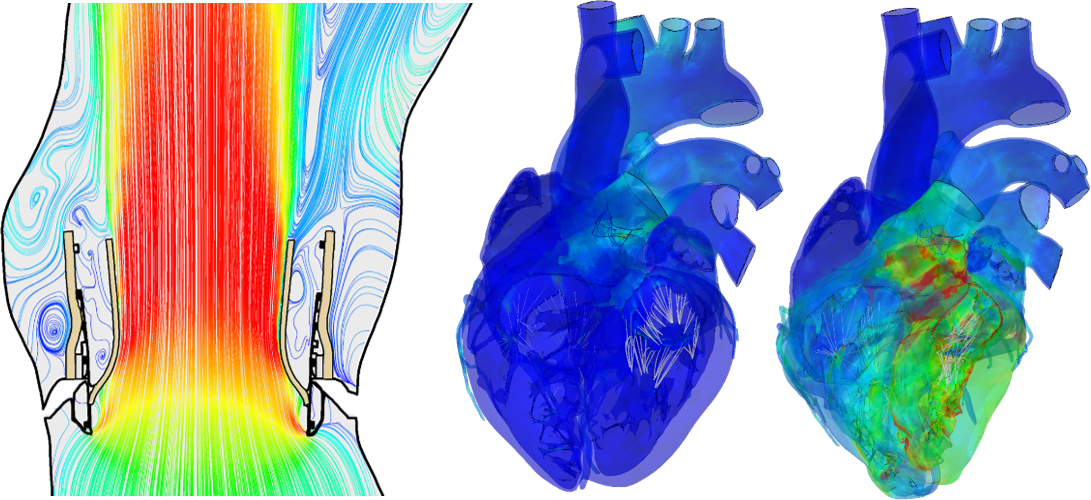
כנס סוף שנה של המחלקה להנדסה ביו-רפואית

יריד פוסטרים והצגת פרויקטי גמר

05 ביוני 2019, 9:00 
אוניברסיטת תל-אביב  
חינם
כנס סוף שנה של המחלקה להנדסה ביו-רפואית

13:00-09:00 בחינות פרויקטים


15:30-14:00 התכנסות ויריד פוסטרים 

יוגש כיבוד קל


15:40-15:30 דברי פתיחה פרופ' אורי נבו - ראש המחלקה להנדסה ביו-רפואית


16:30-15:40 הרצאה"Traps to Watch For in Medical Devices”  ד"ר גיורא ירון - Hi-Tech Entrepreneur


16:45-16:30 הצגת פרויקטים מצטיינים


16:45 סיום משוער

לינק להזמנה

סמינר המחלקה להנדסה ביו רפואית -הרצאת אורח של ד"ר יניב ציגל מהמחלקה להנדסה ביו-רפואית באונ' בן גוריון

02 ביוני 2019, 14:00 
הבניין הרב תחומי, חדר 315  
ללא עלות
סמינר המחלקה להנדסה ביו רפואית -הרצאת אורח של  ד"ר יניב ציגל מהמחלקה להנדסה ביו-רפואית באונ' בן גוריון

Sleep evaluation using audio signal processing

Dr.Yaniv Zigel

 Millions of people worldwide experience sleep disorders; unrecognized or ignored sleep problems can lead to poor health, accidents, and even death. Early diagnosis and treatment can improve quality of life and health. However, the number of sleep testing sites is limited and many people are left undiagnosed and untreated. The biomedical engineering field of sleep evaluation is on a “fast track” towards simple home-based testing. Existing technology for home-based testing uses contact sensors that can lead to poor data acquisition and often disturb sleep.

In this ongoing research we aim to develop signal processing and pattern recognition algorithms for the estimation of sleep on the basis of audio signals. Our findings show that sleep/wake activity, sleep quality parameters, snoring, and obstructive sleep apnea (OSA) can be estimated solely by the analysis of breathing sound signals, using non-contact microphones.

Dr. Yaniv Zigel (BSc 1992, MSc 1998, PhD, 2004) is a faculty member in the Department of Biomedical Engineering, the Faculty of Engineering Sciences, Ben-Gurion University of the Negev, and the head of the Biomedical Signal Processing Research Laboratory for the last 11 years. Dr. Zigel main interest is in the fields of biomedical signal processing, speech and audio analysis, and pattern recognition.


מגוון טורנירים בהשתתפות המהנדסים הספורטיבים שלנו

28 מאי 2019
יום הספורט השנתי של הפקולטה להנדסה

ב 26 למאי התקיים יום הספורט של הפקולטה להנדסה אוניברסיטת תל אביב במרכז הספורט של האוניברסיטה בהשתתפות מאות סטודנטים. זהו יום המשלב בתוכו תחומי ספורט רבים ומגוונים: כדורגל, כדורסל, כדורעף, טניס, טניס שולחן ושחייה, יוגה פילאטיס וספינינג.


בנוסף לשלל אטרקציות ספורטיביות המותאמות לכולם התפקנו הספורטאים בארוחת בוקר מפנקת, שחייה בבריכה ומיום קייצי נחמד. כמו כן המשתתפים קיבלו חולצות ותמונות מגנטים של האירוע. 


תודה לועד הנדסה על ארגון יוצא מן הכלל וכבר ממתינים לארוע הבא שלכם.

תערוכת הפרויקטים השנתית של ביה"ס להנדסה מכנית תשע"ט

יום רביעי | 29.05.2019 | בניין הנדסה - כיתות

29 במאי 2019, 9:00 
הפקולטה להנדסה אוניברסיטת תל-אביב  
חינם
יום פרויקט

09:00 התכנסות

09:30 תערוכת פוסטרים

11:30 הרצאת אורח "הננו לווין הראשון של אוניברסיטת תתל אביב". מר. אלעד שגיא - מהנדס המערכת של ננו-לווין TAUSAT1. שימש כמהנדס מערכת של לווייני תקשורת, בתעשייה האווירית ועבד גם עם SPACEIL. כיום משתתף בהקמת המרכז לננו לווינים באוניברסיטת ת"א אשר בונים את לווייני TAUSAT . בוגר תואר ראשון בגיאוגרפיה פיזית מאוניברסיטת בר אילן ותואר שני בניהול טכנולוגי מהמכון הטכנולוגי בחולון.

12:00 הכרזת הזוכים בפרויקטים המצטיינים לשנת תשע"ח והענקת תשורות – כיתה 011

12:10 הכרזת הזוכים בפוסטרים המצטיינים לשנת תשע"ט והענקת תעודות לזוכים

12:20 הכרזה על פרויקט חביב הקהל


תערוכת הפרויקטים השנתית של ביה"ס להנדסת חשמל תשע"ט

על שם  אברהם (אבי) אפרתי ז"ל

11 ביוני 2019, 14:30 
הפקולטה להנדסה אוניברסיטת תל-אביב  
חינם
תערוכת הפרויקטים השנתית של ביה"ס להנדסת חשמל תשע"ט

14:30 התכנסות, תערוכת פוסטרים

15:00 ברכות

15:15 הצגות פרויקטים בכיתות

16:00 תערוכת פוסטרים

17:00 הרצאת אורח "כוכבי רוק אלגוריתמיים וכשטכנולוגיה נפגשת עם מוזיקה" ד"ר רויטל הולנדר: חברת סגל בבית הספר אדלסון ליזמות במרכז הבינתחומי, תדבר על התפתחויות הטכנולוגיות של השנים האחרונות בתחום המוזיקה, תדגים טכנולוגיות חדשות ליצירה ויישומי בינה מלאכותית ולמידה עמוקה.

17:30 הכרזת הזוכים והענקת תעודות

מהפכה במדע

ערב הרצאות בפקולטה להנדסה אוניברסיטת תל אביב

30 במאי 2019, 18:00 
הפקולטה להנדסה אוניברסיטת תל-אביב  
חינם
תנו לחיות לחיות

עמותת "תנו לחיות לחיות" הינה ארגון שלא למטרות רווח, אשר שם לו למטרה לשפר את ההגנה על בעלי החיים ולקדם את זכויותיהם, ובכלל זה לספק עזרה לבעלי חיים הנתונים במצוקה, לשקמם ולמצוא להם בתים מאמצים.


ארגון עמיתי התעשייה של הפקולטה להנדסה בשיתוף עם העמותה "תנו לחיות לחיות" מזמינים אתכם לערב הרצאות בנושא "מהפכה במדע - המחקר הרלוונטי לאדם והקשר לחיות".

 
מה בתכנית: 
  • ד"ר בן מ. מעוז | מוח על שבב | המחלקה להנדסה ביו רפואית הפקולטה להנדסה אוניברסיטת תל אביב
  • ד"ר לירון ברקוביץ | מחקר לריפוי הסרטן | בי"ח מאיר והפקולטה לרפואה ע"ש סאקלר, אוניברסיטת תל אביב
  • תהילה בר-יהודה  |המהפכה האנושית במדע | קרן ההון  The Next Branch


להרשמה לארוע

פיתוח פורץ דרך של סטודנטים לתואר ראשון מבית הספר להנדסה מכנית מציעים טכנולוגייה חלופית ובטוחה לחילוץ פצועים משטח קרב

  • תגיות:

העימות האחרון ברצועת עזה אמנם נרגע לעת עתה, אולם בצה"ל מודעים לכך שסבב הלחימה הבא כבר נמצא בפתח. הסטודנטים שלנו לא עוצרים לרגע וחושבים רק קדימה בפיתוח פתרון מהפכני בכל הקשור לפנוי פצועים בשדה הקרב.


דור פראג', תום סלומון וגיא יזרעאלי הם סטודנטים לתואר ראשון מבית הספר להנדסה מכנית בפקולטה להנדסה אוניברסיטת תל אביב והם אחראים על הפיתוח פורץ הדרך כחלק מפרויקט הגמר שלהם, בליווי של רוני שפיר ודני ברקו


עבור דור, תום וגיא הפרויקט הזה היווה בחירה טבעית לאור תפקידיהם בצבא בסדיר ובשרות המילואים. גיא יזרעאלי משרת במילואים כקצין תומך לחימה ביחידת פלה"ק (פלוגת החייאה קדמית), תום סלומון משרת במילואים כלוחם וחובש ביחידת עורב צנחנים ודור פראג' משרת במילואים ביחידת המודיעין של פיקוד דרום אשר בין היתר מנהלת את פינוי הנפגעים בגזרה. "דיברנו ביננו על הצורך בחילוץ פצוע מן הסוג הזה אשר יתבצע ללא סיכון חיילים נוספים בשטח" כך מסביר תום. "לאור השירות הצבאי נחשפנו לשיטות הפינוי השונות בצה"ל (רכוב, מוסק וימי) וזיהינו את הבעיה אותה ניסינו לפתור".
 

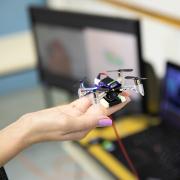
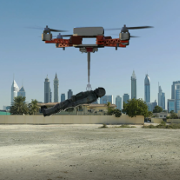
רחפן המאפשר פינוי מהיר

שיטות פינוי הלוחמים בשדה הקרב הנהוגות כיום טומנות בחובן סיכון רב, הן לצוות המחלץ והן למחולץ עצמו. כיום אין דרך חילוץ שאינה דורשת הימצאות המחלץ בשטח, ויתרה מכך, מלבד חילוץ מוסק (שהינו יקר ומסוכן), אין אפשרות לחילוץ אווירי.


במסגרת פרויקט הגמר לתואר ראשון, הציעו הסטודנטים שיטת חילוץ שאינה דורשת הימצאות המחלץ בשטח, זאת באמצעות רחפן המאפשר פינוי מהיר, זול, יעיל ובטיחותי - הן למפעיל הרחפן והן לחייל הפצוע. בעת הגעת הרחפן לנקודת האיסוף, המערכת מסוגלת לבצע עיגון והרמת הפצוע באופן עצמאי ללא גורם אנושי הנמצא בנקודת הפינוי.


על הרחפן לשאת במשקל מקסימלי של 120 ק"ג, מהירות הפינוי תהא עד 50 קמ"ש בגובה של כ-2 מטרים, כאשר הפינוי יתבצע למרחק קצר (כ- 200 מטר). פינוי הפצוע יעשה באמצעות רתמה ייעודית או אבזם ייעודי המחובר לאפוד שלו כאשר הוא שוכב על הגב, על הצד או על הבטן.


במהלך ביצוע סקר של שוק הרחפנים לנשיאת  משקלים גדולים, הגיעו הסטודנטים למסקנה כי הרחפן eVTOL CAV מבית Boeing הינו הרחפן המתאים ביותר לדרישות הפרויקט. במסגרת הפרויקט סקרו הסטודנטים שלוש חלופות אפשריות שעונות על דרישות הפרויקט ובחרו בחלופת כננת עם כבל המובל באמצעות שרוול טלסקופי, שבקצהו מנגנון נעילה מכאני העושה שימוש במגנט לצורך מיקום טבעת הנעילה בסוגר.


בוצעו אנליזות חוזק להוכחת יכולת ההרמה של המנגנון חיבור והתקבל מקדם ביטחון 15:

3. התממשקות מנגנון הנעילה                           2. הרחפן מעל נקודת פינוי הפצוע                     1. הרחפן נישא על גבי רכב צבאי    


הפנים מאחורי הפיתוח - מימין לשמאל: דור פראג', גיא יזרעאלי ותום סלומון

EE Seminar: LIDAR Detection in the Few-Photon Regime

29 במאי 2019, 15:00 
חדר 011, בניין כיתות-חשמל  

Speaker:  Itay Horev

M.Sc. student under the supervision of Dr. Ofer Amrani


Wednesday, May 29, 2019 at 15:00

Room 011, Kitot Bldg., Faculty of Engineering


LIDAR Detection in the Few-Photon Regime 

 
Abstract


Lidar (Light Detection and Ranging) is a method used for measuring distance to a target by illuminating the target with pulses of (laser) light and measuring the reflected light pulses with a sensor sensitive to light, a.k.a photo detector. This work considers the low photon count regime and provides methods for determining photon time of arrival (TOA) assuming a non-ideal detector array.

This problem was previously treated using the maximum likelihood criterion while referring to correlation type filter and a matched filter as an ideal solution.

Apriori-knowledge or a good characterization of all possible detector outputs used in a matched filters bank is the optimal solution in a minimum square error (MSE) sense. Unfortunately,  the hardware (HW) complexity and memory requirements entailed by such implementation make it inefficient when moving into the real-time domain, as encountered in Lidar applications.

In Lidar applications, 'hidden' targets, e.g. when located behind a camouflage net, increase the complexity of such a problem and make it necessary to find another simple yet generic solution more suitable for HW realization.

The detector used in this work consists of 20x20 sensor elements. Each element can be triggered independently, it has no constant optical threshold , i.e. optical energy level, that results with an output pulse (voltage measured at the sensor output). Rather, the probability that a sensor produces an electrical output pulse is a probabilistic function of the number of impinging photons. Note that each sensor can be considered a binary component in the sense that it emits an electrical pulse whose properties are fixed, or otherwise, it emits nothing.

The probability that a light pulse does not trigger a sensor-array-based detector depends on the transmitted pulse energy, channel transmission and detection efficiency, but finally, it depends on the actual received optical pulse characteristics. In practice, a small number of photons are received, and the objective is to identify the exact moment when a photon triggered (at least) one sensor element in an array.  The probability P of obtaining an electrical output pulse increases as the energy of the optical signal at the detector input increases. However, when a pulse is received, it may interfere with previous (or following) pulses due to the behavior of the sensor array.

Expectation–maximization (EM) algorithm [3] was introduced for image restoration based on  penalized likelihood formulated in the wavelet domain. The algorithm takes advantage of the sparsity of wavelet representations; as such, it is shown to provide good fit for the case of the low photon count regime. A similar approach of using an EM algorithm was reported in [4] for range discrimination. We use the EM approach as a baseline for solving all the above mentioned difficulties associated with a practical  detector array. 

The current work provides a complete algorithmic, and easy to implement solution which was also tested on a real-world data. It consists of two main parts:

1. an EM algorithmic approach properly tailored for (few-photon) pulse detection, pulse-separation and target image reconstruction;  and

2. a neural network approach employed as a system-level pre-processing filter for distinguishing between "real", "fake" (false) or "complex" targets.  

EE Seminar: Everything Old is New Again: The Return of Gradient Based Optimization Methods

27 במאי 2019, 15:00 
חדר 011, בניין כיתות-חשמל  

(The talk will be given in English)


Speaker:     Prof. Marc Teboulle
                     School of Mathematical Sciences, TAU


Monday, May 27th, 2019
15:00 - 16:00

Room 011, Kitot Bldg., Faculty of Engineering


Everything Old is New Again: The Return of Gradient Based Optimization Methods
 

Abstract

The gradient method, forged by Cauchy about 170 years ago, has regained over the last decade a strong revived interest in modern optimization through many of its variants and relatives known as First Order Methods (FOM). This renewed interest in  FOM has emerged  from  the current high demand in solving optimization problems arising in a wide spectrum of modern applications,  e.g., in signal processing, image science, machine learning, and physics. These applied problems are often ill-posed, nonsmooth,  convex or nonconvex,  and typically very large or even huge scale. This rules out the option of using sophisticated algorithms (e.g., Newton types schemes involving inversion of matrices) which often become prohibitively expensive.  Elementary first order methods using function values and gradient/subgradient information then often remain our best alternative to tackle such large scale optimization problems.  In turn, this rich collection of applied problems is providing fresh perspectives for optimization algorithms leading to new fundamental research with challenging theoretical and computational questions in the field.

We discuss recent advances on the design and analysis of gradient-based algorithms that we have developed and applied successfully in various areas.   In particular, we highlight the ways in which mathematical structures and data information can be beneficially exploited to design and analyze simple convex and nonconvex optimization methods. The talk is intended to a wide audience, and we will assume (almost) no prior knowledge in continuous optimization.

Short Bio
Marc Teboulle is the Eric and Sheila Samson Chair and Professor of Optimization at the School of Mathematical Sciences of Tel Aviv University. He received his D.Sc. from the Technion, Israel Institute of Technology. Teboulle research interests are in the area of continuous optimization, including theoretical foundation and algorithmic analysis, as well as its applications to many areas of science and engineering. Prior to joining Tel Aviv University in 1996, Teboulle was an applied mathematician for the Israel Aircraft Industries, a post-doctoral fellow at Dalhousie University, Canada, and a Professor of Mathematics at University of Maryland (USA). 
Teboulle has published widely on optimization theory, algorithms, and applications.  He is a co-author of the book "Asymptotic Cones and Functions in Optimization and Variational Inequalities" (Springer Monographs in Mathematics, 2003, with A. Auslender). He is a Fellow of SIAM, the Society for Industrial and Applied Mathematics. He served a term as Area Editor for Continuous Optimization of Mathematics of Operations Research from 2013-2018. He currently serves as Corresponding Editor for the Optimization Area of COCV-- Control, Optimization, and Calculus of Variations,  and is on the editorial boards of some other leading journals, including SIAM Journal of Optimization, and SIAM Journal on Mathematics of Data Science.


פרופ' נעם אליעז

דקאן הפקולטה להנדסה

סגל אקדמי בכיר במחלקה למדע והנדסה של חומרים
ועדת מינויים יחידתית במנהלת הפקולטה להנדסה

Deaneng@tauex.tau.ac.il

בניין וולפסון חדר 200

03-6408738

הילה אלוני

ראשת מנהל הפקולטה

hillaaloni@tauex.tau.ac.il

הילה אלוני


וולפסון הנדסה

חדר 200

03-6408736

קרין קמפנר

רכזת אדמינסטרציה דקאן וראשת מנהל

karinkem@tauex.tau.ac.il

תמונה


וולפסון הנדסה

חדר 200

03-6408738

היילי ברין

רכזת אדמינסטרציה דקאן וראשת מנהל

haileybrin@tauex.tau.ac.il

תמונה


וולפסון הנדסה

חדר 200

03-6408736

מאיה שחף

רכזת בכירה לוועדת מינויים

mayash@tauex.tau.ac.il

וולפסון הנדסה

חדר 207

03-6407315

עמודים

אוניברסיטת תל אביב עושה כל מאמץ לכבד זכויות יוצרים. אם בבעלותך זכויות יוצרים בתכנים שנמצאים פה ו/או השימוש שנעשה בתכנים אלה לדעתך מפר זכויות

שנעשה בתכנים אלה לדעתך מפר זכויות נא לפנות בהקדם לכתובת שכאן >>