EE Seminar: Unveiling Optical Properties in Underwater Images

29 בינואר 2020, 15:30 
Room 011, Kitot Building  

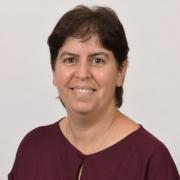
Speaker: Yael Bekerman

M.Sc. student under the supervision of Prof. Shai Avidan and Prof. Tali Treibitz.


Wednesday, January 29th, 2020 at 15:30

Room 011, Kitot Bldg., Faculty of Engineering


Unveiling Optical Properties in Underwater Images


Abstract

   The appearance of underwater scenes is highly governed by the optical properties of the water (attenuation and scattering). However, most research effort in physics-based underwater image reconstruction methods is placed on devising image priors for estimating scene transmission, and less on estimating the optical properties. This limits the quality of the results. This work focuses on robust estimation of the water properties. First, as opposed to previous methods that used fixed values for attenuation, we estimate it from the color distribution in the image. Second, we estimate the veiling-light color from objects in the scene, contrary to looking at background pixels.  We conduct an extensive qualitative and quantitative evaluation of our method vs. most recent methods on several datasets.  As our estimation is more robust our method provides superior results including on challenging scenes.

EE Seminar: ScopeFlow: Dynamic Scene Scoping for Optical Flow

05 בפברואר 2020, 15:30 
room 011' Kitot Building  

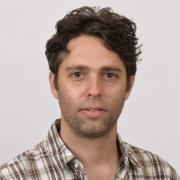
Speaker: Aviram Bar-Haim

M.Sc. student under the supervision of Prof. Lior Wolf


Wednesday, February 5th 2020 at 15:30

Room 011, Kitot Bldg., Faculty of Engineering


ScopeFlow: Dynamic Scene Scoping for Optical Flow


Abstract

We propose to modify the common training protocols of optical flow, leading to sizable accuracy improvements without adding to the computational complexity of the training process. The improvement is based on observing the bias in sampling challenging data that exists in the current training protocol, and improving the sampling process. In addition, we find that both regularization and augmentation should decrease during the training protocol.


Using a low parameters of-the-shelf model, the method is ranked first on the MPI Sintel benchmark among all other methods, improving the best two frames method accuracy by more than 10%. The method also surpasses all similar architecture variants by more than 12% and 19.7% on the KITTI benchmarks, achieving the lowest Average End-Point Error on KITTI2012 among two-frame methods, without using extra datasets.

הכירו את תכנית הלימודים לתואר ראשון דו-חוגי המשלבת טכנולוגיה וניהול

21 ינואר 2020
הכירו את מסלול הלימודים לתואר ראשון דו-חוגי המשלב טכנולוגיה וניהול

תכנית "מדעים להיי-טק וניהול" מאפשרת ללמוד קורסים ב"מדעים להיי-טק" ו"ניהול" אשר יעניקו לבוגרי התכנית שילוב ייחודי של מיומנויות טכנולוגיות מקצועיות יחד עם הכרה מעמיקה של עולם הניהול ופיתוח כישורים אישיים בעולם דינאמי תוך שימוש במתודולוגיות ושיטות עבודה מתקדמות. הצטרפו אל האנשים שמניעים תהליכים, מפתחים חידושים טכנולוגיים ומובילים את עולם העסקים.


למה לשלב מדעים להיי-טק וניהול?

להיות גם אנשי טכנולוגיה מובילים וגם מנהלים מצוינים: השילוב של ידע טכנולוגי רחב ומיומנויות ניהוליות רחבות ומעמיקות פותח בפני בוגרי התכנית אפשרויות תעסוקה במגוון רחב של תפקידים – הן בחברות סטארט-אפ והן בחברות גדולות. בוגרי התכנית יהיו אנשי היי-טק ברמה הגבוהה ביותר ואנשי ניהול בעלי הבנה ארגונית וניהולית רחבה ומעמיקה, בעלי כלים לניתוח בעיות ופתרונן  אשר יובילו את תעשיית ההיי-טק בישראל ובעולם.

  • היי-טק: עולם ההיי-טק התרחב מאוד ונוגע לכל תחום בחיינו. טכנולוגיות המידע והמחשוב המתקדמות שזורות בכל תחומי החיים ובהתאם, התוכנית המשולבת נוגעת בכל המהפכות העכשוויות ובכללן טכנולוגיות מידע, מחשוב ולמידה עמוקה. במקביל מכינה את בוגריהן להתמודדות עם טכנולוגיות חדשות שטרם הומצאו.
  • ניהול: תפקידם של אנשי ניהול בחברות מוטות טכנולוגיה הוא בעל פנים רבות. אנשי ניהול מומחים יכולים לנהל פעילות, לנהל מוצר, לנהל את הפיתוח העסקי, לנהל מכירות ואף לתכלל את הפעילות ביעילות מרבית. התכנית המשולב מכשיר את התלמידים בתשתית האופטימלית למשימות אלו וגם נוספות כך ששילוב הכשרה זו עם ידע טכנולוגי מעמיק פותח אופק רחב של הזדמנויות תעסוקה ייחודיות ויוצר סוג חדש ואטרקטיבי של מנהל.


אפשרויות תעסוקה לבוגרי התכנית

  • בתחומי ניהול מוצר וניהול פרויקטים המהווים תשתית טכנולוגית ועסקית לכל פרויקט פורץ דרך. ההחלטות לגבי אפיון מוצר טכנולוגי חדש והובלת פרויקטים הינן הרות גורל להצלחתו של כל פרויקט. הבנה מעמיקה של צרכי השוק בשילוב עם ירידה לפרטי הטכנולוגיה הינם שילוב חשוב שמקנה יתרון ייחודי למבקשים להשתלב באפיק זה.
  • גם בתחום האינטגרציה (תכלול) שהפך להיות לאחד התחומים התוססים ביותר בעולם הטכנולוגי והניהולי קיימות הזדמנויות תעסוקה משמעותיות. כיום האינטגרטורים ניצבים מאחורי הקלעים, מנהלים את הזמנים של מחלקות הפיתוח, ודואגים שהן פועלות בתיאום אידיאלי תוך חתירה לעמידה ביעדים. לראשונה מוצע תכנית דו-חוגי שיתמקד במענה לביקוש העצום לאנשי ונשות ההיי-טק בתחום זה.


התעשייה מחפשת אתכם

התכנית זוכה לתמיכה מראשי תעשיית ההיי-טק ומובילי דעה המבינים את הערך הייחודי של בוגרי התכנית המשלבים לימודים טכנולוגיים יחד עם לימודי ניהול.


בכירים בתעשייה מדברים על התכנית החדש:

  • אלי גלמן, מנכ"ל אמדוקס לשעבר ויו"ר הועד המנהל של האוניברסיטה: "מורכבות המערכות ופריצות הדרך הטכנולוגיות של השנים האחרונות מחייבות הכשרה של מובילים מזן חדש - זן שמשלב את יכולת האינטגרציה עם ההבנה הטכנולוגית העמוקה. כמי שמעורב משני צידי המתרס - התעשייה והאקדמיה - אני מאמין שהשילוב המוצע עונה על צורך דחוף ואמיתי של השוק במגוון רחב של חברות ומברך את שתי הפקולטות, הנדסה וניהול, על היוזמה הברוכה".
  • ציפי עוזר ערמון, מנכ"לית לומניס: "הסביבה העסקית והטכנולוגית משתנה ללא הרף. המיומנויות הנדרשות מהמנהלים אצלנו בלומניס ובתעשייה מערבות הבנה טכנולוגית מקיפה בד בבד עם הבנת השוק ויכולת לעשות עסקים הלכה למעשה. התוכנית החדשה מתאימה את ההכשרה של דור המנהיגים החדש לצורך ברור ומידי. ברכות לאוניברסיטת תל אביב שהרימה את הכפפה לבניית תכנית המותאמת לתעשיית ההיי-טק".
  • רו"ח יורם טיץ, מנכ"ל ארנסט אנד יאנג: "את הראיה האינטגרטיבית שכוללת טכנולוגיה מחד ופיתוח עסקי מאידך קשה להנחיל במקום העבודה ללא עזרה. המהלך החשוב של אוניברסיטת תל אביב שנרתמה למשימה ויזמה תכנית שמאגדת בין שתי הדיסציפלינות הכל-כך מעניינות הללו ישפיע רבות על כל התחום בשנים הבאות. ארנסט יאנג משוועת לבוגרים בעלי הכשרה כזו ותשמח להיות שותפה פעילה ביישום התוכנית ובפיתוחה".


*הענקת התואר מותנית באישור המל"ג

לפרטים ומידע נוסף

הילה כהנוביץ׳

רכזת אדמיניסטרטיבית

תכנית מדעים להיי־טק

משרד 03-6408790

דוא״ל hilaka@tauex.tau.ac.il

פרופ' נטע רבין

פרופ' נטע רבין


פרופ' נעם קניגשטיין

ד"ר נעם קניגשטיין


פרופ' עמיחי פיינסקי

ד"ר עמיחי פיינסקי


ד"ר מור כספי

ד"ר מור כספי


יום שלישי ה- 4/2/2020, אודיטוריום יגלום (בניין הסנאט), אוניברסיטת תל אביב

̐לצורך הדיון הנוכחי "מיקרו-מוביליטי" - כלי רכב ממונעים קלים

(פרטיים / שיתופיים) שמהירותם מוגבלת ל 25 קמ"ש


14:00 – 14:30 התכנסות (כיבוד קל)

14:30 – 14:40 דברי פתיחה.  פרופ' טל רביב - ר' מכון שלמה שמלצר לתחבורה חכמה, אונ' תל אביב

14:40 – 15:05 מהיר, יעיל ובטוח? היפגעות כתוצאה משימוש באופניים וקורקינטים (גלגינוע) חשמליים בישראל בשנים האחרונות. ד"ר מורן בודס, סגן מנהל המרכז הלאומי לחקר טראומה ורפואה דחופה במכון גרטנר

15:05 – 15:30 מיקרו-מוביליטי: איך מתמודדים במשטרת ישראל?. רפ"ק ד"ר מלי שר, משטרת ישראל

15:30 – 15:40 הפסקה

15:40 – 16:05 Driving in to the future. יניב ריבלין, מנכ"ל BIRD

16:05 – 16:20 Urban Cycle Logistics הדור הבא של Last Mile ו-  Urban Freight אייל סנטו, מנהל פרוייקטי חלץ בתחום האופניים ומיקרו-מוביליטי, עיריית ת"א & co-founder UMo

16:20 – 16:35 ניווט בטוח בכלי מיקרו-מוביליטי. רונן ביתן, מנכ"ל ו co-founder Trailze

16:35 – 17:15 פאנל: עלות-תועלת חברתית, איך עושים את זה נכון...? מנחה: הילה חדד. משתתפים: פרופ' סיגל קפלן (האונ' העברית), ערן קפלן (אציכ), רונן ביתן (Trailze), אייל סנטו (עיריית ת"א ו UMo).

17:15 שאלות, סיכום ומינגלינג

**הארוע ללא תשלום אך נדרשת הרשמה מראש.

    מספר המקומות מוגבל!

להרשמהF O R M A | FORMA Calendar - Urbanism and Sustainability ...

EE Seminar: Identification of similarities in archaeological collections using deep learning algorithms: a Levantine case study.

05 בפברואר 2020, 15:00 
Room 011, Kitot Building  

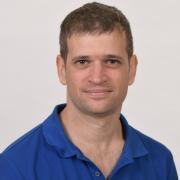
Speaker: Avi Resler

M.Sc. student under the supervision of Dr. Raja Giryes and Dr. Filipe Natalio


Wednesday, February 5th, 2020, at 15:00

Room 011, Kitot Bldg., Faculty of Engineering


Identification of similarities in archaeological collections using deep learning algorithms:  a Levantine case study.


Abstract

 Artefacts that are found in archaeological excavations are often recognized by experts, who compare their appearance to other labeled objects that they have seen before or present in archaeological catalogs. Since this procedure may be subjective, scientific methods that aid archaeologists have became increasingly popular.

We have developed two machine learning tools which capture the similarity between two artefacts or similarities between groups of artefacts based on their RGB images. For the first antique recognition tool, we used face recognition deep neural network architecture, to measure the "archaeological" distance between images. In the second community detection tool, we aggregate similarities between images and measure the distance between assemblages - i.e., group of images. Based on that we applied a network-theory community detection algorithm, to find groups of archaeological sites that are linked to each other.

To test our methods, we used a highly diverse dataset of Israeli antiques. This dataset is a good case study due to geographical proximity between archaeological sites and the presence of artefacts from a wide range of archaeological ages.

EE Seminar: DEGAS: Differentiable Efficient Generator Search

11 במרץ 2020, 15:30 
room 011, Kitot Building  


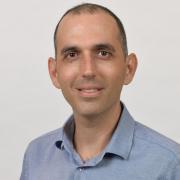
Speaker: Sivan Doveh

M.Sc. student under the supervision of Dr. Raja Giryes


Wednesday, March 11th, 2020 at 15:30

Room 011, Kitot Bldg., Faculty of Engineering


DEGAS: Differentiable Efficient Generator Search


Abstract

Network architecture search (NAS) achieves state-of-the-art results in various tasks such as classification and semantic segmentation. Recently, a reinforcement learning-based approach has been proposed for Generative Adversarial Networks (GANs) search.

In this work, we propose an alternative strategy for GAN search by using a method called DEGAS (Differentiable Efficient GenerAtor Search), which focuses on efficiently finding the generator in the GAN. 

Our search algorithm is inspired by the differential architecture search strategy and the Global Latent Optimization (GLO) procedure. This leads to both an efficient and stable GAN search.

After the generator architecture is found, it can be plugged into any existing framework for GAN training. For CTGAN, which we use in this work, the new model outperforms the original inception score. It also gets better results than the RL based GAN search methods in shorter search time.


עמודים

אוניברסיטת תל אביב עושה כל מאמץ לכבד זכויות יוצרים. אם בבעלותך זכויות יוצרים בתכנים שנמצאים פה ו/או השימוש שנעשה בתכנים אלה לדעתך מפר זכויות
שנעשה בתכנים אלה לדעתך מפר זכויות נא לפנות בהקדם לכתובת שכאן >>