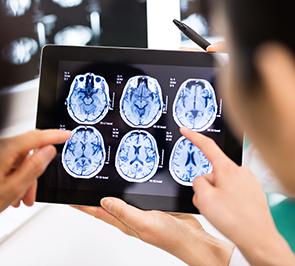
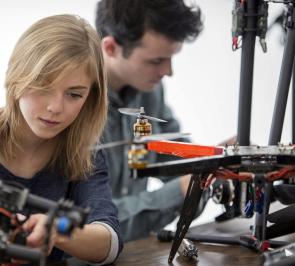
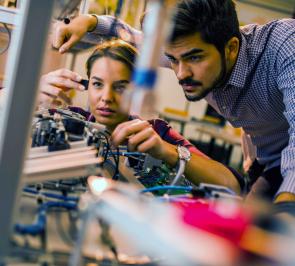
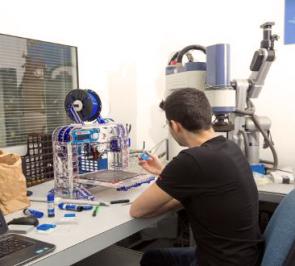
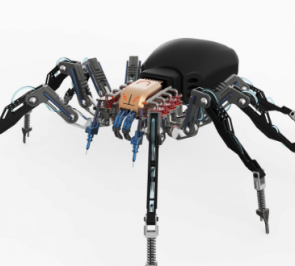
אי פעם עצרת לחשוב איך נראו החיים לפני החשמל? לפני החשמל הכול נעשה פיזית, עם הידיים, או לכל היותר עם כלים מכניים מסורבלים. אלא שאז לפני 200 שנה גילו את החשמל, ויחד איתו את הגלים האלקטרומגנטיים, והחיים השתנו דרמטית: פתאום היה אפשר לעשות הכול, רחוק יותר, מהר יותר, חזק יותר, טוב יותר, יעיל יותר ואפילו זול יותר. חשמל הוא הנורה בתקרה והרחפן בשמיים, הטוסטר אובן והרכב האוטונומי, הרמקולים וסירי, הטלפון החכם וההדמיה הרפואית, התקשורת והמחשבים והאינטרנט. וזה הרגע שלך ליצור את הדבר הבא באמצעות הכוח המטורף, חסר המעצורים, שהאנושות רק מתחילה להבין את הפוטנציאל שלו.
למה אצלנו?...קודם כל כי אנחנו באוניברסיטת תל אביב, שהיא בין האוניברסיטאות המובילות בעולם שגם יושבת בלב עמק הסיליקון הישראלי, מוקפת במאות חברות וסטארטאפים. ומה החברות האלה רוצות? הן רוצות אותך. הן משוועות להכשרה שאפשר לקבל אצלנו – והשכר בהתאם לביקוש. אבל הקשר שלנו עם התעשייה הוא דו-סטרי: היא נכנסת לתוך בית הספר, מנחה פרויקטים, יוזמת יוזמות ומשתפת פעולה איתך עוד במהלך התואר.
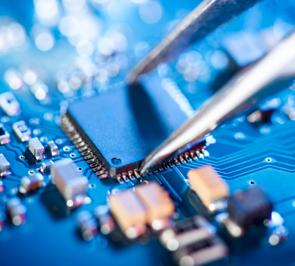
מה אפשר לעשות עם זה ואיפה עובדים אחרי זה?...הנדסת חשמל זה כנראה התואר הכי מגוון שקיים. הוא מכסה קשת רחבה של נושאים, מדברים שנוגעים בפיזיקה ועד דברים שנוגעים במחשבים. ובשוק תעסוקה טרנדי ולא-יציב, תמיד תהיה עבודה בהנדסת חשמל. עם תואר בהנדסת חשמל אפשר לעסוק בתכנות, במעבדות בתחום, לעסוק בניסויים בשטח, להמציא פטנטים ולהקים סטארטאפים. לדוגמא, מהנדסי ומהנדסות אלקטרוניקה מתכננים מעגלים ומערכות, כותבים תוכנה - בעיקר למעבדים זעירים ולרכיבים אלקטרונים שניתנים לתכנות - מפתחים אלגוריתמים לביצוע פעולות שונות, ועוד. ניתן להשתלב בעבודה במגוון תעשיות היי-טק אזרחיות ובטחוניות בתחומי האלקטרוניקה, התקשורת והמחשבים וכן בתעשיות מסורתיות, במוסדות ממשלתיים ומכוני מחקר. מהנדסי ומהנדסות חשמל מועסקים גם במתקנים המפיקים חשמל ואנרגיה כמו תחנות כח ומתקנים של חברת החשמל. ניתן לעבוד גם במשרדים פרטיים לייעוץ הנדסי וכמובן להפוך ליזמים בעמצכם/ן.
איך אפשר ללמוד את זה?...התואר בפקולטה להנדסה אורך ארבע שנים. בהתחלת התואר יש את קורסי התשתית – למשל מתמטיקה, פיזיקה ותיכנות. אחר כך יש קורסי ליבה, ביניהם: אותות ומערכות, נתונים ואלגוריתמים, עולם האלקטרוניקה וגלים אלקטרומגנטיים. מכאן ממשיכים אל מסלולי ההתמחות. כל סטודנטית וסטודנט צריכים לבחור שלושה מבין תשעה מסלולים: תקשורת, עיבוד אותות (כולל למידה חישובית), בקרה ורובוטיקה, מחשבים, התקנים אלקטרוניים, קרינה וגלים, אלקטרו-אופטיקה, אנרגיה וביו-הנדסה/חומרים. ובסוף-בסוף – פרויקט סיום התואר. זאת ההזדמנות לקחת בעיה ולבנות מערכת שתפתור אותה, מההתחלה ועד הסוף.
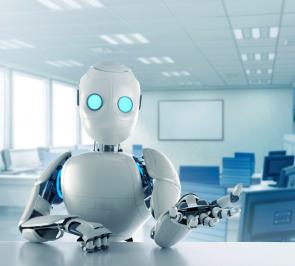
התחום הכי מתאים ל...מי שרוצה להבין איך עובדים לוויינים, טלפונים סלולריים, מנועים חשמליים, טלוויזיות, מחשבים אישיים וכל שאר מכשירי החשמל שהופכים את חיי היומיום שלנו לנוחים ומודרניים. מי שרוצה לקחת חלק בפיתוח טכנולוגיות העתיד כגון iPhone10 או הבינה המלאכותית שתשפר את חיי האנושות בעשורים הבאים. אם יש לכם יכולת הסתגלות לקצב המהיר והמתמיד של שינויים וחידושים טכנולוגיים - זה התחום בשבילכם.
מזמינים אתכם ואתכן להצטרף אלינו, למקום בו ממציאים את המהפכה הבאה
פרטים נוספים והרשמה