במסגרת הקורס 'תכן הנדסי מבוא ושיטות', בפקולטה להנדסה והתוכנית מתחברים פלוס, סטודנטים.יות להנדסה ביו-רפואית, התמודדו עם אתגרים טכנולוגיים שונים במטרה להקל על הטיפול והשיקום של מטופלים מבית החולים השיקומי "רעות". בנוסף, הפיתוחים סייעו לצוות הרפואי להתמודד עם אתגרים תפעוליים ובטיחותיים עבור המטופלים שלהם, החל מפרויקט לשכלול מערכת ניוד החולים בבית החולים, לפיתוח מכשירים להסמכה של נוזלים, פיתוח אביזרי כושר חדשים למשוקמים ועד פיתוח מערכת לייעול לו"ז הטיפולים במחלקות.
התכנית מתחברים פלוס היא תכנית אקדמית המחברת בין צרכים חברתיים וסביבתיים ובין ידע הנחקר ונצבר באקדמיה. התכנית מקדמת למידה חדשנית תוך יצירת חיבורים רלוונטיים בין עשרות ארגונים ללא מטרת רווח ובין חוקרים, שמובילים קורסים אקדמיים משלבי עשיה חברתית.
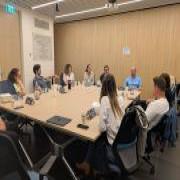
את הפיתוחים השונים הציגו החודש הסטודנטים באירוע חגיגי, בסמוך למעבדת הפרויקטים של דני ברקו, בנוכחות דקאן הפקולטה להנדסה, פרופ' יוסי רוזנוקס, מנהלי המחלקות השונות בפקולטה, מנהלת היחידה למעורבות חברתית בדקאנט הסטודנטים, רחלי ורשבסקי, מנהלת בית החולים השיקומי רעות ת"א, ד"ר אורית שטיין רייזנר, ראש תחום פיתוח במכון רעות למחקר ופיתוח, מיכאל בריק ואורחים נוספים.
לדברי פרופ' רחלי דנקנר, מנהלת מכון רעות למחקר ופיתוח: "אנו רואים בהוראת סטודנטים ובשיתוף הפעולה האקדמי הזדמנות מצוינת לחשוף את המורכבות והצרכים הייחודיים של החולים בפני הדור העתיד ושמחים וגאים לקחת חלק בתוכנית מתחברים פלוס. ביה"ח השיקומי רעות כבר מיומן בשיתופי פעולה עם האקדמיה, ואנו שותפים לפרויקטים טכנולוגיים רבים ופתוחים לשיתופי פעולה נוספים עם האקדמיה והתעשייה".
פרופ' רן גלעד בכרך, מהמחלקה להנדסה ביו-רפואית והמלווה האקדמי של הקורס אמר כי: "שיתוף הפעולה עם בית חולים שיקומי רעות ת"א נותן לנו אפשרות ללמד את מהנדסות ומהנדסי העתיד בתחום הביו רפואי על פיתוח מוצרים בתחומים אלו. במסגרת הקורס, שהועבר על ידי דני ברקו וצוות המנחים גילי בריקס, חנן הורביץ וחיה בן-יהודה דלבן, התלמידים שילבו למידה עיונית עם עבודת צוות, מפגש עם בעלי העניין, התנסות מעשית ועשייה חברתית. אנחנו מודים לצוות של בית חולים שיקומי רעות ת"א על שיתוף הפעולה המשמעותי הזה שאפשר למידה משמעותית וחווייתית."
הפרויקטים
בול בזמן
הצוות נדרש למצוא דרך להבטיח שמטופלים יגיעו בזמן שנקבע להם לטיפולים שונים (פיזיותרפיה, ריפוי בעיסוק וכדומה...) ויעודכנו בשינויים בלו"ז בזמן אמת, ובד בבד - לאפשר להם תנועה חופשית ברחבי בית החולים השיקומי. הצוות בנה אפליקציה שמרכזת את זמני הטיפול ונתוני המטופלים ומאפשרת עדכון בזמן אמת והצגת המידע על מסך במחלקה הרלוונטית.
הפרויקט בוצע בהנחיית: חיה בן יהודה
איש הקשר מבית החולים רעות: המנהל אדמיניסטרטיבי, עודד קורן
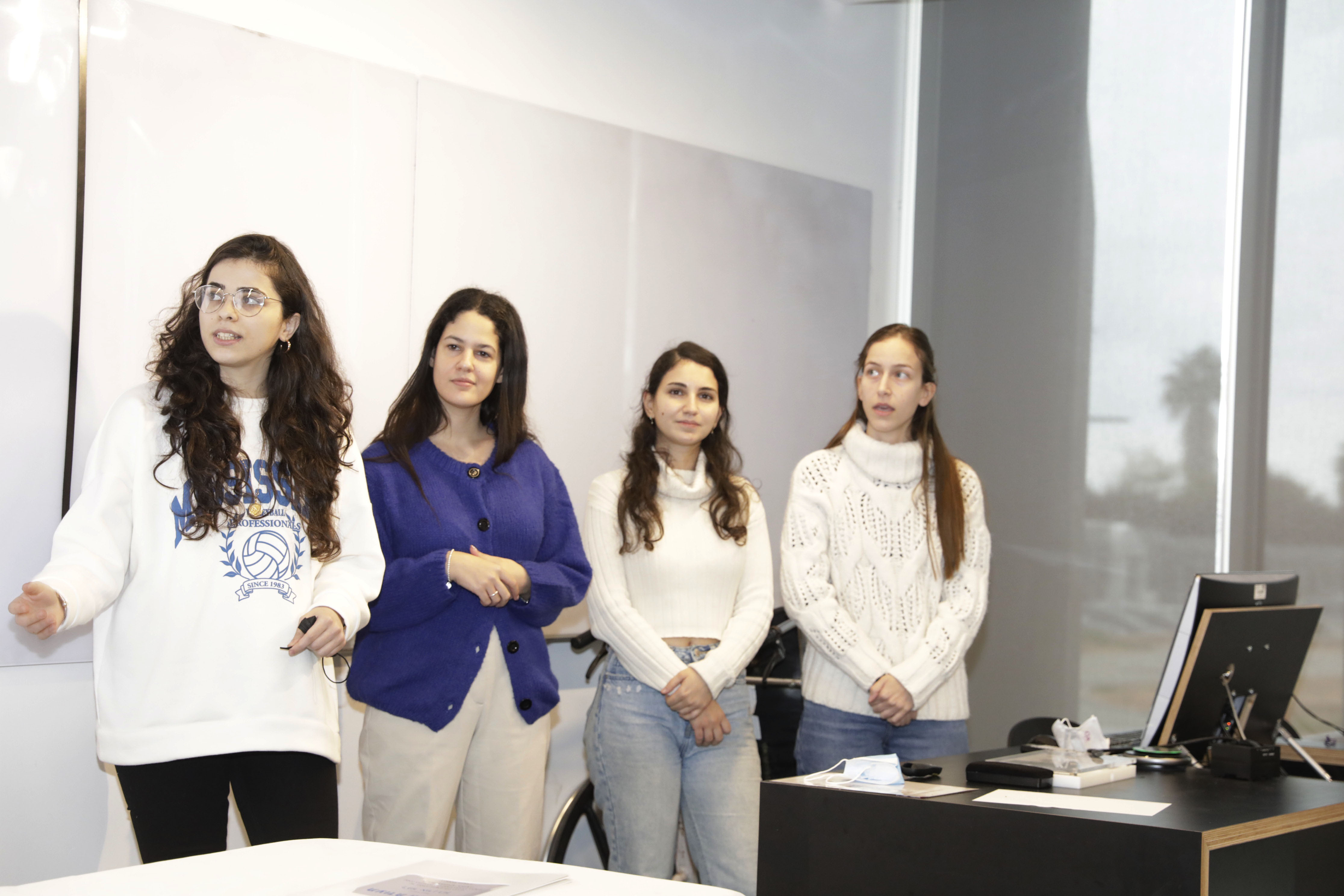
בתמונה מימין לשמאל: עדן טל , ענבל פאור , יערה קוריאל , ג'מילה אסלי
נשימה ארוכה
מטרת הפרויקט היא לאפשר למטופלים, הזקוקים לחיבור לבלון חמצן, ניידות בעזרת כיסא גלגלים ברחבי בית החולים השיקומי באופן בטוח. הצוות שיפר את בטיחות המתקן המשמש להצמדת בלון חמצן לכיסא הגלגלים, ע"י הוספת גלגלי עזר לכיסא וריתוך חבק למתקן הנשיאה של הבלון.
הפרויקט בוצע בהנחיית: חנן הורביץ
איש הקשר מבית החולים רעות: המנהל אדמיניסטרטיבי, עודד קורן
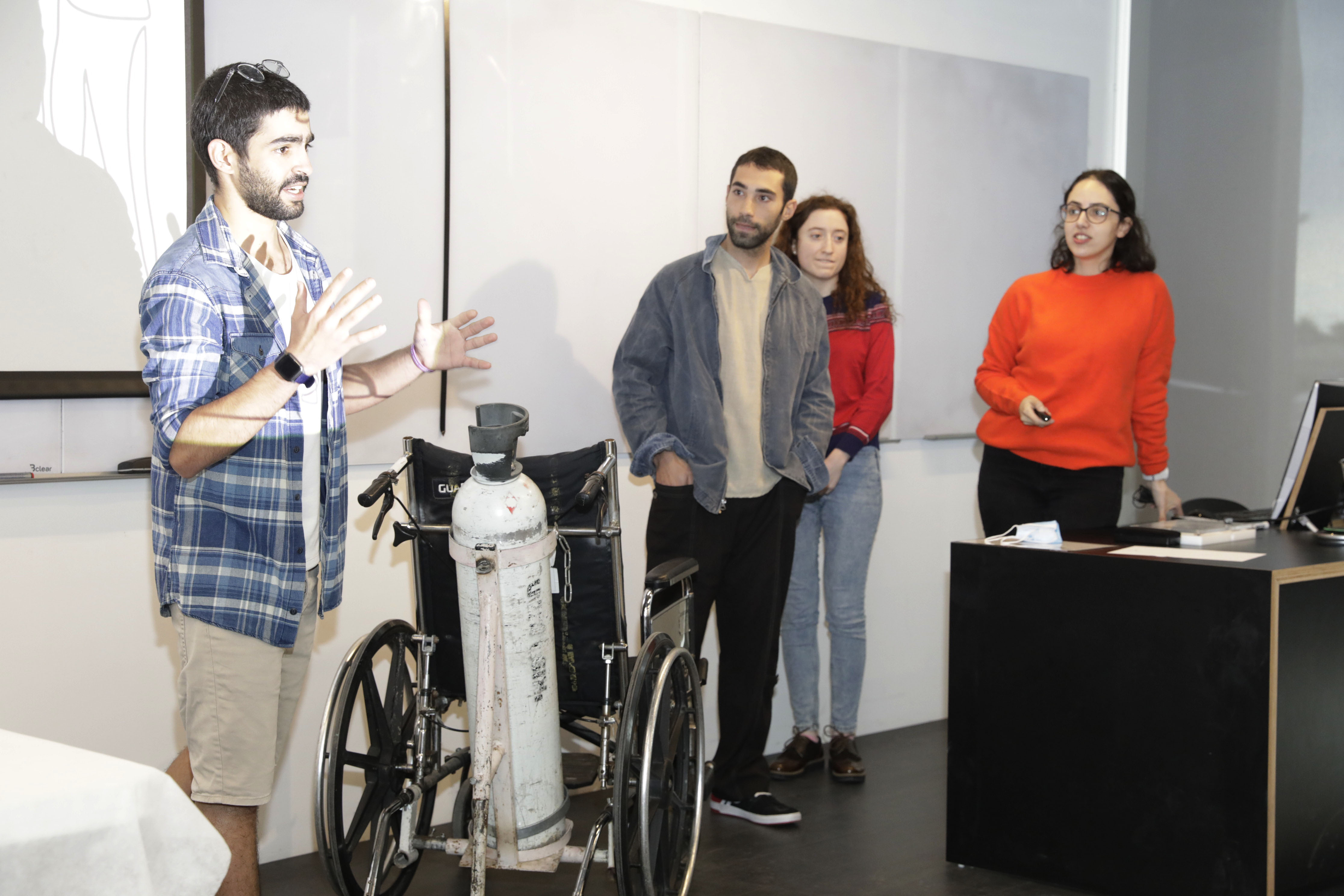
ימין לשמאל: דפנה דור, עדן קזקביץ, שגיא יאבו ודוד פלד
ללכת על בטוח
בפרויקט זה אפשרו למשתקם המשתמש בקביים (או בקב אחד) שיצא לאשפוז יום (חי בביתו), ולפיזיותרפיסט המטפל בו, להעריך את התקדמות תהליך השיקום. עם התקדמות הטיפול צפויה הפחתה בעומס על הקביים והעלאת העומס על הרגליים לכן היה צורך לעקוב אחרי זה, לאסוף את הנתונים ולהציג אותם למטפל. המוצר מודד לחץ על ידית הקב, ושומר את הנתונים הנאספים בין ביקורים אצל הרופא. הנתונים מוצגים למטפל, בזמן הביקורים לאורך תהליך השיקום.
הפרויקט בוצע בהנחיית: חנן הורביץ.
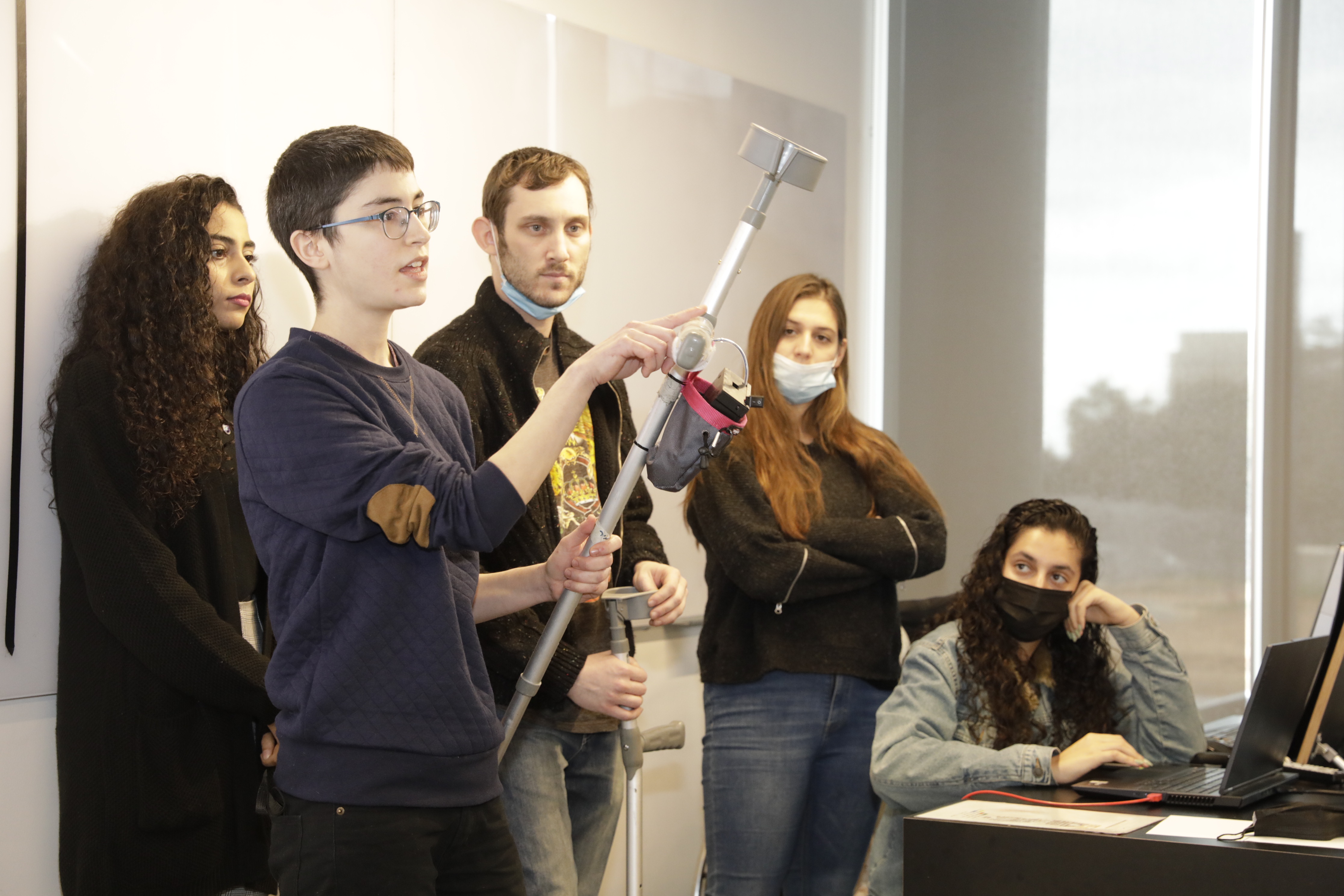
מימין לשמאל: ליאה מור יוסף, נועה ריס, אלון ויינברג, נעם ארז נעמן, הייא כיאל
פיזי באיזי
מטרת הפרויקט הייתה לתת למשתקם, המבצע תרגילי העמסת משקל (על הרגליים ועל הידיים) אינדיקציה בזמן אמת לכך שהוא מבצע את התרגילים נכון. המשתקמים מבצעים את התרגילים בבית החולים השיקומי לעתים בנוכחות הפיזיותרפיסט ולעתים ללא נוכחותו. בנוסף, הסטודנטים רצו לאפשר לפיזיותרפיסט להעריך באופן אובייקטיבי את אופן ביצוע תרגילי העמסת המשקל ע"י ניתוח הנתונים אשר נאספים במוצר שבנינו.
הפרויקט בוצע בהנחיית: חנן הורביץ.
אשת הקשר מבית החולים רעות: מנהלת היחידה לפיזיותרפיה, נעמה קשת
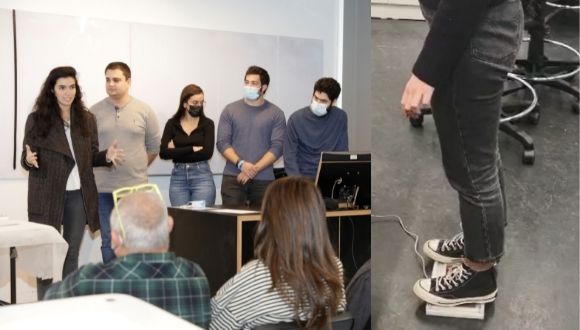
מימין לשמאל: אקסל רוסיי, קאי גרוניק, סתיו דוד, אריה גלוטין, שי חזן מימון (צוות הפרויקט כולל גם את דרין סעב שעלתה לאירוע בזום)
ארוחה ערוכה
הסטודנטים נדרשו למצוא פתרון ולפתח מוצר לקושי קיים בהכנת אוכל למטופלים הסובלים מקשיי בליעה. הכנת אוכל במוסדות רפואיים נעשית על ידי אנשי צוות בכמויות גדולות, ולכן יש קושי בהכנתו למטופלים אלו ברמת ההסמכה המתאימה להם בצורה מדויקת וזריזה. רמות ההסמכה נקבעות על ידי IDDSI .IDDSI הוא סטנדרט בין לאומי לקביעת רמת סמיכות המזון הנוזלי. המערכת שפיתחו הסטודנטים מורכבת מחיישן משקל, מיכל אבקה, משפך ושבשבת. הכלי עם הנוזל מוצב מתחת למשפך, החיישן שוקל את הכלי, ולאחר בחירה בין קערה לכוס ובחירת רמת הסמיכות הרצויה - מחושבת כמות האבקה המתאימה ומשתחררת אל הכלי. מינון האבקה נקבע על ידי התוכנה, ולאחר סיום הפעולה ניתן לקחת את הכלי לערבב ולהגיש למטופל.
הפרויקט בוצע בהנחיית: חיה בן יהודה ודני ברקו.
אשת הקשר מבית החולים רעות: מנהלת היחידה לתזונה ודיאטה, מיכל גרשוני קייט
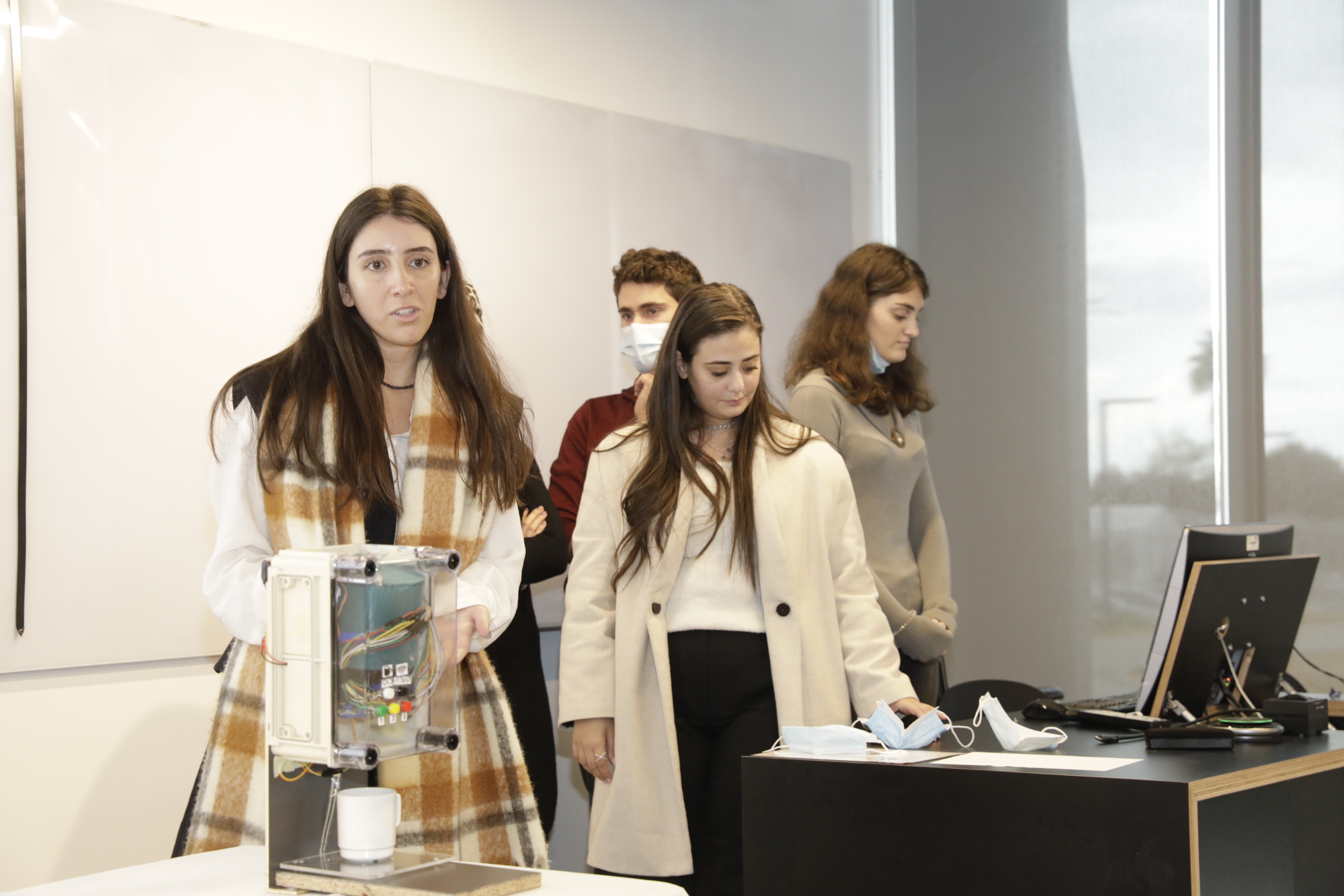
מימין לשמאל: רגינה אובוכוב ,אליס מורקוס, רון מונטריאנו, יובל שליבובסקי
We Gett you
מטרת הפרויקט הייתה צמצום מקרי האיחורים של המטופלים המאושפזים בבית החולים השיקומי לטיפוליהם. איחורים כאלה גורמים לסדרת עיכובים בתורים ולבזבוז משאבים. מטרת הפרויקט הייתה לאתר באיזה אזור ברחבי המרכז הרפואי נמצאים מטופלים. מיקום המטופל צריך להתקבל במוקד מרכזי, כדי שיוכל לאפשר למתנדבים להגיע למטופלים בזמן. שיתוף פעולה עם חברת 8TEC מאפשר ניטור מיקומם של המאושפזים ברחבי בית החולים השיקומי באופן שוטף במינימום מאמץ. הסטודנטים אפיינו והתאימו את התוכנה שלהם לצרכי בית החולים והריצו פיילוט מוצלח ברעות. נעשה שימוש בקוראי תגים (Readers) מבוססי תדרי בלוטוס שהוצבו במחלקה, ובצמידי סיליקון עמידים במים האורזים את התגים, אשר יענדו על ידי המאושפזים ויאותרו באופן פאסיבי על ידי קוראי התגים. בנוסף, הותאמה אפליקציה נגישה ונוחה שתאפשר מעקב אחר מיקומם של כלל המטופלים ברחבי בית החולים.
הפרויקט בוצע בהנחיית: חיה בן יהודה
איש הקשר מבית החולים רעות: המנהל אדמיניסטרטיבי, עודד קורן
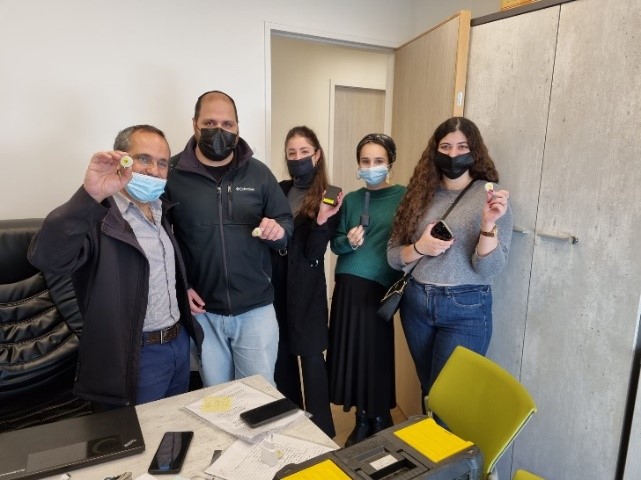
מימין לשמאל: חן שנהב, אמה זגורי, שני עוז, שי דלקיאן, חזי ניסתאני
בואו לאכול איתי
הסטודנטים רצו להבטיח שכל מטופל הסובל מקשיי בליעה, יקבל את מזונו הנוזלי (מים, תה, קפה, חלב, מיץ, מרק וכו'...) במידת סמיכות מדויקת ואחידה, הנכונה לו בכל שלב בטיפול (הסמיכות מושפעת מכמות הנוזל, כמות החומר המסמיך, מטמפרטורת ההכנה וממשך הזמן בין הכנת המזון לבין הארוחה), וחיפשו פתרון להכנת המזון באופן עצמאי ע"י מטופל שחי בבית. הצוות תכנן ויצר כלי חדש שמאפשר מדידה של סמיכות הנוזל אותו רוצים לבלוע. המדידה נעשית ע"י טבילת הכלי בתמיסה, סיבוב של מנגנון מכני שחוסם קדח בכלי ומדידת זמן ע"י שעון עצר שמורכב על הכלי.
הפרויקט בוצע בהנחיית: חיה בן יהודה. תודות לניב נפתלי מהנדסה מכנית על העזרה.
אשת הקשר מבית החולים רעות: מנהלת היחידה לתזונה ודיאטה, מיכל גרשוני קייט
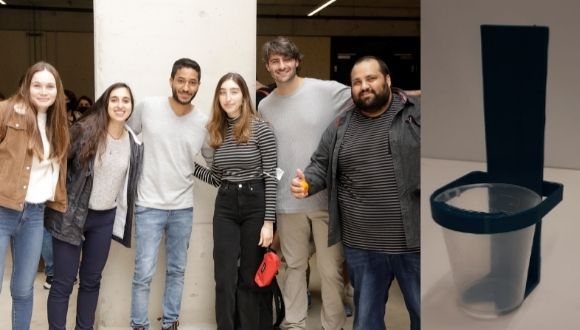
מימין לשמאל: יהב מסורי, נעם קירס, עמית דהן, ניב נפתלי ,שירה קרופט, עמית סער
הקליקו לתמונות נוספות מהאירוע