"לא נכשלתי, פשוט מצאתי 10,000 דרכים שבהן זה לא עובד" תומאס אדיסון

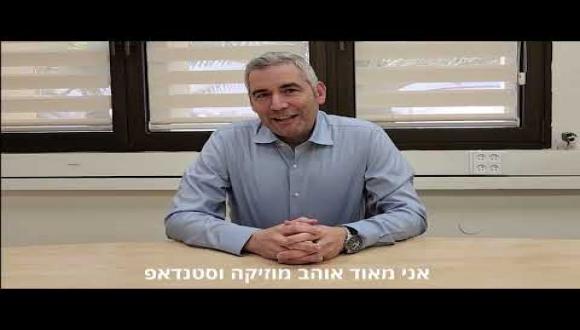
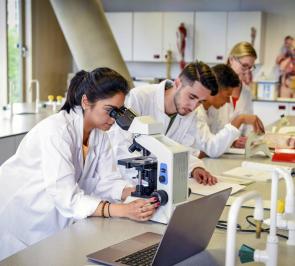
למה בעצם ללמוד הנדסת חשמל? פרופ' ערן סוחר - ראש בית הספר להנדסת חשמל מסביר

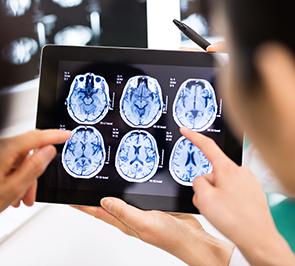
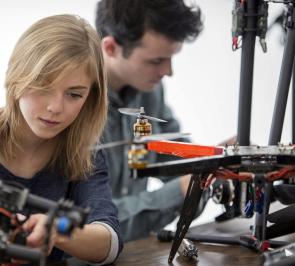
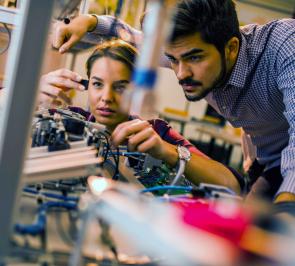
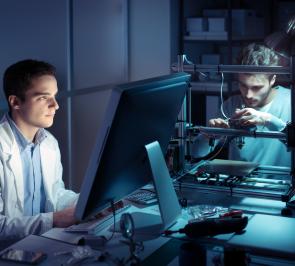
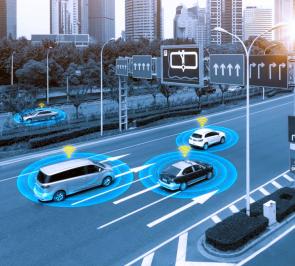
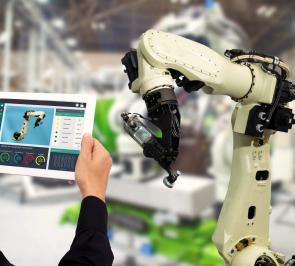
אי פעם עצרת לחשוב איך נראו החיים לפני החשמל? לפני החשמל הכול נעשה פיזית, עם הידיים, או לכל היותר עם כלים מכניים מסורבלים. אלא שאז לפני 200 שנה גילו את החשמל, ויחד איתו את הגלים האלקטרומגנטיים, והחיים השתנו דרמטית: פתאום היה אפשר לעשות הכול, רחוק יותר, מהר יותר, חזק יותר, טוב יותר, יעיל יותר ואפילו זול יותר. חשמל הוא הנורה בתקרה והרחפן בשמיים, הטוסטר אובן והרכב האוטונומי, הרמקולים וסירי, הטלפון החכם וההדמיה הרפואית, התקשורת והמחשבים והאינטרנט. וזה הרגע שלך ליצור את הדבר הבא באמצעות הכוח המטורף, חסר המעצורים, שהאנושות רק מתחילה להבין את הפוטנציאל שלו.


למה אצלנו?...קודם כל כי אנחנו באוניברסיטת תל אביב, שהיא בין האוניברסיטאות המובילות בעולם שגם יושבת בלב עמק הסיליקון הישראלי, מוקפת במאות חברות וסטארטאפים. ומה החברות האלה רוצות? הן רוצות אותך. הן משוועות להכשרה שאפשר לקבל אצלנו – והשכר בהתאם לביקוש. אבל הקשר שלנו עם התעשייה הוא דו-סטרי: היא נכנסת לתוך בית הספר, מנחה פרויקטים, יוזמת יוזמות ומשתפת פעולה איתך עוד במהלך התואר.


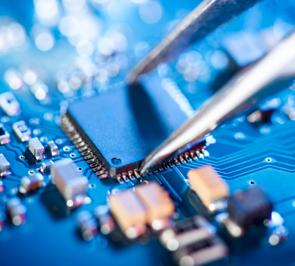
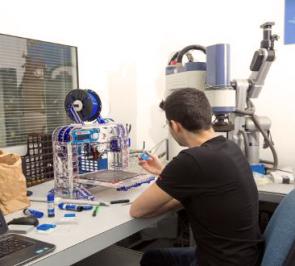
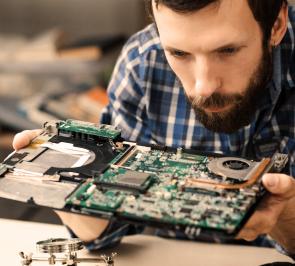
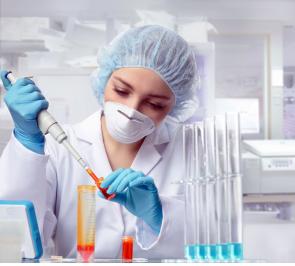
מה אפשר לעשות עם זה ואיפה עובדים אחרי זה?...הנדסת חשמל זה כנראה התואר הכי מגוון שקיים. הוא מכסה קשת רחבה של נושאים, מדברים שנוגעים בפיזיקה ועד דברים שנוגעים במחשבים. ובשוק תעסוקה טרנדי ולא-יציב, תמיד תהיה עבודה בהנדסת חשמל. עם תואר בהנדסת חשמל אפשר לעסוק בתכנות, במעבדות בתחום, לעסוק בניסויים בשטח, להמציא פטנטים ולהקים סטארטאפים. לדוגמא, מהנדסי ומהנדסות אלקטרוניקה מתכננים מעגלים ומערכות, כותבים תוכנה - בעיקר למעבדים זעירים ולרכיבים אלקטרונים שניתנים לתכנות - מפתחים אלגוריתמים לביצוע פעולות שונות, ועוד. ניתן להשתלב בעבודה במגוון תעשיות היי-טק אזרחיות ובטחוניות בתחומי האלקטרוניקה, התקשורת והמחשבים וכן בתעשיות מסורתיות, במוסדות ממשלתיים ומכוני מחקר. מהנדסי ומהנדסות חשמל מועסקים גם במתקנים המפיקים חשמל ואנרגיה כמו תחנות כח ומתקנים של חברת החשמל. ניתן לעבוד גם במשרדים פרטיים לייעוץ הנדסי וכמובן להפוך ליזמים בעמצכם/ן. 


איך אפשר ללמוד את זה?...התואר בפקולטה להנדסה אורך ארבע שנים. בהתחלת התואר יש את קורסי התשתית – למשל מתמטיקה, פיזיקה ותיכנות. אחר כך יש קורסי ליבה, ביניהם: אותות ומערכות, נתונים ואלגוריתמים, עולם האלקטרוניקה וגלים אלקטרומגנטיים. מכאן ממשיכים אל מסלולי ההתמחות. כל סטודנטית וסטודנט צריכים לבחור שלושה מבין תשעה מסלולים: תקשורת, עיבוד אותות (כולל למידה חישובית), בקרה ורובוטיקה, מחשבים, התקנים אלקטרוניים, קרינה וגלים, אלקטרו-אופטיקה, אנרגיה וביו-הנדסה/חומרים. ובסוף-בסוף – פרויקט סיום התואר. זאת ההזדמנות לקחת בעיה ולבנות מערכת שתפתור אותה, מההתחלה ועד הסוף.


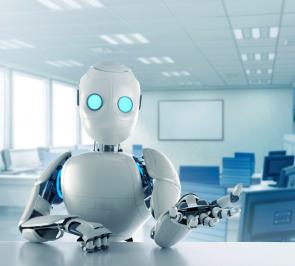
התחום הכי מתאים ל...מי שרוצה להבין איך עובדים לוויינים, טלפונים סלולריים, מנועים חשמליים, טלוויזיות, מחשבים אישיים וכל שאר מכשירי החשמל שהופכים את חיי היומיום שלנו לנוחים ומודרניים. מי שרוצה לקחת חלק בפיתוח טכנולוגיות העתיד כגון iPhone10 או הבינה המלאכותית שתשפר את חיי האנושות בעשורים הבאים. אם יש לכם יכולת הסתגלות לקצב המהיר והמתמיד של שינויים וחידושים טכנולוגיים - זה התחום בשבילכם. 


מזמינים אתכם ואתכן להצטרף אלינו, למקום בו ממציאים את המהפכה הבאה


פרטים נוספים והרשמה

הצגה מקרוב של טכנולוגיית המחר

21 דצמבר 2017
Huawei
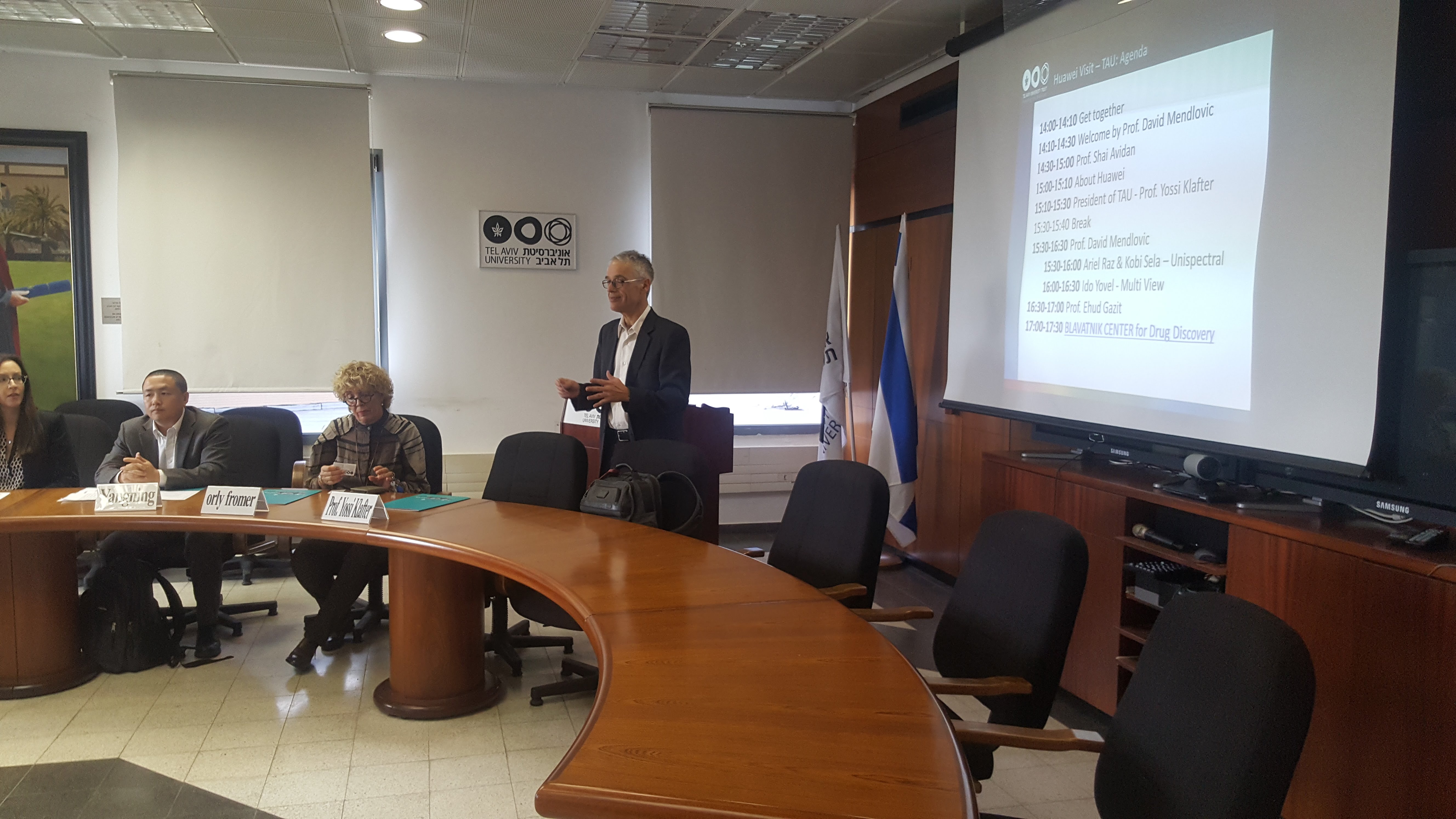
מימין לשמאל: איציק מלובני (נשיא Huawei ישראל), פרופ' מנדלוביץ (יו"ר IAPׂ), פרופ' קלפטר (נשיא אוניברסיטת ת"א), אריק שו (מנכ"ל שותף Huawei), ג'ואו הונג (נשיא ERIׂ)

חברת Huawei ואקדמיה

חברת Huawei היא מהבולטות מחברות הענק הסיניות ומובילה בעולמות התקשורת והמכשירים הניידים. החברה מתמקדת בחיפוש שיתופי פעולה בישראל בכדי למנף את החדשנות והיצירתיות של המהנדסים הישראליים לצרכי החברה. בין היתר, נבדקות אפשרויות של שיתופי פעולה עם האקדמיה בישראל. מטבע הדברים, אוניברסיטת תל אביב מהווה יעד ראשון למאמץ זה.

במסגרת ביקור קצר של מנכ"ל משותף של החברה, אריק שו ואיציק מלובני, נשיא Huawei ישראל, התבקשנו לארח את משלחת של החברה ולהציג בפניהם מספר פרויקטים נבחרים שפותחו בפקולטה להנדסה. פרוייקטים אלו העניקו לאורח מבט על החדשנות הפוטנציאלית במוסד שלנו. הכוונה היא למצוא מנועים עתידיים ליישום השת"פ כגון מחקר ממומן, מלגות, מרכזי מחקר ומעבדות ייעודיות.


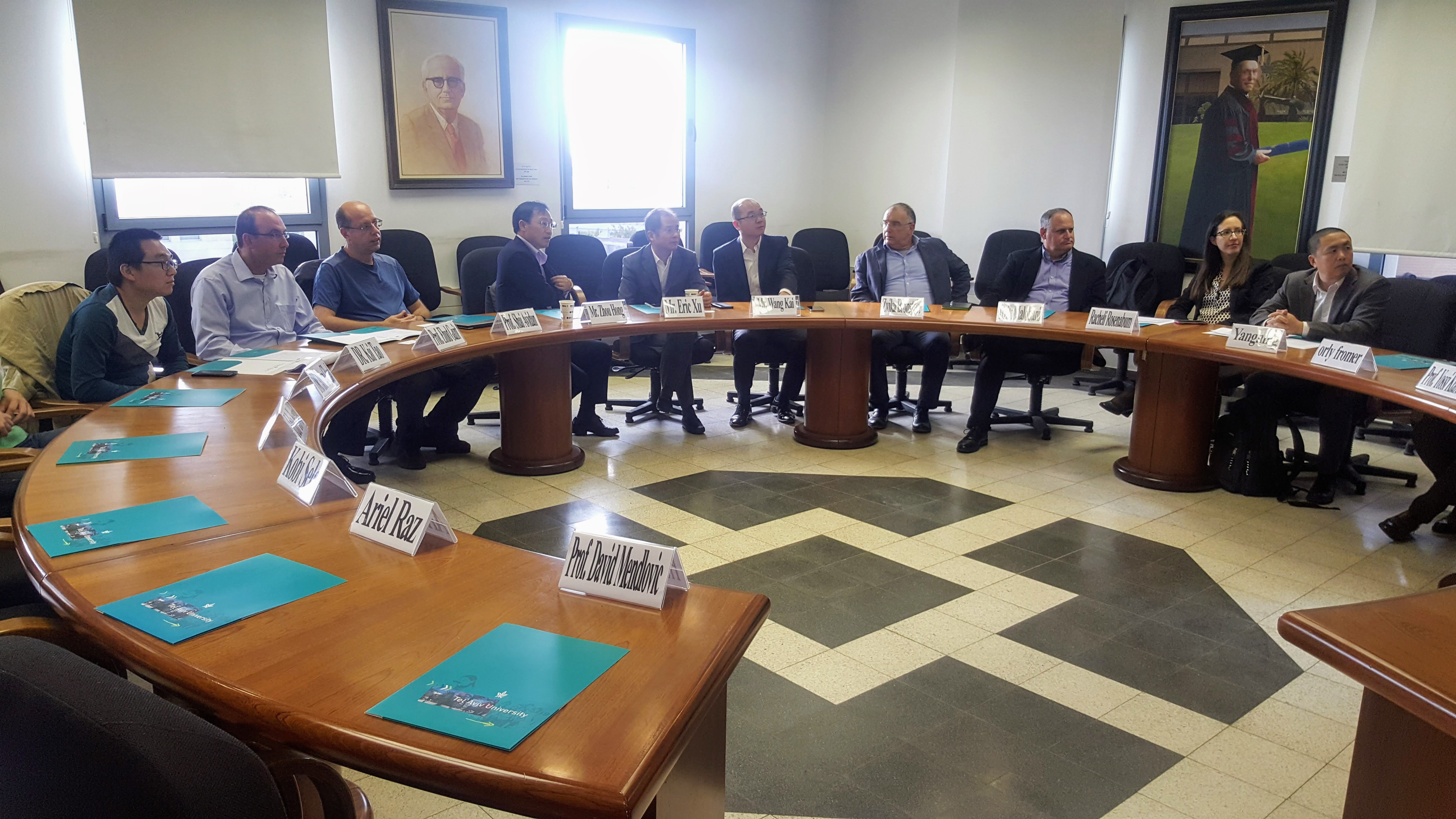
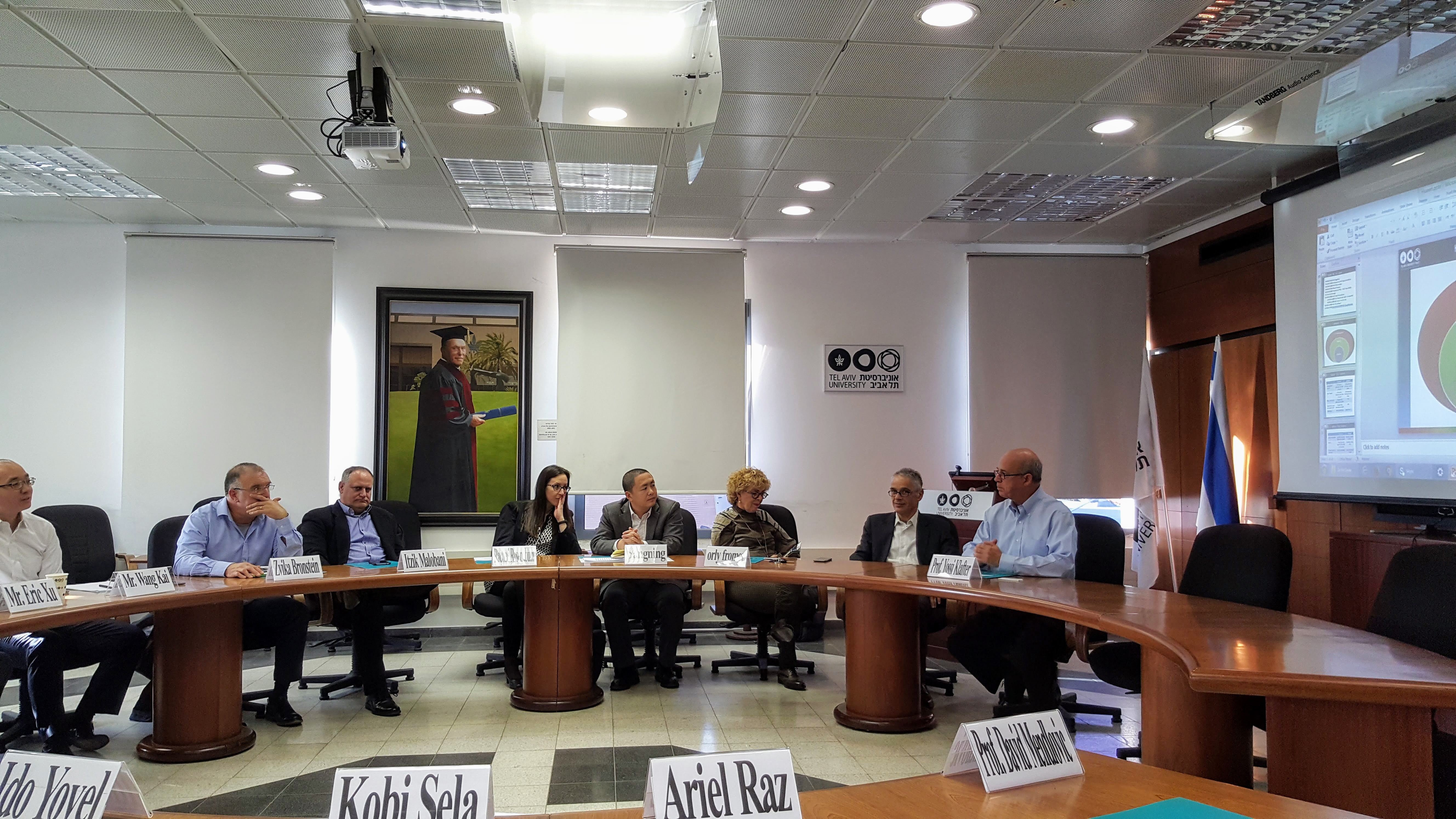
שולחן עגול

הביקור אורגן ע"י צוות IAP של הפקולטה להנדסה באוניברסיטת ת"א. הביקור כלל פגישה עם נשיא האוניברסיטה פרופ' קלפטר, הרצאות של חוקרים שנבחרו ע"י הנהלת Huawei כגון פרופ' שי אבידן אשר למד אותנו על החדשנות האחרונה ב Machine Vision, פרופ' אהוד גזית מומחה לננו-טכנולוגיה ומהרכז החדש לגילוי תרופות ע"ש בלווטניק אשר דבר על חומרים חכמים מבוססי חלקיקים ננומטרים. כמו כן מנכ"ל יוניספקטרל, קובי סלע, הציג את פרוייקט הדגל של החברה "מצלמה היפר-ספקטרלית" שפותחה בפקולטה להנדסה. פרופ' דוד מנדלוביץ, יו"ר ארגון ה IAP הציג את פרויקט מומנטום multi view המפתח מצלמה חדשנית לאימות (Authentication), שאף היא פותחה בפקולטה להנדסה. בנוסף התקיים דיון פתוח בין נשיא האוניברסיטה לבין המנכ"ל אריק שו האופן שנוכל להמשיך ולשתף פעולה.


חדשנות ויזמות

"ביקור זה משתלב במאמצים הגדלים של תעשיית ההי טק העולמית לשתף פעולה עם אוניברסיטת תל אביב. החברות מזהות את החדשנות הרבה הנוצרת באוניברסיטה שלנו, את הפרויקטים התכליתיים שרבים מהם הולידו פריצות דרך מסחריות, את רוח היזמות הידועה של התלמידים והבוגרים שלנו ואת הגישה שחיובית לקידום שיתופי פעולה מסוג זה". כך מסכם פרופ' מנדלוביץ, ממציא ויזם בפני עצמו וחבר סגל בכיר בפקולטה להנדסה את הביקור.

פרופ' דוד מנדלוביץ

סמינר המחלקה להנדסה ביו רפואית -הרצאת אורח של פרופ' ראמי חג'-עלי

31 בדצמבר 2017, 14:00 
 
סמינר המחלקה להנדסה ביו רפואית -הרצאת אורח של פרופ' ראמי חג'-עלי

Nonlinear and Large Deformation Formulations of the Parametric HFGMC Micromechanics for Soft and Hard Tissues
Rami Haj-Ali
The Nathan Cummings Chair in Mechanics
Faculty of Engineering, Tel-Aviv University, Israel, rami98@tau.ac.il

The parametric high fidelity generalized method of cells (HFGMC) micromechanical framework is presented for the three-dimensional (3D) modeling of multi-phase heterogeneous materials.   Nonlinear and strain-softening constitutive modeling along with large deformation formulations will be discussed and shown to be effective in simulating both damage in aerospace composites and mechanical behavior of soft or hard tissues.  In the framework of HFGMC, the multi-phase heterogeneous composite (e.g. tissue) is assumed to possess a periodic microstructure.  The detailed interactions between the constituents are explicitly accounted for. For the case of multiphase soft tissue, the constituents are considered to be hyperelastic, and the overall behavior of the composite tissue is established along with the field distributions within the constituents. For hard bone tissue, the HFGMC-based multiscale micromechanical model is employed for predicting the overall effective and damage mechanical behavior of vertebral trabecular bones (VTBs). Thus, the hierarchical VTB micromodeling is composed of three-levels: two 3D-HFGMC analyses as well as the 3D-sublaminate-model.  At the nano-scale level, the 3D-HFGMC method is applied to obtain the effective properties representing the mineral collagen fibrils composite. Next, at the sub-micron scale level, the 3D sublaminate-model is used to generate the effective properties of a repeated stack of multi-layered lamellae demonstrating the nature of the trabeculae (bone-wall). Thirdly, at the micron-scale level, the 3D-HFGMC method is used again on a representative unit-cell of the highly porous VTB microstructure. The soft HFGMC tissue model is calibrated using available experimental data of artery layers.  The results from this model are also compared to the well-known anisotropic constitutive model proposed by Holzapfel and coworkers.  Similarly, the hard-tissue HFGMC model is applied for VTB microstructures taken from micro-computed tomography (μCT) scans. The predicted overall anisotropic properties for native VTBs are examined and compared with reported values of moduli found in the literature.  In conclusion, the HFGMC is shown to be an effective and viable micromechanical modeling approach for a wide range of soft and hard tissues.

Bio-Sketch

Rami Haj-Ali is the Nathan Cummings Professor of Mechanics at Tel-Aviv University.  He received his BSc-ME from the Technion, MSc from Tel-Aviv University (TAU), and Ph.D. from the University of Illinois at Urbana-Champaign (UIUC) in 1996.  He was an Assistant, Associate and Full Professor at Georgia Institute of Technology (Georgia Tech) from 1997-2010 and from 2008-current as a Full Professor in Mechanical Engineering at Tel-Aviv University.  Dr. Haj-Ali has published over 150 research papers and technical reports, and over 75 refereed archival publications. His research interests include: Nonlinear and damage modeling of composite materials and structures, Micromechanics, Computational Mechanics, Bio-materials, and Biomechanics of Aortic Valves (AVs). His research attracted support from several competitive and industrial sponsors, including the US National Science Foundation (NSF), Israel Ministry of Science (MOST), German-Israel Foundation (GIF), European Union (EU-FP7), NASA, Lockheed Martin, Rafael, IMI, Edwards Lifesciences Co., among others. He has won numerous awards, including the Chester P. Siess Award for outstanding PhD and research, University of Illinois at Urbana-Champaign (1997), the National Science Foundation (NSF-USA) CAREER award (1999), the Maof Fellow from PBC-Kahanoff Foundation (2008) and the Marie Curie Fellow from the EU-IRG-FP7 (2009), and the Nathan Cummings Endowed Chair of Mechanics at TAU (2016).


ההרצאה תתקיים ביום ראשון 31.12.17, בשעה 14:00
בחדר 315, הבניין הרב תחומי, אוניברסיטת תל אביב

יחידות אקדמיות

בתי ספר ומחלקות
הנדסה ביו-רפואית הנדסה ביו-רפואית הנדסה ביו-רפואית תואר ראשון, תארים מתקדמים, תוכניות רב-תחומיות ומיוחדות
הנדסת מכנית הנדסה מכנית הנדסה מכנית תואר ראשון, תארים מתקדמים, תוכניות רב-תחומיות ומיוחדות
הנדסת חשמל הנדסת חשמל תואר ראשון, תארים מתקדמים, תוכניות רב-תחומיות ומיוחדות
הנדסת תעשייה הנדסת תעשייה הנדסת תעשייה תואר ראשון, תארים מתקדמים, תוכניות רב-תחומיות ומיוחדות
מדע והנדסה של חומרים מדע והנדסה של חומרים מדע והנדסה של חומרים תואר ראשון, תארים מתקדמים, תוכניות רב-תחומיות ומיוחדות
תוכניות לימוד
הנדסה ביו-רפואית הנדסה ביו-רפואית תואר ראשון
הנדסה ביו-רפואית תואר שני הנדסה ביו-רפואית תואר שני הנדסה ביו-רפואית תארים מתקדמים
הנדסה ורוח הנדסה ורוח תוכניות רב-תחומיות ומיוחדות תואר ראשון, תוכניות רב-תחומיות ומיוחדות
הנדסה מכנית הנדסה מכנית הנדסה מכנית תואר ראשון
הנדסה מכנית - תואר שני הנדסה מכנית - תואר שני הנדסה מכנית תארים מתקדמים
הנדסה מכנית וחטיבה בביומכניקה הנדסה מכנית וחטיבה בביומכניקה הנדסה מכנית תואר ראשון
הנדסה מכנית ומדעי כדור הארץ עם הדגש בלימודי סביבה הנדסה מכנית ומדעי כדור הארץ עם הדגש בלימודי סביבה הנדסה מכנית תואר ראשון, תוכניות רב-תחומיות ומיוחדות
הנדסת חשמל הנדסת חשמל הנדסת חשמל תואר ראשון
הנדסת חשמל  - תואר שני הנדסת חשמל - תואר שני הנדסת חשמל תארים מתקדמים
הנדסת חשמל ומדעי המחשב הנדסת חשמל ומדעי המחשב הנדסת חשמל תואר ראשון, תוכניות רב-תחומיות ומיוחדות
הנדסת חשמל ופיזיקה (תואר משולב) הנדסת חשמל ופיזיקה תואר משולב הנדסת חשמל תואר ראשון, תוכניות רב-תחומיות ומיוחדות
הנדסת מערכות תואר שני הנדסת מערכות תואר שני הנדסה מכנית תארים מתקדמים
הנדסת סביבה - תואר שני הנדסת סביבה - תואר שני הנדסה מכנית תארים מתקדמים
הנדסת תעשייה וניהול הנדסת תעשייה וניהול הנדסת תעשייה תואר ראשון
הנדסת תעשייה וניהול -תארים מתקדמים הנדסת תעשייה וניהול -תארים מתקדמים הנדסת תעשייה תארים מתקדמים
מדע והנדסת חומרים - חד חוגי מדע והנדסה של חומרים - חד חוגי מדע והנדסה של חומרים תואר ראשון
מדע והנדסת חומרים - תואר שני מדע והנדסה של חומרים - תואר שני מדע והנדסה של חומרים תארים מתקדמים
מדע והנדסת חומרים וכימיה - תואר כפול מדע והנדסה של חומרים וכימיה - תואר כפול מדע והנדסה של חומרים תואר ראשון, תוכניות רב-תחומיות ומיוחדות
מדעי הנתונים מדעי הנתונים- ביה"ס למדעי המתמטיקה הנדסת תעשייה תואר ראשון
מדעים דיגיטליים להיי-טק מדעים דיגיטליים להיי-טק תוכניות רב-תחומיות ומיוחדות תואר ראשון, תוכניות רב-תחומיות ומיוחדות
תואר כפול בהנדסה ביו-רפואית וביולוגיה עם דגש במדעי המוח תואר כפול בהנדסה ביו-רפואית וביולוגיה עם דגש במדעי המוח הנדסה ביו-רפואית תואר ראשון, תוכניות רב-תחומיות ומיוחדות
תוכנית המצטיינים והמצטיינות תוכנית המצטיינים והמצטיינות תוכניות רב-תחומיות ומיוחדות תואר ראשון, תוכניות רב-תחומיות ומיוחדות

EE Seminar: Universal Loss and Gaussian Learning Bounds

25 בדצמבר 2017, 15:00 
חדר 011, בניין כיתות חשמל  

(The talk will be given in English)


Speaker:     Dr. Amichai Paisky
                   Massachusetts Institute of Technology


Monday, December 25th, 2017
15:00 - 16:00

Room 011, Kitot Bldg., Faculty of Engineering


Universal Loss and Gaussian Learning Bounds


Abstract

In this talk I address two fundamental predictive modeling problems: choosing a universal loss function, and how to approach non-linear learning problems with linear means.

A loss function quantifies the difference between the true values and the estimated fits, for a given instance of data. Different loss functions correspond to a variety of merits, and the choice of a "correct" loss could sometimes be questionable. Here, I show that for binary classification problems, the Bernoulli log-likelihood loss (log-loss) is universal with respect to practical alternatives. In other words, I show that by minimizing the log-loss we minimize an upper bound to any smooth, convex and unbiased binary loss function. This property justifies the broad use of log-loss in regression, in decision trees, as an InfoMax criterion (cross-entropy minimization) and in many other applications.

I then address a Gaussian representation problem which utilizes the log-loss. In this problem we look for an embedding of an arbitrary data which maximizes its "Gaussian part" while preserving the original dependence between the variables and the target. This embedding provides an efficient (and practical) representation as it allows us to consider the favorable properties of a Gaussian distribution. I introduce different methods and show that the optimal Gaussian embedding is governed by the non-linear canonical correlations of the data. This result provides a primary limit for our ability to Gaussianize arbitrary data-sets and solve complex problems by linear means.


Bio
Amichai Painsky is a Post-Doctoral Fellow, co-affiliated with the Israeli Center for Research Excellence in Algorithms (I-CORE ALGO) at the Hebrew University, and the Signals, Information and Algorithms (SIA) Laboratory at MIT. Amichai received his B.Sc. in Electrical Engineering from Tel Aviv University (2007), his M.Eng. in Electrical Engineering from Princeton University (2009) and his Ph.D. in Statistics from Tel Aviv University (2016). He is a recipient an outstanding Ph.D. students award from the school of Mathematical Sciences, the Weinstein Institute of Signal Processing and the Marejn Foundation. Previously, he received a Brain Return Ph.D. Scholarship from the Israeli Center for Returning Scientists.


EE Seminar: Dynamic graph matching and related problems

24 בדצמבר 2017, 15:00 
חדר 011, בניין כיתות חשמל  

(The talk will be given in English)


Speaker:     Dr. Shay Solomon
                   Computer Sciences Department, Ben Gurion University


Sunday, December 24th, 2017
15:00 - 16:00

Room 011, Kitot Bldg., Faculty of Engineering


Dynamic graph matching and related problems


Abstract

Graph matching is one of the most well-studied problems in combinatorial optimization, with applications ranging from scheduling and object recognition to numerical analysis and computational chemistry.
Nevertheless, until recently very little was unknown about this problem in real-life **dynamic networks**, which aim to model the constantly changing physical world.
In the first part of the talk we'll discuss our work on dynamic graph matching, and in the second part we'll highlight our work on a few related problems.


Bio
Shay Solomon is currently a Herman Goldstine Postdoctoral Fellow at IBM T. J. Watson Research Center.
Prior to joining IBM, he was a Rothschild and Fulbright Postdoctoral Fellow at Stanford University, hosted by Prof. Moses Charikar and Prof. Virginia Vassilevska Williams.
Solomon received a Ph.D. degree in Computer Science from the Ben-Gurion University under the guidance of Prof. Michael Elkin.
Solomon's Ph.D. dissertation investigates several longstanding graph compression problems, and has received numerous awards, including a best student paper award for his single-authored SODA'11 paper.
His postdoctoral work focuses on fundamental computational challenges that arise when dealing with dynamic networks.

EE Seminar: Overcoming Intractability in Learning

20 בדצמבר 2017, 15:00 
חדר 011, בניין כיתות-חשמל  

(The talk will be given in English)


Speaker:     Dr. Roi Livni
                   Department of Computer Science, Princeton University


Wednesday, December 20th, 2017
15:00 - 16:00

Room 011, Kitot Bldg., Faculty of Engineering


Overcoming Intractability in Learning

Abstract

Machine learning has recently been revolutionized by the introduction of Deep Neural Networks. However, from a theoretical viewpoint these methods are still poorly understood. Indeed the key challenge in Machine Learning today is to derive rigorous results for optimization and generalization in deep learning. In this talk I will present several tractable approaches to training neural networks. At the second part I will discuss a new sequential algorithm for decision making that can take into account metric structure in the action space and avoids erratic behavior which often makes MAB algorithm impractical.

I will present our work that provides some of the first positive results and yield new, provably efficient, and practical algorithms for training certain types of neural networks. In a second work I will present a new online algorithm that learns by sequentially sampling random networks and asymptotically converges, in performance, to the optimal network. Our approach improves on previous random features based learning in terms of sample/computational complexity, and expressiveness. In a more recent work we take a different perspective on this problem. I will provide sufficient conditions that guarantee tractable learning, using the notion of refutation complexity. I will then discuss how this new idea can lead to new interesting generalization bounds that can potentially explain generalization in settings that are not always captured by classical theory.

In the setting of reinforcement learning I will present a recently developed new algorithm for decision making in a metrical action space. As an application, we consider a dynamic pricing problem in which a seller is faced with a stream of patient buyers. Existing MAB algorithms often ignore the structure in the action space, and they are led to an erratic behavior that leads to sub-optimal regret in face of a strategic environment. Our algorithm achieves an optimal regret, and improves on previously known regret bound.

Bio
Roi Livni is a research instructor at the computer science department in Princeton University. He is a recipient of the Eric and Wendy Schmidt fellowship for strategic innovation, and a Yad Hanadiv fellow for postdoctoral position.
He completed his PhD at the Hebrew University, during which he was a recipient of a Google Europe fellowship in learning theory. He also served, during his graduate studies, as a long term intern at Microsoft Research. His graduate work won a Best paper award in ICML'13, and a best student paper award in COLT'13.

סמינר המחלקה להנדסה ביו רפואית הרצאת אורח של ד"ר בן מעוז

24 בדצמבר 2017, 14:00 
 
ללא תשלום
סמינר המחלקה להנדסה ביו רפואית הרצאת אורח של ד"ר בן מעוז

Organs-On-a-Chip: A New Tool for the Study of Human Physiology
Ben M. Maoz
Wyss Fellow – Harvard University

Micro-engineered cell culture models, termed Organs-on-Chips, have emerged as a new tool to
recapitulate human physiology and drug responses. Multiple studies and research programs have shown that Organs-on-Chips can capture the multicellular architectures, vascular-parenchymal tissue interfaces, chemical gradients, mechanical cues, and vascular perfusion of the body. Accordingly, these models can reproduce tissue and organ functionality and mimic human disease states to an extent thus far unattainable with conventional 2D or 3D culture systems. Here we exploit the micro-engineering technology in a novel system-level approach to decompose the integrated functions of the neurovascular unit into individual cellular compartments, while retaining their paracellular metabolic coupling. Using individual, fluidically-connected chip units, we have created a system that models influx and efflux functions of the brain vasculature and the metabolic interaction with the brain parenchyma. Results of proteomic and metabolic assays indicate that this system mimics the effect of intravascular administration of the psychoactive drug methamphetamine observed in vivo. Moreover, this model reveals a previously unknown role of the brain endothelium in neural cell metabolism: In addition to its well-established functions in metabolic transport, the brain endothelium secretes metabolites that are directly utilized by neurons. This discovery would have been impossible to achieve using conventional in vitro or in vivo
measurements.


ההרצאה תתקיים ביום ראשון 24.12.17, בשעה 14:00
בחדר 315, הבניין הרב תחומי, אוניברסיטת תל אביב

School of Mechanical Engineering Prof. Pavel Bedrikovetsky

08 בינואר 2018, 14:00 - 15:00 
 
0
School of Mechanical Engineering Prof. Pavel Bedrikovetsky


School of Mechanical Engineering Seminar
Monday, January 8, 2018 at 14:00
Wolfson Building of Mechanical Engineering, Room 206


Suspension-Colloidal Transport in Porous Media: Petroleum and Environmental Applications


Prof. Pavel Bedrikovetsky

Australian School of Petroleum

University of Adelaide


Flow of suspensions and colloids in porous media with particle capture, detachment and consequent permeability alteration occurs in aquifers and subterranean basins during exploitation of artesian wells, disposal of industrial wastes in aquifers and consequent contamination, fresh and hot water storage in aquifers and geothermal reservoirs, ocean water invasion into aquifers, industrial filtering, as well as exploitation of oil and gas production and injection wells.

We discuss the particulate transport in rocks with fines attachment and detachment accounting for particle- and pore size distributions. The basic equations form a stochastic population-balance system. The system can be upscaled in the cases of mono-sized particles and of small-concentrations. 1D linear and axi-symmetric problems for suspension injection or detachment of natural reservoir fines allow for exact solutions. The solutions allow analysing the propagation of concentration waves of injected colloids or lifted suspensions, its effects on well injectivity and productivity. The exact solutions allow also for downscaling, i.e. restauration of the micro-scale behaviour. Another application of the exact solutions is regularisation of inverse problems, allowing interpreting laboratory experiments and tuning the model parameters. We show simple lab and field devices for complete characterisation of suspension-colloidal system and lab-based reservoir-scale predictions.

The talk is completed by exploration of random-walk and Boltzmann’s models, and of two-phase suspension-colloidal transport.

Bio: Pavel is a Professor of Petroleum Engineering at the University of Adelaide. His research covers suspension and multiphase transport in porous media, including exact integration, upscaling, inverse problems, and technologies of enhanced gas and oil recovery. He authors a seminal book on reservoir engineering and 230 papers in academic journals and Society of Petroleum Engineers (SPE). He is 2008-2009 and 2016-2017 SPE Distinguished Lecturer.

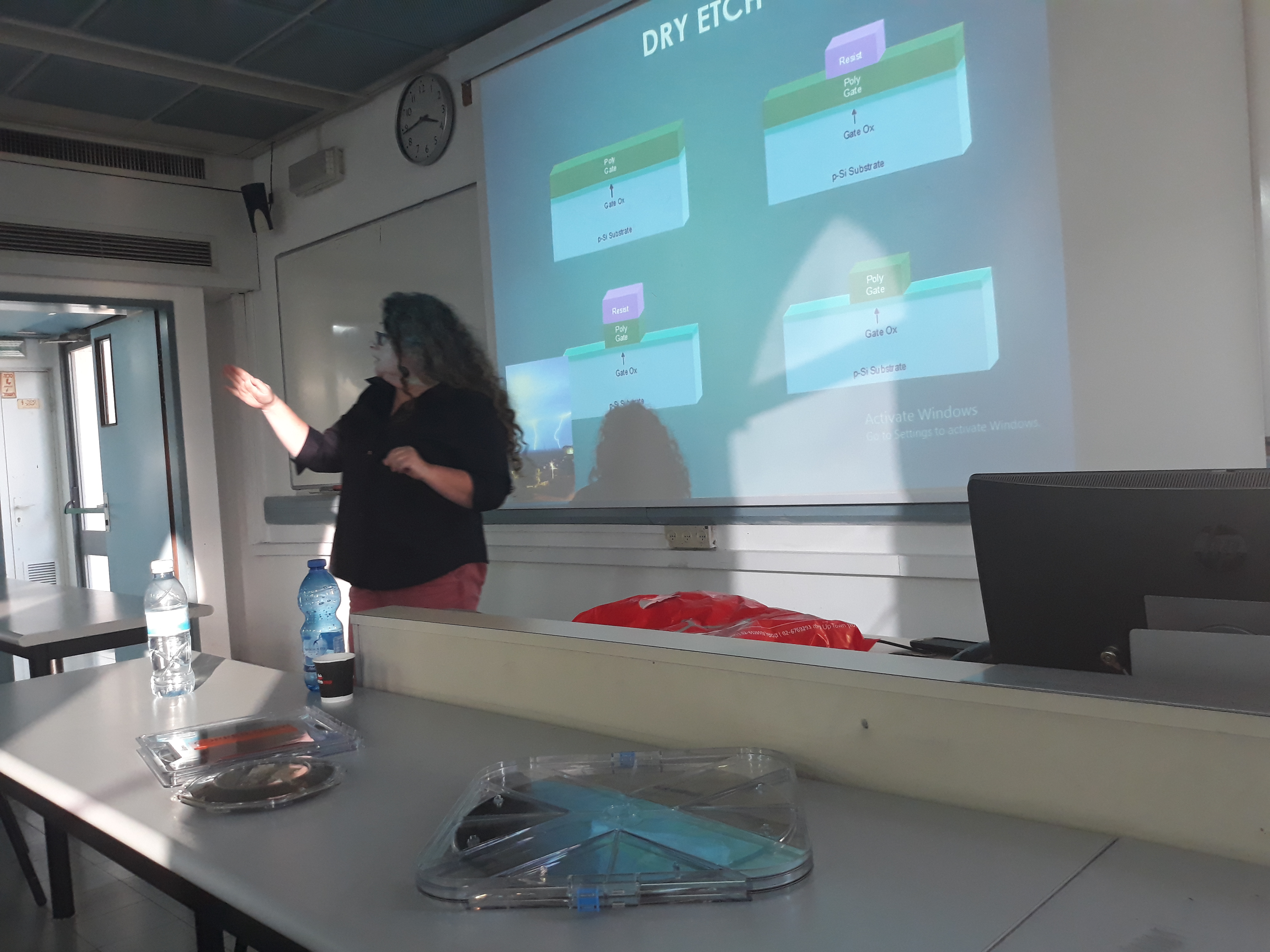
ד"ר אסיה ברקאי מאינטל בהרצאה על תהליך ההכנה של מעבדים אלקטרוניים

14 דצמבר 2017
אסיה ברקאי

בקורס "אופקים למדע והנדסה של חומרים", שניתן לתלמידי שנה א' במסלול, מתקיימות הרצאות אורח בנות שעה אקדמית ע"י נציגי תעשיות וארגונים ביטחוניים בעלי עניין בתחום החומרים, המציגים את תחום פעילותם וזיקתו למדע החומרים.


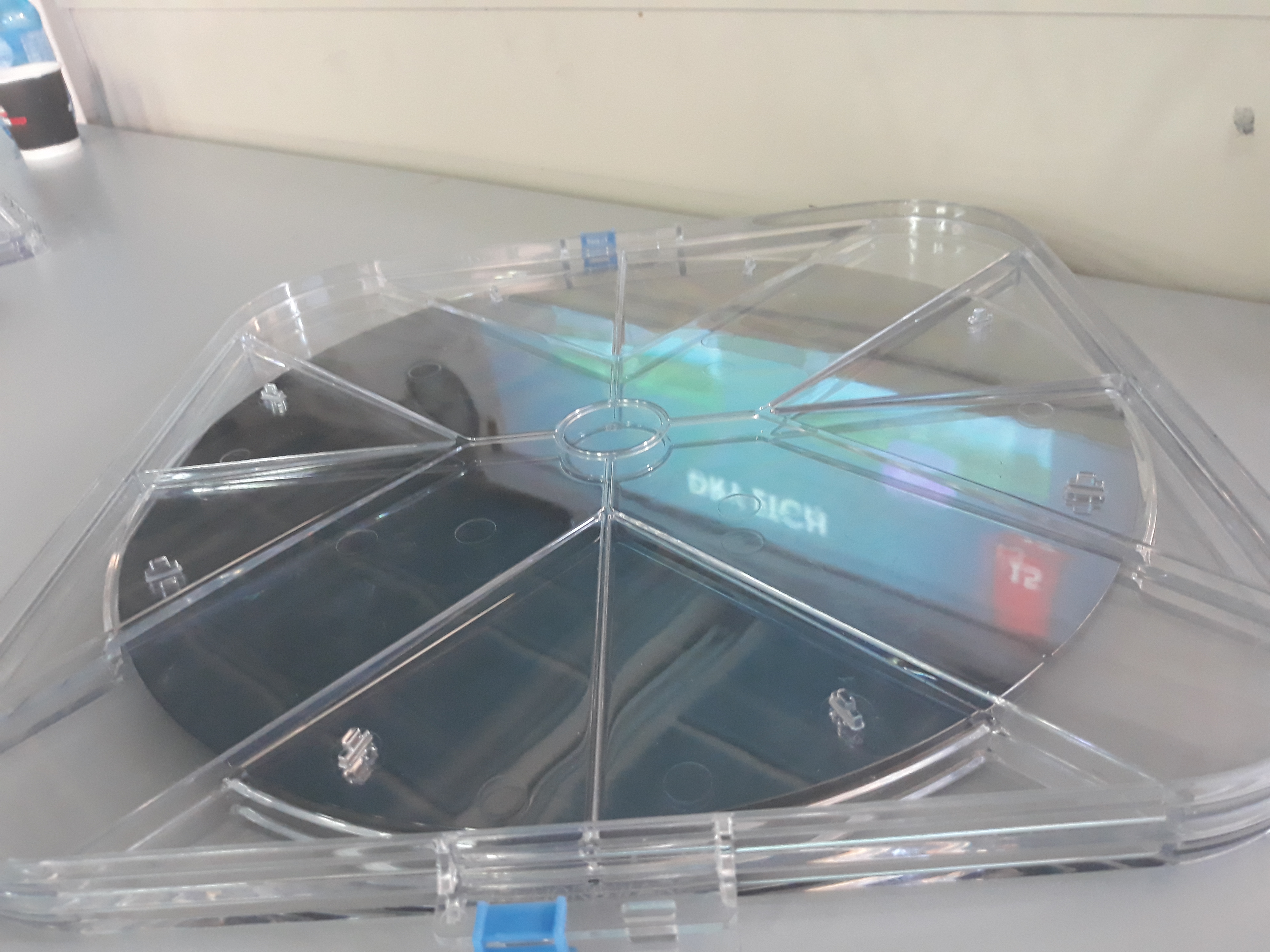
החודש ד"ר אסיה ברקאי התארחה כנציגת "אינטל" בקורס ונתנה הרצאה מרתקת לסטודנטים על תהליך ההכנה של מעבדים אלקטרוניים, שמשמשים למעשה כ"מוח החושב" של המחשב . ד"ר ברקאי הביאה איתה להדגמה את לוחות הסיליקון עליהם מודפסים המעבדים, כדי שנוכל לראות מה יש לנו בתוך המחשב, ולמה צריך להבין בהנדסת חומרים כדי ליצור כזה.

אוניברסיטת תל אביב עושה כל מאמץ לכבד זכויות יוצרים. אם בבעלותך זכויות יוצרים בתכנים שנמצאים פה ו/או השימוש שנעשה בתכנים אלה לדעתך מפר זכויות
שנעשה בתכנים אלה לדעתך מפר זכויות נא לפנות בהקדם לכתובת שכאן >>