המרכז לקשרי תעשייה

ידיעון הפקולטה להנדסה 2020/21 - תשפ"א
שימו לב לעדכונים יומיים המתפרסמים בידיעון

Array

Photovoltaics with 2D Materials: Optoelectronic Aspects of Large-Scale MoS2/Si Heterojunctions

06 ביולי 2020, 14:00 - 15:00 
בניין וולפסון 206  
0
Photovoltaics with 2D Materials: Optoelectronic Aspects of Large-Scale MoS2/Si Heterojunctions

ZOOM SEMINAR
Monday, july 6, 2020 at 14:00
Photovoltaics with 2D Materials: Optoelectronic Aspects of Large-Scale MoS2/Si Heterojunctions

Omer Luria
M.Sc student of Prof. Abraham Kribus and Dr. Ariel Ismach

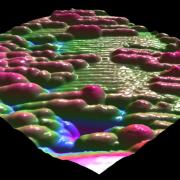
Photovoltaics (PV) is the leading technology for solar electricity generation, with attractive levelized energy cost and a direct electrical output. Current commercial PV materials have already realized their potential in terms of conversion efficiency, and therefore the research community is in constant search of new materials. Since the rediscovery of graphene, two-dimensional (2D) layered materials have gained interest as the next generation of material science and nanotechnology. Among those, atomically thin transition metal dichalcogenides (TMDs, the group MX2 where M=Mo,W,In,Ta , X=S,Se etc) show interesting optoelectronic properties. Those properties include high absorption and convenient direct band gap in the solar spectrum, making them very promising for photovoltaic conversion. However, the commercial-scale synthesis of these materials is done by chemical vapor deposition that results in non-uniform and discontinuous coverage on the substrate, especially on the scale of monolayers. In this work, monolayer (1L) CVD-grown MoS2 is investigated. Spectroscopic methods such as Ellipsometry, Reflectometry, Raman scattering and Photoluminescence are used to investigate its structural and optical properties. By combining innovative simulation, optimization and data analysis software written in open-source Python, both intrinsic material properties and device performance can be estimated. Optical models that account for non-uniform surface coverage allow extending the common methodology and applying it also in large scales, where the inhomogeneity of the growth process is almost intrinsic.
A large-scale photovoltaic device based on a 1L-MoS2/Si heterojunction was fabricated and characterized. A combined optoelectronic analysis was used to estimate both the global performance merit and the power distribution among the various loss mechanisms. The optical analysis allows the separation of different contributions to the total measured power, which is useful for estimating the potential of MoS2 and TMDs in general in future devices as well. The results clearly show that the intrinsic ability of MoS2 to absorb and utilize solar energy is superior comparing to commercial 3D semiconductor materials. This work exhibits another milestone towards the integration of 2D materials in existing and novel technologies.
~~Join Zoom Meeting
https://zoom.us/j/96584758181?pwd=WC9PMXdsYzJ3NFdEN2Q5ZUtOZEVjdz09 The meeting will be recorded and made available on the School’s site.
 

סמינר מחלקתי בזום - מסיימת תואר שני

You are cordially invited to attend this seminar

Vengerovsky Niv, Masters Student

Under the supervision of Prof. Yosi Shacham 

Title: Femtosecond Laser Processing of Ceria-based Micro Actuators

23 ביוני 2020, 15:00 
zoom  
סמינר מחלקתי בזום - מסיימת תואר שני

ZOOM SEMINAR Department of Materials Science and Engineering


Vengerovsky Niv, Masters Student

Under the supervision of Prof. Yosi Shacham 

Title: Femtosecond Laser Processing of Ceria-based Micro Actuators

Abstract: This work aims to develop a new process step, much improved than current lithography-based processes, of piezo material based micro-electro-mechanical systems (MEMS) sensors and actuators.

Electroactive actuators based on piezoelectric ceramics became one of the leading MEMS actuator technologies. In the following work precise patterning of electro-active ceramic Ce0.95Gd0.05O1.975 (CGO5) 1.7 µm-thick films by femtosecond laser was demonstrated. Laser patterning was used to fabricate double-clamped beam actuators made of CGO5 sandwiched between two metal contacts

CGO electrostrictive ceramics is lead-free and non-toxic, compatible with Si-microfabrication and exhibits large electrostrictive effect at low frequencies

These qualities make CGO to be a promising electroactive material for MEMS applications. Conventional lithography of metal/CGO/metal on glass or polymers involves also many steps and may cause metal shorts and process compatibility issues affecting the overall yield and reliability

To prevent a short-circuiting between top and bottom contacts due to metal ablation, a margin between the top contact edges and the CGO layer edges was defined prior to laser cutting The resulting devices showed high electrical and mechanical stability, therefore demonstrating feasibility of the fabrication process for such structures

The processes presented in this work provide a technological framework for CGO integration as a promising material in electro-active ceramic-based MEMS-devices


This work was published in Microelectronic Engineering on Sep 2019

Mishuk, E., Shklovsky, J., Berg, Y., Vengerovsky, N., Paul, T., Kotler, Z., ... & Lubomirsky, (2019).

Femtosecond laser processing of ceria-based micro actuators. Microelectronic Engineering217, 2019, 111126. https://doi.org/10.1016/j.mee.2019.111126.



סמינר מחלקתי בזום - מסיימת תואר שני

You are cordially invited to attend this seminar 

Internal Mechanics of the Wrist in the Sagittal versus Dart Throwing Motion

Plane in Adult and Elder Models: Finite Element Analyses

Vered Mahpari, Masters Student

Under the supervision of Dr. Sigal Portnoy and Prof. Meital Zilberman


ורד מחפרי מסיימת תואר שני, סמינר בזום


16 ביוני 2020, 15:00 
ZOOM  
סמינר מחלקתי בזום - מסיימת תואר שני

zoom seminar 


Internal Mechanics of the Wrist in the Sagittal versus Dart Throwing Motion

Plane in Adult and Elder Models: Finite Element Analyses

Vered Mahpari, Masters Student

Under the supervision of Dr. Sigal Portnoy and Prof. Meital Zilberman

Most clinical treatments for an injured wrist such as distal radius fracture, concentrate on movement in the sagittal plane. The rotation of the proximal carpal bones is smaller while moving the wrist in a Dart Throwing Motion (DTM) than in other planes. This might prove advantageous during rehabilitation exercises that incorporate the DTM plane by reducing pain. However, the stresses between the Radius and the carpal bones in these two planes have not been compared and might differ between adult and elder individuals. This paper compares the contact stresses between the Radius and two carpal bones (the Scaphoid and the Lunate) between two wrist positions: extension and radial-extension (DTM) and between adult and elder models. A healthy wrist of a 40 year old female was scanned using Magnetic Resonance Imaging in two wrist positions (extension, radial-extension). The scans were transformed into three dimensional (3D) models and meshed using ScanIP (Simpleware Ltd., Exeter, UK) software. Finite Element Analyses in each position of the wrist were conducted for both adult and elder models (using MSC Nastran software, MSC Software Corporation, CA, USA), which differentiate by the mechanical properties of the ligaments. In the adult model, the average contact stresses between the distal Radius and the proximal carpal bones were higher in Extension (8.40MPa Radius-Scaphoid and 5.34MPa Radius-Lunate) compared to Radial-Extension (2.82MPa Radius-Scaphoid and 3.06MPa Radius-Lunate). In the elder model, the average contact stresses between the distal Radius and the proximal carpal bones were higher in Extension (8.45MPa Radius-Scaphoid and 5.12MPa Radius-Lunate) compared to Radial-Extension (0.97MPa Radius-Scaphoid and 4.14MPa Radius-Lunate). The lower stresses found in Radial-Extension position might be advantageous in wrist rehabilitation due to possible reduced pain. According to the four finite element analyses presented in this thesis, this conclusion is relevant to both adults and elder individuals.

פרופ' מקסים סוקול

ד''ר מקסים סוקול


Micromechanical analysis of ceramic composite materials using the Parametric HFGMC

29 ביוני 2020, 14:00 - 15:00 
בניין וולפסון 206  
0

~~

SCHOOL OF MECHANICAL ENGINEERING SEMINAR
Monday, June 29, 2020 at 14:00 
Wolfson Building of Mechanical Engineering, Room 206
"ZOOM" SEMINAR
Micromechanical analysis of ceramic composite materials using the Parametric HFGMC
Meirav Grimberg
Advisor:  Prof. Rami Haj-Ali

The goal of this research is to develop a new micromechanical modeling framework for a wide range of ceramic composite materials (CMCs).  Towards this goal, the Parametric High Fidelity Generalized Method of Cells (PHFGMC), has been employed.  The method is based on a micromechanical analysis and used to predict the effective thermos-mechanical properties, including the mechanical response of the material subject to external loading.  
In the first part, the PHFGMC method was used to investigate the mechanical behavior of unidirectional (UD) IM7/977-3 carbon-epoxy composite material systems. A UD composite plate was made from this material, and SEM measurements were used to characterize the local microstructure of this composite.  Specialized image processing was developed to depict the local geometry attributes and material imperfections such as voids and fiber packing.  Idealized repeating-unit-cell (RUC) periodic PHFGMC models were generated, analyzed, and compared, such as square and hexagonal arrays. PHFGMC predictions for the equivalent homogenized thermos-mechanical properties, local stress distribution maps under different remote application of loading are presented. The PHFGMC simulations included damage initiation and propagation.
Next, combined 2D and 3D periodic PHFGMC nested models were generated for a more complex material system: Ceramic Matrix Composites (CMC). The first CMC system investigated was made from pyrolyzed 8-harness phenolic carbon-matrix composite followed by Liquid Silicon Infiltration (LSI) manufacturing process to introduce silicon carbide (SiC) matrix phase. The combined CMC contains at least five different phases makes the nested PHFGMC-RUC modeling process very challenging. A CT discretization methodology was proposed and analyzed. The prediction results have been compared to four-point -bending experiments. Next, the effective mechanical and thermomechanical properties prediction of UD and 5-harness CMC material systems was presented and compared to FE analysis and data available in the literature. The PHFGMC is shown to be well-suited for modeling the thermos-mechanical behavior of CMC composites. 

Join Zoom Meeting
https://zoom.us/j/96584758181?pwd=WC9PMXdsYzJ3NFdEN2Q5ZUtOZEVjdz09 The meeting will be recorded and made available on the School’s site.


~~

SCHOOL OF MECHANICAL ENGINEERING SEMINAR
Monday, June 29, 2020 at 14:00 
Wolfson Building of Mechanical Engineering, Room 206
"ZOOM" SEMINAR
Damage models for low-velocity impact and compression after impact analysis of multi-layered laminates

Shlomo Spitzer
MSc Student of Prof. Rami Haj-Ali

Composite materials and structures allow optimizing both material and structural mechanical properties for different needs. The heterogeneous nature of laminated composite materials presents a significant challenge, namely complex damage mechanisms and their accurate modeling. Low-velocity impact (LVI) introduces substantial non-visible damage in layered composite structures, such as delamination, matrix cracking, fiber breakage and fiber buckling.  Thus, there is a strong need to develop an LVI prediction analysis tool for laminate structures capable of both assessing the extend of LVI damage and evaluating the residual strength reduction and limit the serviceability of the structure. The reduction of compression after impact (CAI) strength is of high interest due to its elevated sensitivity to pre-existing damage triggered by LVI. Hence, it is essential to develop predictive mechanical damage models for both LVI and CAI.

 In this study, a through-thickness meso-mechanical sublaminate homogenization model is proposed for the impact analysis of multi-layered plates subjected to LVI followed by CAI. This sublaminate model performs through-thickness homogenization using the smallest repeated stacking sequence of the laminate. The sublaminate includes a thin interface layer with progressive damage degradation that represents the interlaminar delamination damage mode.  The sublaminate model also incorporated intra-ply damage and was compared to layer-by-layer modeling strategies. A framework for saving and transferring the accumulated damage parameters from the LVI to the following CAI analysis was developed and showcased. LVI and CAI analyses of composite plates are performed and compared with test results conducted in collaboration with the University of Michigan.  The proposed sublaminate shows a good overall prediction ability for LVI of multi-layered composite plates.


Join Zoom Meeting
https://zoom.us/j/96584758181?pwd=WC9PMXdsYzJ3NFdEN2Q5ZUtOZEVjdz09 The meeting will be recorded and made available on the School’s site.


מטרות המחלקה למדע והנדסה של חומרים באוניברסיטת תל אביב:

  1. להוביל את חזית המחקר בתחומים שונים של מדע והנדסה של חומרים ברמה בינלאומית גבוהה.
  2. להוות מוקד ידע בינתחומי באוניברסיטת תל-אביב ללימודים ולמחקר ופיתוח בתחומי מדע והנדסה של חומרים.
  3. לבנות תשתית ידע ושירותי יעוץ הנדסי או מו"פ בתחום החומרים עבור התעשייה הישראלית וארגונים ביטחוניים וממשלתיים בעלי עניין. ההתקשרות תעשה באמצעות חברת רמות, רשות המחקר של אוניברסיטת תל אביב, תכנית Industrial Affiliates Program של הפקולטה להנדסה, או יעוץ כעוסק מורשה, בהתאם לאופי הפעילות.
  4. להכשיר מהנדסים מהשורה הראשונה, שיובילו את פריצות הדרך הטכנולוגיות הבאות. בהיותה מחלקת החומרים היחידה במרכז הארץ, בסמיכות לחברות רלבנטיות רבות, מרכזי מחקר, גופים ביטחוניים וממשלתיים, המחלקה תמלא צורך לאומי אסטרטגי.


ההיסטוריה של המחלקה למדע והנדסה של חומרים

המחלקה למדע והנדסה של חומרים באוניברסיטת תל אביב הוקמה רשמית באוגוסט 2013, למרות שפעילות מסודרת בתחום זה החלה באוניברסיטה כבר בשנת 1994 עם הקמת מרכז וולפסון לחקר חומרים, המשמש כיום למעלה מ- 50 קבוצות מחקר בקמפוס.


באפריל 2002 הושקה תכנית "מדע והנדסת חומרים" לתואר שני, כיוזמה משותפת של הפקולטה להנדסה ובתי-הספר לכימיה ולפיזיקה אשר בפקולטה למדעים מדויקים. התכנית הפכה לגדולה מסוגה בישראל, וחתך הקבלה גדל באופן משמעותי במהלך השנים. ביולי 2009 הוחלפה התכנית לתואר שני בתכנית "חומרים וננו-טכנולוגיות" לתארים שני ושלישי, יחידה מסוגה בישראל, כמיזם משותף של ארבע פקולטות – הנדסה, מדעים מדויקים, מדעי החיים ורפואה – והמרכז לננו-מדעים וננו-טכנולוגיות.


בדצמבר 2009 אורגן ע"י אוניברסיטת תל אביב ונערך בה לראשונה הכינוס הישראלי להנדסת חומרים (IMEC-14). פרופ' נעם אליעז כיהן כיו"ר הכינוס. סדרת כנסי IMEC, אשר הושקה ב- 1981, היא החשובה לקהילת החומרים בישראל. ארגון הכנס באוניברסיטת תל אביב שיקף את הכרת קהילת החומרים בישראל בהתפתחות המהירה של התחום באוניברסיטת תל אביב. ואכן, היה זה הכינוס הגדול ביותר שנערך אי-פעם בישראל בתחום הנדסת חומרים.


ביולי 2013 הוכן מתווה לשיתוף פעולה בין המחלקה למדע והנדסה של חומרים באוניברסיטת תל אביב לבין מקבילתה באוניברסיטת נורת'ווסטרן (אוונסטון, אילינוי), המדורגת שניה בארה"ב. במסגרת שיתוף פעולה זה, נערכה באוניברסיטת תל אביב בפברואר 2015 הסדנא המשותפת הראשונה של אוניברסיטת תל אביב ואוניברסיטת נורת'ווסטרן בנושא מוליכים למחצה, חומרים אלקטרוניים, שכבות דקות וחומרים פוטוניים. הסדנא המשותפת השניה נערכה בספטמבר 2016 בארה"ב.


באוגוסט 2013 הוקמה כאמור רשמית המחלקה למדע והנדסה של חומרים. פרופ' נעם אליעז ופרופ' אילן גולדפרב עברו מביה"ס להנדסה מכאנית, פרופ' שחר ריכטר עבר מביה"ס לכימיה. ד"ר אוסבלדו דיאגז גויס למחלקה באוקטובר 2013, פרופ' אריאל ישמח באוקטובר 2014, פרופ' בריאן רוזן בינואר 2015, ופרופ' עמית כהן באוקטובר 2015. ד"ר נעה לכמן הצטרפה באוקטובר 2016, ד"ר סימיון גורפמן באוקטובר 2017 וד"ר מקסים סוקול באוקטובר 2020. בכוונתנו להמשיך לגייס לשורותינו חברי סגל מעולים בשנים הקרובות.


מזכירות המחלקה למדע והנדסה של חומרים (חדר 119 - מזכירת המחלקה, חדר 115 - מזכירת סטודנטים) ומשרדי חברי סגל הליבה ממוקמים בקומת הקרקע בבניין וולפסון להנדסה מכאנית, בניין בעל עיצוב ייחודי שתוכנן ע"י האדריכל המפורסם לואיס קאהן. מעבדת הוראת חומרים ממוקמת בבניין זה (חדר 266). מעבדות המחקר של חברי סגל הליבה ממוקמות אף הן בבניין זה או במרכז לננו-מדעים וננו-טכנולוגיות.


בינואר 2014 אישרה המועצה להשכלה גבוהה את תכנית התואר הראשון במדע והנדסה של חומרים ובכימיה. במקביל, אושרה הפעלת תכנית תואר שני במדע והנדסה של חומרים ע"י המחלקה. באפריל 2016 אישרה המועצה להשכלה גבוהה את תכנית התואר הראשון החד-חוגי במדע והנדסה של חומרים.

עמודים

אוניברסיטת תל אביב עושה כל מאמץ לכבד זכויות יוצרים. אם בבעלותך זכויות יוצרים בתכנים שנמצאים פה ו/או השימוש שנעשה בתכנים אלה לדעתך מפר זכויות
שנעשה בתכנים אלה לדעתך מפר זכויות נא לפנות בהקדם לכתובת שכאן >>