יובל בן-משה, מנטור בתכנית משנת 2020
העבודה עם המנטיז, לאורך השנים, תמיד היתה משמעותית עבורי. בכל מחזור אני פוגש מנטיז חכמים שמקשיבים בהמון רצינות ובלי אגו ובמבחן הראיה לאחור, אם לקחו אפילו משהו אחד וקטן ממה שהצעתי, אני מרגיש שהרווחתי!
התהליכים ממש לא זהים, לא לאורך השנים ולא בין המנטיז השונים ובכל זאת, אם אנסה להכליל, זה הרבה אוזן קשבת של מישהו שמצד אחד היה שם, גם אם לפני הרבה שנים, ומצד שני מביא פרספקטיבה שעוזרת לסדר מחשבות ולמקד תוכניות; בהמשך זה עשוי להיות טיפים לאיך לנהל את תהליך היציאה מהחממה של מסגרת לימודים אל שוק העבודה, איך לשפר קורות חיים או למפות תפקידים או להתכונן לראיון; ולפעמים זה פשוט אוזן קשבת ואוהדת לקשיים.
כל מחזור וכל מנטי הוא עולם ומלואו, וכל אחד הוא הצלחה מסוג אחר ועבורי להיות מנטור הוא אחד מהמקרים שבהם אני, למרות שנמצא בצד שלכאורה נותן, מקבל לא פחות מהמנטי שבצד המקבל.
אם אתה/את סטודנט לקראת סיום, ומתלבט/ת האם עבודה עם מנטור נכונה לך, ההמלצה שלי היא תמיד לנסות, מקסימום תצליח/י.
ואם אתה/את מנטי שסיים/ה את התהליך, בקשה אחת לי ממך: זכור/זיכרי את מה שקיבלת/ה ווודא/י לשלם אותו קדימה (Pay it forward), בין אם כמנטור בעתיד או פשוט להיות תמיד נגיש/ה לתת עצה ואוזן קשבת.
 שחר וינברג, מנטור בתכנית משנת 2026, הנדסת חשמל ומחשבים:
הדבר המשמעותי ביותר שלקחתי מתוכנית המנטורינג היה הליווי לאורך תהליך חיפוש העבודה.
המנטור עזר לי לשפר את קורות החיים, שיתף אותי מניסיונו בתעשייה, וליווה אותי בהתלבטויות שעלו במהלך הדרך. לאחר שהתראיינתי למספר חברות, הוא סייע לי לשקול את היתרונות והחסרונות של כל אפשרות ולקבל החלטה שנכונה עבורי. בסופו של דבר התחלתי לעבוד בחברת שבבים, ואני מרגיש שהתהליך העניק לי ביטחון וכלים שהיו משמעותיים בתחילת הקריירה שלי.
 אור פלר, מנטור בתכנית משנת 2021, בוגר הנדסת חשמל ומחשבים:
תכנית המנטורינג למעשה זיקקה לי את אחד הדברים שאני הכי אוהב: לעזור, לאנשים, ועוד בתחום ההתמחות שלי!
עם שחר החיבור היה מיידי, הוא הגיע מאוד ממוקד ומפוקס למטרה, הגדרנו משימות מפגישה לפגישה ותוך זמן קצר הגענו ליעד שהצבנו לעצמנו - השגת המשרה הייעודית עבור שחר!
אין דבר יותר מספק מאשר לעזור לאחר, בטח שלפני מספר שנים אתה היית בדיוק באותו נקודה והייתה חסרה לך היד המכוונת הזו.
אמשיך לעזור ולסייע לסטודנטים ובוגרים כמה שאפשר, ומקווה שגם הם יצטרפו לתוכנית כמנטורים בעתיד :)
 ערן פרלמן, מנטור בתכנית משנת 2021, בוגר הנדסת חשמל ומחשבים:
הכלי הכי משמעותי שקיבלתי מתוכנית המנטורינג היא ללמוד.
כמו כן, להתפתח ולהשתפר בהדרכה, בייעוץ ובשיח אישי.
חוץ מהוספת שורה יפה לקורות החיים שלי, יש פה גם הזדמנות אדירה לנצל את היכולת שלי לעזור, לתרום מהידע והניסיון שלי,
ולקחת חלק בפרויקט התנדבותי שמיטיב עם קהילת הסטודנטים וכן הבוגרים של הפקולטה להנדסה.
למדתי על שוק העבודה ועל תהליך חיפוש העבודה העכשווי, על הצרכים והרצונות של המנטי, ומה המסלול קריירה שהמנטי רוצה, כדי לדעת על מה להתמקד בתוכנית.
גם היום אני מנטור פעיל ומקווה להמשיך זאת ככל שיתאפשר לי!
 רומי הבר, מנטי בתכנית בשנת 2025, סטודנטית שנה ג‘ להנדסת תעשייה ומערכות נבונות:
הכלי הכי משמעותי שקיבלתי מתכנית המנטורינג הוא היכרות מעמיקה עם שוק העבודה, יחד עם ליווי אישי זמין ואיכפתי, לאורך תהליך החיפוש.
למדתי מהמנטור על שוק העבודה מניסיונו האישי, תהליכי קבלה לעבודה, על בניית קורות חיים, מיתוג אישי, ניהול פרויקטים, מבנה ארגון ועוד.
הטיפ הכי חשוב בעיניי הוא לבוא עם ראש פתוח ורצון ללמוד מניסיונו האישי והמקצועי של המנטור.
באופן אישי אגיד שערן מאוד השקיע בתכנית. הכין מראש מערכי שיעור, היה זמין ואכפתי לכל שאלה או התייעצות. אני . מודה על ההזדמנות להשתתף בתכנית!
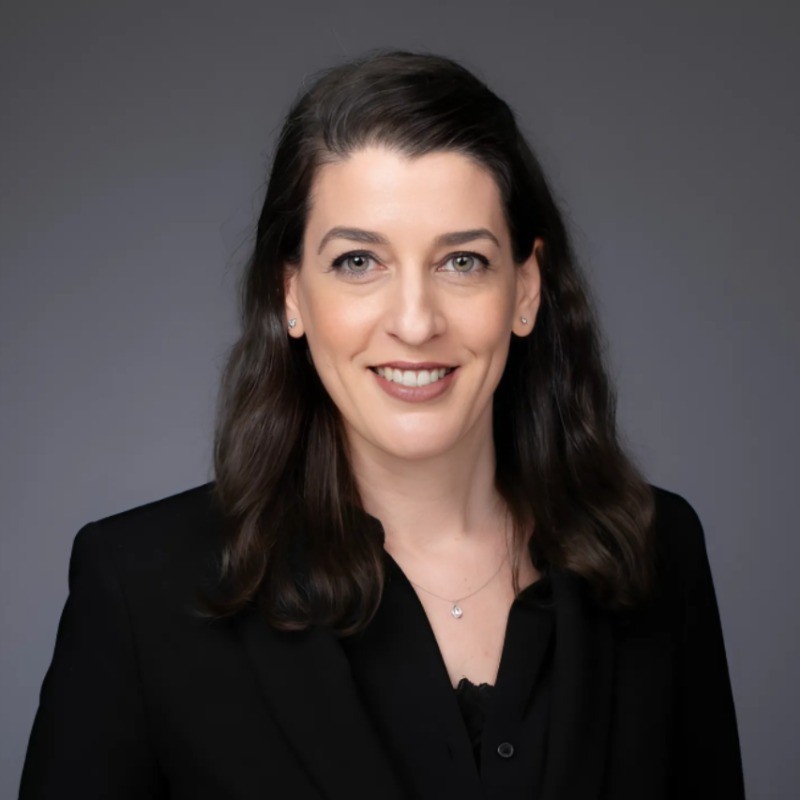 שני שלו, מנטורית בתכנית משנת 2024, בוגרת הנדסה ביו-רפואית:
למדתי מהמנטי שלי יובל, עד כמה תהליך קואצ'ינג יכול להיות חשוב לצד תהליך המנטורינג.
האספקט הרגשי של הסיטואציה של סטודנטית/בוגרת התואר היה לא פחות חשוב מהידע האינפורמטיבי.
ההתמודדות עם לחץ, בניית ביטחון עצמי והחלפת מחשבות מעכבות במחשבות בונות, הן חלק חשוב מהתהליך.
הטיפ החשוב ביותר בעיניי הינו פתיחות, שיחות אותנטיות, כנות ועמוקות שמובילות לסיוע והדרכה מותאמים אישית.
כשהמנטי חושפת את הצרכים וההתמודדויות שלה בתהליך, התהליך בד"כ הרבה יותר אפקטיבי.
יובל אליהו, מנטי בתכנית בשנת 2025, סטודנטית שנה ד' בהנדסה ביו-רפואית:
התכנית נתנה לי המון, בעיקר בנייה את תהליך חיפוש העבודה, גרמה לי להיות בפעולה ובזרימה, ללמוד משבוע לשבוע איך להמשיך להתפתח לפרוח ולהניע את עצמי אל עבר התעשייה.
שני המנטורית נתנה לי המון כלים פרקטיים לחקור ולהניע את החיפוש שלי, להתמודד עם ראיונות עבודה בצורה היעילה והמקצועית ביותר, טיפים מלאי ניסיון ובכלל לנהל שיח עם אישיות מרשימה,
אימהית ומעוררת השראה בכל שלב בדרך שלה- זו זכות ענקית!
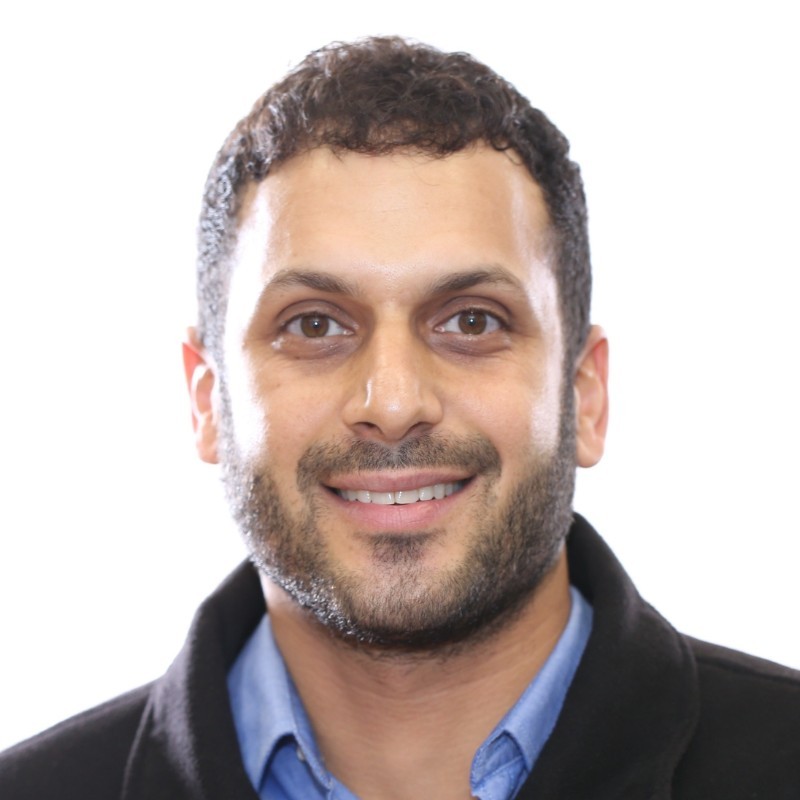 שי שרעבי, מנטור בתכנית משנת 2021, בוגר הנדסת חשמל ומחשבים, וכן תארים מתקדמים:
מנקודת המבט של המנטור: ראשית, מדובר בהתנדבות לכל דבר ועניין.
יתרה מזו, התנדבות היא בעולם התוכן המקצועי טומנת בחובה אפילו ערך מוסף לדעתי.
כך שגם המנטור יוצא נשכר לא פחות בדמות סיפוק מקצועי ואישי.
שנית, המנטור מצטרף לקבוצה של מנטורים נוספים פעילים, שהם בד"כ מהנדסים ותיקים או מנהלים בדרגי ביניים בכל מיני חברות ותעשיות במשק- וכך נוצר מעגל מקצועי וחברתי אשר מלווה את תהליך החניכה.
ושלישית, המנטור זוכה לשמור על קשר עם האקדמיה, גם לאחר סיום התואר- לטובת המשך התפתחותו המקצועית במידת הצורך.
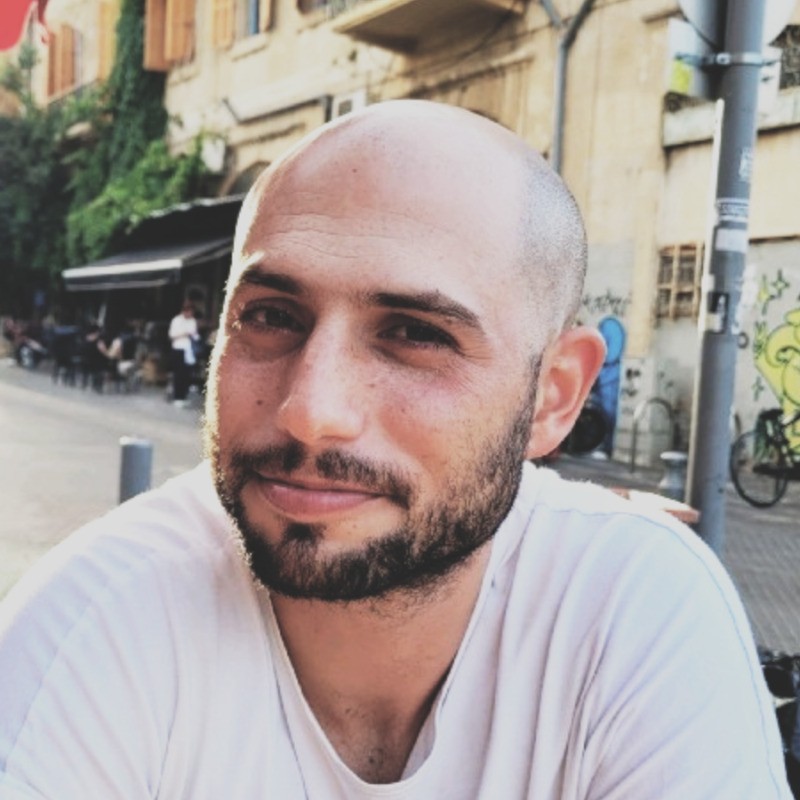 מתן כהן, מנטי בתכנית בשנת 2021, כיום בוגר הנדסת חשמל ומחשבים:
בשביל סטודנט, או בוגר צעיר, יש הרבה רעשי רקע בכל הנוגע לחיפוש עבודה וקבלת החלטות.
התוכנית מציעה שיח ישיר עם אדם בעל ניסיון, שיש לו קשרים בתעשייה, ורוצה לעזור ולתת פרספקטיבה בעזרת הכלים שיש לו, ולהקדיש מהזמן שלו לכוון אותך או לתת פיין טיונינג אם אתה כבר בכיוון.
בעיניי, זה כל הסיפור- בן אדם עם כוונות טובות וניסיון רלוונטי שמושיט יד בתוך כל הרעש בו אתה נמצא כסטודנט.
בסוף 99% מהעבודה היא על המנטי- אתה צריך לדאוג שקורות החיים שלך מדוייקים, להיות עם יד על הדופק ולהגיש אותן למשרות בזמן שהן נפתחות, להשתמש בקשרים, להתכונן בצורה ממוקדת לראיונות עבודה, מנטלית ומקצועית, להתמודד עם כשלונות, להמשיך להתאמץ, לא לוותר, לחפש עוד הכוונה ,ללכת לכנסים, ליצור עוד קשרים ועל הזמן לשמור על קור רוח.
המנטור בתוך הסיפור הזה יכול לעזור במה שיש לו כלים לעזור, לשאול מה שלומך, לנסות להבין מה תוקע אותך: החל משיפוץ קורות חיים ועד סימולציות וראיונות.
תוך כדי הגדלת מעכל הנטוורקינג שלך דרך שלו, או סתם נתינת עצה טובה לחיזוק איפה ומתי שצריך.
קישור לדף התרומות שלנו




