EE Seminar: Sampling Multiple Output Channel to Maximize the Capacity

07 ביוני 2017, 15:30 
חדר 011, בניין כיתות-חשמל  


Speaker: Lital Yodla

M.Sc. student under the supervision of Prof. Meir Feder


Wednesday, June 7th, 2017 at 15:00

Room 011, Kitot Bldg., Faculty of Engineering


Sampling Multiple Output Channel to Maximize the Capacity


Standard analysis of Single Input Multiple Output (SIMO) assumes sampling each of the output signals at the full Nyquist rate. In the noiseless case, Papoulis’ Generalized Sampling Expansion (GSE) shows that for a SIMO channel a unique reconstruction of the input signal is possible when sampling each output signal at 1/N the Nyquist rate.


In this work we consider the problem of maximizing the capacity of a single input, two outputs additive Gaussian noise channel at various output sampling regimes. The goal is to find which sampling rates and relative delay between the output channels attain the maximal capacity.

EE Seminar: Temporal Tessellation for Video Annotation and Summarization

17 במאי 2017, 15:30 
חדר 011, בניין כיתות חשמל  

Speaker: Dotan Kaufman

M.Sc. student under the supervision of Prof. Lior Wolf


Wednesday, May 17th  2017 at 15:30

Room 011, Kitot Bldg., Faculty of Engineering


Temporal Tessellation for Video Annotation and Summarization


Abstract


We present a general approach to video understanding, inspired by semantic transfer techniques successfully used for 2D image understanding. Our method considers a video to be a 1D sequence of clips, each one associated with its own semantics. The nature of these semantics -- natural language captions or other labels -- depends on the task at hand. A test video is processed by forming correspondences between its clips and the clips of reference videos with known semantics, following which, reference semantics can be transferred to the test video. We describe two matching methods, both designed to ensure that (a) reference clips appear similar to test clips and (b), taken together, the semantics of selected reference clips is consistent and maintains temporal coherence. We use our method for video captioning on the LSMDC'16 benchmark and video summarization on the SumMe benchmark. In both cases, our method not only surpasses state of the art results, but importantly, it is the only method we know of that was successfully applied to both video understanding tasks.

School of Mechanical Engineering Alon Lidor

24 במאי 2017, 14:00 - 15:00 
בניין תוכנה חדר 101  
ללא תשלום
School of Mechanical Engineering Alon Lidor


School of Mechanical Engineering Seminar
Wednesday, May 24, 2017 at 14:00

Tokhna Building, Room 101


Theoretical Study of the 3-branches Explosion Limits of a Flammable System

Alon Lidor

Faculty of Aerospace Engineering

Technion – Israel Institute of Technology


The phenomenon of explosion (or self-ignition, not to be confused with detonation) of fuel mixtures is well known, both as a desired phenomenon, such as the ignition of the fuel in Diesel engines, and as a phenomenon to be avoided, like knocking in SI engines or the risk of fires on oil and gas platforms. The explosion limits are defined as the curve on a pressure-temperature diagram which describes the threshold between the explosive and non-explosive regions of a fuel mixture. These limits are uniquely defined for a specific fuel-oxidizer pair, under a specific ratio and are also partially dependent on the vessel wall surface. For hydrogen and many hydrocarbon fuels distinctive 3-branched limits exist. Although the explosion limits have been studied extensively (experimentally and theoretically) for many years, there exists no model to date which can accurately predict the explosion limits over the complete range, capturing this unique branching behavior.

This research is composed of theoretical investigation of the explosion limits of an H2-O2 mixture, with the objective of understanding fundamental governing physics of the explosion limits, especially in regards to the uniqueness of the branching limits. We also aim to develop a universal explosion criterion for H2-O2 mixtures, and gain insights into the explosion process for other fuel types. By using a novel approach, combining elements of chain ignition theory and linking between the explosion limits and the ignition delay, we present a unified model capable of accurately predicting the explosion limits of H2-O2 mixture. We also investigate the effects of fluctuations at the molecular level, to evaluate the effect of different impurities in the mixture on the explosion initiation and the thermodynamic stability of the system. Our results from the different models developed and the conclusions and insights gained about the explosion phenomenon will be presented in the talk.

Biography

BSc in Mechanical Engineering from Ben-Gurion University in the Negev in 2011

MSc in Aerospace Engineering from the Technion in 2013

Currently studying towards a PhD in the Faculty of Aerospace Engineering at the Technion

סמינר מחלקתי- הנדסה ביו רפואית

23 באפריל 2017, 14:30 
 
ללא תשלום
סמינר מחלקתי- הנדסה ביו רפואית

אסף ליברמן

תלמיד התואר השלישי במחלקה להנדסה ביו רפואית

אוניברסיטת תל אביב


Cell Studio: a platform for real-time, interactive 3D Graphical simulation of immunological processes

In the core of systems biology are computer models, which integrate static experimental ‘omics’ data into dynamic representations of the researched biological system. These representations are then simulated - run on a computer – to promote understanding of the system. The field of computer modeling and simulation of biological systems is rapidly advancing, with many simulation systems created in the past 20 years. It is backed by significant progress in the fields of experimentation techniques, computer hardware and programming software. The result of a simulation may be delivered in several ways, from numerical results, through graphs of the simulated run, to a visualization of the simulation. The vision of an in-silico experiment viewed as if it was undertaken in reality under a microscope is appealing, but technically demanding and computationally-intensive. We use game engines - generic programs for game creation that offer ready-made assets and tools - to create a visualized, interactive simulation. We also utilize a scalable architecture that delegates the computational load into a scalable server. Together, these may aid in overcoming technical challenges.


Here we report “Cell Studio”, a generic, hybrid platform to simulate an immune microenvironment with biological and biophysical rules. The simulation may be visualized in interactive real-time 3D: The user may view the simulation, move the ‘camera’ around, stop, fast-forward and rewind it, and inject soluble molecules into the extracellular medium at any point in time. During simulation, graphs are created in real time for a broad view of system wide processes. The model is parametrized using a user-friendly Graphical User Interface (GUI). We believe that real-time, interactive 3D visualization may improve insight generated from the simulation, and encourage intuition about emergent behavior in the modelled biological system.


העבודה נעשתה בהנחיית ד"ר אורי נבו מהמחלקה להנדסה ביו-רפואית,  אוניברסיטת תל-אביב

ההרצאה תתקיים ביום ראשון 23.04.17, בשעה 14:30

בחדר 315, הבניין הרב תחומי, אוניברסיטת תל אביב

EE Seminar: Efficient Least Residual Greedy Algorithms for Sparse Recovery

23 באפריל 2017, 15:00 
חדר 011, בניין כיתות-חשמל  

Speaker: Guy Leibovitz

M.Sc. student under the supervision of Dr. Raja Giryes


Sunday, April 23rd, 2017 at 15:00

Room 011, Kitot Bldg., Faculty of Engineering


Efficient Least Residual Greedy Algorithms for Sparse Recovery


We present a new greedy strategy with an efficient implementation technique that enjoys similar computational complexity to OMP. Its recovery performance in the noise free and the Gaussian noise cases is comparable and in many cases better than other existing sparse recovery algorithms both with respect to their theoretical guarantees and empirical reconstruction performance. Our framework has other appealing properties. Convergence is       always guaranteed even in the case that the recovery conditions are violated. In addition, our implementation method is useful for improving the computational cost of other methods such as orthogonal least squares (OLS).

EE Seminar: Robust Estimation and Mapping of Rainfall from Microwave Measurements

23 באפריל 2017, 15:30 
חדר 011, בניין כיתות-חשמל  

Speaker: Shani Gat

M.Sc. student under the supervision of Prof. Hagit Messer-Yaron


Sunday, April 23rd, 2017 at 15:30

Room 011, Kitot Bldg., Faculty of Engineering


Robust Estimation and Mapping of Rainfall from Microwave Measurements

Estimation of a tempo-spatial field for purposes of environmental monitoring is often based on a network of local sensors, which are prone to measurement errors. As sensor networks become larger and cheaper, the probability of faulty sensors and measurements outliers rises. Moreover, the recently proposed approach of opportunistic sensors network, as in the case where commercial microwave links (CMLs) are used as rainfall sensors, also introduces a new source of errors. In this work, I refer to different approaches and methods for spatial interpolation from point measurements, with an emphasis on the problem of estimating data from microwave links, and suggested an iterative estimator based on Maximum Likelihood (ML) approach to the problem. I propose to increase the robustness of this approach based on the Huber’s M-Estimation method, and suggested a robust variation to the proposed algorithm accordingly: an algorithm based on the Huber loss function, and another censoring algorithm. The algorithms’ robustness was initially tested numerically. This test has shown that each robust variation had an advantage in different situations. The suggested algorithms were tested for several simulated scenarios, where a robust version showed a considerable advantage in the presence of outliers, versus the ML version and the AIDW reference algorithms. Finally, the algorithms were applied for actual CMLs’ real data, provided by Ericsson for the Gothenburg area. The results of the robust algorithms were not significantly different from the non-robust, suggesting that outliers may not be a major source of errors in this case.

מרצים בולטים מהאקדמיה ומהתעשיה דנו בנושאים הנושקים למטרות הארגון: יזמות, ממשל, אקדמיה ותעשייה והכשרה

04 אפריל 2017
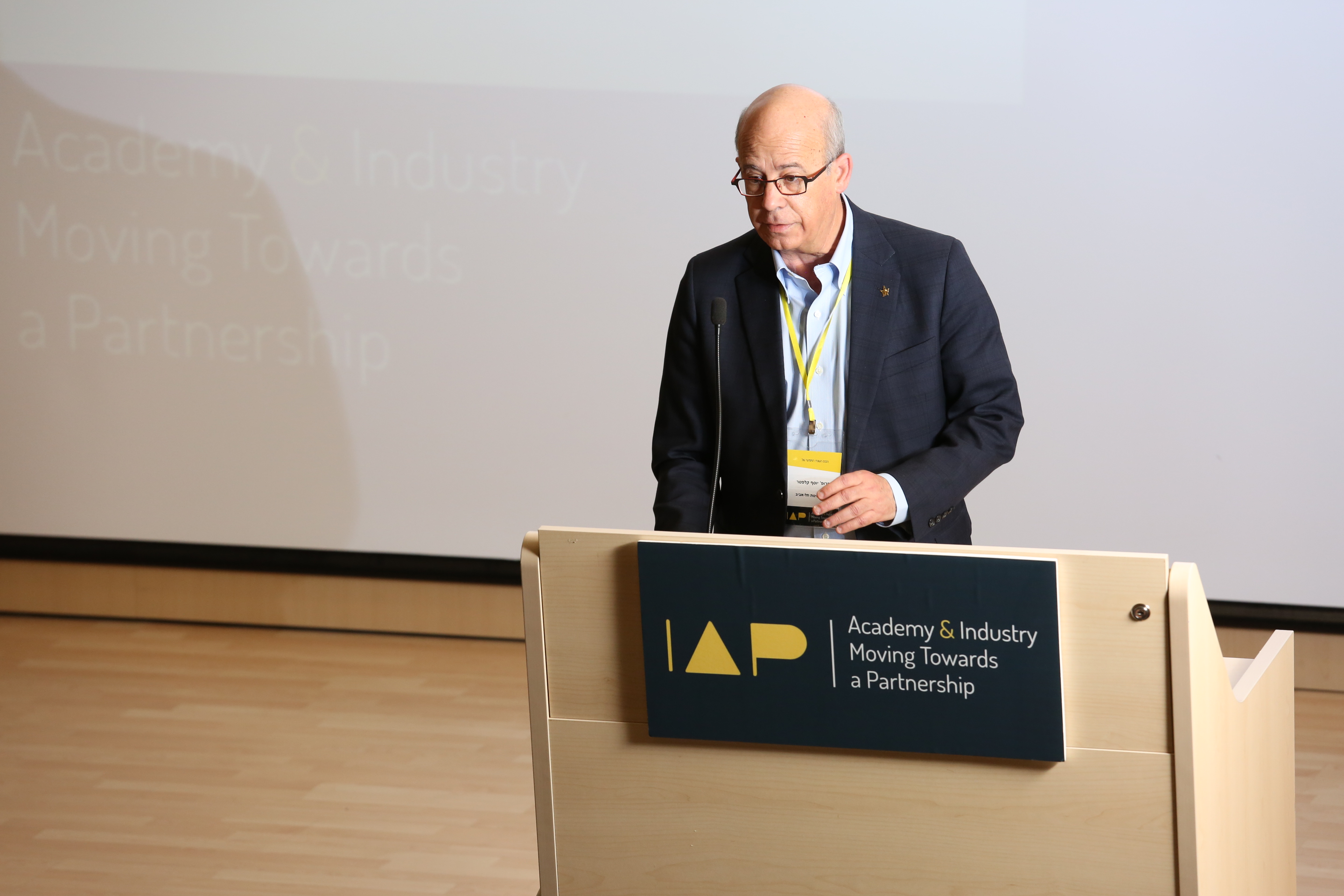
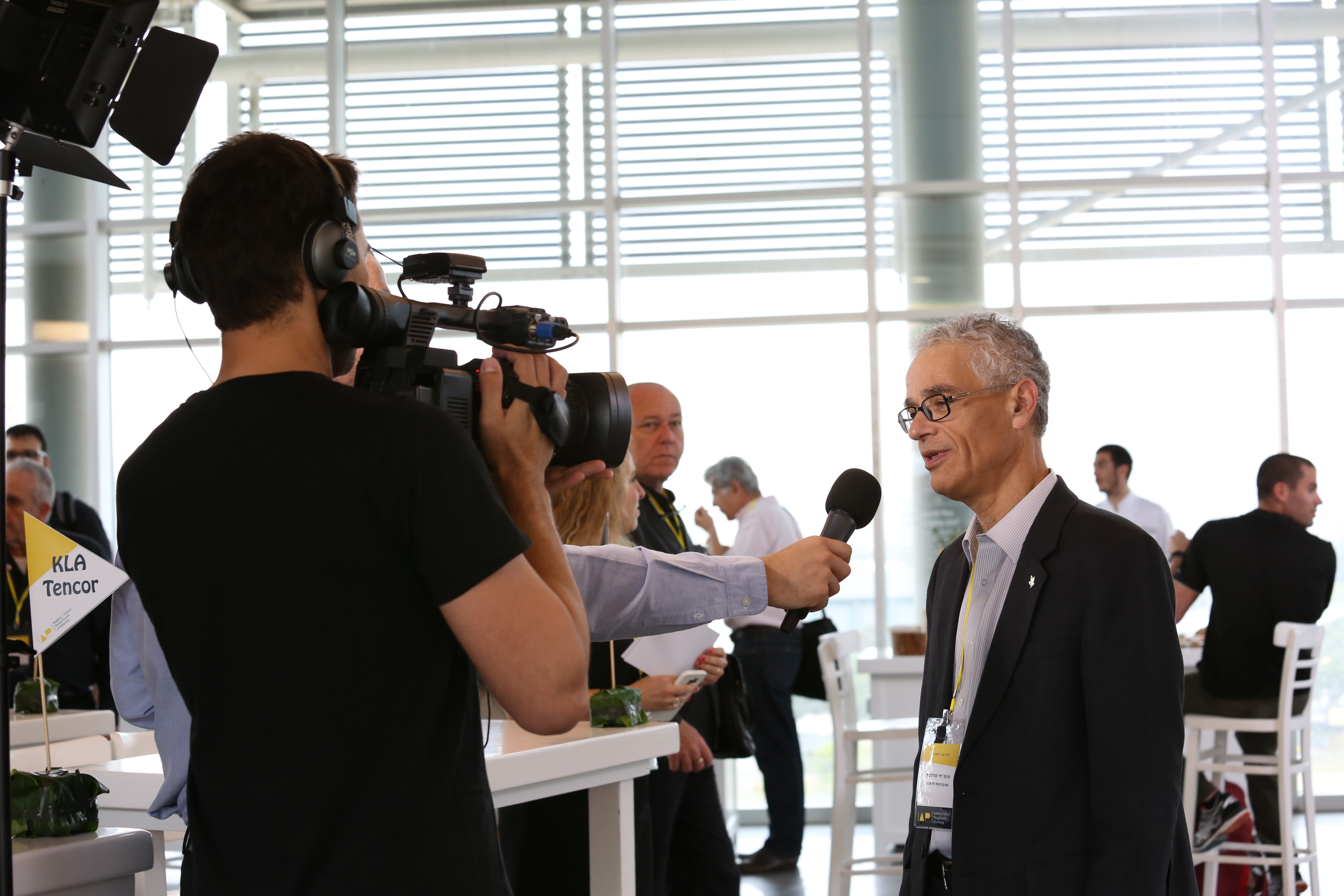
פרופ' דוד מנדלוביץ פותח את הכנס החמישי של ארגון עמיתי התעשיה

כנס ארגון עמיתי התעשיה

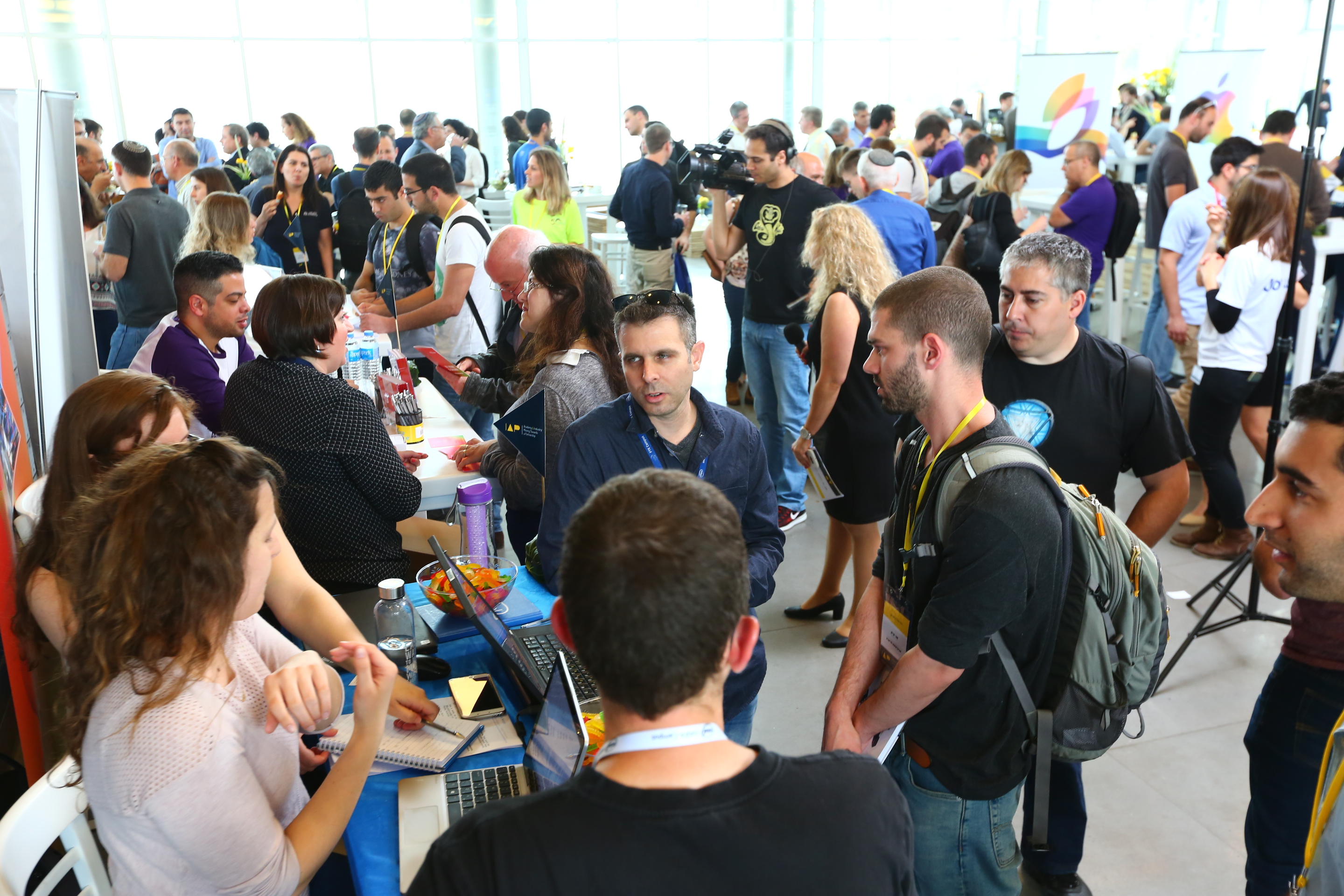
ביום חמישי, 30.3.2017 התקיים הכנס השנתי החמישי של ארגון עמיתי התעשיה (IAP) של הפקולטה להנדסה.

ארגון ה- IAP אמון על הידוק הקשר בין  האקדמיה לבין התעשייה הטכנולוגית בארץ, וביום חמישי נוכחו שוב לתרומה העצומה שמופקת משיתופי הפעולה הללו.

תעשיה והנדסה

גם השנה דיברו בכנס מרצים בולטים מהאקדמיה ומהתעשיה אשר עוסקים בנושאים הנושקים למטרות הארגון: יזמות, ממשל, אקדמיה ותעשייה, הכשרה ועוד.

יריד תעסוקה

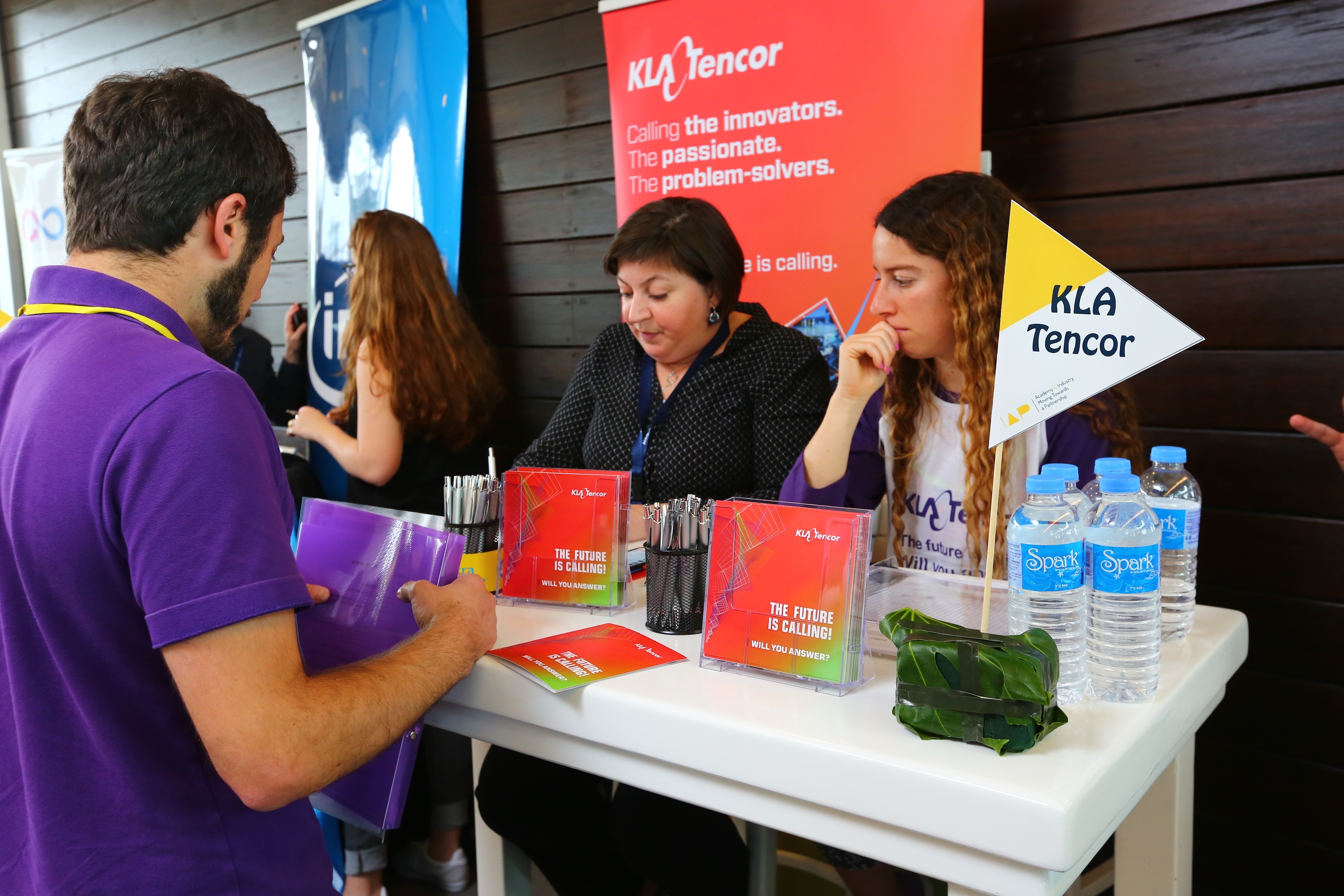
חתמנו את היום ביריד תעסוקה עבור סטודנטים לתארים מתקדמים ובוגרים, ביריד זה לקחו חלק 13 חברות מן המובילות בתעשיה.


לפרטים נוספים על הכנס כנסו ללינק: http://iap.tau.ac.il/

סיור במרכז המבקרים של קו הרכבת המהירה לירושלים

25 באפריל 2017, 9:15 
פרטי הגעה ישלחו לנרשמים  
סיור במרכז המבקרים של קו הרכבת המהירה לירושלים

סיור במרכז המבקרים של קו הרכבת המהירה לירושלים 

 בואו לבקר בפרויקט התשתיות הגדול בישראל
הקו המהיר של הרכבת ירושלים- תל אביב

 הסיור יתקיים ביום שלישי 25.04.17

הסיור מתחיל בשעה 09:30 בדיוק 

מספר המקומות מוגבל

ההשתתפות בתשלום סמלי 

 יש להירשם ולשלם מראש על מנת להבטיח מקומך 

 לתשלום בסך 25 ש"ח הקליקו כאן


סיור במרכז הלוגיסטי הגלובלי בשוהם מרלוג כולל הרצאה אודות טבע 08.06.17

08 ביוני 2017, 9:00 
פרטי הגעה ישלחו לנרשמים  
סיור במרכז הלוגיסטי הגלובלי בשוהם מרלוג כולל הרצאה אודות טבע 08.06.17

מוזמנים להצטרף לסיור במרכז הלוגיסטי הגלובלי בשוהם מרלוג
כולל הרצאה אודות טבע- איציק גול
Assoc Dir IL&APAC Warehouse, Global WH & Distribution HQ

הסיור יתקיים ביום חמישי 08.06.2017

ההשתתפות בתשלום סמלי 
מספר המקומות מוגבל 

 יש להירשם ולשלם מראש על מנת להבטיח מקומך 

לינק להרשמה

לינק לתשלום


מדריך הישרדות ליום שאחרי האקזיט ד"ר גיל ברוש

26 באפריל 2017, 18:30 
חדר 206 בניין וולפסון בפקולטה להנדסה  
מדריך הישרדות ליום שאחרי האקזיט ד"ר גיל ברוש

מדריך הישרדות לחיים שאחרי האקזיט 
ד"ר גיל ברוש 
בוגר הפקולטה, מגמה להנדסת תעשייה

בואו לשמוע מה קורה לסטארט-אפ לאורך השנים שלאחר הרכישה?
האם החלום מתגשם?
האם במבט לאחור אפשר היה לעשות זאת טוב יותר?

לפרטים והרשמה לחץ כאן
התמונה לקוחה מדה מרקר  09.03.12

עמודים

אוניברסיטת תל אביב עושה כל מאמץ לכבד זכויות יוצרים. אם בבעלותך זכויות יוצרים בתכנים שנמצאים פה ו/או השימוש שנעשה בתכנים אלה לדעתך מפר זכויות
שנעשה בתכנים אלה לדעתך מפר זכויות נא לפנות בהקדם לכתובת שכאן >>