Physical Design / Backend Student

  • Students for a B.Sc./ M.Sc. in Electrical / Computer Engineering
  • 2-3 semesters left until graduation.
  • Great team player.

NVIDIA has have some of the most forward-thinking people in the world working for us. Are you a creative and autonomous engineer who loves a challenge? Are you ready to become the engineer you always wanted to be? Come and be part of the best physical design team in the industry!

Chip Design Student

What we need to see:

  • Student for B.SC./ M.SC. in Computer Engineering/Electrical Engineering/Communication Engineering
  • High Level of English

Ways to stand out from the crowd:

Chip Architecture Student

What we need to see:

  • Student for B.Sc. in Electrical or Computer Engineering or graduate.
  • Programming skills.
  • Knowledge and understanding of compute and networking systems.
  • Your can-do attitude and high energy with leadership and excellent interpersonal skills and possess ability to learn complex concepts in a fast pace environment.
  • You have utmost passion towards attention to details on design and high focus on design quality.

Ways to stand out from the crowd:

High Speed Optical Transceiver Design Student

What we need to see:

  • Pursuing a B.Sc. or MS in Electrical Engineering
  • A passion for personal/educational projects
  • The willingness to work in a high paced project development environment
  • Excellent interpersonal and written communication skills required

Ways to stand out from the crowd:

Signal & Power Integrity Student

What we need to see:

  • B.Sc. in Electrical Engineering after minimum 5 semesters OR M.Sc./Ph.D. in Electrical Engineering. B.Sc. in Physics (a plus).
  • Electromagnetic Fields (required)
  • Waves & Distributed Systems (required)
  • Design of High Speed Digital Systems​

Ways to stand out from the crowd:

בחסות חברת VAYYAR וארגון עמיתי התעשייה של הפקולטה להנדסה

20 אוקטובר 2020
עילאי הראל והראל חמו
מימין לשמאל: הזוכים במקום הראשון עילאי הראל והראל חמו

בתאריך ה 14 לאוקטובר התקיים לראשונה יום פרויקטים מקוון לבית הספר להנדסת חשמל. פרויקט הגמר הוא גולת הכותרת של התואר הראשון בהנדסת חשמל. כל תלמיד בבית הספר להנדסת חשמל נדרש לבצע פרויקט בשנת לימודיו האחרונה כתנאי לקבלת התואר. הפרויקט יכול להתבצע בכל אחד מתחומי ההתמחות השונים והוא מהווה הזדמנות לסטודנט ליישם את הידע שרכש במהלך שנות הלימוד בפקולטה, להרחיב את אופקיו המקצועיים, ולהתנסות בעבודה מעשית. הפרויקט מתבצע בחברות בתעשייה או באוניברסיטה. חברות מובילות בתעשיית ההייטק מציעות פרויקטים לסטודנטים. במסגרת האוניברסיטה האפשרויות מגוונות, הסטודנטים יכולים לבצע את הפרויקט במעבדות הפקולטה וגם במעבדות מחקר נוספות ברחבי הקמפוס.


יום הפרויקטים

השנה השתתפו בפועל 27 פרויקטים (מתוך 150) ושלושה פרויקטים קטפו את המקום ראשון, השני והשלישי. תהליך בחירת הפרויקטים המצטיינים נעשה בדרך הבאה: הפרויקטים חולקו ל 5 קבוצות כאשר בכל קבוצה 3 שופטים, מהתעשייה ומהאוניברסיטה. שופטים מהתעשייה כללו את: יעקב (קובי) פינקלשטיין וצביאל למברגר מ-Intel, שי צימרמן, שי כהן ותום רמן מ-Nvidia, נועם יונגמן מ-IBM, רועי אליזוב ויואל יפה מ-Samsung, ירון בן אריה מ-Huawei, נפתלי חייט וצחי רוזנהויז מ-Vayyar, עדי חן מנקר מ-IAI, בני לזר מ-ELTA, ד"ר יעקב שטיין מ-RAD, ד"ר גבי דוידוב מ-ELBIT, אלכס בזרסקי מ-WDC  וד"ר אמיר בן שלום ממוזיאון המדע-ירושלים.


לכל פרויקט הוקצו כעשר דקות להצגת הפרויקט, הדגמה (באמצעות סרטונים כשיתאפשר), ומענה לשאלות השופטים. הקריטריונים העיקריים היו מורכבות הפרויקט, שליטת הסטודנטים בחומר, הצגת הפרויקט והפוסטר.


מקום ראשון: סיווג אובייקטים מחיישן לידאר (LIDAR) עבור נסיעה אוטונומית / סטודנטים: הראל חמו ועילאי הראל.

הפרויקט התבצע בתעשייה האווירית לישראל תחת הנחייתו של רועי אורפייג, מהנדס וראש צוות במפעל רובוטיקה בתעשייה האווירית (אלתא). הפרויקט מבוסס על חיישני LiDAR, למעשה חיישני לייזר המסוגלים להפיק תמונת ענן. נקודות תלת ממדי של הסביבה, הם מרכיב חיוני בהבנת זירות הרכב האוטונומי הנוכחיות, זאת בשל אדישותם לתנאי התאורה ויכולות תפיסת העומק. למידה עמוקה על ענני נקודות (תמונת הסביבה) שנוצרו על ידי חיישני LiDAR היא אתגר אלגוריתמי בשל אופיים הלא מסודר והדליל של העננים. בפרויקט מוצעת ארכיטקטורה היברידית חדשה לסיווג של סצנות LiDAR לצורך איתור אובייקטים תלת-ממדיים ביחסי גובה בלתי מוגדרים. למשל, גדרות לצד הדרך, צמחיה, שיחים וכו'. בשיטה המוצעת הסטודנטים השתמשו ברשת נוירונים מסוג-PointNet ומאומנת באופן עצמאי כרשת לחילוץ תכונות בסצנה על מנת ליצור תמונת מאפיינים רב-ערוצית אשר רשת מסוג U-net תסווג. בשיטה ניתן לסווג אובייקטים ללא ממדים מוגדרים מתוך סצנת ענן נקודות. בניגוד ל- PointNet שמוגבלת בגודל הקלט ומוגבלת לאובייקטים מוגדרים ו-PointPillars שבדרך כלל מוגבל לאובייקטים עם יחסי גובה ידועים. ההצלחה של השיטה מייצגת אפשרות לשיטה חדשה של סיווג ענני נקודות עם יכולות החיוניות להבנת סצנת הרכב האוטונומי באמצעות חיישני LiDAR.


הפנים מאחורי הפרויקט הזוכה
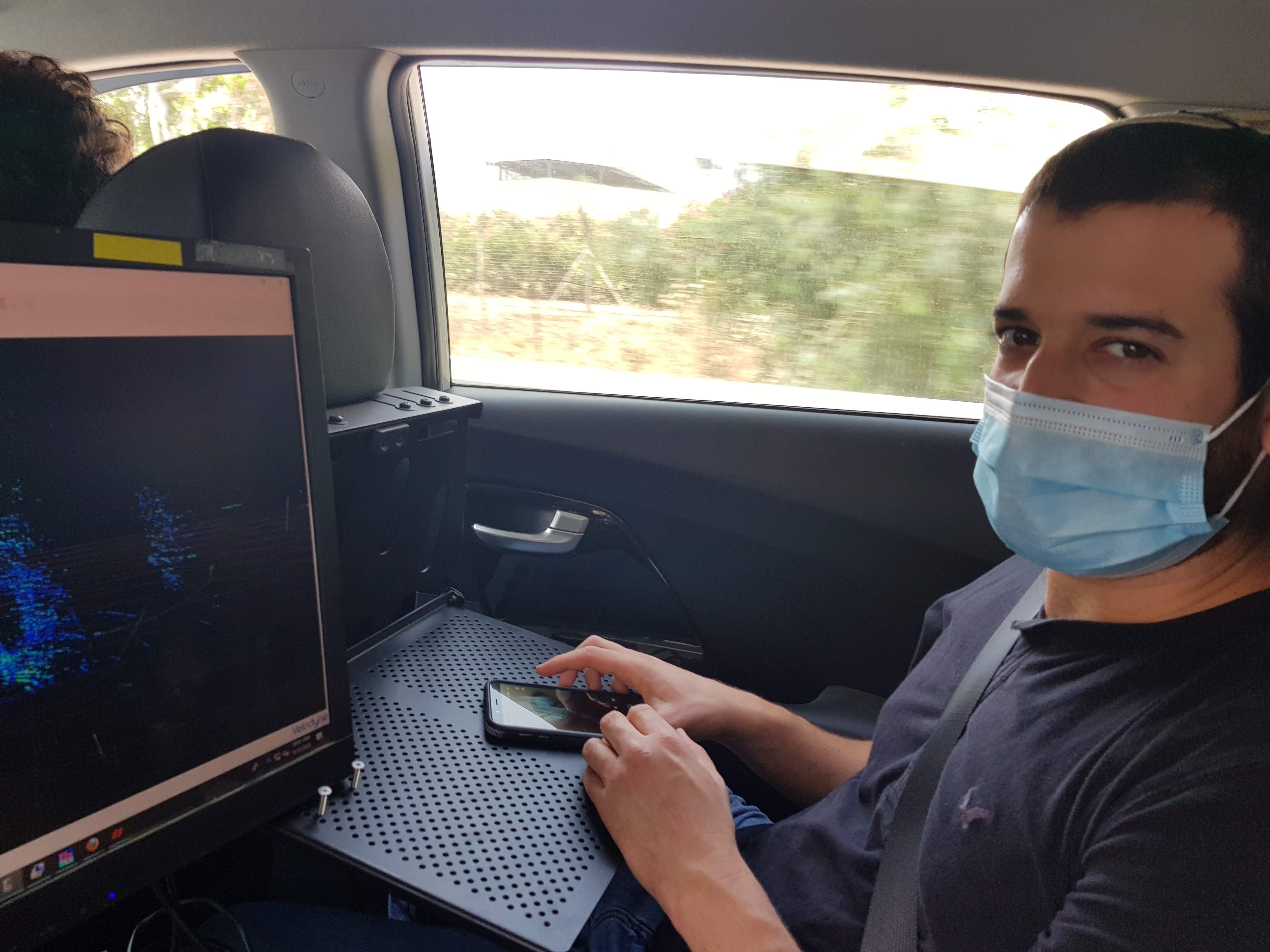
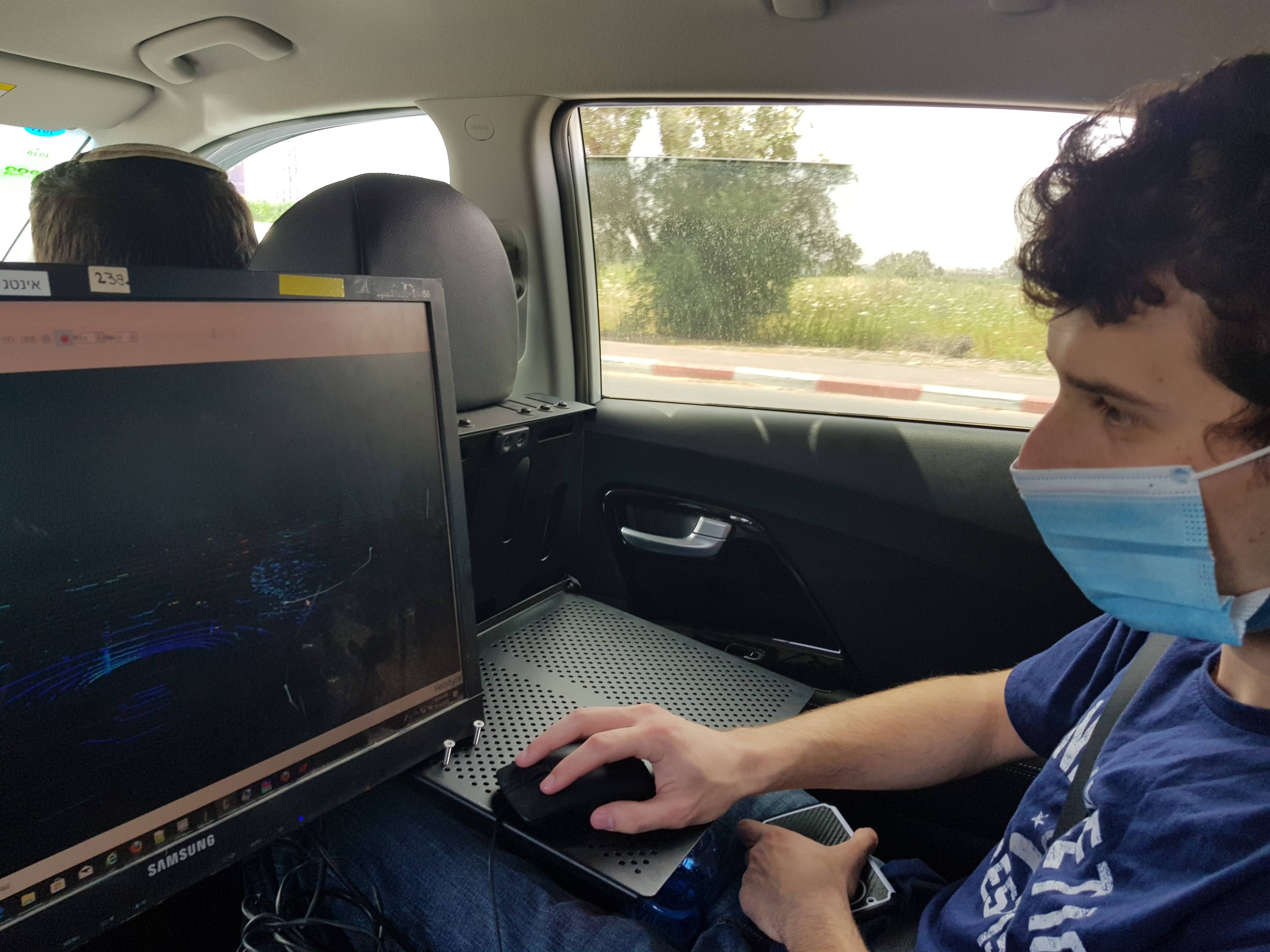
נעים מאוד, אני הראל חמו נעים מאוד, אני עילאי הראל
אני סטודנט להנדסת חשמל ואלקטרוניקה בשנה האחרונה לתואר.

אני סטודנט, בוגר תואר ראשון בפיזיקה והנדסת חשמל, חבר ברשת הבוגרים אסכולה ונמצא לפני גיוס לצה"ל בתפקיד מהנדס

"בחרתי לבצע את פרויקט הגמר שלי בתחום הזה כיוון שהוא טמן בתוכו תחומים מאוד מעניינים שבמהלך שנותיי בתואר לא נחשפתי אליהם כל כך. נוסף לכך ,במהלך חיפושיי אחר פרויקט הגמר שלי היה לי חשוב לבצע פרויקט שיהיה בעל ערך ומשמעות ושיהיה בו יכולת להועיל  לתרום אפילו במשהו קטן. זה הניע אותי לחפש את הפרויקט בתעשייה בכלל ובתעשייה האווירית בפרט. לבסוף אפשר לומר שאני למדתי המון ונחשפתי לעולם חדש ומרתק בתחום וכמובן משמח ומספק שאכן פרויקט זה יוכל להועיל בעתיד לשימושים בטחונים למדינת ישראל  ועוד שימושים טובים נוספים  למען החברה". "בחרתי לבצע את פרויקט הגמר שלי בשיתוף התעשייה האווירית עם הרכב האוטונומי משום שנראה בעיניי כהזדמנות מצוינת לרכוש ניסיון וידע בתחומי הראייה הממוחשבת ולמידה עמוקה תוך שימוש במחקרים הכי חדשים בתחומים אלו. התחלתי את לימודיי בתור סטודנט לפיזיקה במהלך התיכון בתוכנית אודיסאה. בחרתי להוסיף את לימודי ההנדסה ולעשות תואר משולב בפיזיקה והנדסת חשמל כי ראיתי בלימודי ההנדסה אפשרות ללמוד ולחקור תחום רחב של נושאים, בין היתר, תחום המחשבים ולמידה עמוקה בהם התעניינתי מאז ומעולם ורציתי לקחת בהם חלק. הפרויקט איפשר לי זאת ובזכות הנחייתו של רועי אורפייג נחשפתי לתחום ולעבודה בו בצורה רחבה ומעמיקה כפי שלא יכולתי במסגרת אחרת".


נותני החסות

החסות ליום הפרויקטים של בית הספר להנדסת חשמל ניתנה השנה ע"י חברת Vayyar Imaging העמיתה בארגון עמיתי התעשייה של הפקולטה להנדסה עוד מראשית ימיו. Vayyar Imaging מפתחת את חיישני הRF המתקדמים בעולם, המאפשרים למפות באופן תלת ממדי את הסביבה ללא שימוש במצלמה וזאת ברזולוציה מאוד גבוהה. יישומי החיישן כוללים גילוי מוקדם של סרטן השד, ראייה דרך קירות ומניעת תאונות בכבישים. החברה מפתחת חיישנים במגוון תחומים נוספים כגון בתים חכמים, IOT, חנויות חכמות, ביטחון, חקלאות, רובוטיקה ועוד. Vayyar מסייעת לאנשים ברחבי העולם לשפר את בריאותם, בטיחותם ואיכות חייהם. נפתלי חייט, CTO של החברה מסכם: "אנו גאים בהזדמנות לתמוך ביום פרויקטים בו באים לידי ביטוי הידע והחדשנות של התלמידים בסיוע המנחים שלהם. שמחנו לראות את המגוון הרחב של הפרויקטים המצוינים וגם להציג בפני המשתתפים את הפעילות המגוונת של חברתנו בעולם של חיישנים לשימושי הבטיחות השונים. אנו מקווים שהבוגרים המצוינים יבחנו את האפשרות להצטרף לשורתנו ולתרום לחדשנות של החברה".

סמינר המחלקה להנדסה ביו רפואית

01 בנובמבר 2020, 15:00 
זום  
ללא תשלום
סמינר המחלקה להנדסה ביו רפואית

Engineering Material Biointerfaces to Advance Biomedical Applications

Dynamic interfaces between materials and biological systems are found throughout the body and occur in both healthy and diseased states. I have taken inspiration from these naturally occurring biointerfaces to engineer how materials respond to their biological surroundings and how biological environments interact with materials. I used this bioinspired approach to advance applications in disease diagnostics, antimicrobial drug delivery, and regenerative engineering. During my graduate work at UC Berkeley, I developed a new class of xenon NMR/MRI turn-on probes that respond to disease microenvironments and biomarkers. As a postdoc at UCSF, I engineered drug carrier biointerfaces to treat bacterial lung infections. I developed polymeric particles that permeate mucus barriers, adhere to sites of infection, and deliver combinations of synergistic antimicrobials. I further utilized biointerface design to engineer networks of high aspect ratio particles to direct colloidal assembly dynamics for applications in regenerative medicine. Biointerface engineering will be a centerpiece of my future research program, as my lab will take inspiration from bacteria as dynamic living materials to develop biofunctional materials to study and treat bacterial infections, target tumor microbiota to overcome drug resistance, and improve the oral delivery of therapeutic bacteria and probiotics.

join zoom : https://us02web.zoom.us/j/88675034612?pwd=UzAyUVIxeC9XY21FUC9oN1Q3NkswUT09


סמינר בהנדסה ביו רפואית

01 בנובמבר 2020, 15:00 
זום  
ללא עלות
סמינר בהנדסה ביו רפואית

Engineering Material Biointerfaces to Advance Biomedical Applications

Dynamic interfaces between materials and biological systems are found throughout the body and occur in both healthy and diseased states. I have taken inspiration from these naturally occurring biointerfaces to engineer how materials respond to their biological surroundings and how biological environments interact with materials. I used this bioinspired approach to advance applications in disease diagnostics, antimicrobial drug delivery, and regenerative engineering. During my graduate work at UC Berkeley, I developed a new class of xenon NMR/MRI turn-on probes that respond to disease microenvironments and biomarkers. As a postdoc at UCSF, I engineered drug carrier biointerfaces to treat bacterial lung infections. I developed polymeric particles that permeate mucus barriers, adhere to sites of infection, and deliver combinations of synergistic antimicrobials. I further utilized biointerface design to engineer networks of high aspect ratio particles to direct colloidal assembly dynamics for applications in regenerative medicine. Biointerface engineering will be a centerpiece of my future research program, as my lab will take inspiration from bacteria as dynamic living materials to develop biofunctional materials to study and treat bacterial infections, target tumor microbiota to overcome drug resistance, and improve the oral delivery of therapeutic bacteria and probiotics.

Experimental and numerical investigation of failure initiation in pultruded composites using Phase Field Methods

09 בנובמבר 2020, 14:00 - 15:00 
בניין וולפסון 206  
0
Experimental and numerical investigation of failure initiation in pultruded composites using Phase Field Methods

~~

"ZOOM" SEMINAR
SCHOOL OF MECHANICAL ENGINEERING SEMINAR
Monday, November 9, 2020 at 14:00

Experimental and numerical investigation of failure initiation in pultruded composites using Phase Field Methods

Shirly Cherevatsky
M.Sc. student under the supervision of Prof. Zohar Yosibash

Fiber-reinforced polymer composites (FRPs), and especially pultrusions are of high interest in UAVs. Delamination (separation between the individual plies) for example can significantly reduce the strength and stiffness of the material leading to structural failure. The effect of delamination on the mechanical behavior of the unidirectional pultruded carbon/epoxy composite under compression was examined through experimental and numerical investigation.
Compressive experiments on 4-layered pultruded carbon/epoxy specimens with small circular delamination and large rectangular delamination were performed. The influence of small circular delamination was relatively small and the failure load was almost unaffected by the presence of circular delamination. On the other hand, the failure load in the presence of large rectangular delamination was considerably small compared to specimens with circular delamination.
Finite element analyses (FEA) were performed to estimate the compressive strength of the specimens and to investigate the influence of boundary conditions and imperfections in the experimental setting and initial geometry of the specimen. The FEA results compared to experiments showed higher critical loads due to modeling assumptions.
The relatively novel phase-field model (PFM) is an emerging topic that allows to model complex failure mechanisms problems. Preliminary PFM algorithms were implemented in the FE commercial code Abaqus via a user element (UEL) subroutine to investigate failure propagations in unidirectional FRPs. The PFM was found to be a convenient and effective method for predicting crack propagation in 2D domains.
Join Zoom Meeting

https://zoom.us/j/96584758181?pwd=WC9PMXdsYzJ3NFdEN2Q5ZUtOZEVjdz09 The meeting will be recorded and made available on the School’s site.

חבר סגל חדש: בית הספר להנדסת חשמל

18 אוקטובר 2020
פרופ' טל כרמון
פרופ' טל כרמון

נעים מאוד, אני פרופ' טל כרמון


הגעתי לאוניברסיטת תל אביב...מהטכניון, ולפני כן מהמרכז לאופטיקה במחלקה להנדסת חשמל באוניברסיטת מישיגן.


אם הייתי צריך לספר על המחקר שלי בכמה מילים, הייתי אומר...שאני חוקר תגובות גומלין בין אור לחומר ובין אור למבנים קטנים. כולנו מכירים את הכח הצנטריפוגאלי שאנחנו מרגישים כשהרכב שלנו פונה בסיבוב. בדומה, אור שמסתובב בטבעת מפעיל כח שרוצה להגדיל את הטבעת. בזמן הפוסטדוק בקלטק נעזרתי בכח הצנריפוגאלי שהאור מפעיל והדגמתי שאור שמסתובב בטבעת קטנה גורם לרעידות מכאניות של הטבעת. זו הייתה הפעם הראשונה שתופעה זו דווחה בספרות המקצועית. אחר כך פניתי להעזרות במצבי הצבירה השונים של החומר בהתקנים אופטים קטניים. המכשירים האופטים הקטנים שלנו נעזרים במוצקים, נוזלים, גאזים, ופלאזמה. למשל, לאחרונה הדגמנו סוג חדש של לייזר שהגלים שמתווכים את קרינת האור הם גלי מים. כמו כן הדגמנו התקנים קטנים מאוד, שעפים, ממש כמו מטוס, בגובה נמוך מאוד (ננומטרים ספורים) מעל התקנים אחרים.


הישגים שאני גאה בהם...אני גאה בסטודנטים שלי שעכשיו פרופסורים באוניברסיטאות מובילות בעולם. 


המטרות למעבדה החדשה שלי...הן לבנות מקום נעים לעבודה, שבו חוקרים תופעות בסיסיות בטבע וישומים של אופטיקה לתעשייה. למשל מדידת סטיות מכבידה ניוטונית במרחקים קצרים שהתאורטיקאים חוזים, ובניית מכשירים אופטיים כגון גירוסקופים.


כשאני לא באוניברסיטה...אני מטייל, רוכב על אופניים וסיקייטבורד, מבשל ומבלה עם המשפחה וחברים.


אם לא הייתי חוקר הייתי...לוליין.


ליצירת קשר איתי...

03-6405214

tal.carmon@gmail.com


***סטודנטים המתעניינים בלימודים לקראת דוקטורט מוזמנים ליצור קשר

עמודים

אוניברסיטת תל אביב עושה כל מאמץ לכבד זכויות יוצרים. אם בבעלותך זכויות יוצרים בתכנים שנמצאים פה ו/או השימוש שנעשה בתכנים אלה לדעתך מפר זכויות
שנעשה בתכנים אלה לדעתך מפר זכויות נא לפנות בהקדם לכתובת שכאן >>