חוקרים מהמחלקה למדע והנדסה של חומרים פרסמו שני מאמרים המציגים אסטרטגיות חדשות לשיפור הביצועים והעמידות של תאי דלק מימניים.

  • תגיות:

החוקר.ת מאחורי המחקר

ד"ר בריאן רוזן, ראש המעבדה לחומרי אנרגיה בפקולטה להנדסה אוניברסיטת תל אביב חוקר מגוון נושאים חיוניים שעשויים לשמש תשתית לפיתוח אנרגיה חלופית וירוקה, לייצור דלק סינתטי ולפיתוח תאי דלק עבור מגוון יישומים. במאמרו שפורסם לאחרונה מראה ד"ר רוזן כיצד ניתן להכין חומרים חדשים לשיפור פעילות תא הדלק האלקליין.


לתאי דלק אלקליין יתרונות רבים על פני תאי דלק חומציים בכל הנוגע ליציבותם וחייהם, אך הפעילות שלהם (כלומר כמה כוח הם יכולים לייצר) נמוכה מתאי הדלק החומציים. היום עדיין משתמשים בתאי דלק חומציים במקום בתאי דלק אלקליין מכיוון שתגובת האנודה (האלקטרודה בה מתרחשת תגובת חמצון) בתאי דלק אלקליין, המפרקת את המימן, עדיין איטית מדי.


הולכים לכיוון ירוק יותר

מימן עשוי למלא תפקיד מרכזי בכלכלת "האנרגיה" שלנו בעתיד בזמן שאנו נלחמים נגד העלאת הפחמן-הדו-חמצניCO2) ) ושינויי האקלים. תאי דלק מימן יכולים לספק לנו דרך להמיר מימן לחשמל לפי דרישה ולשמר תוך כדי כך על סביבה נקייה.


לאחרונה עבד ד"ר רוזן על מחקר חדש בשיתוף פעולה עם חוקרים מהטכניון - פרופ' דריו דקל, וחוקרים ממדינות נוספות כמו סין, פורטוגל וארה"ב, בו פיתחו סוג חדש של חומר קרמי מבוסס על מתכות מעבר קרבידיות היכול להעלות את הביצועים של תא דלק אלקלי.(AFC)


תא דלק אלקליין הוא סוג של תאי יונים הידרוקסיד (OH-) החוצים את הממברנה מקתודה לאנודה. זאת בניגוד לתא דלק חומצי שבו פרוטונים (H +) חוצים את הממברנה בכיוון השני מאנודה לקתודה. ההבדל בין תא דלק אלקליין לחומצי הוא סוג הממברנה המשמשת, סוג היון המועבר וה- pH שלו
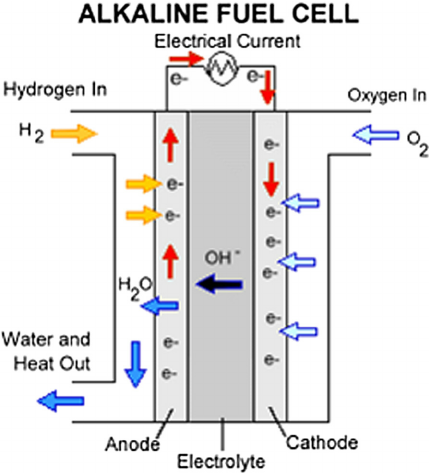
בתמונה: תא דלק אלקליין


לייצר יותר כוח

ממצאי המחקר של ד"ר רוזן מצביעים על כך שניתן להביא לסוף של פליטת CO2 ולייצר חשמל, מים וקצת חום רק ע"י הזנת מימן וחמצן.


בעוד שתאי דלק אלקלים מספקים שיפור בעמידות התא, הם אינם יכולים לייצר צפיפות הספק כמו תאי דלק חומציים בגלל הקינטיקה הנמוכה בפירוק המימן. מחקר זה הראה כיצד סגסוגות של מתכות מעבר קרבידיות המבוססות מוליבדינום וטנטלום יכולות להאיץ תגובה זו ולשפר את ביצועי תאי הדלק. כלומר, בתא דלק אלקליין, הצד המפצל את דלק המימן (האנודה) הוא ההחלקה האיטית. על ידי חקירת זרזים חדשים של מתכת קרביד, אנו לומדים כיצד להפוך את התגובה למהירה יותר על מנת לאפשר לתאי דלק אלקליין לייצר יותר כוח.


ניסויים במאיץ החלקיקים 

אלירן חמו, כותב ראשי של המאמר ודוקטורנט במעבדה של ד"ר רוזן - במסגרת המחקר, היה המדען הישראלי הראשון שביצע ניסויים במאיץ החלקיקים SESAME ושזה עתה הוקם באלאן, ירדן. באמצעות שימוש בקרינת רנטגן במאיץ החלקיקים, צוות החוקרים אימת את הממצאים החישוביים כי סגסוגות של מתכות מעבר קרבידיות יכולות להוביל לשיפור בפעילות הקטליטית.


המחקר פורסם בכתב העת- ACS Catalysis,  אחד מכתבי העת המובילים בעולם בתחום הקטליזה - קישור למאמר


שיפור נוסף בביצועים והעמידות הקטליטית

במחקר מקביל, פיתחו אלירן חמו ועמיתתו לעבודה רעות ספורטה (גם היא מהמעבדה בראשות ד"ר בריאן רוזן) שיטה חדשה המבוססת על ייצור של זרזים נמוכי מימד המבוססים פלטינום בשיקוע אלקטרוכימי על גבי מצע של מוליבדנום קרביד, וזאת כדי להביא שיפור נוסף בביצועים והעמידות הקטליטית.

מחקר זה התקבל ופורסם בכתב העת ACS Applied Energy Materials

קישור למאמר


מקורות מימון למאמר


אלה שמתאהבים בבעיה הם אלה שממציאים לה פתרון

Firmware Engineer - University Graduate

  • Recently graduating with a B.Sc. degree in Electrical Engineering, Computer Engineering or Computer Science
  • Programming Knowledge in C/C++
  • Great teammate, responsible and motivated
  • Advantage – knowledge in networking, Linux and scripting languages

Advanced Development Software Architect

What we need to see:

  • M.Sc. or Ph.D. in Computer Science or related field
  • Experience with Ethernet/IP technologies
  • Demonstrated leadership in inventing new technologies leading to product impact
  • Demonstrated leadership in collaborative industry and active research projects
  • Able to work independently, work with customers and guide R&D teams

Ways to stand out from the crowd:

Firmware Engineer - University Graduate

What we need to see:

  • Recently graduated with B.Sc. in Computer Science/Engineering (or equivalent experience)
  • Strong C/C++ capabilities
  • Excellent understanding of data structures and algorithms fundamentals
  • Scripting abilities (Python, Bash)
  • Strong analytical, debugging and problem solving skills
  • Motivated and independent with strong interpersonal skill


Ways to stand out from the crowd:

הנכם מוזמנים לסמינר של נוי כהן אורח בבית הספר להנדסה מכאנית

08 במרץ 2021, 14:00 - 15:00 
הסמינר יתקיים בזום  
0
הנכם מוזמנים לסמינר של נוי כהן אורח בבית הספר להנדסה מכאנית


"ZOOM" SEMINAR

School of Mechanical Engineering Seminar
Monday, March 8, 2021 at 14:00

The mechanics behind the counter-intuitive behaviors of biological gels


Noy Cohen

Department of Materials Science and Engineering

Technion – Israel Institute of Technology


   Hydrogels are formed when a polymer network is submerged in an aqueous environment. This process is referred to as swelling. In this talk, we will review the classical swelling theory and demonstrate its inability to capture the swelling response of two biological polymeric systems.

First, I will discuss the mechanical response of resilin, which is a rubber-like protein found in insects that exhibits a significant reduction in stiffness (of several orders of magnitude) upon swelling. This drastic softening effect cannot be explained by the volumetric changes that are associated with the pure swelling process and thus is not captured by the classical theories. Rather, the swelling response of resilin stems from its unique microstructure which comprises a large number of hydrogen cross-linking bonds that dissociate in the presence of water. I will introduce a microscopically motivated model that explains the origin of this response and captures experimental findings.

The second biological system that we will discuss is spider silk, which is an extraordinary protein material. In the dry state, spider silk is a highly aligned glassy polymer. Upon wetting, spider silk threads soften and experience supercontraction, i.e., a significant shortening of up to ~60% in length. To explain this counter-intuitive response, I will present a model that shows this phenomenon stems from three factors: dissociation of hydrogen bonds due to an influx of water, loss of orientation, and swelling. This model is found to be in excellent agreement with experimental measurements.

            The insights from these works can be used as a design guide that enables the fabrication of new bio-inspired synthetic polymers with unique and tunable properties.

Bio: Noy Cohen received his Ph.D. from the Ben-Gurion University in 2016.  After two post-docs in the California Institute of Technology and the University of California Santa Barbara, Noy accepted an Assistant Professorship position at the Department of Materials Science and Engineering, Technion in the beginning of 2019. His research interests include multi-scale modelling of polymer networks and gels, mechanics of muscles, and 3D printing.

Zoom Meeting

  •  


פרופ' עופר עמרני 

​הננו לוויין הראשון של אוניברסיטת תל אביב

אוניברסיטת תל אביב עושה כל מאמץ לכבד זכויות יוצרים. אם בבעלותך זכויות יוצרים בתכנים שנמצאים פה ו/או השימוש שנעשה בתכנים אלה לדעתך מפר זכויות
שנעשה בתכנים אלה לדעתך מפר זכויות נא לפנות בהקדם לכתובת שכאן >>