EE Seminar: On the Problem of On-Line Learning with Log-Loss

03 בינואר 2018, 15:30 
חדר 011, בניין כיתות-חשמל  


Speaker: Yaniv Fogel

M.Sc. student under the supervision of Prof. Meir Feder


Wednesday, January 3th 2018 at 15:30

Room 011, Kitot Bldg., Faculty of Engineering


On the Problem of On-Line Learning with Log-Loss


Abstract


Broadly speaking, the task of inductive learning aims at utilizing past examples of data features and respective outcomes into a better prediction of the next outcome given its respective data sample.


In this talk we will consider the problem of on-line learning with respect to the logarithmic loss, where the learner provides a probability assignment for the next label given the past and current data features and the past labels.


Our first result is a class of new universal on-line probability assignment schemes based on the mixture approach.


Now, in classical learning, it is well known that there are model classes that can be learned in batch, but cannot be learned sequentially for adversarial data features and outcome sequences.


We show that for these model classes the proposed mixture schemes lead to a vanishing regret in the individual setting when the adversary is somewhat constrained.


In the stochastic setting we show that any on-line solution for the log-loss may be used to obtain a solution for a wide variety of loss functions.

EE Seminar: Structure and Complexity Aspects of Communication and Detection

01 בינואר 2018, 15:00 
חדר 011, בניין כיתות-חשמל  

(The talk will be given in English)


Speaker:     Dr. Lele Wang
                   Stanford University


Monday, January 1st, 2018
15:00 - 16:00

Room 011, Kitot Bldg., Faculty of Engineering


Structure and Complexity Aspects of Communication and Detection


Abstract

Seven decades ago, Shannon established the fundamental limits of point-to-point communication. Since then, designing explicit code structures with low encoding/decoding complexity for practical communication systems has been an active research area. Recently, two classes of low-complexity codes--polar codes and spatially coupled LDPC codes--were shown to achieve the theoretical limits of point-to-point communication. However, in various other communication and detection scenarios, despite decades of research, there is still a gap between theory and practice. Advanced coding schemes in Shannon theory, which are shown to significantly boost the theoretical performance, typically incur a prohibitive computational complexity. Consequently, designing low-complexity implementable coding schemes that achieve optimal theoretical rates is a key challenge for practical system design.

In this talk, I will showcase how to design appropriate code structures in various distinct communication and detection problems, including interference management, universal channel coding, and phase detection for positioning systems. Leveraging tools from information theory, coding theory, communication theory, graph theory and combinatorics, these schemes achieve optimal theoretical rates while maintaining an implementable encoding/decoding complexity. I will conclude by briefly  discussing future research directions in emerging data science applications through the lens of structure and complexity. 
 

Bio
Lele Wang is a postdoctoral researcher in Electrical Engineering at Stanford University. She spent one year at Tel Aviv University before joining Stanford, also as a postdoctoral researcher. She received the Ph.D. degree in Communication Theory and Systems at the University of California, San Diego. Her research interests include information theory, coding theory, communication theory, graph theory and combinatorics. She is a recipient of the 2013 UCSD Shannon Memorial Fellowship, the 2013-2014 Qualcomm Innovation Fellowship, and the 2017 Center for Science of Information (CSoI) Postdoctoral Fellowship. Her Ph.D. thesis "Channel coding techniques for network communication" won the 2017 IEEE Information Theory Society Thomas M. Cover Dissertation Award.

School of Mechanical Engineering Prof. Alex Yakhot (BGU)

14 במרץ 2018, 14:00 - 15:00 
 
0
School of Mechanical Engineering Prof. Alex Yakhot (BGU)


School of Mechanical Engineering Seminar
Wednesday, March14, 2018 at 14:00
Wolfson Building of Mechanical Engineering, Room 206


TURBULENCE IN A LOCALIZED PUFF IN A PIPE


Alexander Yakhot

Department of Mechanical Engineering, Ben-Gurion University, Beersheva, Israel


We have performed direct numerical simulations of transient turbulence in a pipe flow for Re=2,250 which has been recognized as a threshold for an equilibrium puff. We investigated the structure of an individual puff by considering three-dimensional snapshots over a long time period. To assimilate the velocity data, we applied a conditional sampling based on the location of the maximum energy of the transverse (turbulent) motion. Specifically, at each time instance, we followed a turbulent puff by a three-dimensional moving-window centered at that location. We collected a snapshot-ensemble of the velocity fields acquired over 10,000 time instances (snapshots) inside the moving-window. The considered flow is intermittent and transitional. The velocity field inside the puff shows the dynamics of a developing turbulence. The localized puff is about 12-15 pipe diameters long and the flow regime upstream of its trailing edge and downstream of its leading edge is almost laminar. In the puff core, despite the low Reynolds number, the turbulence statistics becomes similar to a fully-developed turbulent pipe flow and the velocity profile becomes flat in the pipe core and logarithmic near the wall. It is shown that this “fully-developed turbulent gap” is very narrow being about two pipe diameters long.


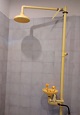
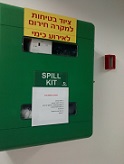
מתקן לאירוע כימי – צבעו ירוק מפתח לפתיחת המתקן בתיבה סגורה בסמוך. מקלחון חירום צבעו צהוב


בנין

מיקום

תמונה

רב תחומי

קומת כניסה וקומה שניה

מקלחון חירום בשרותי גברים

רב תחומי

קומה רביעית – במרכז הקומה

מתקן לאירוע כימי 

מקלחון חירום בשרותי גברים


וולפסון

קומה שניה ליד מעבדה 270

מתקן לאירוע כימי 

מקלחון חירום

וולפסון

קומה שניה ליד מעבדה 274

מקלחון חירום


וולפסון

קומה שלישית ליד מעבדה 349

מתקן לאירוע כימי 

וולפסון

קומה רביעית ליד מעבדה 404

מתקן לאירוע כימי 


בנין מעבדות חשמל

קומה שניה ליד מעבדה 215

מתקן לאירוע כימי 

בנין כיתות חשמל


בנין הנדסת תוכנה


חברי ועדת הבטיחות – פקולטה להנדסה

שם

תפקיד

טלפון

מייל

גב' הילה אלוני

ראש מנהל 

8736

hillaaloni@tauex.tau.ac.il

פרופ' שחר ריכטר

יו"ר הועדה

5711

shacharrichter@gmail.com


גיל חיון אחראי בטיחות 8795 gilha@tauex.tau.ac.il

ד"ר תומר בכר

נאמן בטיחות לייזר

7296

tomerba@post.tau.ac.il


ד"ר דותן קמבר נאמן בטיחות לייזר 7399 dotank@tauex.tau.ac.il

ד"ר ורד כהן-יניב

אחראית תחום חומרים כימיים בוועדה 

5633

verver812@post.tau.ac.il


ד"ר אירית סופר-שפיר

נאמן בטיחות לייזר

5327

iritso@post.tau.ac.il


גב' רותי גוטליב

אחראית תחום חומרים ביולוגים בוועדה 

5837

ruthg@post.tau.ac.il


ד"ר רחל שמואל

נאמנת בטיחות מכנית

8126

rahelsh@tauex.tau.ac.il


מר עופר אורן

אחראי רעלים בפקולטה

5749

ofero@tauex.tau.ac.il


ד"ר רמונה אהרונוביץ' נאמנות בטיחות ביולוגית

6824

6823

ramonaa@tauex/tau/ac/il
ד"ר עדי הנדלר נוימרק נאמנות בטיחות ביורפואית וכימית 4340 adihendler@tauex.tau.ac.il

מר אבי עובדיה

מרכז משק

8120

aviov@tauex.tau.ac.il


מר מולוגטה אנדרגי

אב הבית

8121

mulua@tauex.tau.ac.il


מר אופיר בתת

אב בית 

8424

ophirb@tauex.tau.ac.il


מר תמיר אילן

נאמן בטיחות חשמל

8526

tamir87@tauex.tau.ac.il


מטרתו של אתר זה להנחות ולעדכן את החוקרים, הסטודנטים והעובדים בנהלי הבטיחות בפקולטה להנדסה. לאפשר סביבת עבודה בטוחה יותר ולהנגיש את המידע והחומר לכלל העובדים.

במסגרת פעילות הפקולטה להנדסה בתחום הבטיחות, מתכנסת ועדת הבטיחות מספר פעמים בשנה על מנת לטפל בבעיות שוטפות בנושאי בטיחות וכן לקדם באופן משמעותי את שירותי הבטיחות בפקולטה.

חברי הועדה עורכים סיורי בטיחות במעבדות על מנת להעלות את המודעות וכן לתת מענה לבעיות שעולות.

האתר כולל את רשימת האחראים בנושאי בטיחות שונים, על מנת לאפשר פניה בכל בעיה.

באתר מעודכנים:

  • מתקני הבטיחות שעומדים לרשות העובדים ברחבי הפקולטה.
  • הנחיות בטיחות בנושאים שונים, כולל הנחיות לפינוי פסולת רעילה.
  • טפסים וקישורים בנושאי בטיחות שונים.

בתקווה שאתר זה ישרת את קהילת הפקולטה במניעת מפגעים ומתן מידע זמין יותר בנושאי בטיחות.

בברכה,

פרופ' שחר ריכטר - יו"ר ועדת  בטיחות

"לא נכשלתי, פשוט מצאתי 10,000 דרכים שבהן זה לא עובד" תומאס אדיסון

למה בעצם ללמוד הנדסת חשמל? פרופ' ערן סוחר - ראש בית הספר להנדסת חשמל מסביר

אי פעם עצרת לחשוב איך נראו החיים לפני החשמל? לפני החשמל הכול נעשה פיזית, עם הידיים, או לכל היותר עם כלים מכניים מסורבלים. אלא שאז לפני 200 שנה גילו את החשמל, ויחד איתו את הגלים האלקטרומגנטיים, והחיים השתנו דרמטית: פתאום היה אפשר לעשות הכול, רחוק יותר, מהר יותר, חזק יותר, טוב יותר, יעיל יותר ואפילו זול יותר. חשמל הוא הנורה בתקרה והרחפן בשמיים, הטוסטר אובן והרכב האוטונומי, הרמקולים וסירי, הטלפון החכם וההדמיה הרפואית, התקשורת והמחשבים והאינטרנט. וזה הרגע שלך ליצור את הדבר הבא באמצעות הכוח המטורף, חסר המעצורים, שהאנושות רק מתחילה להבין את הפוטנציאל שלו.


למה אצלנו?...קודם כל כי אנחנו באוניברסיטת תל אביב, שהיא בין האוניברסיטאות המובילות בעולם שגם יושבת בלב עמק הסיליקון הישראלי, מוקפת במאות חברות וסטארטאפים. ומה החברות האלה רוצות? הן רוצות אותך. הן משוועות להכשרה שאפשר לקבל אצלנו – והשכר בהתאם לביקוש. אבל הקשר שלנו עם התעשייה הוא דו-סטרי: היא נכנסת לתוך בית הספר, מנחה פרויקטים, יוזמת יוזמות ומשתפת פעולה איתך עוד במהלך התואר.


מה אפשר לעשות עם זה ואיפה עובדים אחרי זה?...הנדסת חשמל זה כנראה התואר הכי מגוון שקיים. הוא מכסה קשת רחבה של נושאים, מדברים שנוגעים בפיזיקה ועד דברים שנוגעים במחשבים. ובשוק תעסוקה טרנדי ולא-יציב, תמיד תהיה עבודה בהנדסת חשמל. עם תואר בהנדסת חשמל אפשר לעסוק בתכנות, במעבדות בתחום, לעסוק בניסויים בשטח, להמציא פטנטים ולהקים סטארטאפים. לדוגמא, מהנדסי ומהנדסות אלקטרוניקה מתכננים מעגלים ומערכות, כותבים תוכנה - בעיקר למעבדים זעירים ולרכיבים אלקטרונים שניתנים לתכנות - מפתחים אלגוריתמים לביצוע פעולות שונות, ועוד. ניתן להשתלב בעבודה במגוון תעשיות היי-טק אזרחיות ובטחוניות בתחומי האלקטרוניקה, התקשורת והמחשבים וכן בתעשיות מסורתיות, במוסדות ממשלתיים ומכוני מחקר. מהנדסי ומהנדסות חשמל מועסקים גם במתקנים המפיקים חשמל ואנרגיה כמו תחנות כח ומתקנים של חברת החשמל. ניתן לעבוד גם במשרדים פרטיים לייעוץ הנדסי וכמובן להפוך ליזמים בעמצכם/ן. 


איך אפשר ללמוד את זה?...התואר בפקולטה להנדסה אורך ארבע שנים. בהתחלת התואר יש את קורסי התשתית – למשל מתמטיקה, פיזיקה ותיכנות. אחר כך יש קורסי ליבה, ביניהם: אותות ומערכות, נתונים ואלגוריתמים, עולם האלקטרוניקה וגלים אלקטרומגנטיים. מכאן ממשיכים אל מסלולי ההתמחות. כל סטודנטית וסטודנט צריכים לבחור שלושה מבין תשעה מסלולים: תקשורת, עיבוד אותות (כולל למידה חישובית), בקרה ורובוטיקה, מחשבים, התקנים אלקטרוניים, קרינה וגלים, אלקטרו-אופטיקה, אנרגיה וביו-הנדסה/חומרים. ובסוף-בסוף – פרויקט סיום התואר. זאת ההזדמנות לקחת בעיה ולבנות מערכת שתפתור אותה, מההתחלה ועד הסוף.


התחום הכי מתאים ל...מי שרוצה להבין איך עובדים לוויינים, טלפונים סלולריים, מנועים חשמליים, טלוויזיות, מחשבים אישיים וכל שאר מכשירי החשמל שהופכים את חיי היומיום שלנו לנוחים ומודרניים. מי שרוצה לקחת חלק בפיתוח טכנולוגיות העתיד כגון iPhone10 או הבינה המלאכותית שתשפר את חיי האנושות בעשורים הבאים. אם יש לכם יכולת הסתגלות לקצב המהיר והמתמיד של שינויים וחידושים טכנולוגיים - זה התחום בשבילכם. 


מזמינים אתכם ואתכן להצטרף אלינו, למקום בו ממציאים את המהפכה הבאה


פרטים נוספים והרשמה

הצגה מקרוב של טכנולוגיית המחר

21 דצמבר 2017
Huawei
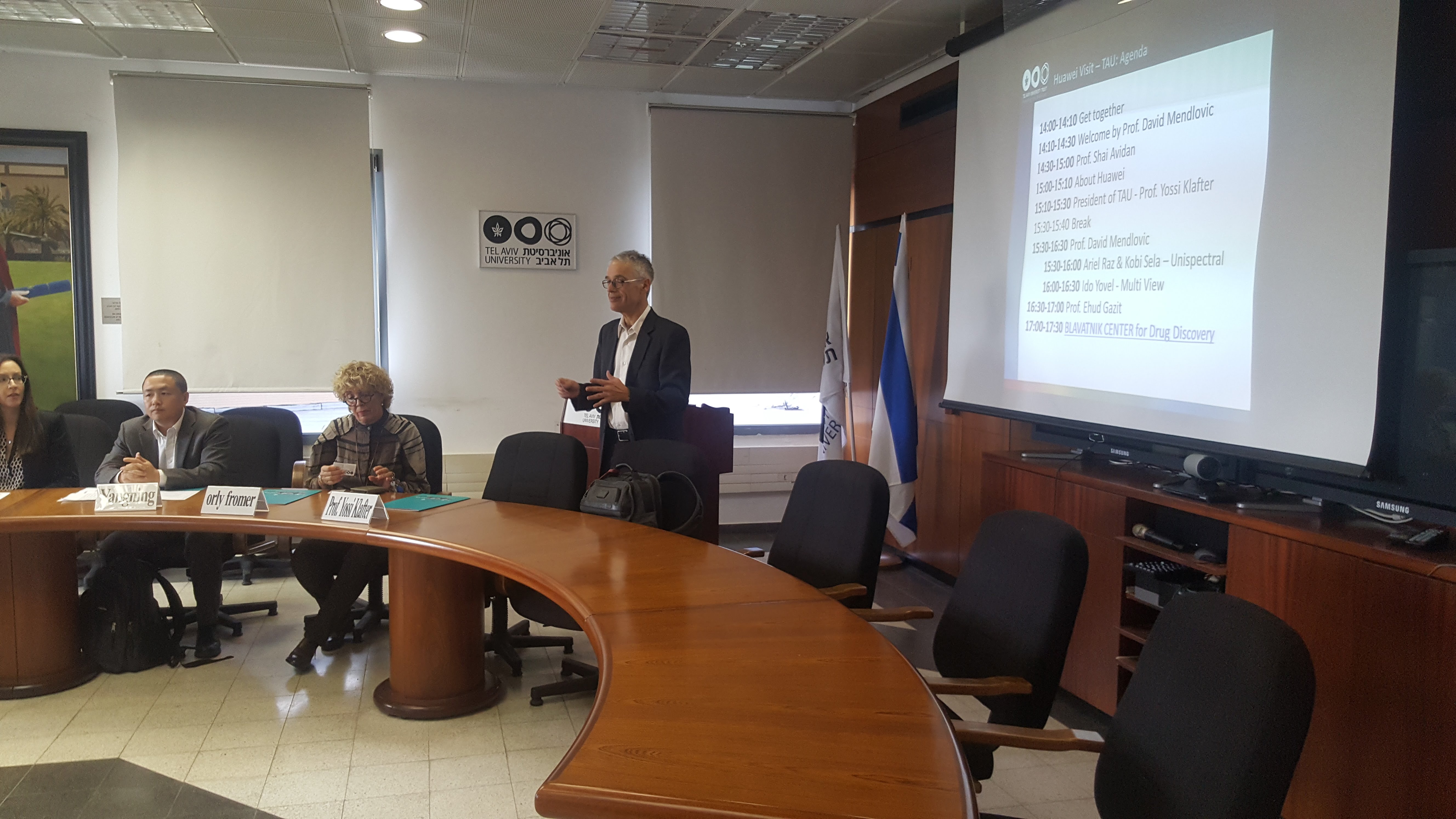
מימין לשמאל: איציק מלובני (נשיא Huawei ישראל), פרופ' מנדלוביץ (יו"ר IAPׂ), פרופ' קלפטר (נשיא אוניברסיטת ת"א), אריק שו (מנכ"ל שותף Huawei), ג'ואו הונג (נשיא ERIׂ)

חברת Huawei ואקדמיה

חברת Huawei היא מהבולטות מחברות הענק הסיניות ומובילה בעולמות התקשורת והמכשירים הניידים. החברה מתמקדת בחיפוש שיתופי פעולה בישראל בכדי למנף את החדשנות והיצירתיות של המהנדסים הישראליים לצרכי החברה. בין היתר, נבדקות אפשרויות של שיתופי פעולה עם האקדמיה בישראל. מטבע הדברים, אוניברסיטת תל אביב מהווה יעד ראשון למאמץ זה.

במסגרת ביקור קצר של מנכ"ל משותף של החברה, אריק שו ואיציק מלובני, נשיא Huawei ישראל, התבקשנו לארח את משלחת של החברה ולהציג בפניהם מספר פרויקטים נבחרים שפותחו בפקולטה להנדסה. פרוייקטים אלו העניקו לאורח מבט על החדשנות הפוטנציאלית במוסד שלנו. הכוונה היא למצוא מנועים עתידיים ליישום השת"פ כגון מחקר ממומן, מלגות, מרכזי מחקר ומעבדות ייעודיות.


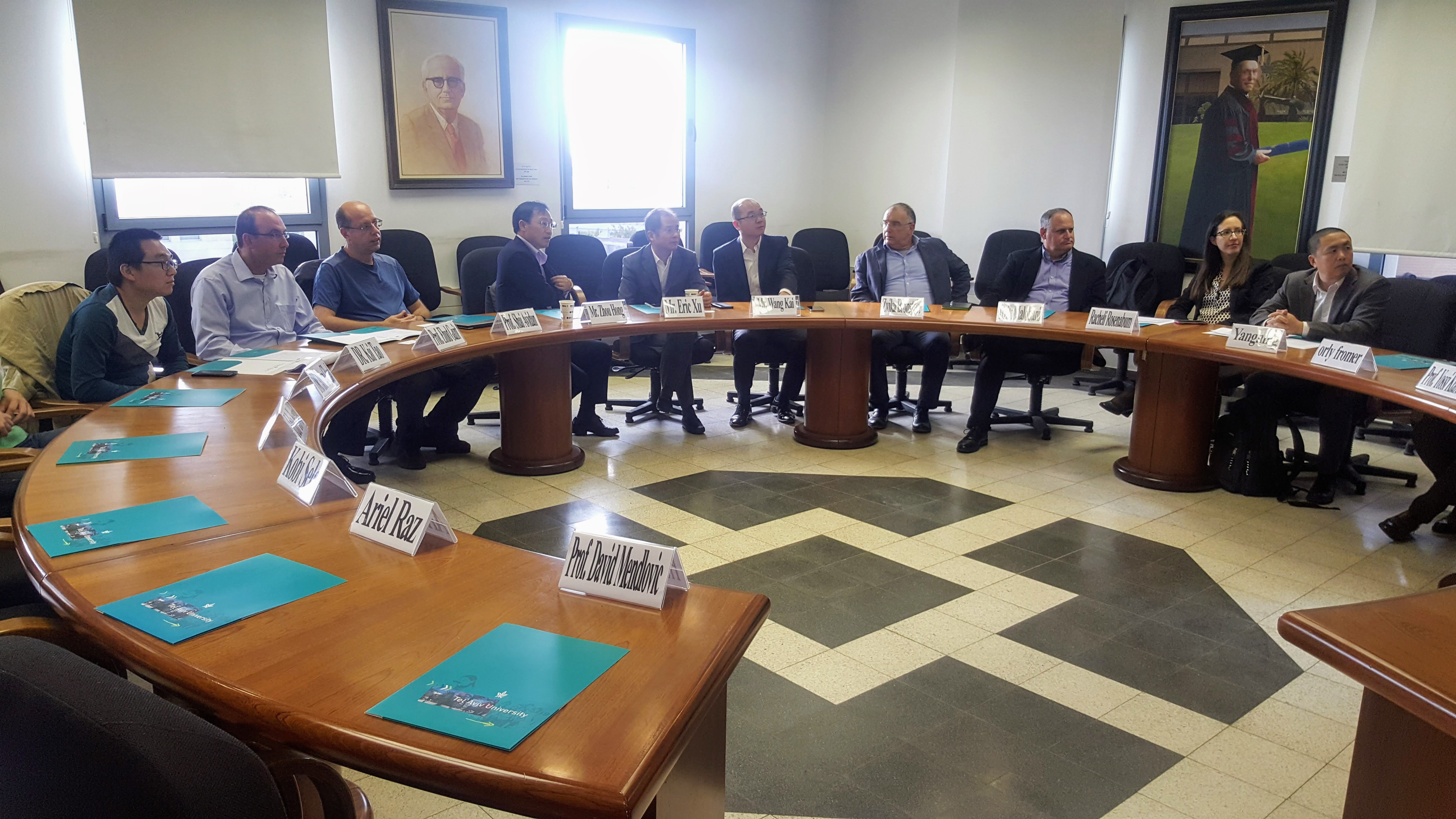
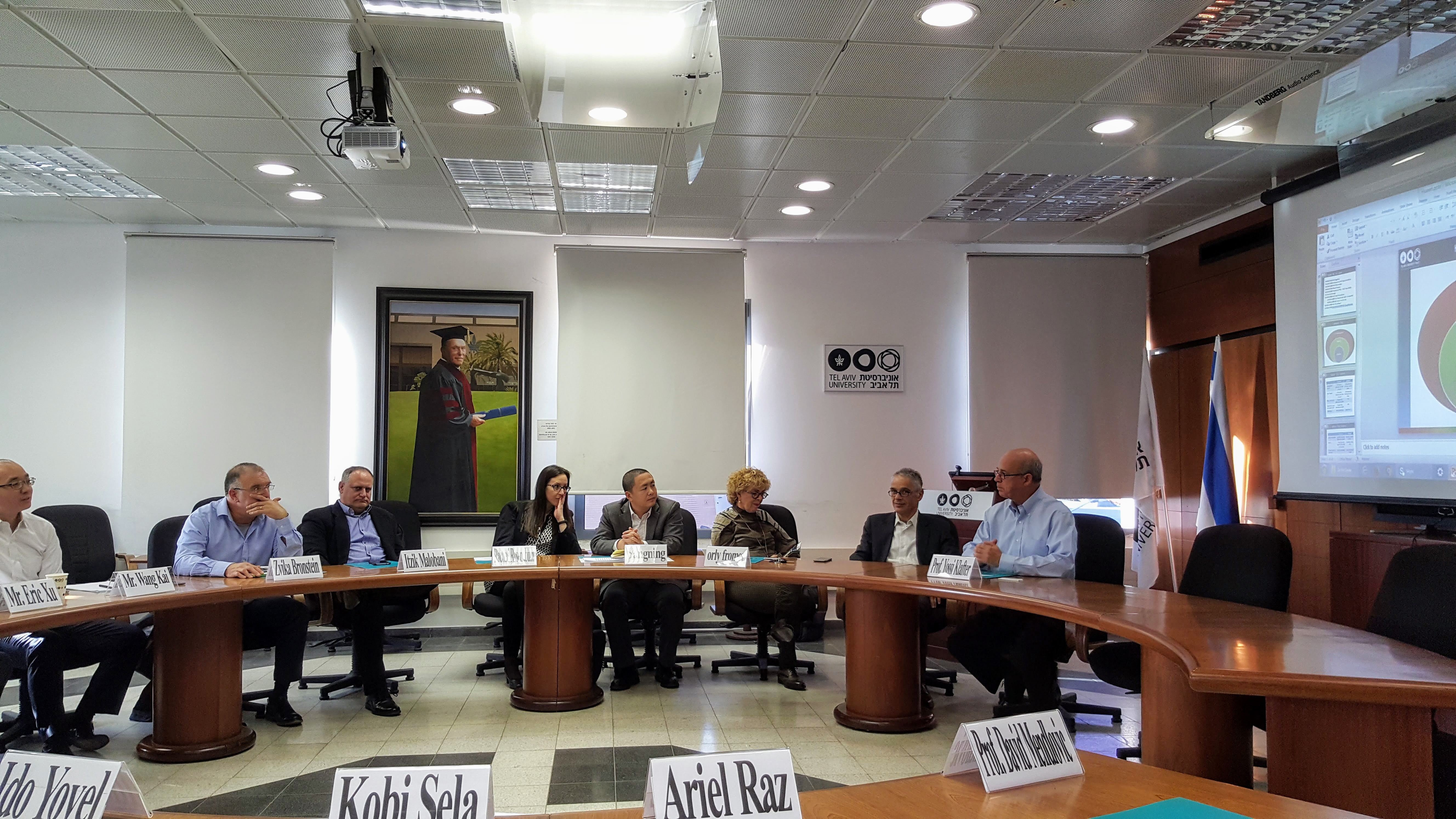
שולחן עגול

הביקור אורגן ע"י צוות IAP של הפקולטה להנדסה באוניברסיטת ת"א. הביקור כלל פגישה עם נשיא האוניברסיטה פרופ' קלפטר, הרצאות של חוקרים שנבחרו ע"י הנהלת Huawei כגון פרופ' שי אבידן אשר למד אותנו על החדשנות האחרונה ב Machine Vision, פרופ' אהוד גזית מומחה לננו-טכנולוגיה ומהרכז החדש לגילוי תרופות ע"ש בלווטניק אשר דבר על חומרים חכמים מבוססי חלקיקים ננומטרים. כמו כן מנכ"ל יוניספקטרל, קובי סלע, הציג את פרוייקט הדגל של החברה "מצלמה היפר-ספקטרלית" שפותחה בפקולטה להנדסה. פרופ' דוד מנדלוביץ, יו"ר ארגון ה IAP הציג את פרויקט מומנטום multi view המפתח מצלמה חדשנית לאימות (Authentication), שאף היא פותחה בפקולטה להנדסה. בנוסף התקיים דיון פתוח בין נשיא האוניברסיטה לבין המנכ"ל אריק שו האופן שנוכל להמשיך ולשתף פעולה.


חדשנות ויזמות

"ביקור זה משתלב במאמצים הגדלים של תעשיית ההי טק העולמית לשתף פעולה עם אוניברסיטת תל אביב. החברות מזהות את החדשנות הרבה הנוצרת באוניברסיטה שלנו, את הפרויקטים התכליתיים שרבים מהם הולידו פריצות דרך מסחריות, את רוח היזמות הידועה של התלמידים והבוגרים שלנו ואת הגישה שחיובית לקידום שיתופי פעולה מסוג זה". כך מסכם פרופ' מנדלוביץ, ממציא ויזם בפני עצמו וחבר סגל בכיר בפקולטה להנדסה את הביקור.

פרופ' דוד מנדלוביץ

סמינר המחלקה להנדסה ביו רפואית -הרצאת אורח של פרופ' ראמי חג'-עלי

31 בדצמבר 2017, 14:00 
 
סמינר המחלקה להנדסה ביו רפואית -הרצאת אורח של פרופ' ראמי חג'-עלי

Nonlinear and Large Deformation Formulations of the Parametric HFGMC Micromechanics for Soft and Hard Tissues
Rami Haj-Ali
The Nathan Cummings Chair in Mechanics
Faculty of Engineering, Tel-Aviv University, Israel, rami98@tau.ac.il

The parametric high fidelity generalized method of cells (HFGMC) micromechanical framework is presented for the three-dimensional (3D) modeling of multi-phase heterogeneous materials.   Nonlinear and strain-softening constitutive modeling along with large deformation formulations will be discussed and shown to be effective in simulating both damage in aerospace composites and mechanical behavior of soft or hard tissues.  In the framework of HFGMC, the multi-phase heterogeneous composite (e.g. tissue) is assumed to possess a periodic microstructure.  The detailed interactions between the constituents are explicitly accounted for. For the case of multiphase soft tissue, the constituents are considered to be hyperelastic, and the overall behavior of the composite tissue is established along with the field distributions within the constituents. For hard bone tissue, the HFGMC-based multiscale micromechanical model is employed for predicting the overall effective and damage mechanical behavior of vertebral trabecular bones (VTBs). Thus, the hierarchical VTB micromodeling is composed of three-levels: two 3D-HFGMC analyses as well as the 3D-sublaminate-model.  At the nano-scale level, the 3D-HFGMC method is applied to obtain the effective properties representing the mineral collagen fibrils composite. Next, at the sub-micron scale level, the 3D sublaminate-model is used to generate the effective properties of a repeated stack of multi-layered lamellae demonstrating the nature of the trabeculae (bone-wall). Thirdly, at the micron-scale level, the 3D-HFGMC method is used again on a representative unit-cell of the highly porous VTB microstructure. The soft HFGMC tissue model is calibrated using available experimental data of artery layers.  The results from this model are also compared to the well-known anisotropic constitutive model proposed by Holzapfel and coworkers.  Similarly, the hard-tissue HFGMC model is applied for VTB microstructures taken from micro-computed tomography (μCT) scans. The predicted overall anisotropic properties for native VTBs are examined and compared with reported values of moduli found in the literature.  In conclusion, the HFGMC is shown to be an effective and viable micromechanical modeling approach for a wide range of soft and hard tissues.

Bio-Sketch

Rami Haj-Ali is the Nathan Cummings Professor of Mechanics at Tel-Aviv University.  He received his BSc-ME from the Technion, MSc from Tel-Aviv University (TAU), and Ph.D. from the University of Illinois at Urbana-Champaign (UIUC) in 1996.  He was an Assistant, Associate and Full Professor at Georgia Institute of Technology (Georgia Tech) from 1997-2010 and from 2008-current as a Full Professor in Mechanical Engineering at Tel-Aviv University.  Dr. Haj-Ali has published over 150 research papers and technical reports, and over 75 refereed archival publications. His research interests include: Nonlinear and damage modeling of composite materials and structures, Micromechanics, Computational Mechanics, Bio-materials, and Biomechanics of Aortic Valves (AVs). His research attracted support from several competitive and industrial sponsors, including the US National Science Foundation (NSF), Israel Ministry of Science (MOST), German-Israel Foundation (GIF), European Union (EU-FP7), NASA, Lockheed Martin, Rafael, IMI, Edwards Lifesciences Co., among others. He has won numerous awards, including the Chester P. Siess Award for outstanding PhD and research, University of Illinois at Urbana-Champaign (1997), the National Science Foundation (NSF-USA) CAREER award (1999), the Maof Fellow from PBC-Kahanoff Foundation (2008) and the Marie Curie Fellow from the EU-IRG-FP7 (2009), and the Nathan Cummings Endowed Chair of Mechanics at TAU (2016).


ההרצאה תתקיים ביום ראשון 31.12.17, בשעה 14:00
בחדר 315, הבניין הרב תחומי, אוניברסיטת תל אביב

עמודים

אוניברסיטת תל אביב עושה כל מאמץ לכבד זכויות יוצרים. אם בבעלותך זכויות יוצרים בתכנים שנמצאים פה ו/או השימוש שנעשה בתכנים אלה לדעתך מפר זכויות
שנעשה בתכנים אלה לדעתך מפר זכויות נא לפנות בהקדם לכתובת שכאן >>