School of Mechanical Engineering Yotam Hirsh

25 באוקטובר 2017, 14:00 - 15:00 
 
ללא תשלום
 סמינר: בית הספר להנדסה מכנית עם יותם הירש


School of Mechanical Engineering Seminar
Wednesday, Oct 25, 2017 at 14:00
Wolfson Building of Mechanical Engineering, Room 130


 Evaluating the cleavage energies of Lithium Niobate (LiNbO3) crystal


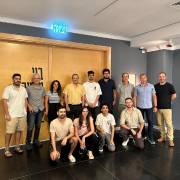
Yotam Hirsh

MSc. Student of Prof. Dov Sherman


The cleavage energy of brittle single crystal is scarce due to the difficulties to perform controlled and accurate fracture experiments in these materials. The first estimation would be the lower bound of the cleavage energy, twice the free and relaxed surface energy, or 2gs, known as Griffith barrier. The most common crystals structures are cubic and hexagonal structures, most of the efforts fracture wise, have been directed toward cubic single crystal silicon. This research explores the second most common structure, the hexagonal crystal structure, where Lithium Niobate (LiNbO3) is the targeted material. The structure of LiNbO3 crystal is challenging due to his special thermal expansion behavior and anisotropic mechanical properties in the orthogonal space. This crystal has been widely studied for its physical and optical properties. However, very limited information exists for its fracture properties, cleavage planes, the free surface energy, etc. Our results would be the first time cleavge energies would be given for this hexagonal LiNbO3 crystal.

We will present our high resolution fracture experiments, performed using our Coefficient of Thermal Expansion Mismatch (CTEM) method, employing heating as the driving force for fracture. Finite element analysis (FEA) was used as a calculation tool to evaluate the cleavage energy of the material in difference cleavage systems. Preliminary results will be presented and discussed.


ד"ר לסמן חנכה השבוע, במעבדה לביומכניקה שלה, ציוד חדש הודות למענק נדיב ע"י גב' דניאל רובינשטיין ז"ל ואגודת ידידי אוניברסיטת תל אביב בויקטוריה - אוסטרליה

18 יוני 2017
מעבדה של ד"ר איילת לסמן
ד"ר לסמן, מנהלת מעבדה לביומכניקה של תאים ורקמות

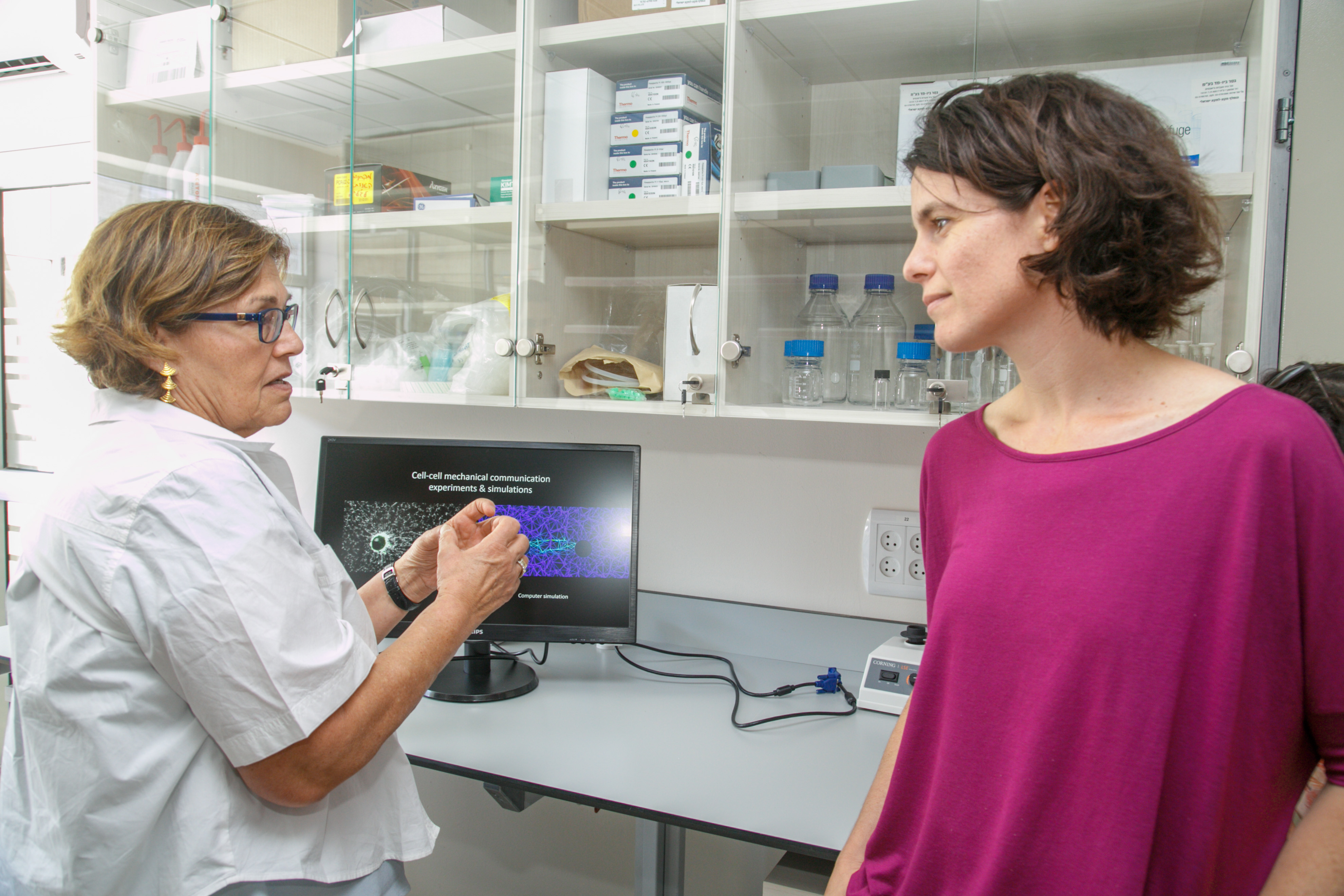
ד"ר איילת לסמן, מבית הספר להנדסה מכנית, ומנהלת מעבדה לביומכניקה של תאים ורקמות חנכה השבוע ציוד חדש אשר נתרם הודות למענק נדיב ע"י גב' דניאל רובינשטיין ז"ל ואגודת ידידי אוניברסיטת תל אביב בויקטוריה - אוסטרליה, ויעזור רבות למחקריה. ד"ר לסמן ישבה איתנו אחד על אחד והסבירה לנו על השילוב המנצח בין ביולוגיה, פיזיקה והנדסה ומה היא מקווה לגלות.


מה תחום המחקר העיקרי במעבדה?

תחום המחקר שלי הוא ביו-מכניקה של תאים ורקמות. הדגש אצלנו הוא ההבנה כיצד סיגנלים מכניים משפיעים על תהליכים ביולוגיים. למשל איך התכונות המכניות של סביבת התאים משפיעה על נדידת תאים או התקשורת בין תא אחד לשני, וכיצד הכוחות שתאים מפעילים משפיעים על התפקוד שלהם.


מהי אינטראקציה בין תאים וסביבה?

התאים ברקמות בגופנו גדלים בתוך סביבה אשר בנויה מרשת תלת-מימדית של סיבים (תחשבו על מרק ספגטי...נראה משהו כזה). בעצם רקמה = תאים + סביבה.  התאים "נדבקים" לסביבה שלהם וכל הזמן נמצאים  באינטרקציה איתה. אינטרקציה זו יכולה להיות כימית (מולקולות שונות) ומכנית (כוחות). אותנו בעיקר מעניין החלק המכני. למשל, התאים מפעילים כוחות מכניים כנגד הסביבה ויוצרים סביבם שדה תזוזות ומאמצים אשר חשובים ביותר לפעילות הביולוגית ויכולים לאפשר, בין היתר, תקשורת בין תאים רחוקים.


מה את מקווה לגלות?

אני מקווה לגלות את ההשפעה של סיגנליים מכניים על תהליך ההתארגנות של התאים לכדי יצירת רקמה. אני מאמינה שזה יכול לתרום רבות לתחום של הנדסת רקמות ולהבנה של תהליכים בביולוגיה התפתחותית.


מי עובד איתך במעבדה?

יש לי מנהל מעבדה, ‫ד"ר אורן ציצ'יאן, וסטודנטים לתואר שני ודוקטורט ופוסט-דוקטורנטים אשר עושים עבודה מצויינת. אני תמיד מחפשת סטודנטים חדשים אשר מצטיינים בלימודיהם ובעלי סקרנות ומוטיבציה למחקר.


מדוע בחרת לחקור תחום זה?

במהלך שנותי באקדמיה עברתי בין נושאים מגוונים מאוד. התחלתי לימודים בהנדסת חומרים ובדוקטורט עברתי להנדסה ביו-רפואה. הנדסה וביולוגיה תמיד עניינו אותי. התחום שאני עוסקת בו מגוון מאוד ומשלב בין הנדסה מכנית, הנדסת חומרים וביולוגיה ולכן כל הזמן מעניין.


איך את רואה את השילוב בין ביולוגיה, פיזיקה והנדסה?

שילוב מנצח. ‪אצלי במעבדה זה הבסיס. לכל פרויקט יש מוטיבציה מתחום הביולוגיה, ואנחנו חוקרים אותו באופן הנדסי, מכני. השילוב הזה מביא לחשיבה חדשה בעולם הביולוגי ולתגליות חדשות.


מה הגישה שלך לניהול מעבדה? מה תביאי איתך למעבדה?

חשובה לי מאוד העבודה העצמאית, שהסטודנטים יחשבו לבד, יביאו רעיונות יצירתיים ותמיד יחשבו על הצעד הבא ואיך עושים אותו. אני שם לעזור, לכוון, לייעץ אבל הם הכוח המניע. אני מצידי אביא רעיונות חדשים, סבלנות, אופטימיות ותקציבים לממן את המחקר. במחקר הרבה פעמים הולכים לאיבוד ואני שם למצוא את הדרך הנכונה.

 

אנו פותחים את תכנית הקיץ להכשרת תלמידי תואר ראשון מצטיינים, המבקשים להתנסות במחקר מדעי בתחום האנרגיה המתחדשת. המועד האחרון להגשת בקשות: 01.07.2017

18 יוני 2017
תכנית הקיץ להכשרת תלמידי תואר ראשון מצטיינים. המועד האחרון להגשת בקשות: 01.07.2017

הכשרות קיץ בחקר תחום האנרגיה המתחדשת

אנו פותחים את תכנית הקיץ להכשרת תלמידי תואר ראשון מצטיינים, המבקשים להתנסות במחקר מדעי בתחום האנרגיה המתחדשת. התכנית מאפשרת לתלמידים מצטיינים להצטרף לאחת מקבוצות המחקר העוסקות באופן מובהק בחקר תחום האנרגיה המתחדשת


מטרת התכנית

מטרת התכנית לאפשר לתלמידים להיחשף ולהתנסות בעבודת מחקר בנושאים וגישות חדשניות, כנדבך מכין לקראת לימודי ההמשך. בפרק מחקר זה יוכלו התלמידים להתנסות במחקר עיוני או מעשי. ההכשרה תתקיים במשך 10 שבועות במהלך חודשי הקיץ, בתשלום מלגת קיום של 5000ש"ח: 50% במימון המרכז לאנרגיה מתחדשת ו-50% במימון החוקר. לוחות הזמנים לביצוע ההכשרה ייעשו בתיאום אישי בין התלמיד/ה לבין ראש קבוצת המחקר


אנו מבקשים להדגיש כי תכנית זו אינה מהווה תחליף לקורס פרויקט מחקר והיא אינה מזכה בקרדיט אקדמי. 


תנאי הקבלה

- לתכנית יוכלו להתקבל תלמידים אשר סיימו את חמשת הסמסטרים הראשונים של לימודיהם בתואר הראשון (שנה ראשונה + שנייה וסמסטר ראשון של השנה השלישית) בציון ממוצע של 80 לפחות.

- על המועמדים לאתר מנחה מתאים/ה מתחום האנרגיה המתחדשת, אשר מוכן/ה לקלוט אותם במעבדתו לשם ההכשרה. בתום ההכשרה חלה חובה על התלמידים להגיש דו"ח מדעי קצר המסכם את עבודתם


הגשת המועמדות

ניתן להגיש מועמדות רק לאחר איתור המנחה המתאים, ולצרף

1) מכתב בקשה ובו פרטים אישיים כולל כתובת מגורים, מספר טלפון וכתובת מייל.

2) גיליונות ציונים של שנה ראשונה + שנייה וסמסטר ראשון של השנה השלישית

3) המלצה מהמנחה המיועד תוך ציון נושא ההכשרה אותה יבצע המועמד בתכנית הכשרת הקיץ


את החומרים המצוינים לעיל יש להגיש לאיילת פישמן במייל 

שאלות ניתן לשלוח למייל האמור או לפנות בטל': 03-6310336

פרופ' יוסי רוזנוקס בראיון לירדן סקופ מעיתון הארץ

18 יוני 2017
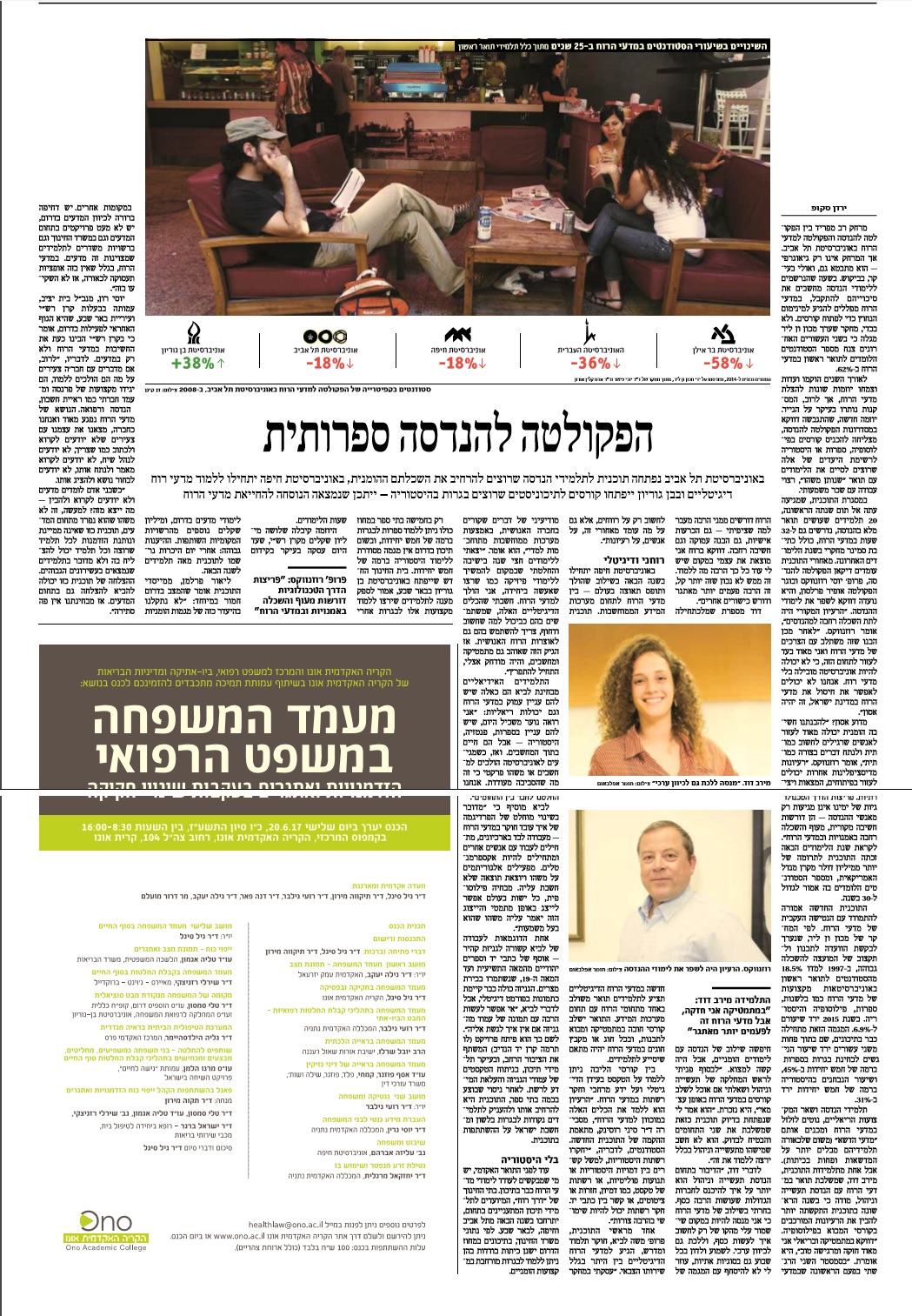
פרופ' יוסי רוזנוקס בראיון לירדן סקופ מעיתון הארץ - רוח והנדסה

"חשיבה הומנית יכולה מאוד לעזור לאנשים שרגילים לחשוב כמותית ולנתח דברים בצורה כמותית", פרופ' יוסי רוזנוקס בראיון לירדן סקופ מעיתון הארץ.


לכתבה המלאה בעיתון הארץ


תערוכת פרוייקטים של סטודנטים שנה ד' בבית הספר להנדסה מכנית

20 ביוני 2017, 10:00 - 13:00 
במסדרון שבחזית בניין מעבדות חשמל  
פרוייקטים שנה ד הנדסה מכנית

בתאריך 20.6.17 תתקיים תערוכת הפוסטרים של פרויקטי הגמר, שבה יוצגו העבודות המבוצעות השנה.

תערוכת הפוסטרים תתקיים במסדרון שבחזית בניין מעבדות חשמל, בין השעות 10.00 – 13.00 ובסוף התערוכה, תתקיים מסיבת סיום לסטודנטים משנה ד', שבה יוכרזו הפוסטרים המצטיינים.

רצ"ב הזמנה לתערוכה.

נשמח שתבואו לבקר בתערוכה. 


אלישע עמרמי

אחראי פרויקטי גמר בהנדסה מכנית – אוניברסיטת תל אביב  

בנין וולפסון  חדר: 235

טלפון: 03-640-5249          

E-mail: elishaa@eng.tau.ac.il


טקס הענקת תארים למוסמכי הפקולטה להנדסה ולבוגריה 12.06.2017

14 יוני 2017
טקס הענקת תארים למוסמכי הפקולטה להנדסה ולבוגריה
טקס הענקת תארים 2017

הארוע

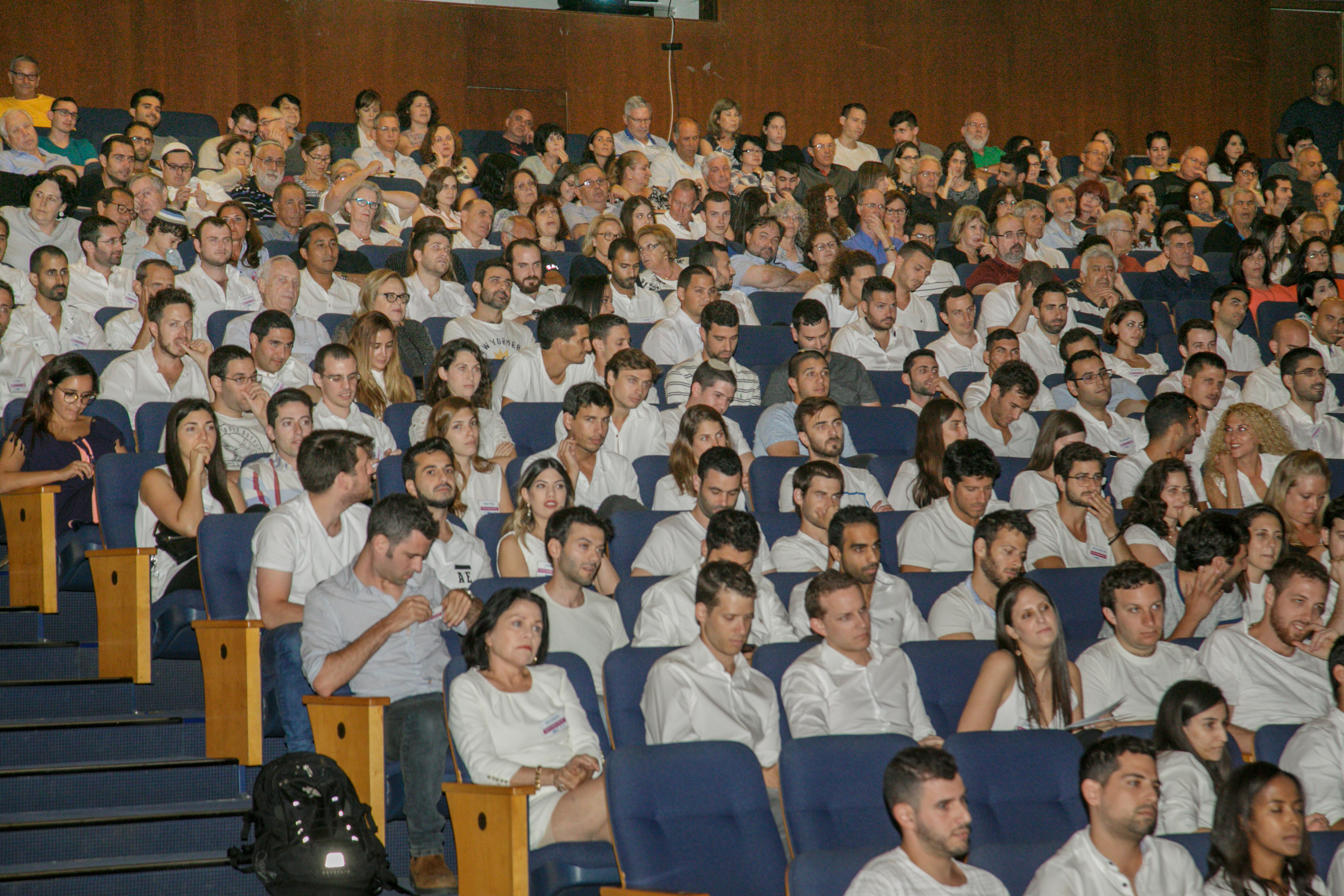
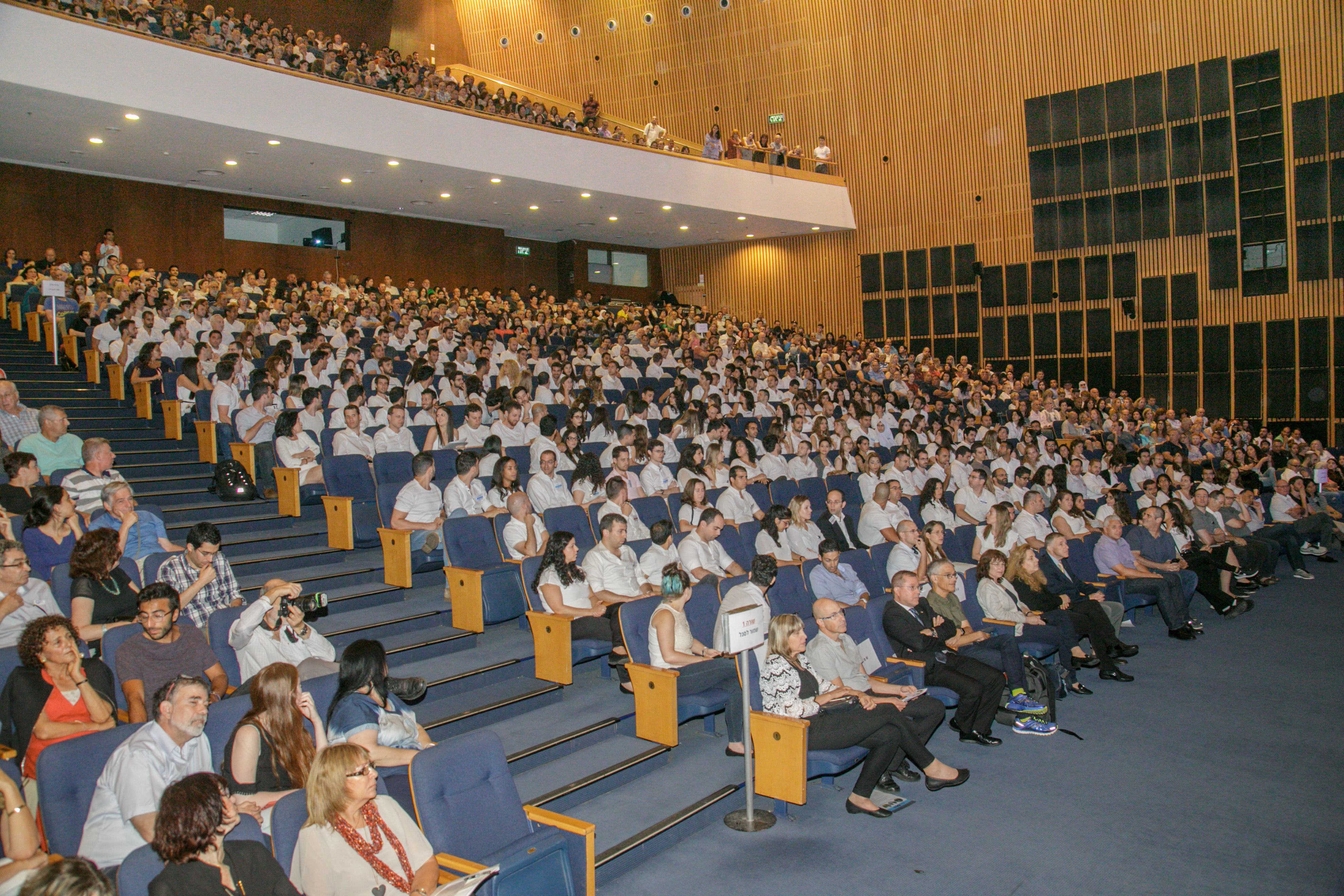
טקס הענקת תארים למוסמכי הפקולטה להנדסה ולבוגריה התקיים ביום שני באולם סמולרש, אוניברסיטת ת"א תחת ארגונה של ורדה בוטויניק, ע' משנה מנהלי לדקאן לענייני תלמידים והוראה. הארוע נפתח בשעה 19:00 בערב בקבלת פנים חגיגית והועבר כולו בהנחיית פנינה אפרתי , משנה מנהלי לדקאן.

הנואם הראשון של הערב היה פרופ' יוסי רוזנוקס-דקאן הפקולטה ואחריו, פרופ' רענן ריין, סגן נשיא האוניברסיטה, גיא שמיר, יו"ר ארגון הבוגרים של הנדסה ודבר נציגת הבוגרים– שחף דוניו, בוגרת הנדסה תעשיה וניהול בהצטיינות.

סיכמנו את הארוע עם קטע אמנותי, הרכב הג'אז של מרכז המוסיקה, בית דני והגענו לרגע המרגש ביותר הענקת תעודות.

לתמונות נוספות

קישור לווידאו

סמינר המחלקה להנדסה ביו רפואית 19.06.17

19 ביוני 2017, 14:00 
 
ללא תשלום
סמינר המחלקה להנדסה ביו רפואית 19.06.17

Towards International Principles and Guidelines for Human Gene Editing
Prof. Jeffrey Kahn, PhD, MPH
Andreas C. Dracopoulos Director
Johns Hopkins Berman Institute of Bioethics
Johns Hopkins University
Baltimore, MD 21205, USA
Abstract
In 2017, the US National Academy of Sciences and National Academy of Medicine, in conjunction with the UK Royal Academy and the Chinese Academy of Sciences issued a consensus committee report, “Human Genome Editing: Science, Ethics, and Governance” (https://www.nap.edu/catalog/24623/human-genome-editing-science-ethics-an...).  Among its tasks was to identify principles and guidelines that should apply internationally to human applications of genome editing tools.  From my perspective as a member of the consensus committee, in this presentation I will (1) describe the committee’s task of identifying principles and guidelines and why it is important; (2) describe the principles and guidelines recommended by the committee; (3) examine the analysis supporting the principles and guidelines recommended; (4) examine the applicability of the analysis and recommended principles and guidelines in transnational contexts; and (5) assess what analysis, supporting arguments, and/or deliberative process(es) might be required going forward in support of achieving international approaches in gene editing and other emerging areas of science and medicine. 
 Jeffrey Kahn, PhD, MPH, is the Andreas C. Dracopoulos Director of the Johns Hopkins Berman Institute of Bioethics, a position he assumed in July 2016. From 2011, he has been the inaugural Robert Henry Levi and Ryda Hecht Levi Professor of Bioethics and Public Policy.  He is also Professor in the Dept. of Health Policy and Management of the Johns Hopkins Bloomberg School of Public Health.  He works in a variety of areas of bioethics, exploring the intersection of ethics and health/science policy, including human and animal research ethics, public health, and ethical issues in emerging biomedical technologies. Prof. Kahn has served on numerous state and federal advisory panels. He is currently chair of National Academies of Sciences, Engineering, and Medicine’s Board on Health Sciences Policy, and has previously chaired its committee on the Use of Chimpanzees in Biomedical and Behavioral Research (2011); the committee on Ethics Principles and Guidelines for Health Standards for Long Duration and Exploration Spaceflights (2014); and a committee on the Ethical, Social, and Policy Considerations of Mitochondrial Replacement Techniques (2016).  He also formerly served as a member of the National Institutes of Health (NIH) Recombinant DNA Advisory Committee. In addition to committee leadership and membership, Prof. Kahn is an elected member of the National Academy of Medicine and an elected Fellow of the Hastings Center.  He was also the founding president of the Association of Bioethics Program Directors, an office he held from 2006-2010. Prof. Kahn’s publications include Contemporary Issues in Bioethics; Beyond Consent: Seeking Justice in Research; and Ethics of Research with Human Subjects: Selected Policies and Resources, as well as over 125 scholarly and research articles.  He also speaks widely across the U.S. and around the world on a range of bioethics topics, in addition to frequent media outreach.  From 1998-2002 he wrote the bi-weekly column Ethics Matters on CNN.com.
Hosted by Prof. Israel Gannot (for meeting with the speaker please contact Israel at: gannot@icloud.com)
19.06.2017 at 14:00 TAU, The Multi-disciplinary Center , room 315
 

סמינר מחלקתי

סמינר מחלקתי

15 ביוני 2017, 12:00 
 
סמינר מחלקתי


Matching and (misaligned) Incentives in Kidney Exchange

Dr. Itai Ashlagi – Stanford University

Abstract:

Growth of live-donor kidney exchange has stagnated although an increasing number of  transplant centers are facilitating exchanges through large national exchanges, in isolation or in small consortiums with other centers.

We first discuss  the problem of dynamic matching in a single kidney exchange program. We show that matching greedily does not harm the match rate among the set of batching policies, however, lack of collaboration between kidney exchange programs does affect the match rate.

In the second part of the talk we will discuss the kidney exchange market in the U.S as a whole:

Using a novel dataset combining all transplants from the US and the largest kidney exchange, we document significant fragmentation and heterogeneity in participation by centers, an adversely selected and hard to match national exchange pool, and inefficient transplants outside the largest exchange. Motivated by these facts, we model a kidney exchange as a producer of transplants that takes donors and recipients supplied by centers as inputs. The model shows that a decentralized market structure may or may not be efficient depending on the economies of scale, and that participation incentives may be misaligned. It also yields a simple sufficient statistics formula, based on a Ramsey-pricing rule, for the optimal mechanism. We then estimate the key statistics of a high-dimensional transplant production function using detailed administrative data from the National Kidney Registry. Our results suggest that the largest exchange is close to efficient scale, while individual transplant centers are considerably smaller. Moreover, the current rules of the exchange are far from optimal with a wide dispersion between marginal products of some pairs and the rewards provided to the transplant centers. This dispersion generates incentives for adverse selection and inefficient market fragmentation that results in an estimated 30% fewer transplants than possible with full participation by centers. Finally, we calculate a rewards scheme that would be implemented by the optimal mechanism.


סמינר מחלקתי

13 ביוני 2017, 14:00 
 
סמינר מחלקתי

Multiwinner Elections: Applications, Axioms, and Algorithms

Dr. Nimrod Talmon – Weizmann Institute


Abstract:


Multiwinner elections are used for selecting few candidates out of a bigger group of available candidates. Examples where such elections are useful include a society which chooses a parliament, variants of facility location problems, and a hiring committee which shortlists candidates for further consideration. Naturally, different applications have different properties

and thus call for different multiwinner voting rules. In this talk I will concentrate on multiwinner voting rules aiming at achieving proportional representation; roughly speaking, the goal of such rules is to represent the views of the society as proportional as possible. I will formally define some of these rules, discuss their axiomatic properties, and describe several algorithms for computing them. As some of these rules are computationally intractable, I will particularly concentrate on parameterized algorithms and approximation algorithms for them, as well as on various heuristics


Nimrod is a postdoctoral associate at Weizmann institute. 


עמודים

אוניברסיטת תל אביב עושה כל מאמץ לכבד זכויות יוצרים. אם בבעלותך זכויות יוצרים בתכנים שנמצאים פה ו/או השימוש שנעשה בתכנים אלה לדעתך מפר זכויות
שנעשה בתכנים אלה לדעתך מפר זכויות נא לפנות בהקדם לכתובת שכאן >>