קרן וולף הכריזה על חתני וכלות פרס קריל 2020 וד"ר יקיר חדד נכלל ברשימה המרשימה

15 מרץ 2020
קרן וולף הכריזה על חתני וכלות פרס קריל 2020
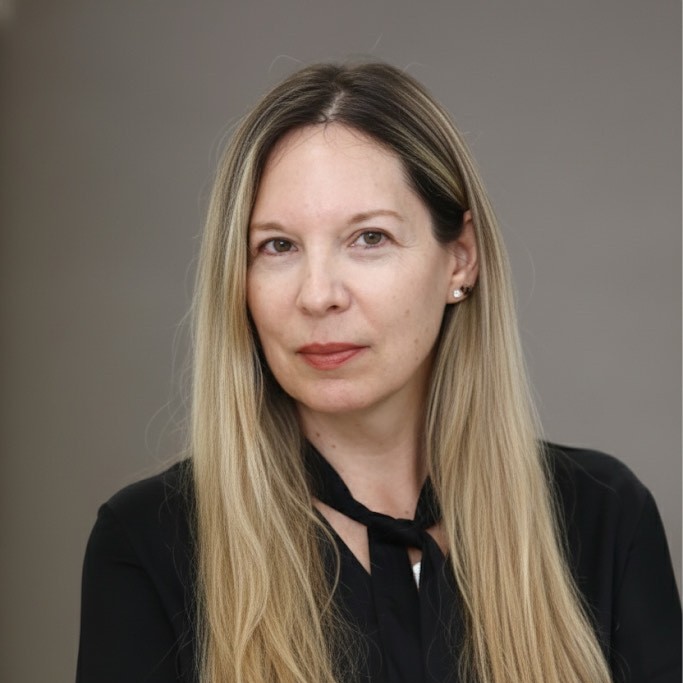
ד"ר יקיר חדד

קרן וולף הינה קרן ישראלית ממלכתית, שמטרתה קידום המצוינות במדע ובאמנות. ד"ר יקיר חדד מבית הספר להנדסת חשמל אוניברסיטת תל אביב זכה בפרס קריל מטעם קרן וולף עבור מחקריו בתחומי פיזיקת גלים והסרת חסמים פיסיקלים במערכות גלים לצורך תכנון התקנים בעלי ביצועים משופרים. 


פרסי קריל להצטיינות במחקר מדעי ניתנים לזכרם ולכבודם של בנימין וגיטלה קריל מנסבך שלנגר ז'"ל. פרסי קריל מיועדים לחברי סגל אקדמי מצטיינים, בדרגת מרצה או מרצה בכיר שעדיין לא קיבלו קביעות, המועסקים באחת האוניברסיטאות בארץ. הפרסים ממומנים על ידי משפחת קריל, מוענקים משנת 2005 .


לכתבה המלאה 


נערכים להתפשטות הקורונה

הנחיות מעודכנות לסגל האקדמי, לסטודנטים ולסגל המינהלי

הנחיות מעודכנות לסגל האקדמי, לסטודנטים ולסגל המינהלי נכון ל-13.3.2020


חברות וחברי הסגל האקדמי והמנהלי, תלמידות ותלמידים, 
לפני שעות ספורות החליטה ממשלת ישראל על סגירת האוניברסיטאות. בעת כתיבת שורות אלו, טרם הובהרה מלוא המשמעות של החלטה זו, אך ברור למדי שהלימודים באוניברסיטה יופסקו לאלתר. אלו ימים לא קלים בעבור כולנו, ובוודאי בעבור תלמידינו. נעשה ככל יכולתנו על מנת להקל על כולכם לעבור תקופה לא פשוטה זו.

בהתאם להוראות המעודכנות של משרד הבריאות, החל מה-13 במרץ ואילך לא יתקיימו מבחנים ומעבדות הוראה וכן כל השעורים יתקיימו באופן מקוון. נוהל השלמת מבחנים ומעבדות הוראה ישלח בתחילת השבוע הבא.

לחברי הסגל האקדמי, הבכיר והזוטר:
הנכם מוזמנים להשתמש באחד מהכלים הטכנולוגיים שהעמדנו לרשותכם לצורך כך ולהודיע לסטודנטים על האופן בו יתקיים השיעור.
 
אנו מזכירים לכם כי הכנו עבורכם מדריכים מקוונים לאופן השימוש בתוכנת unicko שהינה המומלצת על ידנו או בתוכנת zoom ,ובנוסף לרשותכם מוקדי תמיכה:
מוקד התמיכה לשימוש ב-unicko: מיילvirtualt@tauex.tau.ac.il  או בטלפון 03-6405527 
מוקד תמיכה לשימוש ב zoom: מייל tauonlinehyb@tauex.tau.ac.il או בטלפון 03-6406714
 
לסטודנטים:
החל ממחר ה- 13 במרץ ואילך לא יתקיימו מבחנים ומעבדות הוראה וכן כל השעורים יתקיימו באופן מקוון. נוהל השלמת מבחנים ומעבדות הוראה ישלח בתחילת השבוע הבא.

לחברי הסגל המנהלי:
הנהלת האוניברסיטה ואגף משאבי אנוש עומדים בקשר רציף עם ועד הסגל המנהלי וחושבים עליכם כל העת. אנו נמצאים באירוע מתגלגל. לעת עתה ההנחיה היא להגיע לעבודה כרגיל. בראשית השבוע הבא נבחן יחד צעדים מגוונים להקלה במצב לאור ההתפתחויות, לרבות יציאה מדורגת לחופשה במתכונת מרוכזת, עבודה מהבית לעובדים חיוניים וכדומה. נמשיך לעדכן ככל שיידרש.

אנו עומדים בקשר רציף עם אגודת הסטודנטים וארגוני הסגל במטרה לענות לכל הצרכים בדרך הטובה ביותר האפשרית.

בברכה,
נשיא, מנכ״ל, רקטור

לימור בן משה גנץ
אחראית מנהלית 

limorben@tauex.tau.ac.il
בניין למחקר רב-תחומי, 307
03-6408123


ורד דבורי
רכזת סטודנטים תואר ראשון
verdd@tauex.tau.ac.il
בניין וולפסון להנדסה מכנית, 115
03-6408489


ורד ידגר רז
רכזת סטודנטים תואר שני

veredyr@tauex.tau.ac.il
בניין וולפסון להנדסה מכנית, 110
03-6408372


נועה זנזורי
רכזת סטודנטים תואר שלישי

phdstg1eng@tauex.tau.ac.il


זיוה ליפוביצקי
​רכזת בכירה של תלמידי מחקר
Zival@tauex.tau.ac.il
בניין וולפסון להנדסה מכנית, 116 
03-6407329


  גבי רייכר
​  רכזת מנהל

   gabir@tauex.tau.ac.il 
  בניין למחקר רב-תחומי, 308
  03-6407397

ד"ר אלון באב"ד, יחד עם תלמידי המחקר שלו הצליחו להדגים לראשונה את התופעה "זרימה לאחור" המבוססת על רעיון שעלה לפני כחמישים שנה במסגרת המכניקה הקוונטית אך לא הודגם מעולם בשום ניסוי

  • תגיות:

החוקר.ת מאחורי המחקר

דמיינו כדור הנזרק קדימה בחלל חופשי. בכל רגע ורגע לאחר הזריקה, אם נמדוד את כיוון התנועה של הכדור הוא ימשיך לנוע קדימה. התוצאה הברורה הזו, כלל וכלל איננה מחויבת המציאות כאשר מדובר בתנועה של חלקיקים מיקרוסקופיים אשר תנועתם מצייתת לחוקים המוזרים של המכניקה הקוונטית. לפי תורה זו חלקיק יכול להתנהג גם כגל.


מאחר שגלים שונים יכולים להתחבר ביחד בתהליך הנקרא התאבכות, גם חלקיק הנע קדימה יכול להיות מורכב מאוסף של גלים אשר נעים כולם קדימה. ההשלכות של התאבכות זו יכולות להיות  מוזרות ולא אינטואיטיביות. עם בחירה נכונה של משרעות הגלים (עד כמה חזק הם מתנדנדים) והשהיה יחסית ביניהם ניתן ליצור חלקיק אשר למרות שהוא מורכב מגלים שכולם נעים קדימה, אם התנועה שלו תמדד במקומות מסוימים במרחב ובזמנים מסוימים – יתגלה שהחלקיק נע אחורה. בשאר המקומות והזמנים – אם תנועת החלקיק תימדד הוא ימצא כנע קדימה. למעשה הסיכוי למצוא את החלקיק נע קדימה הוא עדיין גדול בהרבה מהסיכוי למצוא אותו נע אחורה. כמו כן ההתאבכות המייצרת את אותה ״זרימה לאחור״ היא מאוד עדינה – שינוי קטן במשרעת של הגלים או בהשהיה היחסית שלהם תהרוס בקלות את תופעת ״הזרימה לאחור״. מאחר שהתופעה הזו כה רגישה, עד היום לא הצליחו להבחין בה בשום מעבדה בעולם.


במעבדתו של ד״ר אלון באב״ד מבית הספר להנדסת חשמל באוניברסיטת תל אביב הצליחו כעת להדגים את התופעה עם אור. הרעיון הבסיסי במרכז המחקר הוא שגם אור הוא תופעה גלית, וכמו החלקיק קוונטי, יכול להיות מורכב מאוסף של גלים הנעים לכיוון מסוים.

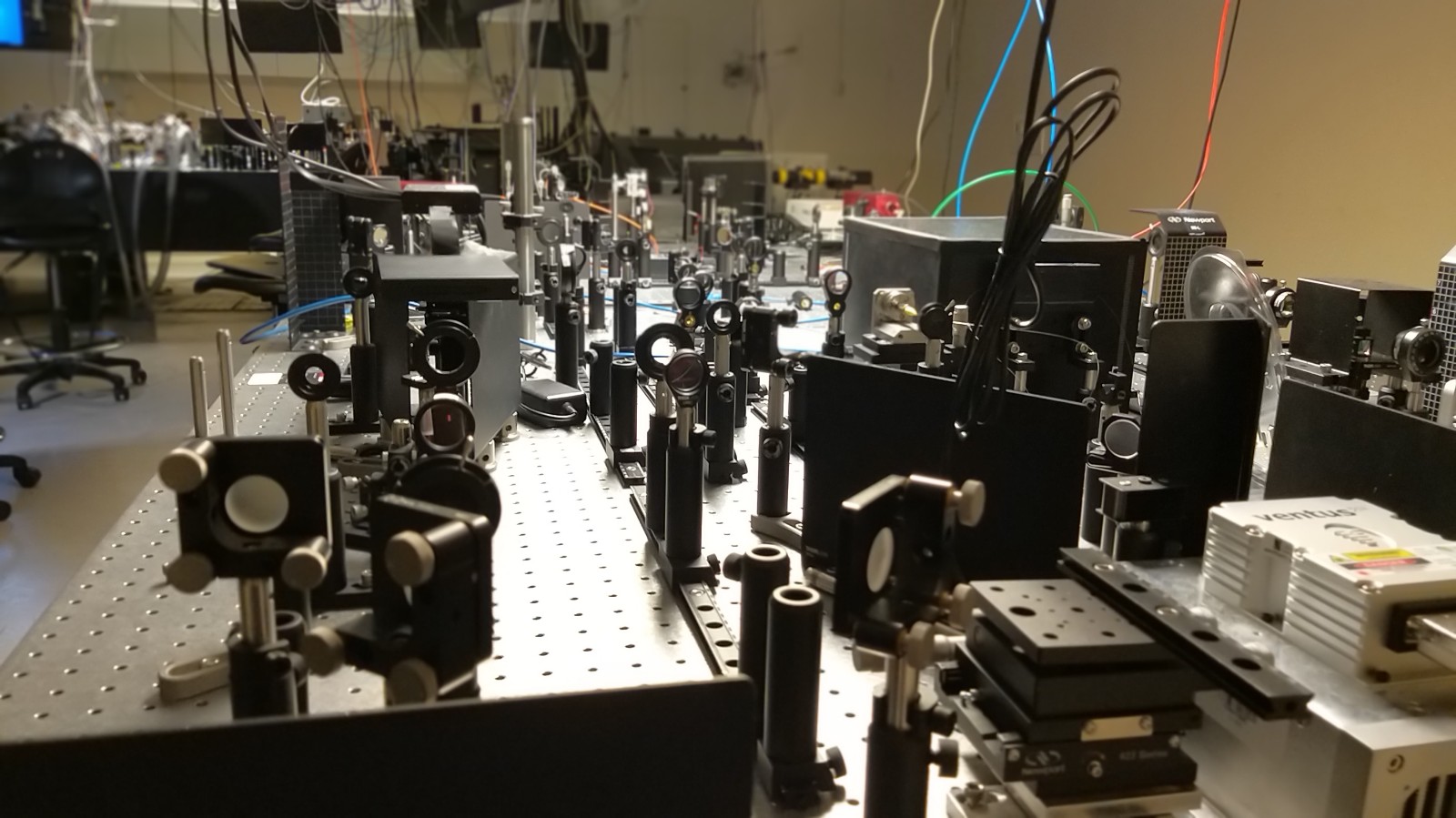
בניסוי במעבדה של ד"ר באב"ד The Physical Optics group השתמשו החוקרים ותלמידי המחקר יניב אליעזר, שנמצא כיום בפוסט דוקטורט באוניברסיטת ייל, ותומאס זכריאס, באלומת לייזר אשר פוצלה והורכבה מחדש כאוסף של גלים הנעים כולם בזוית חיובית יחסית לציר שנקבע מראש. אסופת הגלים הזו חושבה מראש כך שתוכל לייצר את תופעת ה״זרימה לאחור״. כעת בהזזת חריץ קטן לרוחב אלומת האור נעשית המדידה המקומית של כיוון זרימת האור. ברוב המיקומים בהם הושם החריץ, האור אשר יצא ממנו המשיך לנוע בכיוון המאופיין עם זוית חיובית, אך במספר מקומות מוגדרים – האור אשר בקע מהחריץ נע בכיוון המאופיין עם זוית שלילית, מאשש בכך את התופעה המדוברת. למחקר זה יכולות להיות השלכות בתחומים הדורשים שליטה מדויקת בפילוג המרחבי של עוצמת אור בנפחים קטנים, כמו מיקרוסקופיה, חישה והנעה של חלקיקים זעירים. 


*עוד ניתן לקרוא על המחקר של ד"ר באב"ד במגזין היוקרתי Optica שהתפרסם חודש שעבר - למאמר המלא במגזין Optica


*לכתבה המלאה בעיתון הארץ


a seminar of the Department of Bio Medical Engineering

15 במרץ 2020, 14:00 
רב תחומי 315  
ללא תשלום
a seminar of the Department of Bio Medical Engineering

Biomedical Applications of AgClBr Optical Fibers: Laser Bonding of Tissues. Early Detection of Skin Cancer

Svetlana Basov, Department of Biomedical Engineering.

Work done under the supervision of Prof. Amit Gefen and Prof. Abraham Katzir


Abstract.

Standard optical fibers are completely opaque in the mid-IR in the spectral range 3-30µm. In our group we developed special crystalline fibers, made of silver halide (AgClBr), which are flexible, non-toxic, bio-compatible and highly transparent in the mid-IR.

In this work I participated in the fabrication of these fibers and used them for two completely different applications.


Laser Bonding of Incisions: A system based on silica fibers, AgClBr fibers, an IR laser and a control system, made it possible to heat a spot on tissue under close temperature control. It was found that this may be used for laser soldering of incisions. In this case the approximated edges of an incision are covered by Albumin and they are heated, spot by spot, so that each spot is heated for 60C for 10sec. The bonding is strong and there is almost no scarring.

We successfully laser soldered incisions in the corneas of pigs, in vitro, and then measured the burst pressure PB needed to break open the bonded incisions. This pressure was quite high. We then carried out experiments on the corneas of mid-size live pigs, that we euthanized after few weeks. These soldered corneas showed strong bonding, with no thermal damage. This proved that laser soldering would be a very promising method for corneal transplantation. This method could be used by less experienced surgeons, reducing the load of the highly skilled ones.

In addition, we integrated our laser soldering system with a robotic system at the lab. of Prof. Nisky at Ben Gurion University. We there carried out robotic laser soldering, where robotic arms moved the distal ends of the fibers for heating spots on the approximated edges of an incisions in skin. The procedure was carried out automatically! This would probably the way laser soldering will be carried out in the future, again, making it possible for less experienced surgeons to obtain excellent retults.


Early Detection of Skin Cancer: Melanoma is a very dangerous skin cancer. If its thickness is d <1mm, when detected, and it is removed – almost all patients survive. If d>1mm, almost all patients die. A dermatologist looking at lesions on the skin must distinguish immediately if a lesion is suspicious and send it to pathology to determine if it is indeed melanoma. This requires many years of experience, and a less experienced dermatologist may miss the suspicious lesions which may lead to serious effect. It seems that there is no approved method for the automatic detection of melanoma.

We developed a system that incorporated AgClBr fibers and made it possible to carry out spectroscopic measurements in the mid-IR on lesions on the skins of patients. Clinical measurements were carried out at the Dermatology Department at the Ichilov Hospital. Expert dermatologists detected suspicious lesions and we carried out measurement on each lesion and on neighboring skin. Measurements were done on 90 patients and only 5 lesions were found to be melanoma (by histopathology). We made a great effort to to analyze the results and to see differences in the mid-IR spectra of the melanoma lesions and the benign lesions. Only lately we found a mathematical algorithm that seems to do the job. However, our statistics is insufficient. We plan to carry out many more measurements in the department of Prof. Scope at the Sheba Hospital. If our algorithm indeed works, it will open the way for an automatic early detection of melanoma, without relying on the skill of the examining dermatologist.

School of Mechanical Engineering: Elizaveta Sterenzon

30 במרץ 2020, 14:00 - 15:00 
בניין וולפסון 206  
0
School of Mechanical Engineering: Elizaveta Sterenzon

~~

SCHOOL OF MECHANICAL ENGINEERING SEMINAR
Wednesday, March 30, 2020 at 14:00 
Wolfson Building of Mechanical Engineering, Room 206

Removal of acid dyes from concentrated synthetic and real dye effluent using biochar as sustainable adsorbent

Elizaveta Sterenzon
M.Sc. student of Prof. Hadas Mamane

Wastewater from the textile dyeing industry is a growing problem. It is often rich in color and dye residues, toxic compounds, chemicals, high BOD concentration and much harder degradation materials. The extended use of synthetic dyes, rather than the natural ones, makes the treatment of these textile effluents, much more difficult due to their high stability and low biodegradability. Different textile wastewater treatment technologies already exist in the market. However, in many cases, especially with household dyeing units, the textile wastewater is not treated and discharged directly into nearby water sources. There is a growing demand for low-cost, effective and sustainable alternatives for treatment methods, and adsorption occupies a prominent place as a method for dye removal. This study focused on the removal of acid dyes from synthetic and real dye effluent. For the synthetic effluent, Acid Violet 17 solution was prepared, and the real acid dye effluent was taken from dyer houses from Sirumugai, South India. Pine tree biochar was chosen as a low-cost, sustainable and innovative material for the adsorption. Due to its high porosity and large surface area, biochar is gaining a lot of interest in the field of water treatment, as a low-cost contamination adsorbent. Various parameters were tested to investigate the dye removal ability and the best adsorption conditions, as temperature, solution pH and biochar dosage. Kinetic and thermodynamic studies also have been conducted. The results showed an increased dye adsorption at lower pH and at higher temperatures, which indicates an endothermic reaction. According to the kinetic studies, the governing model for the adsorption is the pseudo second order and the Langmuir isotherm fitted significantly better than Freundlich. Regeneration of the biochar was found to be very effective with absolute ethanol. After 5 regeneration cycles the adsorption ability reduced by only 3% from the initial dye removal, and it was almost no biochar mass loss observed. The real textile effluent demonstrated high adsorption affinity to the biochar as well, with almost 100% dye removal after 60 min of treatment.


אוניברסיטת תל אביב עושה כל מאמץ לכבד זכויות יוצרים. אם בבעלותך זכויות יוצרים בתכנים שנמצאים פה ו/או השימוש שנעשה בתכנים אלה לדעתך מפר זכויות
שנעשה בתכנים אלה לדעתך מפר זכויות נא לפנות בהקדם לכתובת שכאן >>