EE Seminar: On Minimum-Variance Event-Triggered Control

29 במאי 2017, 15:00 
חדר 011, בניין כיתות-חשמל  

(The talk will be given in English)


Speaker:     Prof. Leonid Mirkin
                   Faculty of Mechanical Engineering, Technion


Monday, May 29th, 2017
15:00 - 16:00

Room 011, Kitot Bldg., Faculty of Engineering


On Minimum-Variance Event-Triggered Control


Abstract

Conventional sampled-data feedback systems use time-triggered sampling mechanisms. Triggering sampling instances on events, e.g. on sufficiently large deviations from expected behavior, is conceptually appealing, but technically more challenging. There are not many event-triggering schemes that can guarantee to outperform optimal time-triggered controllers under comparable communication demands. One exception is the Lebesgue sampling algorithm of Åström & Bernhardsson (1999), which is proved to outperform the conventional optimal smpled-data LQG by a factor of 3 for a single integrator process.


In this talk I'll discuss some extensions of the Lebesgue scheme to more general, and more practical, LQG settings. In particular, a separation between the controller architecture and the event generation algorithm will be proved and exploited.


The seminar presents a joint work with Alexander Goldenshluger from U Haifa. Remarkably, this collaboration on stochastic event-triggered control was triggered by two deterministic events that took place long time ago in the city of Frunze.


30 מצטיינים 30 מלגות הצטיינות

14 מאי 2017
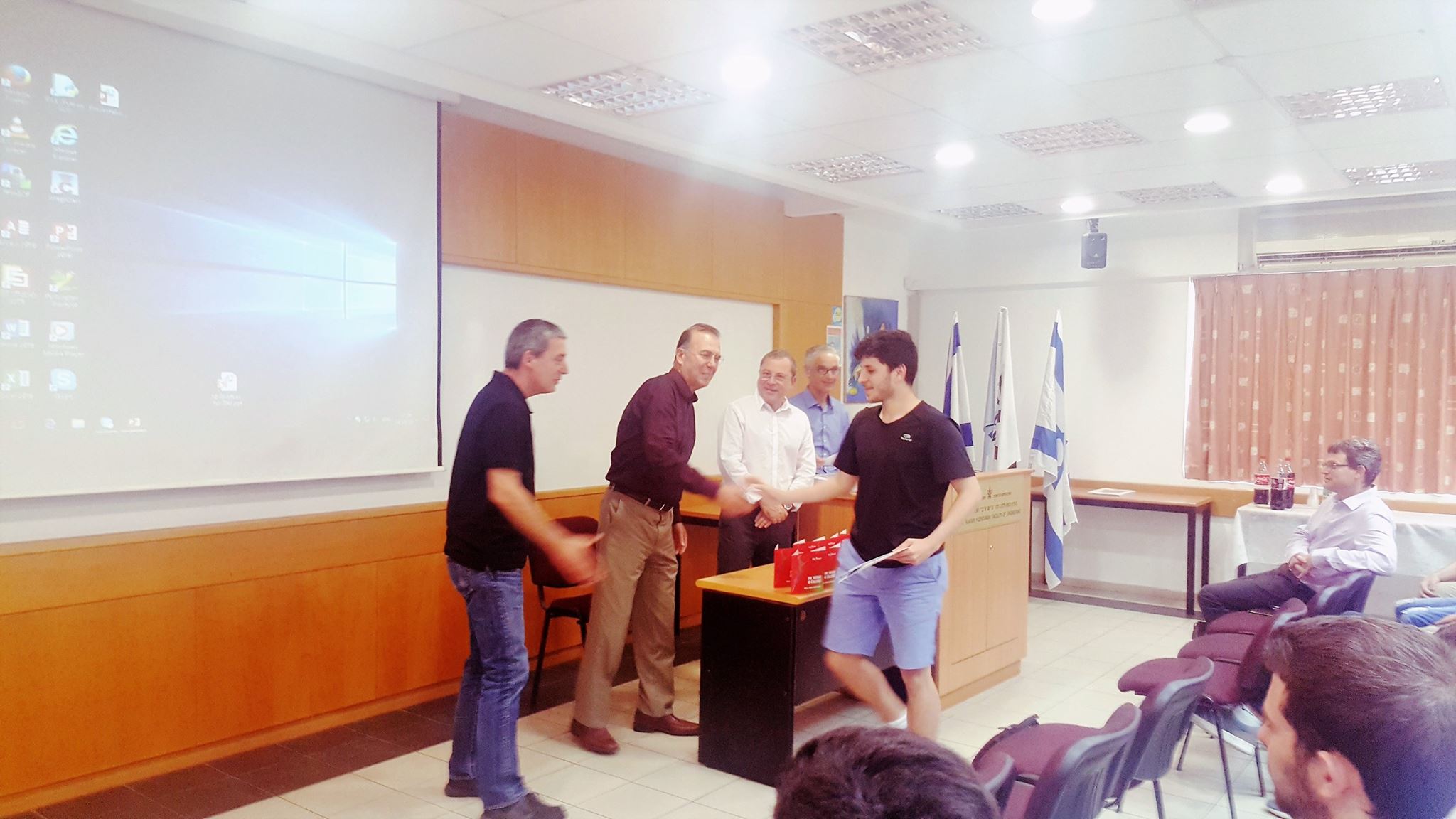
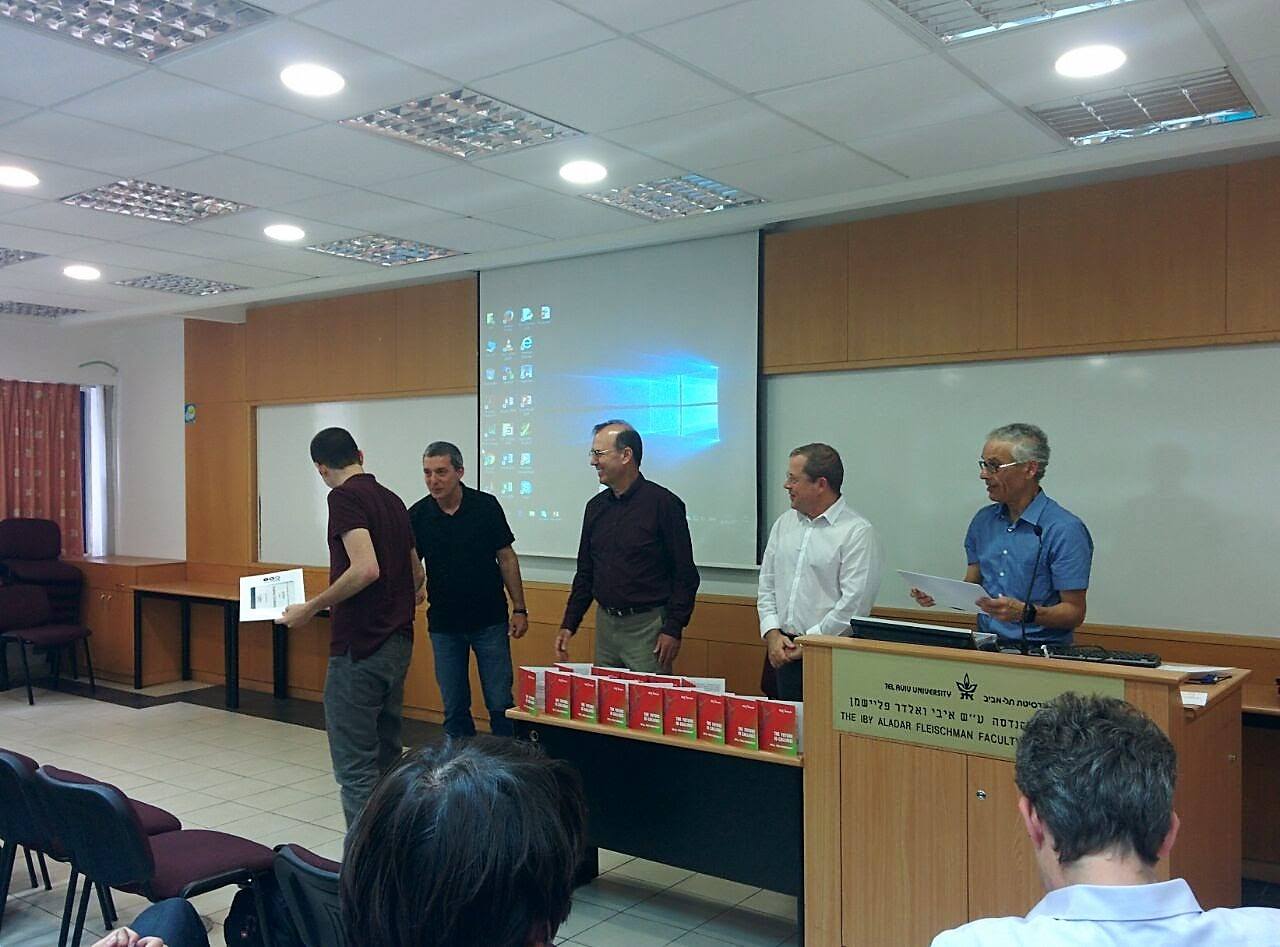
טקס הענקת מלגות הצטיינות

ביום חמישי האחרון, בתאריך 04.05,  התקיים טקס הענקת מלגות הצטיינות לסטודנטים של הפקולטה להנדסה אשר לומדים בתוכנית המצטיינים של ביה"ס לחשמל.


המלגות הוענקו ע"י חברת KLA Tencor, וכן שלוש מלגות נוספות הוענקו ע"י משרד עו"ד זיסמן, אהרוני, גייר ושות'.


יערית אברוצקי רחמים, מנהלת פרוייקט של ארגון ה IAP מסכמת את הארוע: "אנו  נרגשים בכל פעם מחדש מהקשר המתהדק בין האקדמיה לתעשיה, וערים לחשיבות הרבה של שותפות זו".


לתמונות נוספות

EE Seminar: Variational Maximum Mutual Information for Reducing Mixture Models

14 ביוני 2017, 15:00 
חדר 011, בניין כיתות-חשמל  


Speaker: Yossi Bar-Yosef

Ph.D. student under the supervision of Prof. Yuval Bistritz


Wednesday, June 14th, 2017 at 15:00
Room 011, Kitot Bldg., Faculty of Engineering

Variational Maximum Mutual Information for Reducing Mixture Models


Abstract


The Gaussian mixture model (GMM) is a very powerful parametric modeling tool for representing complex data distributions. Consequently, GMMs are widely used in various statistical machine learning applications. In many cases, high-order mixtures (mixtures with large number of components) are used to get an adequate representation of the data, leading to heavy computational and storage demands. This often raises a need to approximate the high-order models by models with fewer components.


We propose a novel approach to this problem based on a parametric realization of the maximum mutual information (MMI) criterion and its approximation by an analytical expression named variational-MMI (VMMI). The suggested VMMI objective can then be maximized by analytically tractable algorithms that optimize the parameters of the requested reduced models. Differently from previous methods that produce a reduced model for each class independently, without considering the relations between the classes, the VMMI optimization produces models with improved discrimination ability - a desirable goal for any classification problem.


The use of VMMI optimization for GMM reduction was evaluated by experiments carried out with two speech related classification tasks:  phone recognition and language recognition. For each task, the VMMI-based parametric model reduction was compared to other state-of-the-art reduction methods. Experimental results show that the new discriminative VMMI optimization produces models that significantly outperform the classification ability of comparable reduced models obtained by standard non-discriminative methods.

הפקולטה להנדסה באוניברסיטת ת"א מביאה טכנולוגייה חדשנית ופורצת דרך תוך שיתוף פעולה הדוק עם מערכת הביטחון – חייל האוויר הישראלי

11 מאי 2017
מדפיסים את העתיד בפקולטה להנדסה
נציגי המערך הטכני, משרד הביטחון והאקדמיה ובראשות ראש להק הציוד ונשיא אוניברסיטת תל-אביב

מדפיסים את העתיד

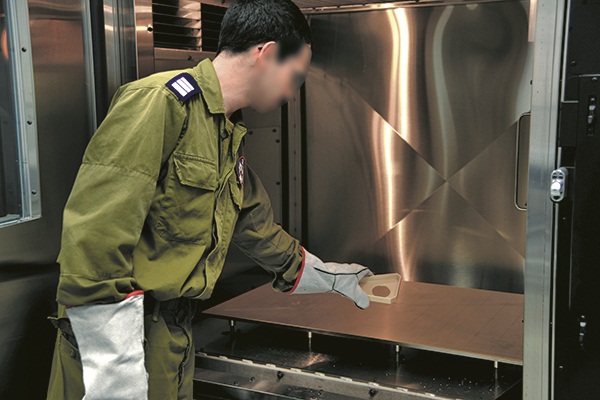
הפקולטה להנדסה באוניברסיטת ת"א מביאה טכנולוגייה ייחודית מסוגה בישראל להדפסת מתכות, חומרים קרמיים וחומרים מרוכבים תוך שיתוף פעולה הדוק עם מערכת הביטחון.


פרוייקט 'מרבד' יוצא לדרך

לאחרונה, מערכת הביטחון השיקה את מיזם 'מרבד' – מרכז ריבוד בטכנולוגיית Directed Energy Deposition. מדובר בשיתוף פעולה ייחודי בין צה"ל, מפא"ת ואוניברסיטת ת"א. פרופסור נעם אליעז, מייסד המחלקה למדע והנדסה של חומרים בפקולטה להנדסה, מוביל את המיזם ואת הקמת המרכז האוניברסיטאי למחקר ופיתוח בהדפסה בתלת-מימד, המוביל מסוגו בישראל. ארוע ההשקה נערך לאחרונה בלשכת ראש להק הציוד של חיל-האוויר, בהשתתפות נשיא אוניברסיטת ת"א, הפרופסור יוסף קלפטר, שאמר: "לאקדמיה יש תדמית של מגדל שן - אך אנו כלל לא חיים בבועה, אלא מקיימים שיתוף פעולה עם מערכת הביטחון, עם התעשייה ועם גופים אחרים. שני הצדדים מופרים כתוצאה ממציאת שביל הזהב, ויש לנו מחויבות לכיוון הזה".


מה נדפיס במעבדה?

המדפסת תאפשר הדפסה של פריטים העשויים ממתכות, סגסוגות, חומרים קרמיים, חומרים מרוכבים וחומרים מדורגי הרכב ומבנה. בנוסף, היא תאפשר יישום ציפויים על פריטים קיימים ותיקון ושיפור פונקציונלי של פריטים קיימים. פריטים שיודפסו באוניברסיטת ת"א יורכבו, בין היתר, על מטוסי החייל.


הרבה יותר מלחיצה על כפתור

פרופסור אליעז הסביר באירוע ההשקה את חשיבותו של מחקר מדעי איכותי לפיתוח הטכנולוגיה ויישומיה והודה לזרועות הביטחון על האמון שנתנו באוניברסיטת ת"א, השותף האקדמי היחיד במיזם. כן ציין את החשיבות שהמחלקה הצעירה בראשה הוא עומד רואה בשיתוף פעולה עם התעשייה ועם מערכת הביטחון ובהובלת תחומים קריטיים לעתידה של מדינת ישראל, חלקם, לצערו, הולכים ונעלמים מהאקדמיה.


לקריאה נוספת: http://m.iaf.org.il/2392-49232-he/IAF.aspx

פרופ' עמית גפן הביא לפריצת דרך במניעה ובטיפול בפצעי לחץ

10 מאי 2017
פרופ' עמית גפן הביא לפריצת דרך במניעה ובטיפול בפצעי לחץ
תמונה מאתר prweb

פריצת דרך

פרופ' עמית גפן הביא לפריצת דרך, לתרומה משמעותית ולהכרה בינלאומי בהבנה, במניעה ובטיפול בפצעי לחץ ועל כך זכה החודש בפרס היוקרתי:"החוקר המנוסה" INVESTIGATOR AWARD EXPERIENCED  

פרופ' גפן הינו מהמחלקה להנדסה ביו-רפואית בפקולטה להנדסה באוניברסיטת תל אביב, בעל שם עולמי בתחום והנשיא היוצא של האיגוד האירופי לפצעי לחץ.


זכייה

הפרס ינתן בספטמבר, בכנס השנתי למניעה וטיפול בפצעי לחץ, באירלנד.

מטרת הכנס הינה להציג חידושים ועדכונים בריפוי פצעי לחץ, לבחון את האתגרים והזדמנויות למחקר וחינוך.


פצעי לחץ-מה זה?

"פצעי לחץ הינם אחת הבעיות החמורות ביותר עימן מתמודדות מערכות בריאות בעולם כולו, הן מבחינת סבל לחולים ולמשפחות והן מבחינת עלות הטיפול. הפצעים הללו הם גם גורם תמותה משמעותי ומובן שיש לעשות הכל כדי למנוע אותם. מחקרי בשני העשורים האחרונים התמקד בהבנת אופן התפתחות פצעי לחץ בכל הרמות – מהאופן שבו מתים תאים בודדים בגוף ועד לנזק הנראה לעין. הבנות אלו מאפשרות כעת דרכי מניעה יעילות יותר כדי למנוע מוות וסבל של מיליונים". כך מסביר פרופ' גפן

School of Mechanical Engineering Avishai Sintov

26 ביוני 2017, 14:00 - 15:00 
בניין וולפסון חדר 206  
ללא תשלום
School of Mechanical Engineering Avishai Sintov

School of Mechanical Engineering Amir Gorodetsky

12 ביוני 2017, 14:00 - 15:00 
בניין וולפסון חדר 206  
ללא תשלום
 School of Mechanical Engineering  Amir Gorodetsky


School of Mechanical Engineering Seminar
Monday, June 12, 2017 at 14:00
Wolfson Building of Mechanical Engineering, Room 206


Micro-Gap Flow Obstructers for Enhanced Direct Chip Cooling


Amir Gorodetsky

M Sc. Student of Dr. Herman Haustein

Heat dissipation in modern high-power electronics require increasingly higher performance cooling, which traditional air-flow systems cannot provide and novel liquid-based solutions are pursued instead. The present study identifies several liquid flow patterns which significantly increase heat transfer, and examines them through simulations and experiments. It is well known that traveling vortices, due to generation of perpendicular unsteady or periodic flows, target a major inhibitor of heat transfer – the steady thermal boundary layer. Traditionally, micro-channels have been widely employed for micro-electronics cooling. However, for generating the desired vortices and a lower pressure drop, micro-gaps are more suitable – despite having lower heat transfer surface area, they also have reduced wall friction. The vortex laden flow generation and heat transfer can be further enhanced by inlet and local pulsation using active flow control methods.

Numerical DNS (transient laminar 2D) were conducted in order to converge to desirable experimental conditions. The experimental micro test-sections incorporated several novel aspects including a fully transparent system, a sputter-coated transparent heater, laser drilled and micro-CNC elements.

In addition, several novel measurement techniques were employed: High speed IR thermography, High speed microscopy, µ-PIV and image processing. In order to examine MEMS-based active flow control for mitigating local hotspots, a single slot jet system was also created, employing an electromagnetically actuated micro valve and enabling in-situ characterization.


Two main concepts were examined to achieve the desired wall temperature decrease and overall temperature uniformity in a micro-gap flow: bluff-body vortex generators or the addition of impinging slot-jets. The former is very suitable to micro scale flows as vortex shedding (von Karman street) nominally begins at low Reynolds numbers (Re>50). Present investigations showed that vortex shedding onset was only mildly suppressed by the confinement at the micro-scale (200 micron bluff body in a 600 micron channel), while heat transfer increased three-fold at the cost of a mild pressure drop increase. The latter concept improves heat transfer by imposing perpendicular flows – implemented by a row of slot-jets into the micro-gap cross-flow, a configuration previously only examined with a microchannel incorporating circular jets. A significant increase of heat transfer over a plain gap was found, as well as great improvement in wall temperature uniformity. In cooperation with a partner group performing more advanced 3D simulations an optimal configuration for heat transfer was obtained.

Regarding the active flow control aspects of the study, simulations showed that pulsating inlet provides only marginal gains in heat transfer, however local jet throttling experiments have been demonstrated as a potential promising alternative for future devices. 

 

School of Mechanical Engineering Prof. Ellad Tadmor

28 ביוני 2017, 14:00 - 15:00 
בניין וולפסון חדר 206  
ללא תשלום
School of Mechanical Engineering Prof. Ellad Tadmor


School of Mechanical Engineering Seminar
Wednesday, June 28, 2017 at 14:00
Wolfson Building of Mechanical Engineering, Room 206


Multiscale Simulation of 2D Heterostructures: Incommensurate to Commensurate Transformations in Twisted Graphene Bilayers


Prof. Ellad B. Tadmor

Department of Aerospace Engineering and Mechanics

University of Minnesota


The synthesis of graphene, a one-atom thick 2D graphitic sheet, was a revolution in materials physics. Since then a host of other 2D materials have been discovered that can be stacked to create layered heterostructures with remarkable properties. Due to the weak van der Waals interaction between layers, the resulting structures can be incommensurate and therefore challenging to model. We describe recent work on developing a hybrid continuum-atomistic computational framework for simulating the mechanical response of 2D heterostructures. In agreement with electron diffraction experiments, simulations of twisted bilayer graphene show a transformation from an initially incommensurate structure to commensurate structures separated by localized solitons. This behavior is explained using a simple mechanical model.


school of mechanical engineering Nadav Sorek

29 במאי 2017, 14:00 - 15:00 
בניין תוכנה חדר 106  
ללא תשלום
school of mechanical engineering Nadav Sorek


School of Mechanical Engineering Seminar
Monday, May 29, 2017 at 14:00
Tokhna Building, Room 106


From Israel to Texas and back: 4-years of a petroleum journey


Dr. Nadav Sorek

Texas A&M University, College Station, TX, USA


On December 30, 2011, following the unprecedented gas reservoirs discoveries offshore Israel, the first Oil & Gas engineering program in Israel was launched. Experts from all over the world came to the Technion “to light the torch” of petroleum engineering knowledge in Israel. This presentation will tell the story of following some of these experts all the way to the American center of oil and gas, the state of Texas. The journey included pursuing Petroleum Engineering Ph.D. at Texas A&M University, while switching advisors and research topics, mastering and teaching the field of reservoir simulation and optimization, and spending three summer internships in the oil capital city, Houston. On a more technical note, we will discuss how conceptual modeling addresses key decisions for shale reservoir management and development of new techniques for optimizing conventional oil recovery from water-flooding using reduced order models and novel parameterization techniques. We will conclude with describing the experience in the industry, working with data analytics on hundreds of wells and a century of production data from oil reservoirs all over the world.


EE Seminar: Expressive Efficiency and Inductive Bias of Convolutional Networks: Analysis and Design through Hierarchical Tensor Decompositions

08 במאי 2017, 15:00 
חדר 011, בניין כיתות-חשמל  

(The talk will be given in English)


Speakers:   Dr. Nadav Cohen
                   School of Computer Science and Engineering, Hebrew University


Monday, May 8th, 2017
15:00 - 16:00

Room 011, Kitot Bldg., Faculty of Engineering


Expressive Efficiency and Inductive Bias of Convolutional Networks: Analysis and Design through Hierarchical Tensor Decompositions


Abstract

The driving force behind convolutional networks - the most successful deep learning architecture to date, is their expressive power. Despite its wide acceptance and vast empirical evidence, formal analyses supporting this belief are scarce. The primary notions for formally reasoning about expressiveness are efficiency and inductive bias. Efficiency refers to the ability of a network architecture to realize functions that require an alternative architecture to be much larger. Inductive bias refers to the prioritization of some functions over others given prior knowledge regarding a task at hand. Through an equivalence to hierarchical tensor decompositions, we study the expressive efficiency and inductive bias of various architectural features in convolutional networks (depth, width, pooling geometry, inter-connectivity, overlapping operations etc). Our results shed light on the demonstrated effectiveness of convolutional networks, and in addition, provide new tools for network design.


The talk is based on a series of works published in venues such as COLT, ICML, CVPR and ICLR, with collaborators Or Sharir, Ronen Tamari, David Yakira, Yoav Levine and Amnon Shashua.


Bio
Nadav Cohen is concluding his PhD at the School of Computer Science and Engineering in the Hebrew University of Jerusalem, under the supervision of Prof. Amnon Shashua. His research focuses on the theoretical and algorithmic foundations of deep learning. In particular, he is interested in the application of tensor analysis for the study of convolutional network architectures.
Nadav holds a BSc in electrical engineering and a BSc in mathematics (both summa cum laude), conducted under the Technion Excellence Program for distinguished undergraduates. For his research in graduate studies, he was awarded the Google Doctoral Fellowship in Machine Learning and the Rothschild Postdoctoral Fellowship.
Starting September 2017, Nadav will be a postdoctoral member at the Institute for Advanced Study (IAS) in Princeton, hosted by Prof. Sanjeev Arora, Elad Hazan and Yoram Singer.

עמודים

אוניברסיטת תל אביב עושה כל מאמץ לכבד זכויות יוצרים. אם בבעלותך זכויות יוצרים בתכנים שנמצאים פה ו/או השימוש שנעשה בתכנים אלה לדעתך מפר זכויות
שנעשה בתכנים אלה לדעתך מפר זכויות נא לפנות בהקדם לכתובת שכאן >>