EE Seminar: Efficient Communication in Manycore Processors using Deflection Routing

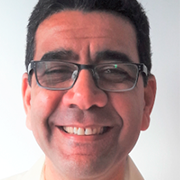
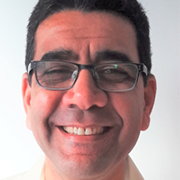
~~Speaker: Gadi Oxman
Ph.D. student under the supervision of Prof. Shlomo Weiss

Wednesday, July 6th, 2016 at 15:00
Room 011, Kitot Bldg., Faculty of Engineering

Efficient Communication in Manycore Processors using Deflection Routing

Abstract

Scaling technology limitations shifted the focus in the computer architecture field from complex single threaded cores with ever increasing operating frequencies, to integration of many parallel simpler cores on the same silicon die. A key component that facilitates communication among the cores is the network-on-chip (NoC). The NoC embeds many interconnected routers with the cores in the same chip. Since the router is replicated many times, it is important to improve its performance and power consumption.

A low cost NoC routing scheme that we focus on in this work is deflection routing (also called hot potato routing), originally proposed for off-chip networks. Deflection routing can be bufferless, thus reducing power consumption by eliminating the router's buffers altogether. However, this comes at a network performance cost, especially under heavy load. We propose the use of buffers in deflection routing to improve performance and power efficiency, and show that substantial improvement can be achieved even with a small number of buffers.

Deflection routing is inherently adaptive, and there are multiple routes by which a packet can reach its destination. We propose prioritization schemes that improve performance and reduce network congestion. We also improve deflection routing performance on diagonal, irregular, and hierarchical mesh topologies.

We describe a new cycle based NoC simulation tool that was developed during our research. The simulator can simulate the performance, power and energy of NoCs using deflection routing. It supports both stand-alone simulation using synthetic traffic, as well as co-simulation along with a system simulator, facilitating closed-loop simulation of NoC traffic from application benchmarks.


06 ביולי 2016, 15:30 
חדר 011, בניין כיתות-חשמל  

27/6/16

You are invited to attend a lecture


Pentagraph image fusion scheme

for prevention of motion blur

using multiple monochromatic images


By


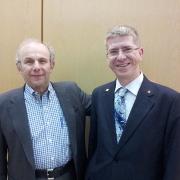
Alon Volfman

MSc student of

Professor David Mendlovic

Electrical Engineering Department, Tel Aviv University


In the seminar a new Pentagraph Image Fusion (PIF) scheme for motion related blur prevention in images is going to be introduced.

The PIF algorithm processes five monochromatic images into a single, low-noise, no-blur color image. The images are acquired using a new photography scheme, the Sequential Filter Photography (SFP), in which instead of using a stationary Bayer pattern color filter array in front of the image sensor, a tunable color filter array is used. Using this approach several monochromatic images are captured one by one and later fused into one color image.

The SFP introduces various advantages as higher resolution, better SNR, and the ability to control both exposure time and color filter separately for each image.

The PIF algorithm harnesses all the advantages of SFP for the first time in the field of blur-free image acquisition, five images are taken with controllable exposure time and color filter, three images for the color bands, and two high signal panchromatic images. These images are fused together to be a single, low-noise, no-blur color image.

The algorithm presents a generic approach of dealing with both local and global motion blur and does not require any user intervention.


Monday, June 27, 2016, at 12:30

Room 011, Kitot Building


27 ביוני 2016, 12:30 
011 Kitot  
27/6/16


המחלקה למדע והנדסת חומרים

22 יוני 2016
  • ברכות לפרופ' עמית כהן מהמחלקה למדע והנדסה של חומרים על היבחרו ליו"ר האגודה הישראלית למיקרוסקופיה (ISM)
  • ברכות לסיגלית איפרגן, דוקטורנטית בהנחיית פרופ' נעם אליעז מהמחלקה למדע והנדסה של חומרים, על זכייתה בפרס פוסטר מצטיין בתחום מדע חומרים בכנס ISM2016 שנערך ב- 2 ביוני בחיפה.
  • ברכות לנעה מתוקי – נשיאת תא הסטודנטים של MRS (Materials Research Society) באוניברסיטת תל-אביב, לאדית בייליס – מזכירת התא, ולשאר חברות וחברי התא על ארגון כנס סטודנטים במשותף עם האגודה הישראלית לוואקום (IVS), שנערך ב- 6 ביוני במכון ויצמן והוכתר כהצלחה גדולה.


שיפור ביצועי כנפי מטוסים בתעשייה האווירית

22 יוני 2016
פרופ' זייפרט עושה לכם כנפיים

כתבה ב YNET   על מנהרת הרוח של אבי זייפרט :

http://www.ynet.co.il/articles/0,7340,L-4819045,00.html


EE Seminar: Temporal organization of cellular self-replication

~~(The talk will be given in English)

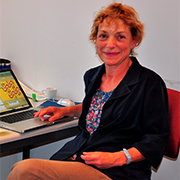
Speaker:   Dr. Rami Pugatch
                       Department of Condensed Physics, Tel Aviv University

Monday, June 27th, 2016
15:00 - 16:00
Room 011, Kitot Bldg., Faculty of Engineering

Temporal organization of cellular self-replication

Abstract
What determines the growth rate of a cell? Why single cells grow exponentially?  In this talk I will offer a novel systems analysis perspective on these biological questions. I will explain two generic methods to accelerate a complex assembly process beyond its critical path duration - the duration of the longest serial process that is bound to occur. I will then apply these ideas to the process of cellular self-replication and derive a novel type of growth law relating the doubling rate of a cell with the number of progenies concurrently under production, and the critical path duration.

(No background in biology is required).

Bio:
BA in mathematics and physics - Technion
MsC in physics (Ultracold atoms) - TAU
PhD in Physics (Atomic physics) - Weizmann Institute
5 years in the operation research division - Israeli ministry of Defense as a system analyst
(IS ops-res representative in the US-IS Tactical high energy laser project)
Member and research associate - Institute for advanced study, Princeton NJ USA.
notable prizes:
Israel's president award for excellence (IMOD finalist)
Fulbright fellow 2012.

27 ביוני 2016, 15:00 
חדר 011, בניין כיתות חשמל  

סיור של 12 תלמידות מכיתות ד' ו-ה', מבית-ספר יסודי גרץ במעבדות של הפקולטה להנדסה

22 יוני 2016

בשבוע שעבר שמחנו לארח 12 תלמידות כיתה ד' ו-המבית-ספר יסודי גרץ בת"א. לקחנו את התלמידות לסיור במעבדות הפקולטה ולמפגש שולחנות עגולים עם הסטודנטים בפקולטה להנדסהד"ר דנה אשכנזי החלה את הסיור בהסבר על הנדסת סביבה ועל עקרונות בניה ירוקה וביקור בכנס ביומימיקרי. מפה התלמידות התפצלו למעבדות הפקולטה להנדסה:

  • בית המלאכה - ד"ר רחל שמואל, שלומי בליויס ודניאל אסרסה ביטאולין. נושא המפגש: תכנון ופיתוח של מתקנים ואבי טיפוס ייחודיים, מידול באמצעות תוכנת תכנון ממוחשבת, שיקולי בחירת חומרים, שיבוב חלקים באמצעות כרסומת, והדפסת חלקים הנדסיים במדפסת תלת-ממדית


  • מעבדת המחקר של פרופ' הדס ממן - ד"ר ורד יניב-כהן .נושא המפגש: חיידקים, וירוסים וטכנולוגיות חדשניות לשיפור איכות מים.


  • מעבדת המחקר של ד"ר הרמן האושטיין - המהנדס עידו לאופר. נושא המפגש: הדגמות של מצלמה מהירה. שיחה על מימדים וסדרי גודל, והדגמה איך מייצרים קו בעובי 100 מיקרון (שערה) באמצעות עיבוד שבבי. ניסוי התפלגות ופיזור חום עם מצלמת אינפרא-רד: ניסוי בלונים


  • מעבדת המחקר של ד"ר איילת לסמן - ד"ר חפצי רגונס, אורטל שלח. נושא המפגש: אינטרקציה מכנית בין תאים – הסברים והדגמות.


  • מעבדת המחקר של ד"ר אלון באב"ד - לינור מיכאלי. נושא המפגש: הסבר מהו מחקר באופטיקה - חקר תכונות האור ואינטראקציה של אור וחומר (האור מורכב מ"חלקיקי אור"). מהו לייזר ומה עקרון פעולתו? איך אור שיוצא מלייזר שונה מאור מנורה (תוך התייחסות בעיקר לצבעים)


  • מעבדה לתכנון וייצור בשילוב מחשב - יפעת פינקוביץ' ועומר גבירצמן. נושא המפגש: מושגי יסוד והדגמות בתחום מערכות הייצור המשולבות, בקרים מתוכנתים משקי אדם-מחשב. במהלך הסיור הוצגו לתלמידות  זרועות רובוטיות, שליטה על רובוטים ניידים ונייחים. בנוסף, הדפסת תלת מימד.


תודה לד"ר גלי הנדין מהמעבדה להנדסה ימית של ד"ר ירון טולדו, בה"ס להנדסה מכנית ולד"ר דנה אשכנזי, בה"ס להנדסה מכנית על ארגון סיור מוצלח ביותר.

נתראה בסיור הבא!

מדבקה בשיטת 'הדבק ושכח', המוצמדת לעור כמו קעקועים זמניים של ילדים, מנטרת את הפעילות החשמלית בשרירים לאורך שעות רבות

  • תגיות:

רבים מאיתנו מכירים את ההליך הבלתי נעים של הקלטת אותות חשמליים דרך העור, במסגרת בדיקות רפואיות שונות. מדבקה אלקטרונית חדשנית, שפותחה במכון לננוטכנולוגיה של אוניברסיטת תל אביב, מוציאה כעת את ההליך הזה מן המעבדה, ומייתרת את הצורך בג'ל הקר והדביק שמגביר את מוליכות האלקטרודות. המדבקה החדשה נוחה לשימוש, נגישה לכולם, ואינה מפריעה לפעילות היומיומית של המשתמש. כל אדם יכול לנטר בעזרתה את פעילות השרירים, לאורך זמן, למגוון צרכים רפואיים ואחרים.


המחקר, בהובלת פרופ' יעל חנין, ראשת המרכז לננו-מדע וננוטכנולוגיה של אוניברסיטת תל אביב, בוצע במסגרת פרויקט אירופי ובתמיכה חלקית של מאגד BSMT של משרד הכלכלה, והוא יוצג במסגרת סדנת מחקר בינלאומית בתחום הננו-רפואה שנפתחת היום באוניברסיטת תל אביב


ממיפוי רגשות ועד להפעלת פרוטזות

יישום אפשרי בולט של המדבקה, שנמצא כיום בתהליכי פיתוח, הוא מיפוי רגשות. "ליכולת לזהות ולמפות את רגשותיהם של בני אדם יש שימושים פוטנציאליים רבים," אומרת פרופ' חנין. "מפרסמים, עורכי סקרים, אנשי תקשורת - כולם מעוניינים לבחון את תגובותיהם של אנשים למוצרים ולמצבים שונים. כיום, בהיעדר כלי מדידה מדעיים מדויקים יותר, הם מסתמכים בעיקר על שאלונים סובייקטיביים. במקביל מנסים חוקרים רבים בעולם לפתח שיטות למיפוי רגשות על ידי ניתוח הבעות פנים, בעיקר על סמך צילומי פנים ותוכנות חכמות. המדבקה שלנו יכולה לתת מענה פשוט ונוח: ניטור הבעות ורגשות על פי האותות החשמליים המתקבלים משרירי הפנים."


לדברי פרופ' חנין, זו רק ההתחלה. למדבקה החדשנית צפויים עוד יישומים רבים: מחקר שהושק לאחרונה עם חוקרים בבית החולים איכילוב, עוקב בעזרתה אחר הפעלת השרירים אצל חולים במחלות נוירו-דגנרטיביות, בזמני ערות ושינה; בתחום התחבורה, ניתן יהיה לנטר מדדים פיזיולוגיים המעידים על ערנותם של נהגים, על ידי הצמדתה לשרירים מסוימים; בתחום השיקום, היא עשויה לסייע לפגועי מוח לשפר את השליטה בשריריהם, ולקטועי גפיים להפעיל פרוטזות באמצעות שרירים שנותרו בגדם; בניתוחי מוח, היא תאפשר לרופאים לעקוב אחר הפעילות המוחית והערנות של החולים.


ננוטכנולוגיה וקעקועי ילדים

המדבקה האלקטרונית רבת הפוטנציאל מבוססת על שילוב מפתיע בין ננוטכנולוגיה מתקדמת למוצר בסיסי ביותר: הקעקועים הזמניים שילדים אוהבים. "התבססנו על חומרים זמינים ועל שיטות הדפסה תעשייתיות מקובלות, על מנת לקצר ככל האפשר את תהליכי הפיתוח," אומרת פרופ' חנין. "המדבקה עשויה משלושה חלקים: אלקטרודות פחמן, משטח דביק המשמש להדבקת קעקועים זמניים על העור, וציפוי ננוטכנולוגי – פולימר מוליך עם טופוגרפיית ננו, שמשפר את ביצועי האלקטרודות. התוצאה היא מדבקה אלקטרונית יעילה, שמקליטה אות יציב וחזק במשך שעות, ואינה מגרה את העור. מבחינת המשתמש מדובר במדבקה פשוטה שהוא מצמיד לעור בנקודה המתאימה, בשיטת 'הדבק ושכח'. כעת הוא יכול להמשיך בפעילותו הימיומית כרגיל, בשעה שהמדבקה מודדת ומקליטה את עוצמת הפעילות בשרירים."


ברכות חמות לדוקטורנטית טליה עדן מביה"ס להנדסת חשמל בהנחייתה של דנה רון על זכייתה במלגת עזריאלי היוקרתית ל-3 שנים. טליה, כל הכבוד

19 יוני 2016

ברכות חמות לדוקטורנטית טליה עדן מביה"ס להנדסת חשמל בהנחייתה של דנה רון על זכייתה במלגת עזריאלי היוקרתית ל-3 שנים.  טליה, כל הכבוד


EE Seminar: Single Microphone Ultrasound Source Localization

~~Speaker: Shalom Elkayam
M.Sc. student under the supervision of Prof. Anthony J. Weiss and Dr. Yossi Yovel

Wednesday, June 29th, 2016 at 15:30
Room 011, Kitot Bldg., Faculty of Engineering

Single Microphone Ultrasound Source Localization

Abstract

The Single microphone localization problem is investigated. This work deals with the problem of localization estimation of a sound signal for locating animals, and more specifically localization of bats in nature using only one microphone and several passive reflectors.

Common passive localization systems are equipped with several base stations, intercepting the transmitted signal and estimating the source location. Often, placing several base stations can be expensive and logistically difficult especially for zoological researchers in an outdoor (nature) experiment. Hence, we have developed an affordable; quick assembly system, and developed the algorithms required to solve the problem under the proposed system constraints.

The signal transmitted by the source and the signals reflected by the reflectors (hereinafter dubbed echoes) are not only overlap in both time and frequency domains, but are also not a-priori known to the user (bats transmissions). An estimation problem which we solved using techniques from other fields of science such as computer vision for semi blind estimation of the transmitted signal using observations of superimposed echoes, although they overlap in both time and frequency domains. This novel method, in contrast to existing algorithms, does not require a-priory knowledge of the transmitted signal model, and is not limited to LFM signals.

The proposed system and algorithms were tested by simulations and compared against several lower bounds (CRLB), for which closed-form expressions are derived. Simulation results demonstrate that the proposed algorithms converge to the CRLB. Finally, we test the system and the algorithms in two experiments: one conducted indoors, in an anechoic chamber, while the other was executed outdoors as an actual field test with real bats. 


29 ביוני 2016, 15:30 
חדר 011, בניין כיתות-חשמל  

14/7/16

You are invited to attend a lecture


Optimisation of Radiation Power Extraction and Control of Laser Spectrum in an Electrostatic Free Electron Laser Oscillator


By


Harry Marks

PhD student of

Professor Avraham Gover

Physical Electronics Department, Tel Aviv University


This talk will began by introducing the subject of free electron lasers with a special emphasis on electrostatic accelerator free electron laser oscillators. The operating principles and major components of such a device will be discussed.


Results of an experimental study of the saturation dynamics and the optimal conditions for maximal radiation power extraction in a free electron laser (FEL) oscillator will be presented. The study was conducted on the Israeli electrostatic accelerator free electron laser (EA-FEL) that is capable of providing lasing pulses at frequencies between 95–110 GHz (depending on the electron beam energy). One critical parameter affecting the performance of the laser is the reflectivity and transmission of the out-coupling element of the resonator. Varying this parameter was made possible by attaching a remote-controlled variable reflectivity out-coupling element (based on a series of wire-grid polarizers) to the resonator of our EA-FEL.


Another critical way to change lasing power is through post-saturation variation of the energy of the electron beam during the lasing period. It will be shown that post-saturation, positively ramping the beam energy increases the radiation extraction efficiency by around 50%. Whilst a falling beam energy results in a reduction in extraction efficiency.


Thursday, July 14, 2016, at 15:00

Room 011, Kitot Building


14 ביולי 2016, 15:00 
011 Kitot  
14/7/16

 
אוניברסיטת תל אביב עושה כל מאמץ לכבד זכויות יוצרים. אם בבעלותך זכויות יוצרים בתכנים שנמצאים פה ו/או השימוש שנעשה בתכנים אלה לדעתך מפר זכויות
שנעשה בתכנים אלה לדעתך מפר זכויות נא לפנות בהקדם לכתובת שכאן >>