EE ZOOM Seminar: Visual system's mechanisms and computational models for Spatio-temporal visual phenomena

22 באפריל 2020, 12:00 
 

Join Zoom Meeting
https://proofpoint.zoom.us/j/607284105

Speaker: Hadar Cohen-Duwek

Ph.D. student under the supervision of Hedva Sptizer and Alex Bronstein


ZOOM Seminar

Wednesday, 22nd April at 12:00

Visual system's mechanisms and computational models for Spatio-temporal visual phenomena

Abstract

The research goal was to offer mechanisms and computational models that predict several visual spatio-temporal phenomena, which are a subgroup of the "visual illusions” phenomena.  (Visual illusions enable us to identify underling neuronal mechanisms of the visual system).

We focused on the “watercolor illusion”, the positive and the negative "aftereffect illusions" and the “reversed phi illusion”. The first group of illusions that we focused on involve the "creation" of surfaces which are triggered by edges, in both spatial and spatiotemporal domains. This type of effects are termed as filling-in processes. The second type of effects is directional motion effects and retinal processes. We suggest that the connection between these two types of effects derives from their common mechanism’s components.

For the filling in effects, we suggest a computational model that is based on a Poisson equation as heat source. Our proposed computational model is able to predict most of the filling-in effects that derive from edges, such as the assimilative and non-assimilative watercolor illusions, and the positive and negative aftereffects.

For the motion effects, we developed a computational model supported by simulations, which for the first time leads to correct predictions of both the behavioral motion effects (phi and reverse-phi), and the relevant electrophysiological and anatomical findings. This has been achieved through the well-known neuronal response: the rebound response (or "Off response"). For testing this hypothesis, we proposed a psychophysical experiment on human subjects, which demonstrated the abolishing of the aftereffect phenomenon through a noise mask. The experimental results confirmed the theoretical predictions regarding the role of the rebound mechanism.  We furthermore suggest that the reverse-phi effect is only an epiphenomenon of the rebound response of the visual system. Our findings, thus, shed new light on the comprehensive role of the rebound response as a parsimonious spatiotemporal detector for motion and additional memory tasks, such as for stabilization and navigation.

מכונת הנשמה מכנית זולה וחד פעמית

12 אפריל 2020
צוות הייצור של מכונת הנשמה מכנית זולה וחד פעמית

מכונות ההנשמה הולכות ואוזלות בעולם וקיים חשש רציני מפני מחסור במכונות שינשימו חולים. משבר זה מחייב חשיבה יצירתית ומהפכנית מצד המהנדסים שלנו, חשיבה שתביא לפיתוח יעיל, מהיר וזול.


פיילוט באישור משרד הבריאות

החודש התבשרנו כי משרד הבריאות אישר פיילוט לייצור מכונות הנשמה חד פעמיות בהשתתפותו של סתיו בר-ששת, בוגר תואר ראשון במגמה להנדסה מכנית בפקולטה להנדסה אוניברסיטת תל אביב וכיום דוקטורנט במסלול הישיר בהנחייתו של ד"ר עמירם משיוב


"הפרויקט עצמו עוסק בפיתוח מכונת הנשמה מכנית אלטרנטיבית לחולי קורונה בעקבות המחסור הקיים. הרעיון הוא לממש מכונה זולה וחד פעמית מחלקים קיימים שזמינים בכמויות גדולות. צוות הפיתוח התגבש כחלק מהאקתון שפתחה אסותא ביחד עם חברות נוספות וכולו בהתנדבות" מסביר סתיו.


כידוע, מחלת הקורונה מדבקת מאוד והעברתה מחולה לחולה יכולה לדרדר את מצבו של החולה המחלים מהנגיף. הרעיון הייחודי של מכונת ההנשמה החד פעמית היא שלאחר שימושה על חולה אחד היא תושמד ומכונה אחרת תשמש חולה אחר.

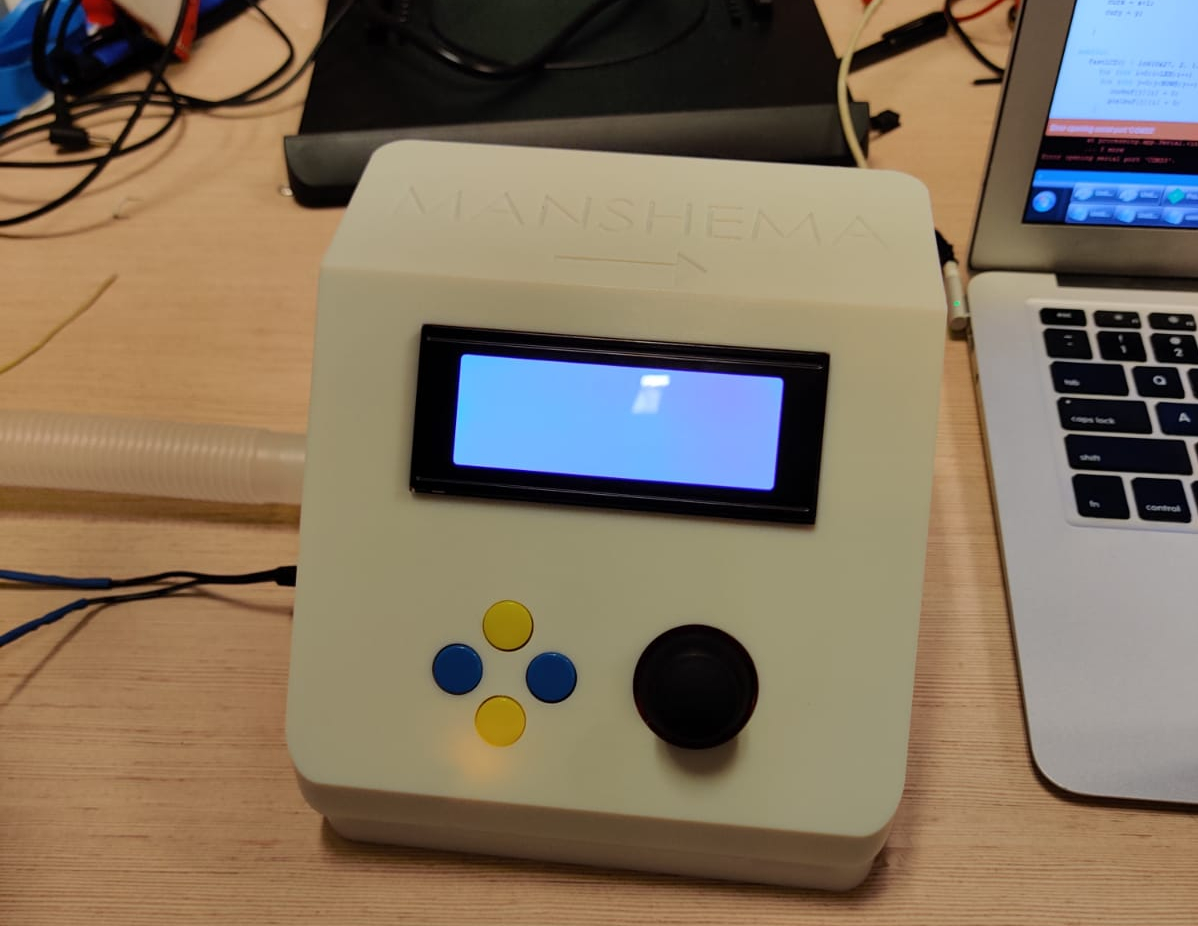
בתמונה: מכונת ההנשמה MANSHEMA


אבטיפוס

נכון להיום, הצוות מימש אבטיפוס עובד ומתקדם לקראת ניסוי קליני בחולים והכשרת פס ייצור בתמיכת משרד הבריאות.


על הצוות

צוות הפיתוח כולל מהנדס מערכת, רופא, מהנדס חשמל, מתכנת ומתנדבים נוספים שעוזרים בכל הנדרש.

  • מרדכי חלפון 
  • ד"ר אלעד גרוזובסקי
  • רונן זילברמן
  • גיל בכר
  • עברי שפירא
  • רועי דרנל
  • סתיו בר-ששת

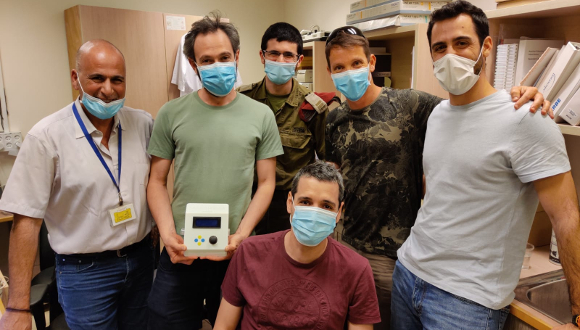
סתיו, עברי, מרדכי, רונן (בני רחימי - מנהל הנדסה רפואית באסותא רמת החייל) למטה - גיל

בתמונה מימין לשמאל: סתיו בר-ששת, עברי שפירא, מרדכי חלפון, רונן זילברמן, בני רחימי. 

בתמונה למטה: גיל בכר

EE ZOOM SEminar: How low level visual mechanism research contribute both to understanding enigmatic visual illusions and to computer vision mechanisms

20 באפריל 2020, 14:00 
ZOOM  

השתתפות בסמינר תיתן קרדיט שמיעה = עפ"י רישום שם + מספר ת.ז.  בצ'אט


Join Zoom Meeting

https://zoom.us/j/397031628

Meeting ID: 397 031 628

Password: 046415

Speaker: Yuval Barkan

Ph.D. student under the supervision of Hedva Spitzer and Shmuel Einav


MONDAY, April 20th, 2020 at 14:00

      ZOOM


How low level visual mechanism research contribute both to understanding enigmatic visual illusions and to computer vision mechanisms


Abstract

Computer vision, similar to the biological visual system, strive to interpret and interact with the visual physical world based on noisy, occluded, illuminated, partial and often inconsistent flow of information.

Since visual illusions are results of visual mechanism they can shed light on critical mechanisms of the visual system.

In this Ph.D. thesis, we have studied different aspects of the low-level visual system mechanisms that aid the visual system to perform complicated tasks such as color and intensity constancy, enhancements of intensity and contrast that enable segmentation and classification. Furthermore, we investigated the mechanisms that perform compensations to optical imperfections of the visual system such as longitudinal chromatic aberration. We have also investigated different visual illusions in order to understand and model their underlying mechanisms. As part of this research we have also discovered new visual illusions such as the color-dove illusions.

Based on the above computational models we have developed unique algorithms for various computer vision applications, for both natural and medical images such as companding HDR (High Dynamic Range) images. The building blocks of these computational models enabled us to develop a novel algorithm to present a CT HDR image on a standard dynamic range display without losing image diagnostic features.

Understanding these low-level mechanisms can contribute to modern deep learning and neural network algorithms. One of the challenges of modern neural networks is how images and how to perform effectively non-linear feedbacks (such as PredNet).  We believe the suggested mechanisms and models in this work can contribute not only to understand the actual visual mechanisms, but also to neural networks algorithms as part of their architecture and/or preprocessing layers.


EE ZOOM SEMINAR:

19 באפריל 2020, 15:00 
ZOOM  

השתתפות בסמינר תיתן קרדיט שמיעה – עפ"י רישום שם + מספר ת.ז.  בצ'אט

Join Zoom Meeting
https://us04web.zoom.us/j/656977141?pwd=c0ZPbTVHd1MxY3A5RW5JbFI5Ykhtdz09
Meeting ID: 656 977 141
Password: 535131

Speaker: Tomer Raviv

M.Sc. student under the supervision of Prof. Yair Be’ery


SUNDAY, April 19th, 2020 at 15:00

        ZOOM


Data Driven Decoding for Error Correction Codes

Abstract

High quality data is essential in deep learning to train a robust model. While in other fields data is sparse and costly to collect, in the field of error correction codes it is free to query and label thus allowing potential data exploitation.

In this seminar, I'll explore the deep connection between data and machine-learning based decoding. After presenting the current state of the field, the adoption of ensembles for decoding applications is considered.

Ensemble models are widely used in machine learning to solve complex tasks by their decomposition into multiple simpler tasks, each one solved locally by a single member of the ensemble. However, for decoding applications, solely optimizing performance is inadequate; as one must take complexity into account as well. We suggest a low-complexity scheme, referred to as a data-driven ensemble, where only a single member participates in the decoding of each word. Every member is a weighted belief propagation decoder, formed by the parameterization and training of a classical belief propagation decoder.

Our novel scheme incorporates domain knowledge by several means. First, the distribution of feasible words is partitioned into non-overlapping regions. Thereafter, specialized experts are formed by independently training each member on a single region. A classical hard-decision decoder is employed as the gating function, mapping every word to a single expert in an injective manner. This gating introduces a priori knowledge, exploited by the ensemble at inference. Lastly, we present FER gains in the waterfall and error-floor regions for two short-length BCH codes with cycles-reduced parity-check matrices. 


מזכירות הסטודנטים והסטודנטיות פה בשבילכם בכל שאלה

02 אפריל 2020
צור קשר

ורדה בוטויניק

סגן ראש מינהל לתלמידים והוראה

vardab@tauex.tau.ac.il

מזכירות תואר ראשון: בתאריכים 8.4.20 ועד ה-19.4.20 לא יהיה מענה בעקבות חופשת פסח 

אוסנת ממן

הנדסת חשמל ואלקטרוניקה

הנדסת חשמל ואלקטרוניקה ומדעי המחשב

הנדסת חשמל ואלקטרוניקה ופיזיקה

hashmalst@tauex.tau.ac.il

ורד דבורי

הנדסת תעשייה וניהול

הנדסה ביו-רפואית

hashmalst@tauex.tau.ac.il

עליזה סוחוניצקי

הנדסה מכנית

הנדסה מכנית וביוטכנולוגיה ימית

hashmalst@tauex.tau.ac.il

לימור גנץ בן משה

מדע והנדסה של חומרים

hashmalst@tauex.tau.ac.il

מזכירות תארים מתקדמים: בתאריכים 8.4.20 ועד ה-19.4.20 לא יהיה מענה בעקבות חופשת פסח 

אורית גוטרמן

מרכזת המזכירות לתארים מתקדמים

ומדע והנדסה של חומרים

oritg@tauex.tau.ac.il

ליאת כהן

הנדסת חשמל

liatc@tauex.tau.ac.il

ורד ידגר רז

הנדסת תעשייה, הנדסה ביו-רפואית, הנדסה מכנית

veredyr@tauex.tau.ac.il

זיוה ליפוביצקי

מזכירת סטודנטים לתואר שלישי

zival@tauex.tau.ac.il

מור רובין מארי

מרגישים חרדה, בהלה, מצוקה נפשית ורגשית? צרו קשר עם שירותי הייעוץ שלנו לסטודנטיות ולסטודנטים בכל שעה ביום!

yeutzeng@tauex.tau.ac.il

סמינר מסיימי תואר שני במחלקת מדע והנדסת חומרים

01 באפריל 2020, 14:51 
"ZOOM"  


שלום לכולם,

הוחלט כי הסמינרים של מסיימי תואר שני לחודש אפריל, מתקיימים כמתוכנן – בזום, ZOOM

על הסטודנטים לדבר עם המנחה ו/או עם דר' נעה לכמן, אחראית הסמינרים במחלקה,

לבירורים נוספים וכן על מנת לתאם, בין היתר, מוזמנים.


כולנו תקווה כי נשוב לשגרה בהקדם ובבריאות איתנה.


אלו הסמינרים הקרובים:

2.4.20     מור פיגנבוים מסיימת תואר שני

21.4.20    עדנה מדוס מסיימת תואר שני

5.5.20       אפרת גלבוע מסיימת תואר שני


בהצלחה ובברכת ימים טובים.


EE ZOOM Seminars- Nir Raviv & Yoav Blum

06 באפריל 2020, 15:00 
ZOOM  


https://zoom.us/j/155811314  =  Seminar at 15:00


https://us04web.zoom.us/j/108282014  =  Seminar at 15:30


השתתפות בשני הסמינרים תיתן קרדיט – עפ"י צילום המסך עליו יופיעו שמות המשתתפים בכל סמינר


-----------------------------------------------------------------------------------------------------------------------------------------------------------------------------------------------------------------------------------------------------------------------------------------------------------------------------------------------


Speaker: Nir Raviv

M.Sc. student under the supervision of Prof. Yair Be'ery


Monday, April 06, 2020 at 15:00

ZOOM


Active Learning and Self-Attention for Decoding of Error Correcting Codes
Abstract

Error correction codes are an integral part of communication applications, boosting the reliability of transmission. The optimal decoding of transmitted codewords is the maximum likelihood rule, which is NP-hard due to the curse of dimensionality. For practical realizations, suboptimal decoding algorithms are employed; yet limited theoretical insights prevent one from exploiting the full potential of these algorithms.

Inspired by state-of-the-art deep learning advancements, two novel methods are introduced to improve error correction codes decoding algorithms.


The first method explores the informativeness of the training data. High quality data is essential in deep learning to train a robust model. While in other fields data is sparse and costly to collect, in error decoding it is free to query and label thus allowing potential data exploitation. Utilizing this fact and inspired by active learning, a method to improve Weighted Belief Propagation (WBP) decoding is introduced. By smartly sampling the data, we introduce an improved performance without increasing inference (decoding) complexity over the original WBP.


The second aspect we chose to explore is the choice of permutation in permutation decoding. We present a data-driven framework for permutation selection, combining domain knowledge with machine learning concepts such as node embedding and self-attention. Significant and consistent improvements in the bit error rate are introduced for all simulated codes, over the baseline decoders.


These two methods are examples for model enhancement by incorporation of domain knowledge from error-correcting field into a deep learning model. To the best of our knowledge, this work is the first to leverage the benefits of both active learning and neural Transformer networks in the physical layer of communication systems.


-----------------------------------------------------------------------------------------------------------------------------------------------------------------------------------------------------------------------------------------------------------------------------------------------


Speaker: Yoav Blum

M.Sc. student under the supervision of Prof. David Burshtien


Monday, April 06, 2020 at 15:30

ZOOM


Blind Vocoder Speech Reconstruction using Generative Adversarial Networks.

Abstract


The problem of reconstructing vocoder acoustic parameters using only encoded bit

stream data is considered. Wasserstein generative adversarial networks (GANs) and

CycleGANs, that map two unpaired domains, are used. It is shown that it is possible

to reconstruct key acoustic parameters such as linear predictive coefficients (LPCs)

when these parameters are encoded using scalar quantization. It is further shown that

speech reconstruction is possible to some extent when it is known that the vocoder

belongs to the family of code excited linear prediction (CELP) models, but the coded

bit frame structure is unknown.

 

EE ZOOM Seminars: Idan Amir & Zeev Kustanovich

05 באפריל 2020, 15:00 
ZOOM  

 Roi Livni is inviting you to a scheduled Zoom meeting.

Topic: Seminar
Time: Apr 5, 2020 03:00 PM Jerusalem

Join Zoom Meeting
https://zoom.us/j/961506585

Meeting ID: 961 506 585

One tap mobile
+13462487799,,961506585# US (Houston)
+16699006833,,961506585# US (San Jose)

Dial by your location
        +1 346 248 7799 US (Houston)
        +1 669 900 6833 US (San Jose)
        +1 929 205 6099 US (New York)
        +1 253 215 8782 US
        +1 301 715 8592 US
        +1 312 626 6799 US (Chicago)
Meeting ID: 961 506 585
Find your local number: https://zoom.us/u/aCcdfZ1DW


--------------------------------------------------------------------------------------------------------------------------------------------------------------------------------------------------------------------------------------------------------------------------------------- 

Speaker: Idan Amir

M.Sc. student under the supervision of Dr. Roi Livni

Sunday, April 5th, 2020 at 15:00

ZOOM


Prediction with Corrupted Expert Advice

Abstract:

We revisit the fundamental problem of prediction with expert advice, in a setting where the environment is benign and generates losses stochastically, but the feedback observed by the learner is subject to a moderate adversarial corruption.

We prove that a variant of the classical Multiplicative Weights algorithm with decreasing step sizes achieves constant regret in this setting and performs optimally in a wide range of environments, regardless of the magnitude of the injected corruption.

Our results reveal a surprising disparity between the often comparable Follow the Regularized Leader (FTRL) and Online Mirror Descent (OMD) frameworks: we show that for experts in the corrupted stochastic regime, the regret performance of OMD is in fact strictly inferior to that of FTRL.


-----------------------------------------------------------------------------------------------------------------------------------------------------------------------------------------------------------------------------------------------------------------------------------------------------------

Speaker: Zeev Kustanovich

Ph.D. student under the supervision of Prof. George Weiss

Sunday, April 5th, 2020 at 15:30

ZOOM


Stability analysis of microgrid power systems

Abstract

Microgrids are key components of modern electric grids that facilitate the integration of renewable or distributed generation units. Power system stability analysis requires the development of advanced (usually model-based) techniques posing a big challenge to the control community, because the power system is complex and highly nonlinear, with an immense variety of actuators, controls, protections, and operational constraints that change in time and are subject to various faults. Although there are widely accepted (reduced) models for synchronous generators (SG), they are typically simplifications of the reality that may lead to non-accurate descriptions of the behavior of microgrids. The situation is getting worse due to the penetration of inverter based power sources (mostly from renewables) into the grid, because the lack of inertia of the non-SG power sources threatens the stability of the power grid. Most distributed generators are connected to the utility grid via inverters that rely on various control algorithms. Mostly they offer no inertia, and behave as controlled current sources that produce fluctuating power. Numerous researchers are investigating how the control of future power grids should look.

One of our studies concerns the stability analysis of a very simple system that contains only a SG with its prime mover and a resistive load. Inductive transmission lines connect between them. The model of the SG and its prime mover includes a frequency droop loop that acts through the prime mover and its governor, with its own dynamics. The SG model takes into account the variation of the inductances with the rotor angle and damper windings, as we contemplate to incorporate the effect of damper windings into the control algorithm of inverters.


ZOOM Seminar- Daniel Marima

02 באפריל 2020, 15:00 
ZOOM  

You are invited to attend a lecture On Thursday, 2 April 2020, 15:00


Zoom Meeting ID: 300-619-704

Topic: EE Seminar

Join Zoom Meeting


https://zoom.us/j/300619704


Retrieval of information carried by a

multimode fiber through Rayleigh side

scattering


By:

Daniel Marima

M.Sc. student under the supervision of Prof. Avishay Eyal and Dr. Alon Bahabad


Abstract


Optical fibers are widely used today for telecommunication, sensing, fiber lasers, and much more. The majority of the applications of optical fibers use either the input or the output facets of the fiber. For telecommunication, the transmitted light is fed into the input facet of the fiber by the transmitter and is collected from the output facet of the fiber by the receiver. Rayleigh backscattered light collected from the input facet of the fiber can be used, for example, for sensing. Very little research has been done in order to perform those tasks through the sides of the optical fiber, using light which is scattered radially. In my research I study methods intended to facilitate interfacing with optical fibers through their sides, rather than their input or output facets. To that end I use a Convolutional Neural Network, which is a type of Artificial Intelligence, that is able to learn the scattering properties of the fiber at specific locations along the fiber. The network is able to retrieve both amplitude and phase information that is carried by the light that is coupled to the fiber by learning only the intensity of the scattered light. This ability can be used for broadcasting or eavesdropping in optical communications applications, or for distributed sensing. In the future, the preliminary results of this study may be used also (via reciprocity) for coupling external light into the optical fiber through its sides. This will enable gathering information about the surrounding of the fiber, and can be used, for example, for endoscopy.

ד"ר רעות נוחם הראתה במחקרה לאחרונה כי במצבי חירום כגון אסון טבע, מגיפה או מלחמה, שיתוף פעולה מצד האוכלוסיה הוא המפתח ליישום מוצלח של כל תכנית פעולה

  • תגיות:

החוקר.ת מאחורי המחקר

מאז החל משבר הקורונה, מפרסמות הרשויות הנחיות והגבלות לאזרחים, אשר מטרתן לסייע בהאטת קצב התפשטות הנגיף. עם זאת, לא תמיד ממלאים האזרחים אחר ההנחיות ופועלים על סמך הבנתם ושיקול דעתם. כעס רב מופנה כלפי אותם אזרחים או קבוצות שלא משתפות פעולה עם ההנחיות, ובמקביל רשויות החוק נערכות לאכוף את ההנחיות ביד נוקשה.


מי בעצם אשם באי ציות האזרחים?

ברור לכולם שבהיעדר שיתוף פעולה רחב של הציבור, לא ניתן יהיה להשיג את התוצאה הרצויה מאותם צעדים קשים וקיצוניים. אך האם נכון להטיל את מלוא האחריות על כשלון זה או אחר של יישום מדיניות הסגר והריחוק החברתי על הציבור? בכדי לענות על השאלה צריך להבין ולקחת בחשבון את ההתנהגות האנושית בעתות חירום. שלא כמו בזמן שגרה, מצבים של לחץ, חרדה וחוסר וודאות יגרמו לאנשים לפעול דוקא בניגוד להנחיות, אם מבחירה, במידה וירגישו שזה הדבר הנכון ביותר עבורם או אם מחוסר ברירה. בכל חברה יהיו אנשים שמשתפים פעולה עם המדיניות ונשמעים להנחיות, אך גם כאלה שלא.

הפער בין התכנון והתחזיות לבין מה שקורה בפועל אכן נובע מחוסר שיתוף פעולה מלא של האוכלוסיה, אך התעלמות מאותם היבטים התנהגותיים וחברתיים בשלב קבלת ההחלטות והטלת האחריות במלואה על הציבור אינה הפתרון. במצבי חירום תפקידם של מקבלי ההחלטות הוא לא רק להיות צודקים אלא לנהוג בחכמה.

אז מה צריך לעשות? איך אפשר לשפר את תהליך קבלת ההחלטות?

ד"ר רעות נוחם, פוסט-דוקטורנטית באוניברסיטת Northwestern (במסגרת המלגה המשותפת לאוניברסיטת תל אביב ו- Northwestern), עשתה את הדוקטורט שלה במחלקה להנדסת תעשייה תחת הנחייתה של פרופ' מיכל צור, ראשת המחלקה להנדסת תעשייה. הדוקטורט שלה עסק בלוגיסטיקה וקבלת החלטות בשעת חירום והוא רלוונטי יותר מתמיד כעת במשבר הקורונה. "הראנו כי במצבי חירום כגון אסון טבע, מגיפה או מלחמה, כאשר שיתוף פעולה מצד האוכלוסיה הוא המפתח ליישום מוצלח של כל תכנית פעולה, שילוב ההיבטים ההתנהגותיים במודלי קבלת ההחלטות הוא קריטי והתעלמות מההיבט האנושי עלולה להוביל לפתרון גרוע בהרבה מהפתרון שיתקבל תחת הערכת מצב מציאותית וכנה. במילים אחרות, במקום לקוות שכל האוכלוסיה תישמע להנחיות, יש לשלב במודלים תרחישים בהם חלק מהאוכלוסיה לא משתפת פעולה ולעדכן את ההערכות של המודלים ואת ההחלטות שמשתמעות מכך בהתאם. עוד הראנו, כי ע"י זיהוי ממוקד של אוכלוסיות מפתח בהן ניתן למצוא קבוצות גדולות של "מפרי הנחיות" וע"י הקצאת תמריצים (כן, תמריצים ולאו דוקא אכיפה) לאותן אוכלוסיות ניתן לגשר על חלק גדול מהפער שקיים בין המצוי לרצוי" מסבירה ד"ר נוחם.


הערכות לאסון

המחקר התמקד בהערכות לאסון טבע כגון רעידת אדמה, ובהחלטות כגון מיקום מרכזי סיוע לאוכלוסיה והקצאת "ערכות הישרדות" לנפגעי האסון. המודלים המוצעים נבחנו באמצעות תרחישים שהתקבלו מועדת ההיגוי הארצי להערכות לרעידות אדמה והמכון הגיאופיזי לישראל. עם זאת, העקרונות המוצגים במחקר רלוונטים ביותר גם לתרחיש של מגיפה כמו מגיפת הקורונה. בעת קבלת החלטות אודות הגבלות תנועה, צמצום שוק העבודה וריחוק חברתי, יש לקחת בחשבון את מידת שיתוף הפעולה של האוכלוסיה עם הרשויות. חשוב לזהות אוכלוסיות "בעייתיות" אשר יתקשו לציית להנחיות כלשהן כבר בעת שגרה וכחלק מתכניות ההערכות לחירום, ולגבש אסטרטגיות פעולה מבעוד מועד. למשל בעדה החרדית כדאי היה לפנות לרבנים המנהיגים עוד בטרם התפרסמו ההנחיות, וביחד איתם למקד את מאמצי ההסברה והפרסום באופן שיהיה אפקטיבי עבור פלח אוכלוסיה זה. דוגמה נוספת היא סיוע בהכשרה והטמעה של פתרונות טכנולוגיים ללימוד תורה וקיום תפילות, ומתן פתרונות לאנשים שצריכים להיות בבידוד ולא יכולים לקיים את ההנחיה לאור תנאי המגורים הנוכחיים שלהם. עבור האוכלוסיה המבוגרת, הקמת מערך מסודר של נציגים שידאגו לספק את כל צרכיהם בזמן הסגר ועבור צעירים הנמצאים בסיכון נמוך ומתקשים לעצור את שגרת חייהם, אפשר להציע סיבסוד שירותים בהם יוכלו להשתמש בזמן או בתום המשבר כל עוד יוכיחו כי נשמעו להנחיות. כל הפתרונות הללו דורשים השקעה כספית וחשיבה מחוץ לקופסה אך סביר להניח כי התועלת מהשקעה זו תשתלם.


"ובנימה אישית – תישמעו להנחיות. ככל שאוכלוסית הצייתנים תהיה גדולה (כפי שראינו במדינות כמו קוריאה הדרומית וסינגפור), כך פחות משאבים יושקעו באותם אלו שלא נשמעים להנחיות והחברה כולה תרוויח מכך. זו אומנות הציות" מסכמת ד"ר רעות נוחם.


קישור למאמר

עמודים

אוניברסיטת תל אביב עושה כל מאמץ לכבד זכויות יוצרים. אם בבעלותך זכויות יוצרים בתכנים שנמצאים פה ו/או השימוש שנעשה בתכנים אלה לדעתך מפר זכויות
שנעשה בתכנים אלה לדעתך מפר זכויות נא לפנות בהקדם לכתובת שכאן >>