פיתוח כלי הנדסי לשיפור מדיניות חיסונים

13 מאי 2018
חיסון לשעלת יעיל יותר לנשים הרות

שעלת היא מחלה זיהומית מאוד מדבקת שמתבטאת בהתקפי שיעול קשים וממושכים הנמשכים שבועות. שילוב כוחות מעניין בין שתי מעבדות מחקר בפקולטה להנדסה - המעבדה ל-Big Data בראשות ד"ר ארז שמואלי והמעבדה למידול ולניתוח תופעות ויראליות Laboratory for Epidemic Modeling and Analysis בראשות ד"ר דן ימין, הביא לפיתוח כלי הנדסי לשיפור מדיניות חיסונים כוללת כנגד מחלת השעלת בישראל.   


על רקע עלייה בדיווחי מחלת השעלת החליטו במסגרת עבודת התיזה של דין לנגסם בהנחיית ד"ר דן ימין וד"ר ארז שמואלי מהפקולטה להנדסה באוניברסיטת תל-אביב, ובשיתוף ד"ר אמיליה אניס, ראש האגף לאפידמיולוגיה במשרד הבריאות, לבנות מודל מתמטי להתפשטות מחלת השעלת במטרה להבין האם באמת חלה עליה בתחלואה ולבחון חלופות למדיניות החיסונים הקיימת.


עלייה אמיתית או מלאכותית בדיווחי שעלת?

החל משנת 2002 נצפתה עלייה בדיווחי שעלת, אך לא היה ברור האם המקור לעלייה נובע מעליה במודעות הרופאים והציבור למחלה או לעלייה אמיתית בתחלואה. לדוגמה, מחקר אוסטרלי הציע שהעלייה היא מלאכותית ומקורה בעלייה במודעות ובטכנולוגיות לאבחון המחלה. לכן, בעבודתם ניסו החוקרים להשיג שתי מטרות מרכזיות:

1) לבחון האם באמת חלה עלייה בתחלואת שעלת בישראל

2) לבנות מודל מתמטי להתפשטות מחלת השעלת כדי להציע מדיניות חיסונים אופטימלית להפחתת ניזקי שעלת בישראל.  


מניתוחים שהחוקרים ביצעו עולים שני ממצאים המחזקים את העובדה כי העלייה במקרים המדווחים של שעלת איננה נובעת מעלייה במודעות, אלא מעלייה אמיתית:

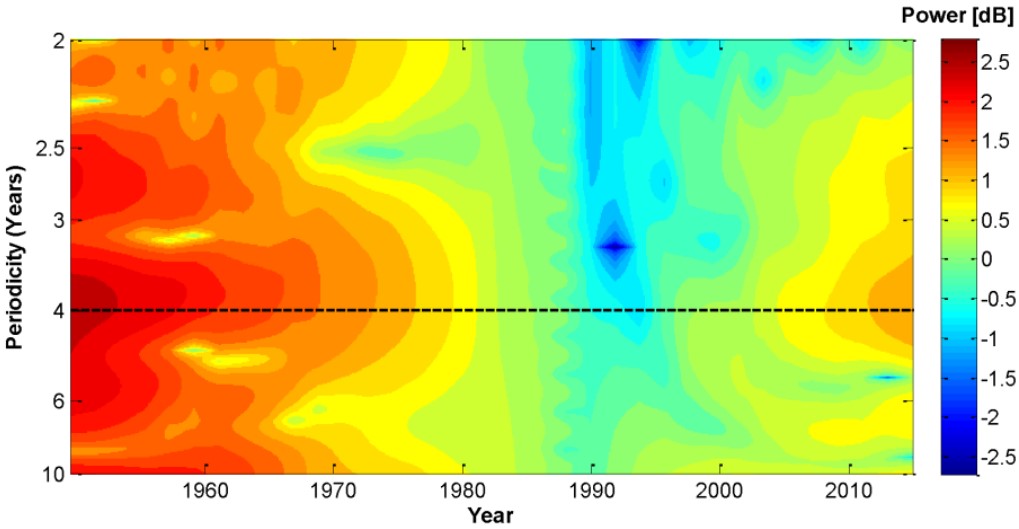
א. העונתיות הארבע שנתית שנצפתה בשנים האחרונות זהה בדיוק לאותה עונתיות ארבע שנתית של תחלואת שעלת שנצפתה בקום המדינה לפני תקופת החיסונים. מכיוון שרופאי המשפחה המדווחים על מקרי שעלת אינם מודעים למחזוריות זו, ובכל זאת היקפי הדיווחים מתנהלים על פי מחזוריות זו, ניתן להסיק כי העליה בדיווחים מקורה בעליה אמיתית בתחלואה.

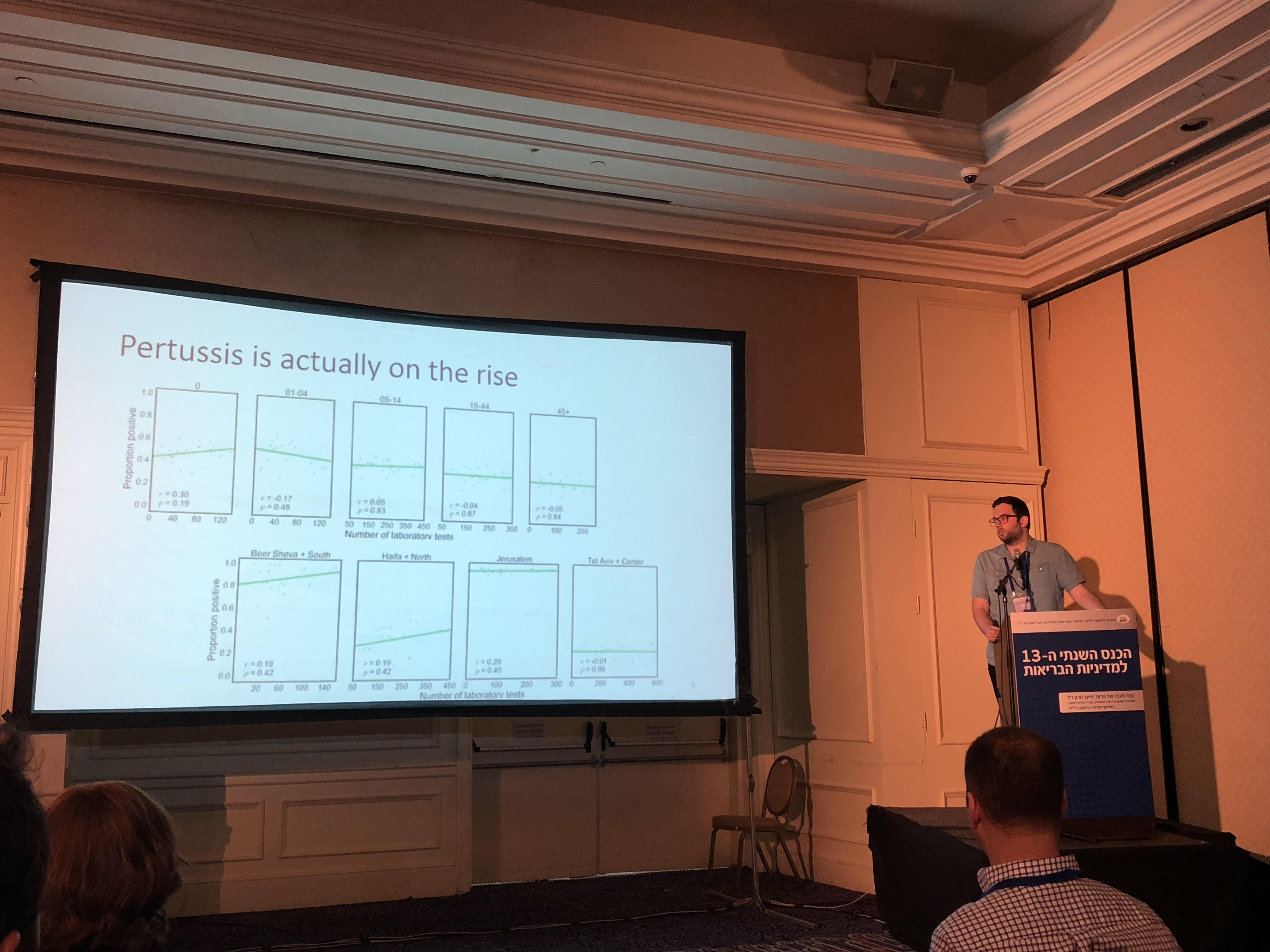
ב. ניתן לאמת תחלואה בשעלת על ידי בדיקת מעבדה. לכן, היינו מצפים שעלייה במודעות לשעלת, שאינה מגובה בעליה אמיתית, תוביל לירידה בשיעור המקרים שיתגלו כמקרי שעלת אמיתיים בבדיקות המעבדה. עם זאת מניתוח שביצעו החוקרים עולה כי שיעור זה לא ירד.

בתמונה: מפת חום המתארת את עוצמת המחזוריות בתחלואת שעלת לאורך השנים. ניתן לראות שאותה מחזוריות ארבע שנתית שנצפתה בשנות החמישים (טרם תקופת חיסוני השעלת), חוזרת ומתעצמת בשנים האחרונות.  


מדוע הייתה עליה בתחלואה של שעלת בישראל?

ממצאי המודל המתמטי שפיתחו החוקרים מצביעים על עלייה של 400% בתחלואת שעלת בישראל משנת 2002. נמצא כי תחלואת השעלת בשנים האחרונות מתאפיינת בעונתיות ארבע שנתית עם שיאים בשנים 2012, 2016 וצפי לשיא ב-2020, ועם תחלואה מתונה בשנים 2014 ו-2018. בעוד שבניית המודל התבססה על נתונים עד שנת 2016 בלבד, המודל הצליח לחזות את היקף התחלואה בשנים שאחרי, כולל שנת 2018, באופן מרשים.


ככל הנראה, העלייה שאנו עדים לה נובעת מהמעבר מחיסון צלולרי ל-א-צלולרי שהתרחש בישראל החל משנת 2002.חיסון צלולרי מורכב מחיידק שעלת מומת לעומת חיסון א-צלולרי המורכב רק מרעלן של השעלת וחלבונים שנמצאים במעטפת החיצונית של החיידק, כלומר, לא מתא חיידקי מלא אלא רק מרכיבים שלו ורעלנים שהוא מפריש. לחיסון הצלולרי אמנם היה יעיל יותר, אך תופעות הלוואי שלו היו חריפות יותר.


עידוד חיסון נשים הרות הינו כדאי יותר

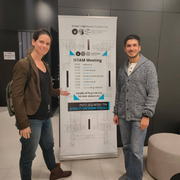
ניתוח המודל מראה שהחיסון שניתן בגיל 13 הוא בעל יעילות מינימאלית בהפחתת אשפוזים. זאת, בשל העובדה שחלק ניכר מהמחוסנים בגיל זה עדיין מוגנים בזכות החיסון שניתן להם בגיל 7, וכן שהשפעת חיסון קבוצה זו על הפחתת התחלואה ליתר קבוצות הגיל היא זניחה. מנגד, עידוד חיסון נשים הרות הינו כדאי יותר, וזאת מכיוון שהוא עשוי להפחית את התחלואה בילדים עד גיל שנה, ולהם הסיכוי הגבוה ביותר לסיבוכים.  המלצת החוקרים למשרד הבריאות היא לבחון מחדש את המדיניות הנהוגה כיום שבה מחסנים ילדים בגיל 13, ולעשות מאמצים להגברת שיעור המתחסנות בקרב הנשים ההרות. דור כהנא, סטודנט לתואר שני במעבדה למידול ולניתוח תופעות ויראליות בפקולטה להנדסה בראשות ד"ר דן ימין, הציג את העבודה המשותפת בכנס של המכון הלאומי לחקר שירותי הבריאות.


החוקרים מדגישים כי מחלת השעלת היא מחלה מאוד מדבקת. על אף כי החיסון הא-צלולרי יעיל פחות מהחיסון הקודם, הוא עדין יעיל ביותר במניעת מחלת השעלת, ובלעדיו תתרחש מגיפה הרת אסון. לכן, משרד הבריאות עובד במקצועיות ובזהירות המתבקשת ומשלב לא רק מודלים מתמטיים להתפשטות מחלות, אלא גם מחקרים אפידמיולוגיים נוספים לפני גיבוש מדיניות חיסונים כוללת. 

בתמונה: דור כהנא בכנס של המכון הלאומי לחקר שירותי הבריאות

עוד על המחקר ניתן לקרוא בכתבה בישראל היום

ידיעות נוספות בנושא

Distinguished Professor Dan Shechtman (2011 Nobel Laureate in Chemistry)

Faculty of Materials Science and Engineering, Technion, Israel.


Research Interests: Quasicrystals, electron microscopy, rapidly solidified alloys


Selected Awards and Honors:

2011 Nobel Prize in Chemistry; 1999 Wolf Prize in Physics; member of the American National Academy of Engineering, the European Academy of Sciences, and the Israel Academy of Sciences


Homepage >
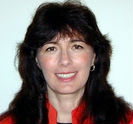


Professor Joanna Aizenberg

School of Engineering and Applied Sciences, Harvard University


Research Interests: Biomimetic inorganic materials synthesis, self-assembly, nanofabrication, biooptics, biomaterials, biomechanics


Selected Awards and Honors:

Fellow of the American Physical Society; R&D 100 Award for Top Technology and Innovation (2012 & 2013)


Homepage >
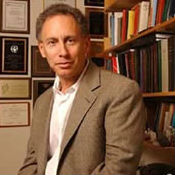


Institute Professor Robert S. Langer

Department of Chemical Engineering, MIT, USA


Research Interests: Tissue engineering, drug delivery


Selected Awards and Honors:

2013 Wolf Prize in Chemistry; 2002 Charles Stark Draper Prize; 2008 Millennium Prize; 2005 Dan David Prize; the most cited engineer in history; member of the American National Academy of Engineering, and the American National Academy of Sciences


Homepage >


Professor Charles M. Lieber

Department of Chemistry and Chemical Biology, Harvard University, USA


Research Interests: Nanotechnology – from biology/medicine to energy


Selected Awards and Honors:

2012 Wolf Prize in Chemistry; 2013 Willard Gibbs Medal; member of the American National Academy of Sciences and the American Academy of Arts and Sciences; #1 in Top 100 Chemists (Web of Knowledge)


Homepage >


Professor Ke Lu

Institute of Metal Research, Chinese Academy of Sciences, China


Research Interests: Nanostructured metals and alloys


Selected Awards and Honors:

Distinguished Visiting Fellow of the Royal Academy of Engineering UK; member German National Academy of Sciences Leopoldina, Third World Academy of Sciences, and the Chinese Academy of Sciences; MRS Fellow


Homepage >
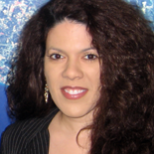


Professor Christine Ortiz

Department of Materials Science and Engineering & Dean for Graduate Education & founding and faculty Director – MISTI MIT-Israel Program, MIT, USA


Research Interests: Structural or load-bearing biological materials, nanomechanics


Selected Awards and Honors:

NSF Presidential Early Career Award for Scientists and Engineers


Homepage >
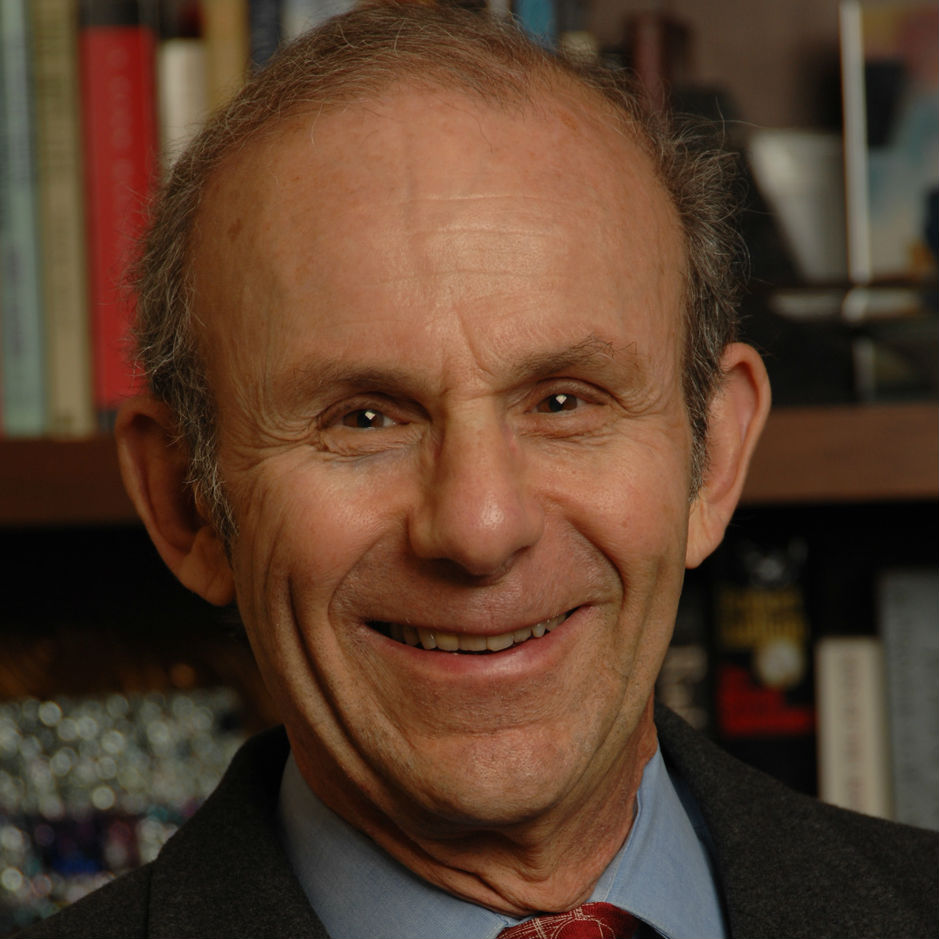


Professor David N. Seidman

Department of Materials Science and Engineering, Northwestern University, USA


Research Interests: Interfacial phenomena on the atomic scale, Atom-Probe Tomography (APT), physical metallurgy


Selected Awards and Honors:

Member of the American Academy of Arts and Sciences and the American Association for the Advancement of Science; Fellow MRS, Sackler (Tel-Aviv University), Microscopy Society of America, ASM International, TMS, and APS


Homepage >
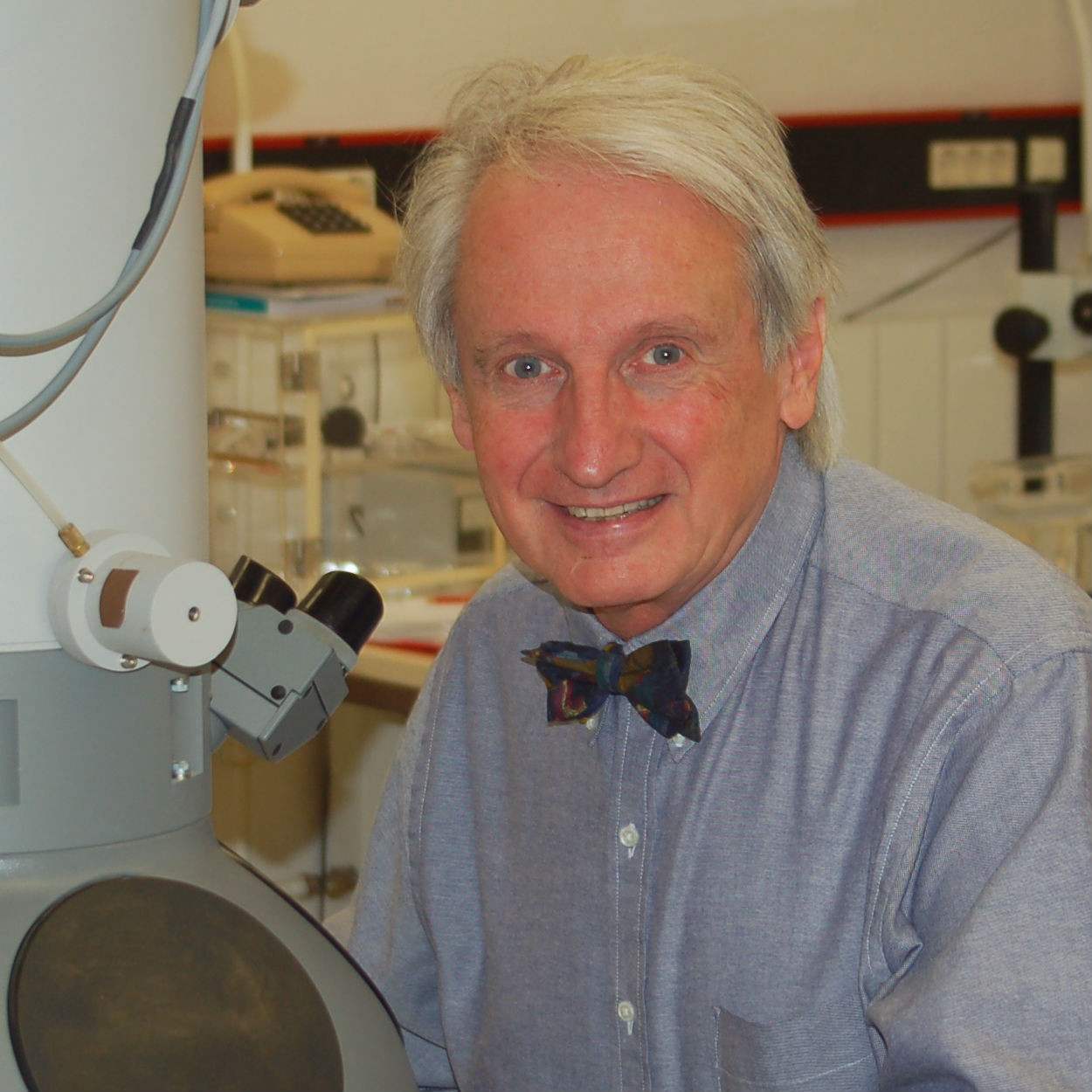


Professor Knut W. Urban

The Institute for Microstructure Research at Research Centre Juelich, Germany


Research Interests: High-resolution transmission electron microscopy, electro ceramics, quasicrystals, intermetallic phases


Selected Awards and Honors:

2011 Wolf Prize in Physics; former President of the German Physical Society (DPG, 2004-6)


Homepage >
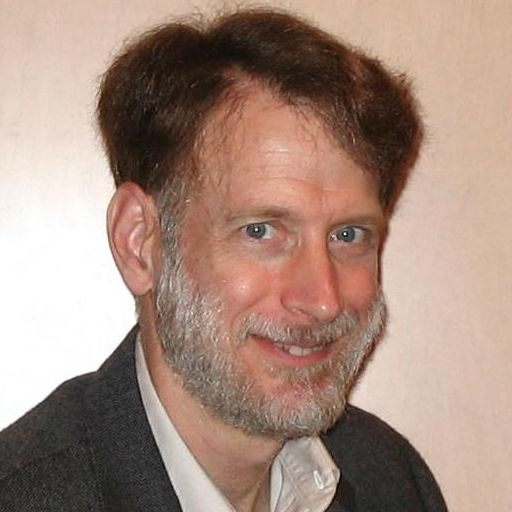


Professor David Vandebilt

Department of Physics and Astronomy, Rutgers – The State University of New Jersey, USA


Research Interests: Computational materials science, novel oxide materials


Selected Awards and Honors:

Member of the American National Academy of Sciences; Fellow APS


Homepage >


Professor Karen I. Winey

Department of Materials Science and Engineering, University of Pennsylvania


Research Interests: Polymer nanocomposites reinforced with carbon nanotubes and metal nanowires, ion-containing polymers


Selected Awards and Honors:

Fellow APS, MRS


Homepage >



בטקס חנוכת הלובי החדש של הפקולטה להנדסה

08 מאי 2018
טקס חנוכת  לובי

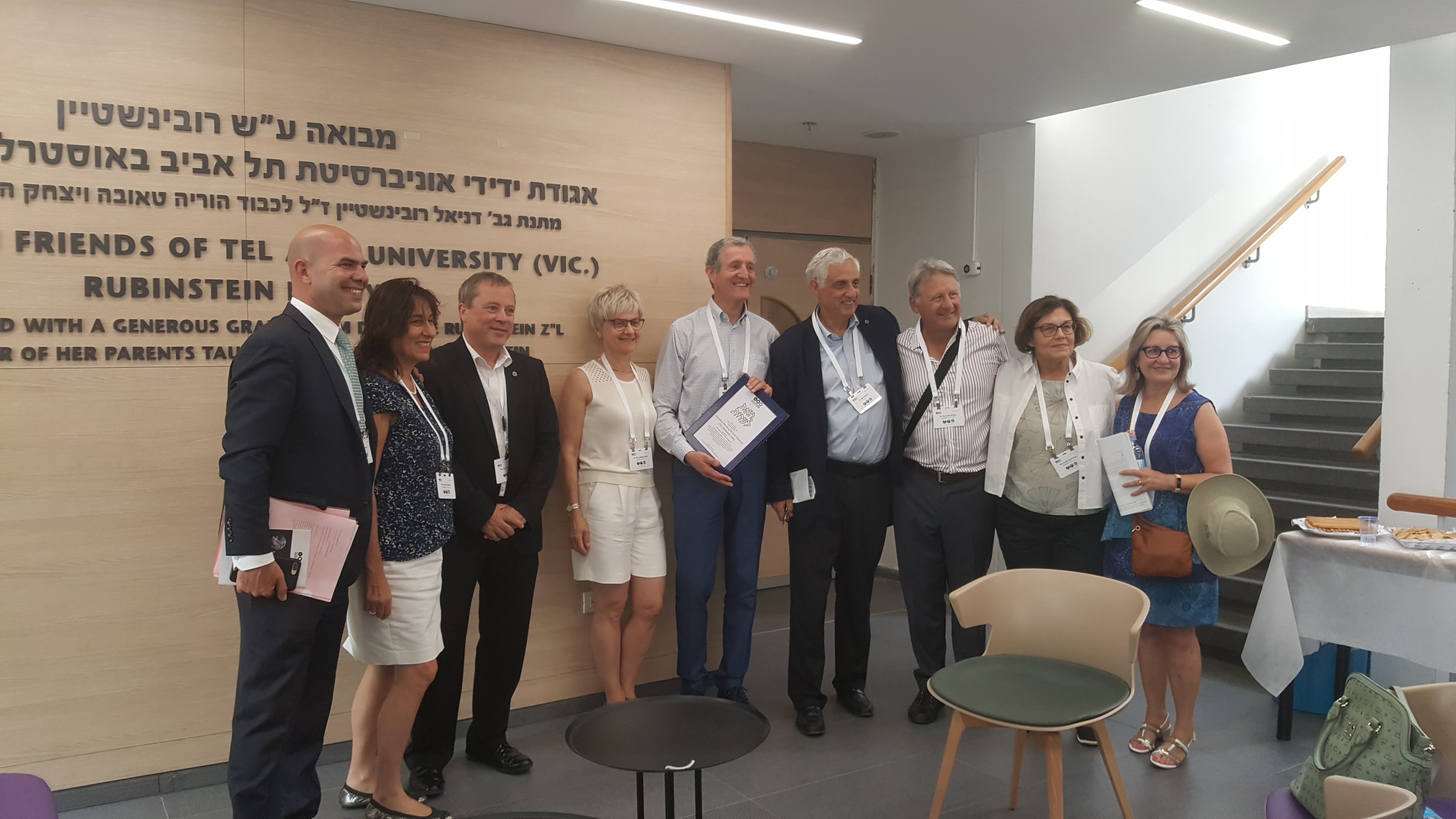
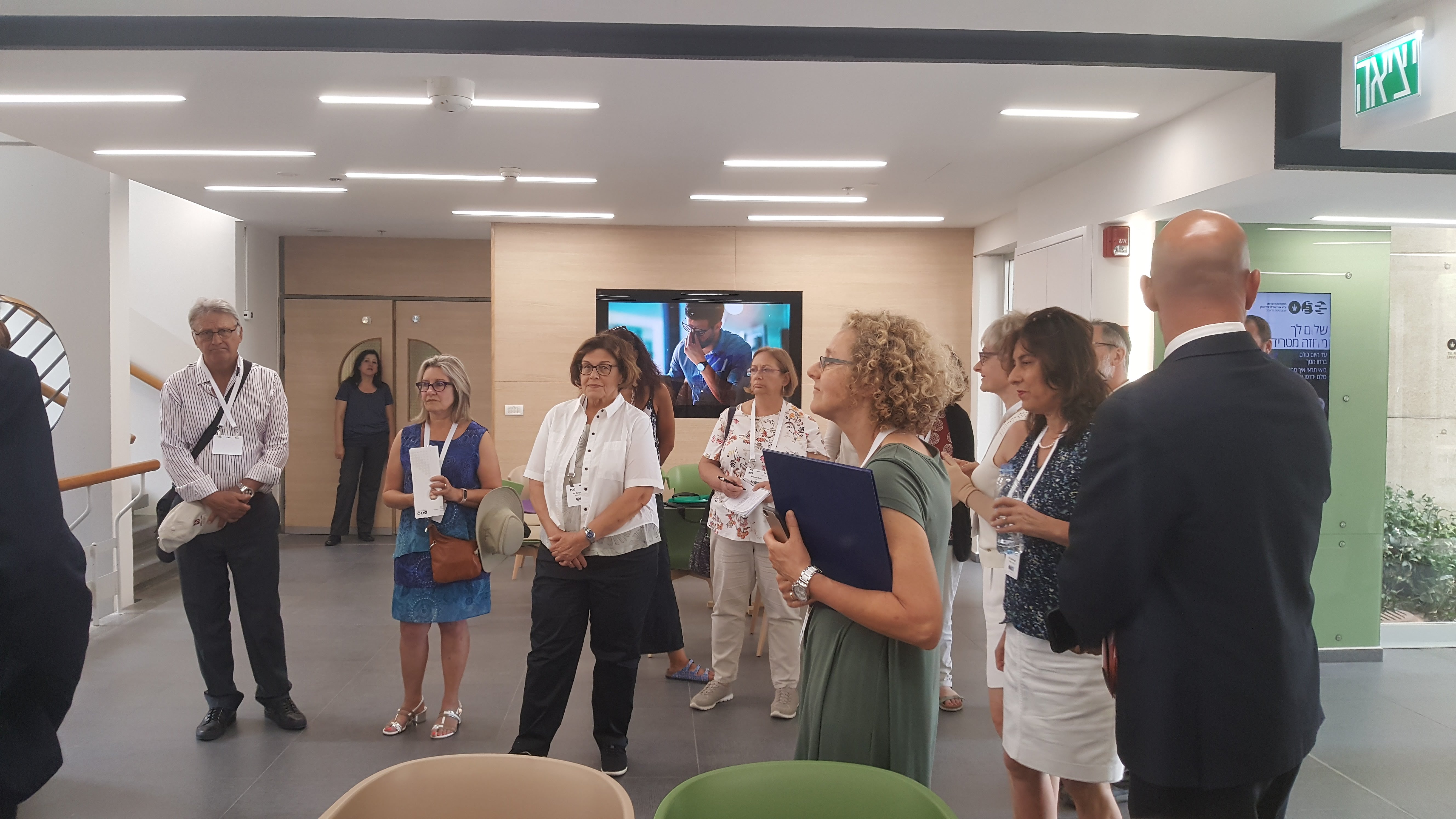
השבוע, פרופ' רוזנוקס, דקאן הפקולטה להנדסה, אירח את חברי משלחת אגודת ידידי אוניברסיטת תל אביב באוסטרליה. הביקור נערך כחלק מארועי שבוע חברי חבר הנאמנים. בטקס חנוכת הלובי המשופץ של הפקולטה להנדסה על שם רובינשטיין הודה הדקאן לחברי אגודת הידידים על התרומה הנדיבה.

המשלחת עצמה כללה את נשיא אגודת ידידי האוניברסיטה במלבורן, אוסטרליה, ד"ר וויקטור ואיין  (DR VICTOR WAYNE)  ואישתו (DR KAREN WAYNE). בנוסף הגיעו משלחת חבר הנאמנים: ד"ר הארי פרלברג, גב' רוז קושינסקי ורוזי פותזניק .ה

School of Mechanical Engineering Yaron Toledo

21 במאי 2018, 14:00 - 15:00 
בניין וולפסון חדר 206  
0
School of Mechanical Engineering Yaron Toledo


School of Mechanical Engineering Seminar
Monday, May 21, 2018 at 14:00
Wolfson Building of Mechanical Engineering, Room 206


Waves and currents — theory, modelling and measurements in the East Mediterranean Sea with a perspective of Israel’s development challenges


Yaron Toledo, PhD
Senior lecturer

Marine Engineering and Physics Lab, head

School of Mechanical Engineering
Tel-Aviv University, Israel


A main part of the talk will present an investigation of nonlinear shoaling and infra-gravity (IG) waves. Nonlinear interactions between sea waves and the sea bottom are a main mechanism of energy transfer between the different wave frequencies in the near-shore region. In addition to changing the wind-wave spectral shape, nonlinear shoaling can generate infra-gravity waves, which lie outside of the wind-wave regime. Their comparably large wavelengths (O(1-10km) depending on the bottom depth) can significantly influence marine engineering design due to basin resonances, harbor agitations and their influence on beach morphology.

Nonlinear wave interactions will be discussed and inspected in a wholesome manner combining theoretical, modelling and field measurement perspectives. A stochastic mathematical formulation allowing for their inclusion in large-scale wave forecasting models will be given. A connection between IG wave signal to the wind-wave spectrum in deep water is found. The talk will conclude with presenting several new deep water IG wave generation mechanisms and the possibility to extend wind wave forecasting models to IG the wave regime.


סמינר המחלקה להנדסה ביורפואית- גב' לימור בטינו ומר טל אור

13 במאי 2018, 14:00 
 
ללא עלות
סמינר המחלקה להנדסה ביורפואית- גב' לימור בטינו ומר טל אור

Intracranial Blood Flow Assist Device: Validation and Optimization using a Mathematical Model
By Limor Batino M.sc student
A cerebral blood flow assist device was developed to ensure blood and oxygen supply to the brain in cases of increased intracranial pressure that compromises blood flow.
The brain has high metabolic demands. Tissue integrity and functionality depend on regular blood supply. Compromised cerebral blood flow (CBF) may have irreversible detrimental effects on brain tissue including neurological damage and eventual death. Traumatic brain injury, edema and stroke are common clinical scenarios leading to elevated intracranial pressure (ICP). Increased ICP reduces brain perfusion pressure by counteracting the arterial pressure within cerebral vessels, eventually decreasing cerebral blood flow. Today’s therapy strategies for reduced CBF focus on ICP reduction and mean arterial pressure augmentation. Those therapies are systemic therapies that alter the entire hemodynamic or respiratory status of the patient.
A novel CBF assist device, the intracranial balloon pump, offers a local approach for CBF augmentation. The device consist of a balloon catheter driven by a computer-controlled pump. The inflatable balloon is inserted into one of the brain ventricles and pulsates in synchrony with cardiac cycle. Inflating in diastole and deflating in systole, the balloon augments blood flow in the brain.
To support the device development process theoretically, we developed a mathematical model of intracranial hydro/hemodynamics. We used an electrical lumped parameters model technique in which the hemodynamic system is equivalent to an electrical circuit. The model included three components, blood, cerebrospinal fluid and brain tissue and was embedded with the unique characteristics of the intracranial environment. The rigid cranium enclosing the brain creates a distinctive environment, greatly affects the hydro/hemodynamic system by introducing an external pressure to the system, the ICP. Using the model, we were able to reproduce the physiological behavior of the system as well as the pathological behavior of elevated ICP and reduced CBF. We tested the device operating principle with the model and searched for an optimal inflation and deflation timing along the cardiac cycle. We found that improper timing activation of the balloon might be harmful while proper activation is very efficient, achieving up to 20% improvement of blood flow in high ICP level of 30 mmHg.           


IntraCranial Blood Flow Assist Device: Validation of a Novel Concept using Animal Models
By Tal Or, M.Sc student
Cerebral pathologies such as brain edema, traumatic brain injury (TBI), hydrocephalus and stroke, can result in elevated intracranial pressure (ICP).  An abnormal increase in ICP reduces cerebral perfusion pressure (CPP) by counteracting the arterial pressure within cerebral vessels, eventually decreasing cerebral blood flow (CBF). Diminished CBF can lead to cerebral ischemia or hypoxia followed by neurologic damage and death. Therefore, improvement of cerebral perfusion is a key target for patients undergoing neurocritical care. Most therapies today which help to reduce ICP or improve CBF are aggressive and alter the entire hemodynamic or respiratory status of the patient, inducing a deleterious effect on heart, lungs and renal system. These therapies include mannitol, vasopressors, hyperventilation and hyper-osmolar therapy.
                In this work, we present a novel concept to augment CBF: an intracranial balloon pump (ICBP). The device is based on an inflatable balloon that is placed in the cerebral ventricle and pulsates in synchrony with the cardiac cycle. During diastole the balloon is inflated, “squeezing” blood out of the cerebral veins and creating a space in the skull occupied by the balloon. At the beginning of systole, the balloon is deflated, resulting in an ICP drop due to reduced intracranial volume. This sudden decrease in ICP allows the arteries to grow in diameter, thereby reducing both backpressure and resistance to flow. This, in turn, generates larger CBF. 

   A computer controlled prototype was designed and constructed. The device was tested and verified. The ICBP development and implementation was guided and optimized using a theoretical model which assessed the alterations in cerebral hemodynamics. The ICBP was tested in 8 swine experiments. We studied the ICBP efficacy at baseline and with graded ICP elevation. Results show consistently instantaneous modification of the ICP waveform and significant CBF augmentation during ICBP activation. No significant changes in systemic physiological hemodynamic parameters (e.g. heart rate, arterial blood pressure) were observed during ICBP activation. PCO2 and pH levels were kept within the normal range as well. In conclusion, both theoretical and experimental studies demonstrated that the device can increase CBF in all ranges of ICP. 
 
        Thesis was done under the supervision of Prof. Ofer Barnea1 and Dr. Omer Doron2,
1. Department of Biomedical Engineering, Tel-Aviv University, Tel-Aviv, Israel
2. Department of Neurosurgery, Hadassah University Medical Center, Jerusalem, Israel

העבודות נעשו בהנחיית פרופ' עופר ברנע , המחלקה להנדסה ביו-רפואית, אוניברסיטת תל-אביב

תערוכת פוסטרים של הנדסה מכנית

27 במאי 2018, 10:00 - 13:00 
 
פוסטרים

תערוכת הפוסטרים של פרויקטי גמר בהנדסה מכנית עומדת להתקיים ביום א' בתאריך 27.5.18.  במסגרת התערוכה תיהיה גם תחרות שבה בוחרים את הפוסטרים המצטיינים. הבחירה נעשית על סמך הערכות של וועדת הערכה, שמורכבת מסגל בית הספר להנדסה מכנית. ההכרזה על הזוכים בתחרות, תהיה במסיבה שתתקיים, בסוף התערוכה. השנה בוצעו 75 פרויקטי גמר בהנדסה מכנית, על ידי 114 סטודנטים וצפויים להציג כחמישים פוסטרים.

הסגל והסטודנטים מוזמנים לצפות בתערוכה.

פרופ' ראובן בוקסמן

07 מאי 2018
פרופ' ראובן בוקסמן

פרופ' ראובן בוקסמן מגיע לפקולטה להנדסה מידי חודש להרצאת אורח. קבצנו עבורכם את ההרצאות.

YouTube / מצגות - תחת Recent Lectures


EE Seminar: On Fault Tolerance, Locality, and Optimality in Locally Repairable Codes

09 במאי 2018, 15:00 
חדר 011, בניין כיתות חשמל  

Speaker: Oleg Kolosov

M.Sc. student under the supervision of Dr. Itzhak Tamo and Dr. Gala Yadgar


Wednesday, May 9th, 2018 at 15:00

Room 011, Kitot Bldg., Faculty of Engineering


On Fault Tolerance, Locality, and Optimality in Locally Repairable Codes

Abstract


            Erasure codes are used in large-scale storage systems to allow recovery of data from a failed node. A recently developed class of erasure codes, termed locally repairable codes (LRCs), offers tradeoffs between storage overhead and repair cost. LRCs facilitate more efficient recovery scenarios by storing additional parity blocks in the system, but these additional blocks may eventually increase the number of blocks that must be reconstructed. Existing codes differ in their use of the additional parity blocks, but also in their locality semantics and in the parameters for which they are defined. As a result, existing theoretical models cannot be used to directly compare different LRCs to determine which code will offer the best recovery performance, and at what cost.

In this study, we perform the first systematic comparison of existing LRC approaches. We analyze Xorbas, Azure's LRCs, and the recently proposed Optimal-LRCs in light of two new metrics: the average degraded read cost, and the normalized repair cost.

We show the tradeoff between these costs and the code's fault tolerance, and that different approaches offer different choices in this tradeoff. Our experimental evaluation on a Ceph cluster deployed on Amazon EC2 further demonstrates the different effects of realistic network and storage bottlenecks on the benefit from each examined LRC approach. Despite these differences, the normalized repair cost metric can reliably identify the LRC approach that would achieve the lowest repair cost in each setup.

School of Mechanical Engineering Asaf Ben Neriah

20 ביוני 2018, 14:00 - 15:00 
בניין וולפסון חדר 206  
0
School of Mechanical Engineering Asaf Ben Neriah

EE Seminar: Private Collaborative Learning of Intelligible Models on Vertically Split Data

07 במאי 2018, 15:00 
חדר 011, בניין כיתות חשמל  

(The talk will be given in English)


Speaker:     Dr. Ran Gilad-Bachrach
                              Microsoft 


Monday, May 7th, 2018
15:00 - 16:00

Room 011, Kitot Bldg., Faculty of Engineering


Private Collaborative Learning of Intelligible Models on Vertically Split Data


Abstract

A common privacy scenario in machine learning is one in which possibly several different parties hold fragments of a training dataset, and want to train a model together without revealing any unnecessary information to each other about their data. We present methods for training intelligible models, namely Generalized Additive Models (GAMs), on datasets that are vertically split across multiple parties. Our protocol uses fully homomorphic encryption to guarantee data privacy, and is proved to be secure in the semi-honest security model under mild non-collusion assumptions. We prove the privacy properties of our solution as well as demonstrate its practicality in empirical evaluation.

Bio

Ran Gilad-Bachrach is a researcher at Microsoft Research. He studies multiple aspects of machine learning, currently he focuses on Private-AI and Precision-Psychology. Private-AI is the study of privacy preserving and collaboration enabling machine learning. Precision-Psychology is the study of the applications of data science to improving outcomes in helping people going through behavioral changes or fighting disorders. Ran earned his Ph.D. from the Hebrew University of Jerusalem and worked at Intel Research and Bing before joining Microsoft Research.

עמודים

אוניברסיטת תל אביב עושה כל מאמץ לכבד זכויות יוצרים. אם בבעלותך זכויות יוצרים בתכנים שנמצאים פה ו/או השימוש שנעשה בתכנים אלה לדעתך מפר זכויות
שנעשה בתכנים אלה לדעתך מפר זכויות נא לפנות בהקדם לכתובת שכאן >>