מעבדה חדשה במחלקה למדע והנדסה של חומרים

05 פברואר 2018
במעבדה לחומרים דו-ממדיים

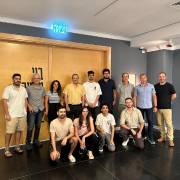
החודש נחנכה בפקולטה להנדסה של אוניברסיטת ת"א מעבדת החומרים הדו-ממדית בניהולו של ד"ר אריאל ישמח וצוות מגוון המורכב ממהנדסים, פוסטדוקטורנטים, דוקטורנטים מסטרנטים.


המעבדה מומנה בנדיבות על ידי האוניברסיטה והפקולטה להנדסה. המחקר השותף במעבדה ממומן ע"י מספר קרנות: קרן ISF (מענק אישי) ISF (IL-China), MAFAT, Pazy, Nano IL-Germany ולאחרונה, הקרן הלאומית החדשה למדע ISF שהגתה הקמת מרכז מחקר חדש על תחליפי נפט לתחבורה. בשיתוף עם 6 חוקרים –נוספים ממוסדות בישראל, שניים מהם מאוניברסיטת ת"א מהמחלקה למדע והנדסה של חומרים (ד"ר בריאן רוזן וד"ר אוסבלדו דיאגז)


בקרנו את ד"ר ישמח במעבדה החדשה וישבנו לשיחה קצרה:


מה חוקרים במעבדה שלך?

אנחנו חוקרים חומרים שכבתיים ברמה של עובי של מספר אטומים. חומרים אלו מאופיינים בכך שהקשר בין האטומים בתוך השכבה הינו קשר כימי חזק (קוולנטי), אך הקשר בין השכבות מבוסס על קשר אלקטרוסטטי חלש, ואן דר ואלס. החומר הבולט והמפורסם ביותר במשפחה זו הינו הגרפן, שכבה חד-אטומית של גרפיט. כתוצאה מהמבנה המיוחד של חומרים אלו, שכבות בעובי של מספר אטומים בודדים (תלוי בסוג החומר) ניתנים לבידוד ואף לגידול בשיטות מגוונות.

אנחנו מעוניינים ללמוד איך שכבות אטומיות בודדות גדלות על פני משטחים שונים, מתוך כוונה לשלוט במבנה, מספר שכבות, הרכב כימי, פאזה וכיו'. לכל אחד מהפרמטרים הללו יש השפעה גדולה על התכונות הפיזיקאליות והכימיות של חומרים אלו ועל כן חשיבות במחקר זה.


מה המטרה העיקרית של המעבדה?

המטרה העיקרית של המעבדה הינה להבין איך השכבות האטומיות הללו גדלות ועל כן, לשלוט במבנה, ותכונות, שלהן ובנוסף, לחקור את הקשר בין המבנה לתכונות הפיזיקאליות והכימיות ברמה של שכבה אטומית בודדת. אנו שואפים, ביחד עם קבוצות מחקר אחרות, לשלב שכבות אטומיות מסוגים שונים  בטכנולוגיות קיימות וחדשות, כגון תאים סולארים  אחסון אנרגיה (אל-קבלים וסוללות) וקטליזה.


איזה שימוש התעשיה תעשה עם המחקר שלך?

הפוטנציאל הטמון בחומרים שכבתיים עניין חוקרים רבים בעולם כבר לפני עשרות שנים. אנחנו חיים כיום בתקופה מאוד מעניינת ודינאמית ובה, יש לנו את הכלים המתאימים למחקר מסוג זה. אנחנו מקווים לפתח את השיטות גידול אשר יאפשרו את שילובם של חומרים אלו בטכנולוגיות קיימות (לשיפור ביצועיים) ובטכנולוגיות חדשות אשר יתבססו על התכונות הייחודיות של שכבות אטומיות דו-ממדיות. מאמצים בכיוון נעשים כבר היום, לדוגמה, לשיפור תאים סולאריים, והתקנים לאגירת אנרגיה, בשיתוף עם התעשיה.  


ד"ר אריאל ישמח במעבדה לחומרים דו-ממדיים

School of Mechanical Engineering Herman Haustein

11 באפריל 2018, 14:00 
 
0
School of Mechanical Engineering Herman Haustein


School of Mechanical Engineering Seminar
Wednesday, April 11, 2018 at 14:00
Wolfson Building of Mechanical Engineering, Room 206


Microscale Considerations: Single Phase Flow Dissipation and Phase Change Interface-Kinetics


Dr. Herman D. Haustein,

 School of Mechanical Eng., Faculty of Eng., Tel Aviv University, Israel


Recent miniaturization trends in microelectronics, led to reconsideration of microscale aspects in cooling: 1) the often neglected effect of viscous dissipation in single phase flows; 2) the often overlooked molecular interface kinetics in boiling.

Existing macro scaling laws claim the heat transfer coefficient (HTC) should continually increase with a decrease in size, as hµ1/d. However, extremely high HTCs are not found at tens of microns in microchannels and microjets, here explained by the reemergence of heating by viscous dissipation, traditionally only considered in high-viscosity and high Mach flows. When flow elements reach a critical size, 10-40 micron in diameter still under laminar conditions (Re=1,000), the energy generated by dissipation is sufficient to counteract the inherent increase of HTC and a maximum is reached. This maximum is the fundamental heat transfer limit and an absolute lower limit to cooling element size, curbing the ongoing trend of flow miniaturization.

Similarly, a recent study has shed new light on the multiscale nature of boiling: comprising a macro- external heat transfer problem coupled to micro- evaporation interface kinetics. Therein, the traditional energy-balance bubble growth is modified to account for microscale aspects, by employing an “effective superheat”, which incorporates reductions due to Knudsen layer vapor kinetics: outflow choking limitations (M=1) and molecular impingement reabsorption at the interface, both of which are strongly dependent on pressure. This combined view proposes a resolution to both the unexplained pressure dependence of bubble growth/departure at low-pressures and the regime transition observed at higher pressures. Furthermore, including the boiling kinetic parameter, L/RT, to redefine the superheat, clearly maps out these regimes. These understandings, incorporated into a universal single bubble growth and departure model, provide successful prediction over several orders of magnitude.


School of Mechanical Engineering Galit Sasson

09 באפריל 2018, 14:00 - 15:00 
 
0
School of Mechanical Engineering Galit Sasson


School of Mechanical Engineering Seminar
Monday, April 9, 2018 at 14:00
Wolfson Building of Mechanical Engineering, Room 206


Biological NO3- Elimination from Reverse Osmosis Brackish Water Concentrate


Galit Sasson

Student of Prof. Hadas Mamane


Granot reverse osmosis (RO) desalination plant was established as part of the coastal aquifer rehabilitation project. This project aims to remove a natural salinity stain in the aquifer, comprising of chlorides and nitrates, by continuously pumping the saline water. The pumped brackish water is desalinated at Granot resulting in two streams: potable water and concentrated brine. One of the challenges of inland desalination is the terminal solution for brine disposal. At Granot plant the brine is discharged to the sea via a 30 km pipe line. According to Israel oceanographic & limnological research, the disposal of nitrogen rich brine into the Mediterranean Sea shore line, might cause several problems to marine life and sea ecosystem. Therefore, nitrate should be eliminated from the brine before sea disposal. There are many methods to eliminate nitrate but only few remove it terminally. One of these methods is heterotrophic denitrification, a bacterial process done at anoxic condition with an additional carbon source and nitrate as the electron acceptor. Completion of this process results in nitrate transforming to atmospheric nitrogen gas, leaving the treated water. This research is a pilot study aimed to examine the feasibility of denitrification on continuously working Granot RO brine and evaluate process performance and tolerance to possible inhibitors and planned interventions. Six distinctive process performance scenarios were observed throughout the pilot among them, half showed good process performance with complete nitrate and nitrite removal. At the three bad scenarios, complete nitrate removal was depicted yet, nitrite was present at the effluent. All the scenarios ran at lower carbon source (acetic acid) to nitrate ratio (2.1 -2.5 g Ac /g NO3-N) than the theoretical value (3.5 g Ac /g NO3-N). Better denitrification was observed at the higher range of the C:N ratio. Process showed endurance to shutdowns in the RO plant by relatively quick acclimation after reoperation. A sudden slight increase in salinity caused a process deterioration which resolved after the bacteria were acclimated. Dissolved oxygen (DO) concentration above 0.2 g/m3, documented as an inhibition limit, did not shift process from completion. Heterotrophic denitrification was found to be a possible alternative for nitrate elimination from the brine stream.   


School of Mechanical Engineering Ron Abileah

19 במרץ 2018, 14:00 - 15:00 
 
0
School of Mechanical Engineering Ron Abileah


School of Mechanical Engineering Seminar
Monday, March 19, 2018 at 14:00
Wolfson Building of Mechanical Engineering, Room 206


Mapping coastal bathymetry with X-band radar

Ron Abileah

JOmegaK consultancy firm

Mapping the nearshore bathymetry is important for navigation safety and coastal engineering,   Sidescan sonar bathymetry is slow and expensive and there is great interest in using remote sensing to do it faster and cheaper.  One method inverts surface wave speed into depth.  This is a 100+ year old idea which is now established and even commercialized, but mostly ignored.  The problem with it is the relatively poor spatial resolution.  The wave motion inversion uses FFTs of 200 m x 200 m wave images.   So the spatial resolution of the bathymetry maps is 200 m, which is too coarse for most users.   Especially for navigation the goal is <10m.

A new paradigm in wave speed–depth inversion is proposed that overcomes the resolution limitation with FFTs.  A time series of ocean wave images was obtained with an X-band radar to demonstrate better resolution, possibly as good as 10 m.  The analysis is ongoing as this abstract is written.  The TAU seminar will be the first to report the results.


Biographical sketch

My entire professional life has been in remote sensing (45 years and counting).  I started with Earth – to –stars (i.e., astronomy) but took an early turn to remote sensing from satellites –to –Earth (it pays much better).  My career has gone through four stages.  First, in a research institution (SRI International) doing lots of government funded research projects.   My favorite (it didn’t pay much but was the most fun) was tracking humpback whales from Hawaii to Alaska.  Second, joined a startup company (Vista Research) and invented a new radar (google Widop radar). Third, consulting.  And now on the fourth leg:  tinkering in whatever sounds interesting which is currently  ocean waves with radar and optical satellites.  There will be a lot on that in the TAU seminar talk.


School of Mechanical Engineering Balster Dyogo

12 במרץ 2018, 14:00 - 15:00 
 
0
School of Mechanical Engineering Balster  Dyogo

School of Mechanical Engineering Semin

Monday, March 12, 2018 at 14:00
Wolfson Building of Mechanical Engineering, Room 206


Transport in Streams and Rivers (Tubes and canoes, rafts and kayaks, barges and paddle-wheels; so many ways to travel downstream.)


Diogo Bolster

Associate Professor and Frank M. Freimann Collegiate Chair in Hydrology

Department of Civil & Environmental Engineering & Earth Sciences

College of Engineering, University of Notre Dame


Rivers and streams transport the products of erosion and weathering, as well as anthropogenic materials collected from industrial, agricultural, and urban environments. While waterways are efficient transport networks, they are also important biogeochemical hotspots. Microbial biofilms colonizing organic and inorganic substrates at the sediment-water interface drive important biogeochemical reactions. The hyporheos is so efficient at cleaning up systems this that it is often referred to as a river’s liver, but the water flow there is orders of magnitude slower than in the main water channel while reaction rates are orders of magnitude greater. In brief, streams are complex heterogeneous systems characterized by a broad distribution of spatial and temporal transport scales influenced by water column and adjacent subsurface properties. This broad separation of scales leads to systems that are difficult to model mathematically, particularly over relevant scales of practical interest. Conventional modeling approaches simply fail and transport in streams and rivers is commonly observed to be “anomalous”. Here we present the results from a series of field experiments and high resolution numerical experiments of flow and conservative tracer transport that explore the characteristics of stream and hyporheic flow that control anomalous behaviors. We present a stochastic model with which we can model the observations and with which we can parse out individual mechanisms controlling large scale transport more clearly, enabling us to move towards building predictive mechanistic large scale models. We conclude with preliminary results and a discussion on what the implications for transport of more complex substances of interest might be, including nutrients and other biological matter, such as DNA.


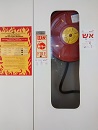
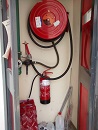
פרוט עמדות הכיבוי בבניני הפקולטה להנדסה.

בכל מעבדה חייב להיות לפחות מטף אחד. 

מסביב כל בנייני הפקולטה יש מתקני כיבוי אש הידרהנט. בטבלה הבאה פרוט עמדות בתוך תחומי הביניינים:

בנין

מיקום

תמונה

רב תחומי

בכל קומה יש 3 עמדות כיבוי אש

בקצה הבנין, צפון, דרום ומול המעליות.

רב תחומי

בכל קומה יש ממ"ד בקצה הבנין בצפון ודרום.


וולפסון

בכל קומה יש שתי עמדות כיבוי אש מול המדרגות: אחת בצד צפון ואחת בדרום.

קומה 2 - עמדה נוספת בצד מערב (כניסה ראשית), ועמדה בצד מזרחי.

קומה 3 - 2 עמדות נוספות בצד מזרח.

קומה 4 – עמדה נוספת בצד מזרח.

בנין מעבדות חשמל

4 קומות בכל קומה יש לפחות 3 עמדות כיבוי אש.  אחת בצד דרום במרכז ועמדה אחת בכניסה אחורית  - מזרח.


בנין כיתות חשמל

3 קומות בכל קומה יש לפחות 3 עמדות כיבוי אש


בנין הנדסת תוכנה

5 קומות + מרתף 2 עמדות כיבוי אש בכל קומה בקצה הבנין, צפון ודרום.


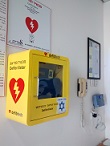
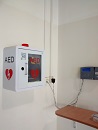
רשימת דפיברילטורים ערכת החיאה

הרב תחומי
בקומה ראשונה
מבואה ליד שעון החתמה​

אב ביתבני נגר

03-6405844

052-8665220

ערכת החיאה
וולפסון
בקומה ראשונה
ליד חדר אב הבית.

מנהל – מולו

03-6408121

 052-8749568

 
בנין מעבדות חשמל
בקומת כניסה ליד המעלית
ליד שעון החתמה

אופיר בטט

03-6408424

0527809536

ערכת החיאה
בנין כיתות חשמל
בקומת כניסה ליד המדרגות

אב בית - ניסים נפתלי

03-6408919

ערכת החיאה
בנין הנדסת תוכנה
בקומת כניסה ליד המעליות בצד המערבי של הקומה.

אב בית - אופיר בטט

03-6408424

0527809536


מתקנים לטיפול באירוע כימי

רשימה של מתקנים:

מתקן לאירוע כימי – צבעו ירוק ומקלחון חירום צבעו צהוב


בנין

מיקום

תמונה

רב תחומי

קומת כניסה וקומה שניה

מקלחון חירום בשרותי גברים


רב תחומי

קומה רביעית – במרכז הקומה

מתקן לאירוע כימי 

מקלחון חירום בשרותי גברים


וולפסון

קומה שניה ליד מעבדה 270

מתקן לאירוע כימי 

מקלחון חירום


וולפסון

קומה שניה ליד מעבדה 274

מקלחון חירום


וולפסון

קומה שלישית ליד מעבדה 349

מתקן לאירוע כימי 


וולפסון

קומה רביעית ליד מעבדה 404

מתקן לאירוע כימי 


בנין מעבדות חשמל

קומה שניה ליד מעבדה 215

מתקן לאירוע כימי 


בנין כיתות חשמל


בנין הנדסת תוכנה


Standard for laser Eyewear

In Israel the standard for lasers Eyewear is 4141 which is based on the European Norm EN. Standard for the Eyewear is EN207, and for laser alignment eyewear EN-208.

The standard defines the requirements for the eye protection while working with the laser and the way to mark the eye goggles. 

The attenuation level of the light, by the eyewear filter, is expressed numerically by the Optical density, OD. The higher the OD is, the higher the attenuation.

 However the parameter OD does not consider the exposure time. Therefore the standard for the levels of protection considers a scale number called LB. The parameter LB defines the attenuation required according to the laser types and the exposure time, for 5 seconds or at least 50 pulses. The LB values are ranged between LB1 to LB10, the higher the number is the higher the protection, attenuation.

The letters in front of the LB number refer to the temporal mode of the laser beam:

Working Mode

Letter

Pulse Length

CW lasers or average Power Density

D

exposure time > 0.25s

Pulsed mode

I

1 µs and 0.25s

Pulsed mode

R

1ns and 1µs

Mode coupled laser

M

pulse lengths less than 1ns


L


L – Presents the required absorption for the eye safety according to the intensity, laser type, and wavelength.

Protective eyewear for repetitively pulsed lasers must satisfy the D rating, CW, as well as the I, R or M rating appropriate to its pulse length.


הנדון: הנחיות לפינוי פסולת כימית – אוניברסיטת תל אביב

  1. להלן הנחיות אשר יש לבצע לפני פינוי פסולת כימית ממעבדות אונ' ת"א.

      ההנחיות הינם בתאום עם החברה לשירותי איכות הסביבה (רמת חובב) אשר מפנה  

      את הפסולת הכימית מהאוניברסיטה.


  1. כל מעבדה תדאג להפריד את הפסולת שלה לפי קבוצות איכות שהוגדרו ע"י   

החברה לשירותי איכות הסביבה (מצורף קובץ).

  1. כל מעבדה תדאג לכתוב בסימון קריא וברור שלא נמחק על מכלי האיסוף את המרכיבים העיקריים (לדוגמה- פסולת ממסים אורגנים- אתילן, קסילן ופרופנול).

כל מעבדה תדאג לארוז את הפסולת בכלי אחסון מתאימים.

  1. לא תתקבל פסולת במיכלים לא שלמים ,נוזלים או עם דפנות סדוקות ופגומות ו/או מיכלים שלא פקוקים באופן שתוכנם לא יישפך. בנוסף, לא תתקבלנה אריזות במשקל מעל 25 ק"ג.

1.4  נציג מטעם המעבדה או הגורם המפנה מחויב להיות במעבדה/ חדר מחקר בזמן    

       הפינוי. לא יפנו פסולת ללא נציג (לא כולל אב הבית).

1.5 באחריות דני בלום לחתום על טפסי שטרי המטען לפי סוג הפינוי בתיאום עם  הצוות המפנה.

2.       החברה לשרותי איכות הסביבה

2.1   לפני כל פינוי תעדכן החברה איזה מבין הקבוצות ייאסף בפינוי הקרוב .

2.2   בכל פינוי ייאסף אך ורק לפי קבוצת הפסולות שהוגדרה לאותו פינוי.

2.3   במידה ותזוהה פסולת שלא מתאימה לאותה קבוצה או לחילופין פסולת לא   

        מזוהה הפסולת לא תפונה והודעה על הנ"ל תועבר לנציג האוניברסיטה.

2.4   במידה ותזוהה פסולת מעורבת של מס' קבוצות איכות הפסולת לא תפונה,  

        והודעה על הנ"ל תועבר לנציג האוניברסיטה.

2.5   פינויים יתחילו בשעה 07:30 לערך ועד השעה 13:00 לכל המאוחר. במידה ולא  

        יספיקו לפנות את כל הנדרש יקבע מועד נוסף בתיאום עם נציג האוניברסיטה.

2.6   נציגי החברה לא יפנו פסולת במידה ואין נציג של מפנה הפסולת! חדר נעול לא  

        יפתח ולא יפונה.

2.7   במידת הצורך ולפי בקשה ספציפית נציג החברה ייתן הדרכה פרטנית על איסוף  

        וארגון הפסולת.

2.8   תועבר הצעת מחיר לפי דרישת האוניברסיטה לבקבוקים/ ג'ריקנים/ פחי    

        פלסטיק בצבעים שונים או לחילופין יועברו לרכש האוניברסיטה אנשי קשר   

        לספקים של הנ"ל.


עמודים

אוניברסיטת תל אביב עושה כל מאמץ לכבד זכויות יוצרים. אם בבעלותך זכויות יוצרים בתכנים שנמצאים פה ו/או השימוש שנעשה בתכנים אלה לדעתך מפר זכויות
שנעשה בתכנים אלה לדעתך מפר זכויות נא לפנות בהקדם לכתובת שכאן >>