לזכרו של פרופ' אמריטוס יעקב בנבנישתי ז"ל
דברים שנשא על קברו פרופ' טוביה מילוא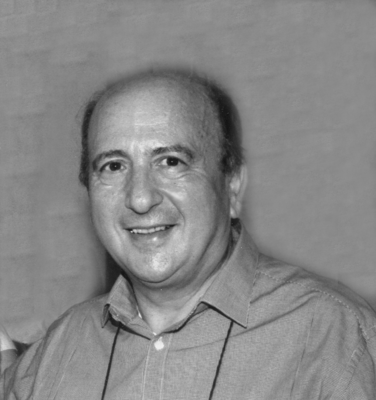
פרופ' יעקב בנבנישתי נולד ב1943 באיזמיר, טורקיה, נצר למשפחת בנבנישתי המפוארת ששורשיה בצפון ספרד עוד במאה ה-11, אשר הצמיחה מתוכה שורה של אנשי רוח והוגי דעות. יעקב (ג'קו) זכה לחינוך הטוב ביותר, שכלל את בית הספר האמריקאי באיסטנבול. את לימודי הדוקטורט סיים בהצטיינות באוניברסיטת ברקלי בקליפורניה, במחלקה להנדסה אזרחית, אשר באותה תקופה (כולל היום) דורגה כמחלקה הטובה ביותר בעולם מסוגה . מיד לאחר סיום לימודיו החליט, יחד עם אשתו מרים, להגשים את הרעיון הציוני, לעלות ארצה ולבנות פה את ביתם. הוא הצטרף בשנת 1971 לסגל הפקולטה להנדסה, אשר זה הוקמה, בדרגת מרצה במחלקה "למכניקה, חומרים ומבנים" והיה אחד האנשים שעצבו את אופייה המחקרי.
יעקב התבלט מיד כחוקר מקורי ופורה, כמורה קפדן ואהוד והתקדם במהרה בסולם הדרגות עד לדרגת פרופסור מן המניין. הוא נבחר מספר פעמים כ"מורה מצטיין" והיה מוכר כמורה נערץ על כל תלמידיו, הידוע ביחסו החם והמיוחד וזאת חרף הדרישות האקדמיות הגבוהות מהסטודנטים. יעקב היה חוקר פורץ דרך בנושא מיקרו-מכניקה של חומרים מרוכבים, חומרים פייזואלקטריים ותכונות אפקטיביות של גופים אלסטיים עם משטחי ביניים בלתי מושלמים. עבודותיו, שהן בעלות אופי תאורטי בעיקרן, היקנו לו מעמד בין-לאומי של מוביל בתחום, פורסמו במיטב העיתונים וזכו להד ניכר ולמספר רב של ציטוטים.
בתחילת שנות השמונים, לאחר שחזרתי משנת שבתון בה שהיתי באוניברסיטת ברקלי, באותה מחלקה בה למד יעקב, השתלבו שוב דרכינו. אני זוכר בברור את הרגע בו נכנסת למשרדי והצגת בפני שאלה בקשר לפונקציות אליפטיות. ממש אז נוצר ה"קליק" הראשוני בינינו, שהלך והפך במהלך השנים לחברות עמוקה בלב ובנפש.
במקביל, המשכנו לשתף פעולה מחקרית ופרסמנו יחד כששה מאמרים (יותר מכל חוקר משותף שהיה לנו) אשר הופיעו בעיתונים מובילים כ- Royal Society Proc Phys of Fluids – Mech. of Materials, J. Mech. Phy. Solid. אני חייב לציין שהעבודה המשותפת הייתה מהנה במיוחד עבורי, כולל השעות האין סופיות אותן בילינו יחד בדיונים אקדמיים ובליבון בעיות אנליטיות. מעניין לציין שלמרות שהיית איש שהמעיט במילים, הערצתי את יכולת הכתיבה והניסוח שלך באנגלית. שליטתך בשפה האנגלית הייתה טובה לעין ערוך משלי אולי בגלל שהעדפת לקרוא ספרות יפה (בדרך כלל ביוגרפיות של אנשי שם כדוגמת איינשטיין, דה-וינצי וצרציל) בשפת המקור באנגלית במקום בעברית. הטקסטים שכתבת היו מרשימים מכל בחינה והייתה לך יכולת וירטואוזית להשתמש במילים כמו בתווים, על מנת ליצור מוזיקה אסטטית והרמונית. מעטים יודעים על אוסף התקליטורים הנדיר שהיה ברשותך ועל בקיאותך הרבה בכל היצירות שכתב יוהאן סבסטיאן בך. מוזיקה עתיקה הייתה אכן תחום נוסף בו התעניינת במיוחד. הערצת את המלחין והמבצע בן זמננו ג'ורדי סוואל, המתמחה במוזיקה וכלי נגינה מתקופת הרנסנס, ואף לקחת אתך את בנך אלי והרחקת עד ספרד הרחוקה במטרה להאזין לביצועיו.
בהמשך להישגיך המדעיים ומעמדך הבין-לאומי, המליצה הוועדה הפקולטית בפני הדקאן למנותך מופקד על הקתדרה למיקרו-מכניקה – הכבוד הגבוה ביותר שמעניקה האוניברסיטה לאיש סגל בגין הישגים אקדמיים יוצאי דופן. כגילוי נאות אני חייב לציין שאתה סירבת לראשונה מטעמי צניעות לקבל מינוי זה ורק לאחר מספר שיחות עם דקאן הפקולטה הסכמת לקבל על עצמך בענווה מוחלטת מופקדות זו. בהמשך נאמן לדרכך, כאשר הגעת לגיל הפרישה הרשמי מהאוניברסיטה, הודעת לדקאן במפתיע על בקשתך לוותר מרצון על מופקדות זו, וזאת למרות שבדרך כלל ובאופן כמעט אוטומטי, מוארכת מופקדות על קתדרה לשנתיים נוספות. ככל הידוע לי, זה המקרה היחיד בתולדות ימי הפקולטה בו אדם מוותר מרצונו על כבוד אקדמי מסוים, וזאת עקב צניעותו המופלגת. בפעולתך זו הוכחת שוב כי "אדם שבורח מהכבוד- הכבוד רודף אחריו!"
מינויך לתפקיד הרם והמחייב כ"ראש ועדת המינויים של הפקולטה להנדסה" לא בא לחברי הסגל בהפתעה, וזאת בזכות מעמדך ויושרך האקדמיים, אנושיותך הקורנת והתייחסותך המכובדת לעמיתיך. במסר אישי לחבריך הקרובים כותב דקאן הפקולטה הקודם, פרופ' אודי הימן, שמינה אותך לתפקיד חשוב זה מיד לאחר שנודע לו על פטירתך: "היית מופת להשכלה ותרבות, מדען יצירתי ומעמיק, מבכירי הפקולטה. כראש וועדת המינויים הפקולטית שילבת כבוד, עדינות ורגישות לעמיתיך, בצד יושר אינטלקטואלי ואישי. אדם ישר דרך ונקי כפיים".
לאחר פרישתנו הרשמית מהאוניברסיטה, החלטנו להמשיך ולהיפגש לפחות פעמיים בשבוע על "קפה ומאפה" יחד עם ידידנו עמוס. במהלך הזמן הצטרפו לפגישות אלה (ימי ב' ו-ד' 11:00-12:00) חברים נוספים (גדעון, משה ועמנואל) ומאז הפך "מפגש הגמלאים המצומצם" למסורת. כאשר דנו בנושאי חברה ורווחה, הקפדת לא פעם להביע דעה "סוציאליסטית" נחרצת וביקורתית בהקשר לאי קיום שוויון חברתי וכלכלי וחלוקה בלתי צודקת של המשאבים הלאומיים. יחד עם עמוס התחלנו קיום שוויון חברתי וכלכלי וחלוקה בלתי צודקת של המשאבים הלאומיים. יחד עם עמוס התחלנו יחד לשמוע את הקורס שהעביר פרופ' אייל נווה "ההיסטוריה של ארה"ב בתקופה שלפני מלחמת האזרחים". אחרי אשפוזך בביה"ח המשכנו עמוס ואנוכי להופיע להרצאות אלה ושמרתי לך תמיד כיסא פנוי לידי..... כאשר דיברנו על "נאום גיטסברג" הידוע, אותו "הספד" קצר בן 300 מילים, שנשא אברהם לינקולן ביולי 1863: (אחרי ארבע שנות עשרים ושבע שנים!"...), חשבתי שוב על הכיסא הריק שלידי. נאום זה, המשמש עד היום כבסיס לחוקה האמריקאית וכמודל לחברה שוויונית לכל הדוגלת בכבוד האדם ובחרותו, נוסח מבחינת תוכנו כאילו על ידך, באופן המבטא את השקפתך האנושית והחברתית על אחווה, שוויון וערבות הדדית.
לעיתים אנו מזכירים את המורשת שמותיר אדם לאחר מותו.
מבחינתי, מורשתך המלווה אותנו מורכבת משלושה מרכיבים:
משפחה
מדע
מוסר
לצערי הרב, חרף העובדה ששלושת ה-מ הללו, מסתכמות בגימטרייה ל-120 לא זכית להגיע לזקנה מופלגת, אבל השפעת ונגעת בליבות רבים ובמהלך שנות הכרותנו שימשת לי לא פעם כמודל לחיקוי וכמצפן התנהגותי. אנו, חבריך לפקולטה, נפרדים ממך היום בצער רב וביגון קודר. תחסר לנו מאד ודמותך תלווה אותנו תמיד באשר נפנה!
תנחומים מקרב לב וחיבוק אמיץ גם למשפחה המופלאה והמיוחדת הזאת לרעיה מרים, לילדים יעל ואלי, לאח אלבר, לנכדים ולנכדות. נמשיך להיות בקשר נשגיח ונחזק זה את זה!
נוח בשלום על משכבך אחי היקר ומנוחתך עדן!
יהי זכרך ברוך ונשמתך צרורה בצרור החיים!
טוביה מילוא



 and the
  -directions. A number of tests were carried out under displacement control with four different displacement ratios
  , where
  and
and  are, respectively, the minimum and maximum machine displacements in a cycle; the ratios included
  = 0.1, 0.33, 0.5 and 0.75. Each displacement ratio
  corresponds to a different load ratio
  where
where  and
and  are, respectively, the minimum and maximum load in a cycle. The data collected during the tests was used to determine the delamination propagation rate da/dN as a function of the nearly mode I energy release rate
  .
. was found. Then, the correlation was used in order to approximate the delamination length in each cycle of the fatigue test.
 was used, all of the data obtained for the different displacement ratios nearly collapsed into one master curve. The experimental data was then back calculated from the master curve, enabling a reliable prediction of the delamination propagation rate da/dN for any given load ratio for this type of material and layup.


