הגשת מועמדות להשתתפות בכנס בשיקגו

סטודנטים/ות לתואר שני או שלישי באוניברסיטת תל אביב מוזמנים/ות להגיש מועמדות להשתתף בפורום ערים גלובליות שיתכנס בשיקגו בין 5-7 ביוני, 2019.
יש להגיש בקשה עם תיאור עבודת המחקר ושתי המלצות, אחת של המנח/ים.
"מרכז העיר", המרכז לחקר העיר והעירוניות באוניברסיטת תל אביב, ימנה ועדה שתבחר את מועמד/ת אוניברסיטת תל אביב למשלחת של כ-30 סטודנטים מאוניברסיטאות המחקר המובילות בעולם. 

רקע:
פורום שיקגו לערים גלובליות (Chicago Forum on Global Cities), כנס בן שלושה ימים, יעסוק בהשפעתן העולמית הגוברת של הערים הגלובליות ויכולתן לפתור בעיות דוחקות בתחומים השונים. 
הצטרפות למשלחת הסטודנטים לפורום תספק הזדמנות להשתתף בדיונים עם מנהיגים עסקיים, קובעי מדיניות, נציגי החברה האזרחית ובעלי עניין אחרים המעצבים את הערים הגלובליות של ימינו. 
למשלחת הסטודנטים תהיה גישה לכל אירועי הפורום, וכן לפעילויות שייערכו במיוחד בעבור הקבוצה. 
למידע נוסף: https://en-urban.tau.ac.il/news/ChicagoGSD2019

הגשה:
יש לשלוח את תיאור עבודת המחקר ושתי המלצות, אחת של המנח/ים, לאימייל: TAUCityCenter@gmail.com
מועד אחרון: 24/2/2019
למידע נוסף: https://urban.tau.ac.il/news/ChicagoGSD2019

לאחר מכן, השלמת הבקשה ע"י המועמד/ת הנבחר/ת עד 8 במרץ 2019.
ההנחיות: http://thechicagocouncil.org/gsd2019


מימון: ע"י פורום שיקאגו ואוניברסיטת תל אביב (טיסה, מלון, רישום לכנס, ארוחות ונסיעות מקומיות).
תאריכים: לפי מועדי הפורום והאירועים הנלווים, כולל פעילות מיוחדת למשלחת הסטודנטים.  


מחקר חדש של פרופ' שחר ריכטר מציע שימוש בציפוי אורגני לנורות לד 

  • תגיות:

החוקר.ת מאחורי המחקר

​פרופ' שחר ריכטר, ותלמידת המחקר יוליה גוטה מהמחלקה למדע והנדסה של חומרים מהפקולטה להנדסה אוניברסיטת תל אביב, פיתח יחד עם פרופ' עודד שוסיוב ותלמיד המחקר טל בן-שלום מהאוניברסיטה העברית ציפוי אורגני לנורות לד (LED), המבוסס על רכיבי פסולת מתעשיית העץ.


הפיתוח המהפכני יכול להוביל לצפוי הראשון מסוגו שאינו מכיל מתכות ויוזיל לכולנו את עלויות החשמל.

נורות הלד הלבנות עשויות חומר כחול הפולט אור כחול העובר אינטרקציה עם צפוי המכיל חומר זרחני, אינטרקציה זו יוצרת את האור הלבן. הציפוי בו משתמשים היום עשוי מתכות נדירות ויקרות, והן חלק מהסיבה למחירן הגבוה של נורות הלד.


"אנחנו פיתחנו ציפוי אורגני ידידותי לסביבה העשוי תאית, וחומרים פולטי אור אורגנים בתהליך ידידותי לסביבה. התאית, המרכיב המרכזי בדפנות התאים של העץ, נחשבת לאחד החומרים החזקים בטבע ונתן להפיקה אף מפסולת נייר" מסביר פרופ' ריכטר. הציפוי שפיתח פרופ' ריכטר ושותפיו למחקר עשוי חומרים אורגניים בלבד, ובניגוד לציפויים ביולוגיים אחרים הוא עמיד לטמפרטורה, ללחות ולקרינת UV .

בימים אלה הם עובדים על שיפור יעילות הציפוי. "אני יכול לגלות שכבר ניתן רישיון לייצור מסחרי של הנורות החדשות" מציין פרופ' ריכטר.

ד"ר אבינועם רבינוביץ חוקר הטמנת פחמן דו-חמצני במאגרים תת קרקעיים עמוקים. 

  • תגיות:

החוקר.ת מאחורי המחקר

מחקר חדש של ד"ר אבינועם רבינוביץ, מבית הספר להנדסה מכנית בפקולטה להנדסה אוניברסיטת תל אביב חוקר הטמנת פחמן דו-חמצני במאגרים תת קרקעיים עמוקים במטרה לבסס שיטה להפחתה מאסיבית של פליטת גזי חממה.


נזקי שינוי האקלים

רבות מדובר על ההתחממות הגלובלית והשפעותיה. מידי שנה מתפרסמים נתונים על ידי הפאנל הבין-ממשלתי לשינוי האקלים המראים שהטמפרטורה הממוצעת העולמית עולה כ-0.8 מעלות מאז התפתחות התעשייה וצפויה להמשיך לעלות (בעשורים הקרובים תגיע ל-1.5 מעלות מעל זאת שלפני התיעוש).


תופעות מדאיגות הנלוות לעליית הטמפרטורה הן המסת קרחונים, עליית מפלס האוקיינוסים, בצורות, גלי חום, הצפות, שריפות ענק ועוד. ההשפעה האנושית על ההתחממות הגלובלית היא ככל הנראה קריטית! 

כמות הפחמן הדו-חמצני (CO2) המצוי באטמוספירה עלתה באופן חד בעשורים האחרונים והיא כמעט פי 2 מהממוצע במאות אלפי שנים האחרונות, וזאת כתוצאה משריפת דלקים פוסיליים (הדלק הפוסילי כולל שלושה סוגי חומרים: פחם, נפט וגז-טבעי). יש הטוענים שהמשך הקיום האנושי תלוי ביכולת שלנו להפחית את ההתחממות הגלובלית, ובפרט הפחתת פליטת הפחמן הדו-חמצני.


מטמינים את פליטת הפחמן הדו-חמצני עמוק באדמה

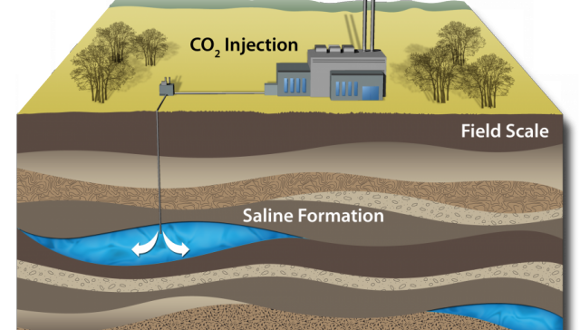
אחד הפתרונות שיכולים להוביל להפחתה מאסיבית של פליטת הפחמן הדו-חמצני הוא הטמנתו במאגרים תת קרקעיים עמוקים כגון אקוויפרים מלוחים שאינם בשימוש. התהליך מורכב משלושה שלבים: ראשית, פחמן דו-חמצני  נאסף מהאטמוספירה או ממקורות כגון תחנות כוח ומפעלים. שנית, יש צורך בשינוע של הפחמן הדו-חמצני אל נקודות המתאימות להחדרה. לבסוף, הפחמן הדו-חמצני  מוחדר למאגרים תת קרקעיים דרך קידוחים במטרה לאגור אותו למשך אלפי שנים. הטכנולוגיה הזאת יושמה במספר פרוייקטי אב-טיפוס ואף באופן מסחרי בפרוייקטים בודדים, המפורסם שבהם נמצא בשדה הגז סלייפנר שבנרווגיה.

כלוא באדמה

מטרת המחקר היא להבין את התהליכים שיעבור הפחמן הדו-חמצני  בעת שישהה במשך אלפי שנים יחד עם מים מלוחים באקוויפר שבעומק האדמה. הכוונה היא לוודא שהפחמן הדו-חמצני  אכן ישאר כלוא ולא יחלחל חזרה למעלה (ה- CO2  קל יותר מהמים!) ויגיע לאטמוספירה דרך סדקים בסלע התת קרקעי. כמו כן חשוב להבין מה הלחצים שיתווספו למאגר על מנת לבצע את ההחדרה באופן מבוקר כדי שלא יהיה סידוק ושבירה של הסלע. המחקר נעשה באמצעות מודלים תיאורתיים ונומריים, הכוללים סימולציה של זרימה במאגרים או הדמיה של דגימות סלע הנלקחות מהמאגר, דבר המאפשר הבנה מעמיקה של התהליכים הפיסיקליים.


פרסום מאמר

המאמר של ד"ר רבינוביץ פורסם במגזין Journal of Petroleum Science and Engineering. מעבר למאמר

בהנדסה ביו-רפואית מפתחים שיטות הנדסיות ומיישמים שיטות קיימות במחקר ביולוגי ורפואי. חלק מהמחקר הוא מחקר בסיסי שמטרתו לפתח הבנה טובה יותר של מערכות ביולוגיות. חלקו האחר של המחקר הוא יישומי שמטרתו לקדם ולשפר את הטיפול הרפואי...

30 ינואר 2019
קצת עלינו

תחום מדעי המידע (Data Science) ובפרט טכנולוגיות למידת מכונה (Machine Learning) ועיבודן בנתוני עתק (Big data) הפכו למרכזיים בתעשייה ובמחקר. למידת נתוני עתק משמשת בכל רגע בפרסום, בניתוח פסיכולוגי של פרטים בתעשיה ובמחקר, במחקר סוציולוגי, ביישומים בכלכלה, ספורט, תחבורה ועוד.


גם בתחום הביו-רפואי, למידת נתוני עתק פיזיולוגיים ורפואיים מסנסורים ואמצעי דימות שונים משנה את המחקר והתעשייה. 


במחלקה להנדסה ביו-רפואית באוניברסיטת תל אביב מעמיקים חברי הסגל ותלמידי המחקר שלהם בתחומי Data Science ולמידת מכונה. "לשם המחשה: רק בשנתיים האחרונות יצאו משורות המחלקה להנדסה ביו-רפואית 4 חברות סטרט-אפ כגון:LifegraphQart medical.OsteoSeeSynvaccine המומנות בתחומים שונים מאופטיקה ועד ביואינפורמטיקה. כולן כוללות גם מרכיב של שימוש בלמידת מכונה של נתוני עתק" כך מסביר פרופ' אורי נבו, ראש המחלקה להנדסה ביו-רפואית.


כדי להתמודד עם צורך בהכשרה בתחום זה עיבתה המחלקה בשנה האחרונה את מגוון קורסי הבחירה שהיא מציעה בתחום עבור תלמידי שנים ג' ו- ד' בהנדסה ביו-רפואית. הקורסים החדשים יאפשרו למידת הבסיס המתמטי והאלגוריתמי של שיטות אלה ושימושן ביישומים רפואיים שונים: עיבוד תמונה, ביואינפורמטיקה, חקר מוח, למידת מידע ממאגרים רפואיים ועיבוד של אותות פיזיולוגיים כגון אותות לב. 

סמינר מחלקתי אלקטרוניקה פיזיקאלית: Ana Libster-Hershko

31 בינואר 2019, 15:00 
 
סמינר מחלקתי אלקטרוניקה פיזיקאלית: Ana Libster-Hershko

סמינר אנה

You are invited to attend a lecture
Surface Plasmons on Flat and Curved Surfaces
By:
Ana Libster-Hershko
School of Electrical Engeneering
Ph.D student under supervision of Prof. Ady Arie

Abstract
Surface Plasmon Polaritons (SPPs) are electromagnetic waves that are coupled to collective electron oscillations in the metal and propagate along the interface between a dielectric and a metal layer. These waves enable interesting applications in sensing, on-chip communication and nonlinear optics, owing to their tight confinement to the interface and their relatively small wavelength.
In this talk we explore the propagation dynamics of SPPs in flat and curved surfaces.  In particular, we explore the behavior of self-accelerating SPP beams, such as Weber and Mathieu beams, on plane surfaces. These beams are solutions of the non-paraxial Helmholtz equation in elliptic and parabolic coordinates. Specifically, we show that the plasmonic Weber beam maintains its shape over a much larger distance along the parabolic trajectory, with respect to the corresponding solution of the paraxial equation—the Airy beam.
We also study the propagation of Gaussian plasmonic beams on curved surfaces. Due to the two-dimensional nature of surface plasmons they provide a platform for studying the effect of the curvature on the propagation dynamics.  By forming a bended surface with the shape of a book-cover we can achieve guiding of SPPs on a curved surface, where this guiding mechanism is based on the surface curvature rather than on a contrast of refractive indices.

On Thursday, January 31th 2019, 15:00
Room 011, Kitot building


המחלקה להנדסה ביו-רפואית -סמינר מיוחד ע"י פרופ' דומיניק פילוטי מאונ' EPFL בשוויץ

16 במאי 2019, 15:00 
הבניין הרב תחומי ,חדר 315  
ללא עלות
המחלקה להנדסה ביו-רפואית -סמינר מיוחד ע"י פרופ' דומיניק פילוטי מאונ' EPFL בשוויץ

~~

The role of dissipation in developing hydrogels with
increased mechanical and mechanobiological properties

Dominique Pioletti

Laboratory of Biomechanical Orthopedics, Institute of Bioengineering,
EPFL

Dissipation plays an essential role in the mechanical behavior of materials under
cyclic loading. In particular for soft materials, an insufficient dissipative capacity is known as the main reason for the low toughness and inability to resist defect
growth in hydrogels. In parallel, a new paradigm on the role of dissipative
phenomena in soft tissues and biomaterials recently emerged with experimental
observations correlating dissipation and mechanobiology. Dissipation may
therefore be related to two different but complementary objectives in the
development of hydrogels: increase their fatigue resistant properties and induce
new mechanobiological features. As example for the development of an hydrogel,
we will focus on the clinical situation related to a focal defect in cartilage. In that
situation, a fairly stiff and tough hydrogel is required to sustain the particular
mechanical behavior of this tissue. As a supplemental constraint, adhesion of the
hydrogel to the cartilage is key to avoid its premature delamination. Dissipation also plays a central role for adhesion related process. In this talk, I will present how by carefully controlling the sources of dissipation, hydrogels with enhanced mechanical and mechanobiological properties can be obtained and can be proposed for functional tissue engineering.


Dominique Pioletti received his Master in Physics from the EPFL in 1992 at
Lausanne. He pursued his education in the same Institution and obtained his PhD in biomechanics in 1997. He developed original constitutive laws taking into account viscoelasticity in large deformation. Then he spent two years at UCSD as a post-doc fellow and was interested in particular to understand the molecular and cellular mechanisms leading to peri-implant osteolysis. He developed at that time the pioneer idea to use orthopedic implant as drug delivery system and has since proposed different solutions relevant for clinical applications. From 2006 to 2013, he was an Assistant Professor at EPFL and since August 2013, was appointed Associate Professor of Biomechanics at EPFL. He is the director of the Laboratory of Biomechanical Orthopedics. His research topics include biomechanics of the musculoskeletal system, mechanobiology in bone and cartilage, drug delivery system for bone and cartilage, functional tissue engineering. His close collaboration with different hospital departments has resulted in research output oriented toward applications


סמינר המחלקה להנדסה ביו רפואית- הרצאת אורח של פרופ' דפנה בן בעש"ט מבית חולים איכילוב בנושא AI in radiology: clinical applications

03 במרץ 2019, 14:00 
הבניין הרב תחומי חדר 315  
ללא עלות
סמינר המחלקה להנדסה ביו רפואית- הרצאת אורח של  פרופ' דפנה בן בעש"ט מבית חולים איכילוב בנושא AI in radiology: clinical applications

הרצאת אורח מפי ד"ר בן בעש"ט

School of Mechanical Engineering Richard M. Lueptow

25 במרץ 2019, 14:00 - 15:00 
בניין וולפסון חדר 206  
0
School of Mechanical Engineering Richard M. Lueptow


School of Mechanical Engineering Seminar
Monday, March 25, 2019 at 14:00
Wolfson Building of Mechanical Engineering, Room 206


Molecular-level transport mechanisms in desalination membranes via molecular dynamics simulations

Richard M. Lueptow

Department of Mechanical Engineering, Northwestern University, Evanston, IL, USA

Molecular-level water permeability and solute rejection can be studied for polymeric reverse osmosis (RO) and nanofiltration (NF) membranes using non-equilibrium molecular dynamics simulations. Such simulations are computationally challenging but can provide Ångström-level information not otherwise available. For example, solute molecules display Brownian motion within a nanoscale pore for 1-5 ns before hopping quickly to another nanoscale pore as they pass through the membrane. Furthermore, the solute rejection depends on both the size of a solute molecule and the chemical interaction of the solute molecule with water molecules and the molecular chains of the polyamide membrane. When solute molecules have to shed at least one water molecule from their solvation shell to pass through the membrane molecular structure, the water-solute pair interaction energy governs solute rejection.  Thus, small organic solutes that more easily shed water molecules pass through

the membrane readily compared to ions.  Hydrogen bonding with the membrane polymer chains results in high rejection for solute molecules like urea.  These findings underline the importance of the solute’s solvation shell and solute-water-membrane chemistry in solute transport and rejection in RO membranes.  Moreover, the approach of non-equilibrium molecular dynamics simulations to understand and predict flux and rejection mechanisms in polymeric membranes at the molecular level holds great promise for designing the next generation of membranes for desalination and other applications.

Funded by the Institute for Sustainability and Energy at Northwestern (ISEN) with computing resources from XSEDE, which is supported by NSF grant ACI-1053575.


Bio:

Richard M. Lueptow is Senior Associate Dean at the McCormick School of Engineering and Applied Science, Co-Founder of the Master of Product Design and Development Program, Professor of Mechanical Engineering, and Charles Deering McCormick Professor of Teaching Excellence at Northwestern University.  He received his BS in engineering (1978) from Michigan Technological University and his master’s degree (1980) and doctorate (1986) in mechanical engineering from the Massachusetts Institute of Technology.  He has five years of product development experience in the biomedical industry and three decades of academic experience on the faculty at Northwestern University.  His research interests and expertise range from fundamental flow physics to water purification on manned spacecraft to planetary acoustics. His current research focuses on filtration processes, nonlinear systems, and granular dynamics.  He has published over 150 journal papers and 6 patents, received numerous teaching and research awards, and is a Fellow of both the American Physical Society and the American Society of Mechanical Engineers.

עמודים

אוניברסיטת תל אביב עושה כל מאמץ לכבד זכויות יוצרים. אם בבעלותך זכויות יוצרים בתכנים שנמצאים פה ו/או השימוש שנעשה בתכנים אלה לדעתך מפר זכויות
שנעשה בתכנים אלה לדעתך מפר זכויות נא לפנות בהקדם לכתובת שכאן >>