מחקר חדש מציע דרכים לשימוש חוזר בגזם צמחי ואף לייצר דלק אתנול טבעי מגזם עצים, מפסולת חקלאית ופסולת נייר.

  • תגיות:

החוקר.ת מאחורי המחקר

מחקר חדש שמומן ע"י משרד האנרגיה ומשרד הגנת הסביבה הנערך ע"י פרופ' הדס ממן יחד עם הסטודנטים מהפקולטה להנדסה וד"ר יורם גרשמן מאורנים מציע דרכים לשימוש חוזר בגזם צמחי ואף לייצר דלק אתנול טבעי מגזם עצים, מפסולת חקלאית ופסולת נייר.


הסטודנטים לדוקטורט רועי פרץ, שנה שלישית בתכנית להנדסת סביבה, ביה"ס להנדסה מכנית ויאן רוזן, שנה רביעית בבית הספר ללימודי הסביבה וכדור הארץ ע"ש פורטר והנדסת סביבה בהנחיתם המשותפת של פרופ' הדס ממן ושל ד"ר יורם גרשמן ממכללת אורנים בדקו במחקר חדש את האפשרות להשתמש בפסולת הגזם ופסולת נייר לייצור אתנול. מחקרם פורסם באתר הידען ובוואלה ואף זכו בגרנט נוסף של "היבטי סביבה – תחליפי נפט לתחבורה" יחד עם פרופ' אופירה איילון במחקר אוזונציה כטיפול מקדים להפקת אתנול מפסולת חקלאית כתחליף דלק תחבורה  - אופטימיזציה ואנליזת מחזור חיים – על מנת לבחון את התהליך הנ"ל ביחס לחלופות אחרות של מקורות אנרגיה לתחבורה.


הביומסה הצמחית

עבודתו של יאן מתמקדת בלחקור את השימוש באוזונציה בקדם הטיפול בגזם בתהליך הפקת ביו-אתנול. הייעוד העיקרי של האתנול הוא לשימוש בתחבורה ע"י מיהול עם בנזין ובכך להפחית צריכה של דלק ממקור מאובני ופליטת מזהמים. "המחקר שלי מראה שאין צורך בחשיפה ממושכת לאוזון ודי בחשיפה קצרה בכדי להתחיל ולאפשר תהליכי הידרוליזה אנזימטיים המניבים תפוקה גבוהה של חד סוכרים. חשיפות קצרות אלו לאוזון מוזילות את השימוש בו ועשויות להפוך את השימוש בו לישים תעשייתי" כך מסביר יאן.

הביומסה הצמחית (המסה הכוללת של כל החומר האורגני) מורכבת משלושה מרכיבים: צלולוז, המיצלולוז וליגנין. הצלולוז הוא סיבים של רב סוכר המורכב ממונומרים של חד שש סוכרים. ההמיצלולוז הוא רב סוכר הבנוי מקטעי שרשראות של חד חמש סוכרים ומשמש לחיזוק ולהגנה על הצלולוז. הליגנין הוא רשת בעלת מבנה תלת ממדי משתנה של פוליפנולים העוטפת את סיבי הצלולז וההמיצלולוז. תפקידיו של הליגנין הם להעניק קשיחות לצמח, עמידות בפני אנזימים וכיוב'. הימצאותו של הליגנין מונעת את פרוק הרב סוכרים לחד סוכרים המשמשים את השמרים לתסיסה וייצור האתנול. הדעה הרווחת היא שאמנם האוזון נמצא כיעיל בפרוק פנולים אך ייצורו יקר ונחוץ הרבה אוזון. סברה זו מונעת מהשימוש באוזון להיות מיושם תעשייתית. 


מפסולת נייר לדלק חלופי מסוג ביו-אתנול

רועי פרץ מתמקד במחקרו במעבדה של פרופ' ממן בהמרת פסולת מחזור הנייר והשבת חומרים יקרי ערך. בישראל בלבד נוצרים יותר ממליון טונות של פסולות נייר וקרטון, כאשר רק 50% מתוכם הולכים למחזור ושימוש מחדש, לרוב במפעל "נייר חדרה". כתוצאה מתהליך המחזור מתקבל תוצר לוואי לא רצוי בדמות 31,000 טונות בשנה של פסולת מחזור נייר (RPS-Recycled Paper Sludge). נכון לרגע זה, אין שימוש ממש לפסולת זו אשר מכילה אחוז גבוה מאוד של סיבי צלולוז (75% משקלי).


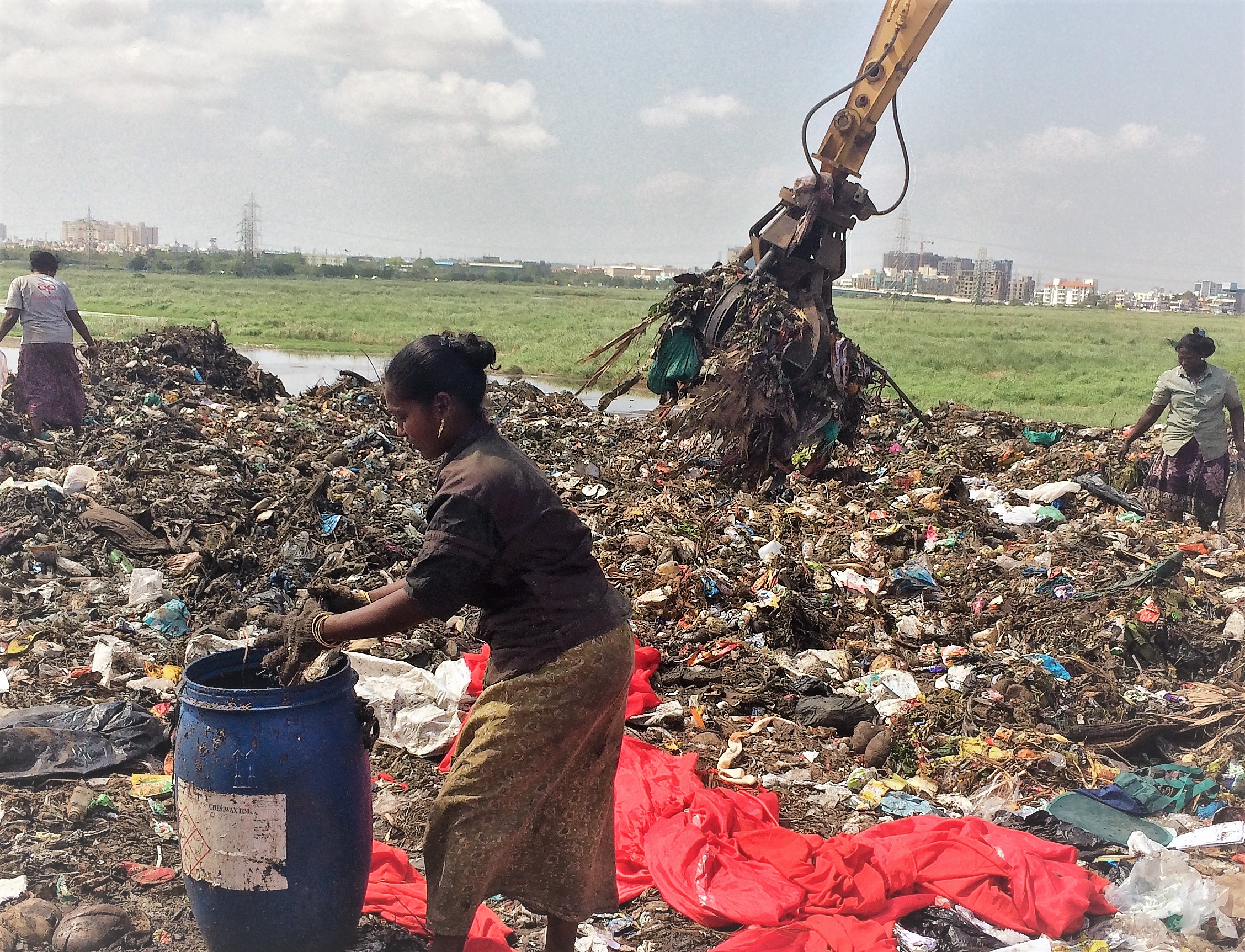
במחקר המוצע, נבחנת המרת פסולת מחזור הנייר והשבת חומרים יקרי ערך- החל מאפיון הפסולת, בחינת תהליכי טיפול מקדים חדשניים מבוססי אוזונציה, בחינת טיפול אנזימטי ואופטימיזציית התהליך. פסולת הנייר תורמת לשני מוצרים יקרי ערך: דלק חלופי מסוג ביו-אתנול וננו קריסטלים מצלולוז. "מחקר זה יכול לתרום לפיתוח עקרון "פסולות לדלקים" בישראל ובעולם, במיוחד בהתחשב בכמויות ההולכות וגדלות של פסולות אשר בלא מוצא אחר, נטמנות במטמנות ייעודיות" לפי רועי.

רועי פרץ

מולטי-דיציפלינריות במחקר

אוניברסיטת תל אביב והפקולטה להנדסה בפרט, תורמים רבות במחקר בדגש על מתן תשתיות מתקדמות ומפותחות המאפשרות מחקר ברמה הגבוהה ביותר. כמו כן, שיתוף הפעולה בין ביה"ס להנדסה מכאנית לבין מחלקות אחרות (כימיה, הנדסת חומרים ולימודי הסביבה) באוניברסיטת תל אביב מאפשר פיתוח מולטי-דיסיפלינרי המערב תחומים שונים של מחקר ומעצים אותו. בנוסף, אוניברסיטת תל אביב תומכת בפרסומים, נסיעות מחקר של סטודנטים וקידום קשרים עם חוקרים אחרים ברחבי העולם, דבר הנושא פרי הנראה בהתעניינות הרבה שהמחקר שואבהמכשור ההנדסי והטכני שמהווה את הבסיס למחקר, נמצא בפקולטה להנדסה במעבדה לטכנולוגיות מים, בדגש על מערכת האוזונציה המתקדמת. מערכת זו מאפשר המרה של גז חמצן לתערובת עשירה באוזון, שהינה החומר המגיב שעומד בעיקרו של המחקר.


אלה שמתאהבים בבעיה הם אלה שממציאים לה הפתרון

School of Mechanical Engineering Dov Moshkovich

27 בפברואר 2019, 14:00 - 15:00 
בניין וולפסון חדר 206  
0
 School of Mechanical Engineering  Dov Moshkovich

SCHOOL OF MECHANICAL ENGINEERING SEMINAR
Wednesday, February 27, 2019 at 14:00
Wolfson Building of Mechanical Engineering, Room 206


Buckling and Post-buckling study in layered materials


Dov Moshkovich

 MSc. student of Prof. Herzl Chai


Systems consisting of thin, stiff films attached to compliant soft layers are frequently encountered in natural systems and technological applications. This includes an endoscopic examination of internal organs, filopodia growth in living cells, stent procedure, and deep drilling. Investigating and understanding the post-buckling behavior in such systems is of great basic and practical interest.


Most buckling works are limited to the buckling behavior of a single or layered structure under small deformation conditions. Some studies into the post-buckling behavior were also made, but they were generally limited to a single film attached to a thick, soft substrate (bilayer). There seems to be no numerical schemes for analyzing the post-buckling behavior in hard/soft multilayer structures.


This work is focused on the analysis of multilayers composed of hard/soft layers under axial compression load applied well into the post-buckling regime. The analysis is limited to 2D, and it incorporates soft/hard materials with moduli ratios of , relative layer thickness, and number of stiff layers ranging from . The buckling and post-buckling analysis of all structures considered are performed using the FEM routine ABAQUS.


Several practical cases of interest were considered. The results provide new insights into the buckling and post-buckling response of layered structures. Of particular note are the complete stress-strain responses obtained for a number of configurations of interest. The results show how the system variables can be tailored to get desired nonlinear responses and energy absorptions.


EE Seminar: Data compression and secrecy by design

14 בינואר 2019, 15:00 
חדר 011, בניין כיתות-חשמל  

(The talk will be given in English)


Speaker:     Dr. Yanina Shkel
                   Princeton University


Monday, January 14th, 2019
15:00 - 16:00

Room 011, Kitot Bldg., Faculty of Engineering


Data compression and secrecy by design


Abstract

The unique characteristics of the IoT make it very challenging to provide adequate security primitives. The complexity of traditional cryptographic methods is an issue for IoT applications that have very stringent delay requirements. Moreover, in the context of the IoT, security requirements and the explicit applications have to be taken into account from the beginning of the protocol design. Motivated by these unique characteristics of the IoT systems, we introduce the framework of secrecy by design as an approach to partial information-theoretic secrecy. The main idea behind secrecy by design is to begin with an operational secrecy constraint, which is modeled by a secrecy function, and then to derive fundamental limits for the performance of the resulting secrecy system. In the setting of lossless compression, we show that strong information-theoretic secrecy guarantees can be achieved using a reduced secret key size and a modular two-part coding strategy. Moreover, the proposed two-part codes possess a universality property that has an immediate implication for secure inference.

Time permitting, we will also discuss connections between secrecy by design and related notions such as randomness extraction and common information.


Short Bio

Yanina Shkel is a research scholar in the department of Electrical Engineering at Princeton University. Yanina has B.S. degrees in Mathematics and in Computer Science, as well as a Ph.D. degree in Electrical and Computer Engineering from University of Wisconsin-Madison.

Before attending graduate school she worked as a developer for Morningstar, Inc. where she administered databases containing and processing large amounts of financial data. More recently, she was an intern at 3M Corporate Research Labs where she had a unique opportunity to apply her background in computation and information sciences for materials and product driven needs of 3M. Yanina is a recipient of the NSF Center for Science of Information (CSoI) postdoctoral fellowship.


EE Seminar: Cloud Computing and Graph Coloring

08 בינואר 2019, 15:00 
חדר 011, בניין כיתות-חשמל  

(The talk will be given in English)


Speaker:     Dr. Ilan Reuven Cohen
                   Centrum Wiskunde & Informatica in Amsterdam


Tuesday, January 8th, 2019
15:00 - 16:00

Room 011, Kitot Bldg., Faculty of Engineering


Cloud Computing and Graph Coloring


Abstract

Cloud computing opens a new chapter in information technology, by enabling global access to shared pools of resources such as services, data, servers, and computer networks. It drives new digital businesses across enterprises. In the last few years, an unprecedented amount of data center capacity has been built to support cloud computing services' growth. Therefore, optimizing the energy budget of data centers, without harming service level agreements, would result in massive savings for their operators, and significantly contribute to greater environmental sustainability. A key challenge in optimizing cloud computing services is their online nature. That is, they require immediate and irrevocable decisions to be made, based on incomplete input.        


In this talk, I will discuss my work on two major online optimization problems for cloud services: switch routing and virtual machine placement. I will show how these problems relate to graph coloring, one of the most well-known, popular and extensively-researched areas in the field of graph theory. First, I will present tight bounds for online edge coloring in bipartite graphs, which leads to an optimal switch routing scheduler. I will then discuss vector balancing problems, a well-studied model for virtual machine placement in cloud services. In these problems, jobs have vector loads and the goal is to balance the load on all dimensions simultaneously. For this purpose, I will first consider two natural relaxations of the vertex coloring problem, and show new online lower bounds for them. I will then show how to port these bounds back to vector balancing, and prove that the bounds are tight by presenting matching upper bounds. In addition, for practical applications, these bounds are unsatisfactory, so I will also discuss how to improve the upper bounds by adding restricting, yet practical, assumptions.


Short Bio

Ilan Reuven Cohen is a postdoctoral researcher at Centrum Wiskunde & Informatica in Amsterdam hosted by Professor Nikhil Bansal. Before that, he was a postdoc researcher at Simons Institute in Berkeley and at Carnegie Mellon University. His main research interests lie in the areas of approximation, randomized and online algorithms, with game theoretic aspects. Currently, his research focuses on packing and covering, resource allocation and scheduling problems. Ilan received a Ph.D. in Computer Science from Tel Aviv University, where he was advised by Professor Yossi Azar. He has received several awards including the Fulbright Post-doctoral Scholar Fellowship and the Gutwirth foundation scholarship.

סמינר המחלקה להנדסה ביו רפואית

13 בינואר 2019, 14:00 
חדר 315 הבניין הרב תחומי  
ללא עלות
סמינר המחלקה להנדסה ביו רפואית

הרצאות של תלמידי המחלקה להנדסה ביו רפואית לתואר שני: מר דוד קרקו תחת הנחייתו של פרופ' אורי נבו ומר אמוץ מן תחת הנחייתה של ד"ר אילת לסמן מבית הספר להנדסה מכנית

סמינר המחלקה להנדסה ביו רפואית - הרצאת אורח של ד"ר אהרון אזגורי

06 בינואר 2019, 14:00 
חדר 315 הבניין הרב תחומי  
ללא עלות
סמינר המחלקה להנדסה ביו רפואית - הרצאת אורח של ד"ר אהרון אזגורי

ENHANCING MASS TRANSPORT ACROSS BIOLOGICAL MEMBRANES

Aharon Azagury

Controlled drug delivery has been the focus of many types of research for decades while noninvasive drug delivery is one of its fundamental aspects. Noninvasive drug delivery routes use external accessible membranes such as the skin, nasal and tympanic cavities, chorioamnion membrane, and oral drug delivery. Since most of these membranes are not naturally permeable, it is thus crucial to enhance the mass transport across them for drug delivery purposes. In order to achieve effective enhancement one first need to understand the structure of these membranes and more importantly the rate limiting step for mass transport. Many approaches have been used throughout the years to enhance mass transport across biological membranes, mainly for the skin. Among these methods are chemical penetration enhancers (CPEs) and ultrasound (US). In this presentation, the effect of US on transdermal mass transport and its mechanism of action would be discussed followed by the effects of US and CPEs (separately and in tandem) on the mass transport across the chorioamnion membrane (CAM). The aim of latter research was to enhance the mass transport across the CAM for early sampling of the amniotic fluid in a non-invasive manner, in order to detect abnormalities and assess the fetus’s health. Another option is to deliver drugs directly to the fetus. In order to achieve that, first CPEs were encapsulated inside nano-PLGA (nPLGA) particles resulting in an increased CPEs effect with lower concentration of CPEs. The mechanisms of actions were determined by experiments evaluation permeability with dyes, cryo-TEM & SEM, FTIR, biomimicking colorimetric screening measurements, and custom made image analysis.
Enhancing mass transport across the gastrointestinal (GI) track is probably the most challenging approach. Nanoencapsulation approaches for oral drug delivery is one of the solutions and investigation of their interactions with the different segments of the GI would be discussed. First, a novel double-walled (DW) method termed single step DW nanoparticles for oral drug delivery was developed in our lab. DW morphology was confirmed via FTIR, DSC, and a unique AFM mode. Second, the interactions between polymeric nanoparticles and the GI membrane were investigated using DLS and Zeta potential measurements, followed by presenting my newly developed method for detection of polymers in biological specimens using FTIR. Lastly, a brief description of a novel method currently under development for calculating effective diffusion coefficient using 3D SEM would be presented.


משך הלימודים כשנתיים | תנאי קבלה | הרשמה להנדסת סביבה בפקולטה להנדסה

ראשת התוכנית, פרופ׳ הדס ממן סגל אקדמי בכיר בביה״ס להנדסה מכנית

hadasmg@tauex.tau.ac.il

אחראית מנהלית תלמידים לתארים מתקדמים, ליאת כהן

liatc@tauex.tau.ac.il


תואר שני בהנדסת סביבה: אוהבים/ות הנדסה? דואגים/ות לכדור הארץ? בואו להשפיע!

בעידן של אתגרים סביבתיים חסרי תקדים, תואר שני בהנדסת סביבה הוא ההזדמנות שלך להשתלב בחזית הטכנולוגיה הירוקה ולתרום לשינוי אמיתי.

התוכנית תעניק לך כלים חדשניים להתמודדות עם משבר האקלים, פיתוח פתרונות ברי-קיימא, וקידום טכנולוגיות פורצות דרך במגוון תחומים קריטיים להצלת העולם.

אם את/ה מחפש/ת תואר שמשלב הנדסה, מדע, וחשיבה פורצת דרך עם תחושת שליחות והשפעה עולמית – מקומך איתנו! 


למה דווקא אצלנו?

אנו מציעים קורסים מתקדמים בתחומי הנדסת הסביבה והטכנולוגיה, ולצידם קורסי בחירה בתחומים מגוונם כמו מדיניות, משפט, כלכלה וחברה, מתוך ההבנה שבעיות סביבתיות דורשות פתרונות הוליסטיים. יש לנו צוות אקדמי מוביל, מרצים המגיעים מהתעשייה המתקדמת ביותר מעולמות האנרגיה המתחדשת, התפלה, מים ופסולת.

בתכנית תלמדו איך לטהר מים ושפכים בטכנולוגיות מתקדמות, איך להפחית את גזי החממה, איך אפשר לפתח פלסטיקים מתכלים ולשלב מדעי נתונים וננוטכנולוגיה כדי ליצור עולם ירוק יותר. ישנן מגוון אפשרויות להתמחות בתעשיות מובילות במשק ובתחום היזמות הסביבתית. בנוסף, אנו מעניקים מלגות לסטודנטים.יות מצטיינים.ות במסלול של תזה.
 

מה תוכל/י לעשות עם התואר הזה?

תואר שני בהנדסת סביבה פותח דלתות לקריירות מתגמלות – הן ברמה האישית והן ברמה המקצועית.
בוגרי התכנית משלבים בתפקידים כמו ניהול פרויקטים סביבתיים בארגונים ציבוריים ופרטיים, ייעוץ סביבתי לחברות היי-טק, קלינטק ופיתוח טכנולוגיות ירוקות, יזמות סביבתית בחברות אימפקט ובסטארט-אפים חדשניים וגם משתלבים כחוקרים מובילים במכוני מחקר ובאקדמיה.

התואר יאפשר לכם להשתלב במיזמים גלובליים במדינות מתפתחות, ארגונים הומניטריים, ומיזמים לשינוי חברתי כל זאת, תוך תרומה ישירה לאתגרי הסביבה העולמיים ולבניית עתיד בר-קיימא לדורות הבאים.


תנאי קבלה:

יש לך תואר ראשון בהנדסה או במדעים מדויקים (B.Sc.) עם ממוצע מעל 80? מצוין, אנחנו מחפשים בדיוק אותך! תנאי הקבלה.
גם אם ממוצע הציונים שלך קרוב לסף הקבלה – אל תהסס/י להגיש מועמדות. במקרים מסוימים, ניתן להתקבל במעמד על-תנאי ולהשלים פערים במהלך השנה הראשונה ללימודים.


התואר המוענק:

M.Sc בהנדסת סביבה

A diagram of a company

AI-generated content may be incorrect.


למידע נוסף:

תכנית הלימודים לתואר שני בהנדסת סביבה עם תיזה, מסלול מחקרי

תכנית הלימודים לתואר שני בהנדסת סביבה ללא תיזה, מסלול עיוני


נושאי הלימוד והמחקר

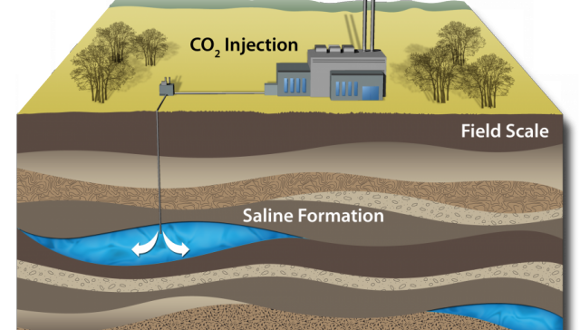
תחומי הלימוד והמחקר בתוכנית מגוונים ומרתקים, ומשלבים חדשנות טכנולוגית עם אתגרים סביבתיים גלובליים. בין הנושאים הנלמדים: אנרגיה מתחדשת כולל שמש, רוח וביודלקים המופקים מצמחים ואצות, טכנולוגיות מתקדמות לאגירת אנרגיה, זיהום אוויר ובקרת פליטות של מזהמים אורגניים ואנאורגניים, מלכודות פחמן דו-חמצני להפחתת גזי חממה, וטכנולוגיות להפיכת פסולת מוצקה למשאב בר-קיימא. כמו כן, תלמדו על טיפול במים ושפכים (מי תהום, מי ים ומים מליחים), טיהור מים באמצעות ננוטכנולוגיה, התפלת מים, מחזור מים ושיקום מקורות מים. תחומי המחקר כוללים גם שיקום קרקעות מזוהמות, הערכת סיכונים בתהליכים תעשייתיים, סיכוני קרינה, הסעת מזהמים במים ובאטמוספירה, ומחקרי שטח במדינות מתפתחות כמו הודו ואפריקה. התוכנית שמה דגש גם על פיתוח פתרונות פורצי דרך  במטרה לייצר עתיד בר-קיימא ומתקדם.


מידע נוסף

מלגות

הסטודנטים לתארים מתקדמים ב"זמן מלא" מקבלים בדרך-כלל, מלגת קיום, ונהוג לשלבם במשרות עוזרי הוראה או אסיסטנטים בקורסים לתואר ראשון.


לימודי חוץ בהנדסה

הפקולטה להנדסה מקיימת תוכנית של "לימודי חוץ - העשרה" בבית הספר לתארים מתקדמים ע"ש זנדמן-סליינר. מטרת התוכנית היא הרחבת אופקים בצד הקניית התמחות נוספת בתחומי ההנדסה השונים ובלימודי ניהול. התוכנית מאפשרת השתתפות בקורסים מתוכנית הלימודים הרגילה לתארים מתקדמים שמציעה הפקולטה להנדסה. הלימודים בתוכנית "לימודי חוץ בהנדסה - העשרה" פתוחים בפני בעלי תואר ראשון בהנדסה או תואר ראשון במדעים מדויקים (.B.Sc). האוניברסיטה והפקולטה שומרים לעצמם את הזכות לשנות את התקנון ללא הודעה מוקדמת. כל שינוי ייכנס לתוקף מידית, אלא אם כן יצוין אחרת.


סמינר מחלקתי אלקטרוניקה פיזיקאלית : Nir Shitrit

10 בינואר 2019, 15:00 
פקולטה להנדסה, ביניין כיתות, חדר 011  
סמינר מחלקתי אלקטרוניקה פיזיקאלית : Nir Shitrit

ניר סמינר

You are invited to attend a lecture


Meta-Engineering of Light in the Linear, Nonlinear and Quantum Optical Regimes

:By

Nir Shitrit

University of California, Berkeley


Abstract

Through subwavelength structuring of materials, metamaterials have shown exquisite control over electromagnetic properties, experimentally demonstrating phenomena not found in nature such as a negative index of refraction. Metasurfaces constitute a more recent branch of metamaterials research, in which two-dimensional ultrathin arrays of engineered nanostructures mold optical wavefronts at will, aiming to revolutionize optical designs by realizing virtually flat, lightweight optics that replaces bulky optical elements. In this talk, we will detail how photonic meta-engineering has advanced metasurfaces as a new paradigm for linear, nonlinear and quantum optics. First, we demonstrated beam shaping via metasurfaces based on optical nanoantennas for visible light, where the photon spin is utilized as a new degree of freedom. We also used metasurfaces as architecture to reveal the role of surface symmetry properties on light-matter interactions and, more specifically, observed the optical analog of the electronic Rashba effect—that is, spin-split dispersion due to broken inversion symmetry. In the nonlinear regime, we explored functionalities which cannot be fundamentally achieved by linear metasurfaces, and demonstrated two-way asymmetric transport of light at nonlinear metasurfaces, paving the way for ultrathin optical diodes. Finally, we showed the extension of metasurfaces to the quantum optical regime, while theoretically demonstrating that a metasurface can efficiently mediate quantum entanglement between two macroscopically separated quantum emitters at the chip level. To conclude, we propose several future directions of structures and materials by design including non-Markovian metasurfaces, mechanical metamaterials, and innovating optoelectronic devices via metastructures, which address the significant impact of meta-engineering on science and technology.

Bio: Nir Shitrit is a postdoctoral fellow at the University of California, Berkeley. He received his Ph.D. in 2014, in Mechanical Engineering, from the Technion -Israel Institute of Technology. His research interests lie at the interface of engineering and applied physics and focus on optics and photonics and, more specifically, on nano-engineered structures and materials with a custom-designed electromagnetic response.  


On Thursday, January 10, 2019, 15:00

Room 011, Kitot Building

עמודים

אוניברסיטת תל אביב עושה כל מאמץ לכבד זכויות יוצרים. אם בבעלותך זכויות יוצרים בתכנים שנמצאים פה ו/או השימוש שנעשה בתכנים אלה לדעתך מפר זכויות
שנעשה בתכנים אלה לדעתך מפר זכויות נא לפנות בהקדם לכתובת שכאן >>