שיתוף פעולה בין חוקרי הפקולטה להנדסה וחוקרים מאלביט

07 פברואר 2018
אלביט מפגש בכירים

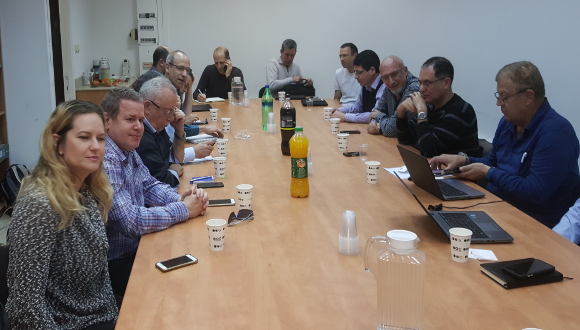
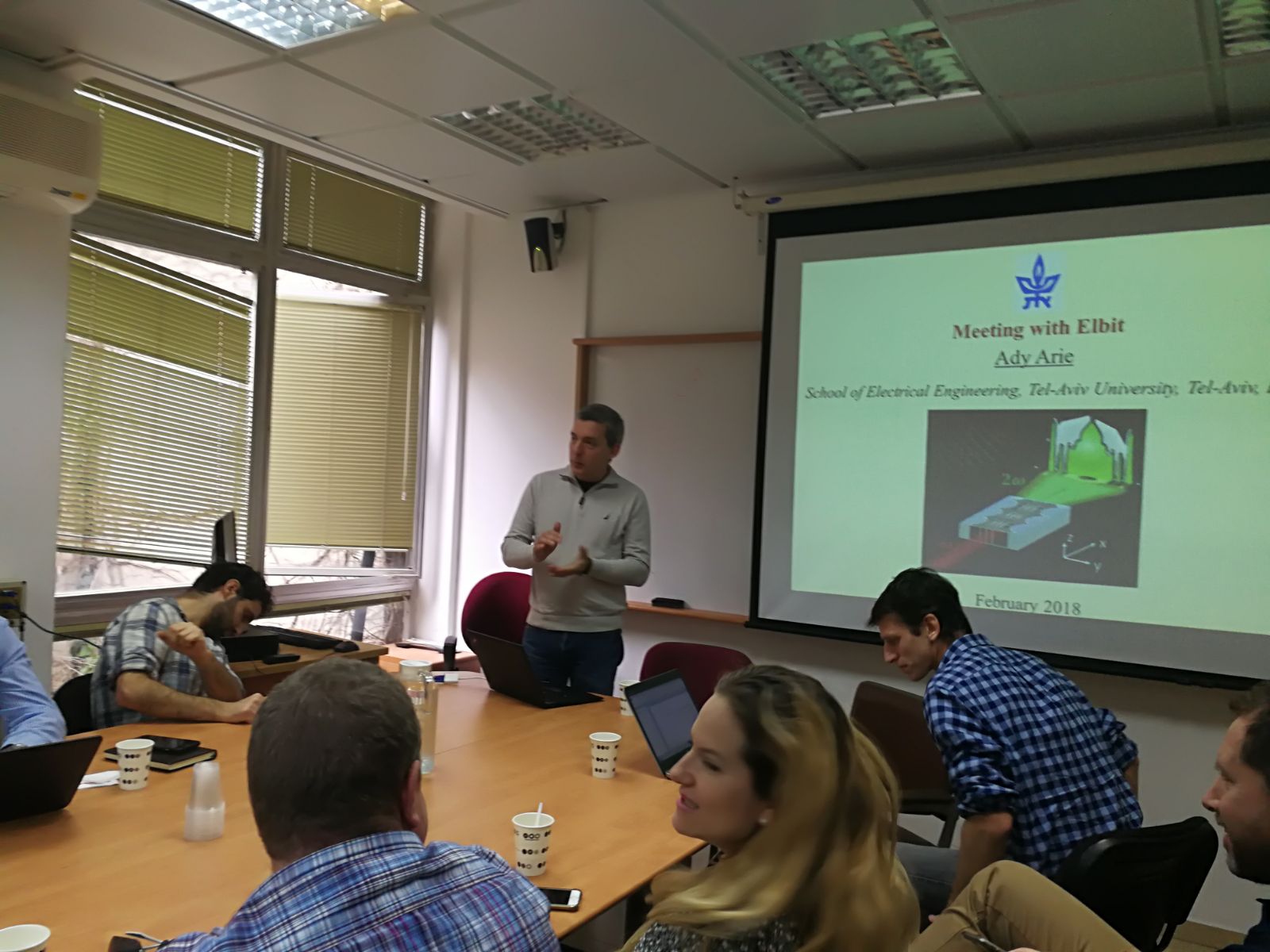
בתאריך 6.2.18 התקיים מפגש ראשון מתוך שניים בין מהנדסים ומנהלים בכירים מאלביט מערכות לחוקרים מובילים בפקולטה להנדסה. ד"ר אלון סטופל, המדען הראשי של חברת אלביט, פנה לארגון עמיתי התעשיה של הפקולטה להנדסה בכדי לקיים את המפגש בכדי ללמוד אודות המחקרים המבוצעים בפקולטה.


מהות המפגשים היא בבחינת שיתוף פעולה הן בצורה של מימון ישיר של פרוייקטים והן בצורה של מסלול מגנטון, משמע העברת טכנולוגיה ממוסד מחקר לתאגיד תעשייתי לפיתוח מוצרים פורצי דרך. למעשה אנו מאפשרים לחברות בתעשיה, במקרה זה אלביט, להיחשף לטכנולוגיה החדשה שלנו , ולאחר בחינתה, תוכלנה החברות להטמיע את הטכנולוגיה בחברה להמשך פיתוח מוצר חדשני בעל פוטנציאל כלכלי או לשדרוג מוצר קיים.


את המפגש פתח פרופ' יוסי רוזנוקס, דיקאן הפקולטה להנדסה בהצגת הפקולטה. אחריו, ד"ר אלון סטופל, המדען הראשי של חברת אלביט מערכות, נתן סקירה על החברה. עוד במפגש שמענו ממספר חוקרים וסגל בכיר של הפקולטה להנדסה על מחקריהם: פרופ' עדי אריה, ד"ר אלון באב"ד ופרופ' יעקב שויער - "לייזרים וחדשנות בנושא אופטיקה יישומית", ד"ר פבל גינזבורג - לייזרים, וד"ר יקיר חדד - "Extreme wave manipulation by electro mechanics and switching".


EE Seminar: New results on dissipativity and the turnpike property for linear quadratic problems

12 בפברואר 2018, 15:00 
חדר 011, בניין כיתות-חשמל  

(The talk will be given in English)


Speaker:     Prof. Lars Gruene
                    Mathematical Institute, University of Bayreuth 


Monday, February 12th, 2018
15:00 - 16:00

Room 011, Kitot Bldg., Faculty of Engineering


New results on dissipativity and the turnpike property for linear quadratic problems


Abstract

In recent years, the importance of the turnpike property and its relation to dissipativity have been rediscovered in the context of economic model predictive control (as explained in my talks at TAU in November 2016). Some of the main results from this area will be recalled and illustrated in the first part of this talk.


In the second part of the talk, we consider the particular case of linear quadratic optimal control problems. We show that for this class of problems the known nonlinear equivalence relations between strict dissipativity and the turnpike property can be refined and extended by means of spectral characterizations. Moreover, we will show that the turnpike property allows for estimating the effect of perturbations on the problem, as induced, e.g., by discretization errors in numerical algorithms. The resulting estimates, which also apply to infinite dimensional systems, e.g., to parabolic PDEs, allow to construct efficient numerical discretization schemes, which will be illustrated for an optimal control problem involving the heat equation.


The new results presented in the talk are based on joint work with Roberto Guglielmi (L'Aquila), Manuel Schaller and Anton Schiela (both Bayreuth)


ברוכים הבאים למחלקה להנדסת תעשייה

חוקרים סקרנות של אנשים ושל רובוטים בעזרת מודלים מתמטיים
ד״ר רביב מפתח אלגוריתמי אופטימיזציה ובינה מלאכותית שמאפשרים לשליחויות וסחורות לנוע ביעילות במרחב
ד״ר ארז שמואלי מראה שכמחצית מקשרי החברות ברשתות החברתיות הם חד כיווניים
ד״ר ימין מפתח מערכת שיודעת לזהות מראש את הפוטנציאל הויראלי של ציוץ בטווירט, ולנטרל אותו

מה קורה אצלנו במחלקה?


אין תוצאות

המחלקה להנדסת תעשייה עוסקת בתחומי מחקר עיקריים של: אנליטיקה ואופטימיזציה, מדעי הנתונים ובינה מלאכותית.


חוקר תחום מחקר
פרופ' ארז שמואלי

נתוני עתק, רשתות מורכבות, היבטים חישוביים של מדעי החברה, למידת מכונה, מערכות המלצה, בסיסי נתונים, אבטחת מידע ופרטיות

בקרו באתר

פרופ' גורן גורדון

בינה מלאכותית, רובוטיקה, למידת מכונה, רובוטים חברתיים, הערכת סקרנות

אתר מעבדה

פרופ' דן ימין

רפואה מותאמת אישית, ביג דאטה בבריאות ורפואה, בריאות דיגיטלית, מודלים של מחלות מידבקות

בקרו באתר

פרופ' ורד בלאס אקולוגיה תעשייתית, ניתוח מערכות מורכבות, ניתוח מחזור חיים, ניתוח תזרימי חומרים, הערכה סביבתית של טכנולוגיות חדשות, שרשרות אספקה מקיימות, נקסוס אנרגיה-תחבורה, נקסוס חקלאות-מים-מזון, בינה מלאכותית וקיימות 

בקרו באתר

תחבורה ולוגיסטיקה, שיתוף כלי רכב ונסיעות, ניתוב כלי רכב, שיבוץ, הנדסת שירות, חקר ביצועים

בקרו באתר

פרופ' יבגני חמלניצקי

מידול ושיטות לפתרון עבור בעיות אופטימיזציה בסביבה סטוכסטית, בקרה אופטימלית בבעיות תכנון, בעיות שיבוץ ותזמון, ניתוח מערכות דינמיות, מידול ושיטות לפתרון לבעיות אופטימיזציה בסביבה דינמית וסטוכסטית, בקרת מערכות ייצור

בקרו באתר

פרופ' יגאל גרציאק(אמריטוס)

משחקים שיתופיים תחרויות ומכרזים מודל מנהל-סוכן תאום בשרשראות אספקה מבוזרות וניהול מלאי סטטיסטיקה בייסינית כלכלת אי וודאות   

בקרו באתר

תכנון מערכות עם מפעילים אנושיים, ניתוח החלטות

אתר אישי

פרופ' יוסף בוקצ'ין

אופטימיזציה של מערכות ייצור והרכבה, תכן מתקנים ומרכזי הפצה,שיבוץ ותזמון, תפעול מערכות הדפסת תלת מימד, אופטימיזציה מרובת יעדים, ניתוח מדדים תפעוליים ועסקיים בארגונים

בקרו באתר

ד"ר יחזקאל שרגא רשף בינה מלאכותית, למידת מכונה, חקר ביצועים, אפליקציות בתחבורה, אקולוגיה וסביבה 

תחבורה ולוגיסטיקה עירונית, חקר ביצועים, אופטימיזציה קומיבנטורית, אלגוריתימים היוריסטיים, שיטות היוריסטיות

בקרו באתר

בעיות תחבורה בזמן אמת, למידת מכונה משולבת אופטימיזציה, לוגיסטיקה הומניטרית, מערכות שיתוף כלי רכב, ניהול שרשראות אספקה, תיכון ותפעול מערכות, אופטימיזציה

בקרו באתר

פרופ' נטע רבין 

למידה חישובית, מודלים מתמטיים להורדת ממדים, כריית מידע ועיבוד אותות.

בקרו באתר

למידת מכונה, כריית מידע, אחזור מידע, מערכות המלצה, סינון שיתופי, אלגוריתמים לחיזוי פיננסי

בקרו באתר

פרופ' עודד מימון

לוגיקה ואופטימיזציה לעולם התפעולי, המשלב את עולם הסייבר עם מערכות הייצור, השירות  והלוגיסטיקה, מערכות מידע וידע, ייצור ממוחשב ורובוטיקה, בינה מלאכותית ויצירתיות בתכנון הנדסי

בקרו באתר

אתר מעבדה

ד"ר עילי ביסטריץ

למידה מרובת סוכנים, בינה מלאכותית מבוזרת, אופטימיזציה ובקרה סטוכסטיות ומבוזרות, תורת המשחקים

בקרו באתר

פרופ' עירד בן גל

יישומי בינה מלאכותית ולמידת מכונה, יישומים מבוססי תורת האינפורמציה, כריית מידע, תכנון ניסויים, אנליזה סטטיסטית, אנליטיקה עיסקית

בקרו באתר

ד"ר עמיחי פיינסקי

מדעי הנתונים, למידה סטטיסטית ולמידת מכונה, הסקה וחיזוי

בקרו באתר

פרופ' ערן חנני 

תורת ההחלטות, תורת המשחקים, חקר ביצועים, תיאוריה כלכלית

בקרו באתר

פרופ' ערן טוך

פרטיות מידע בנתוני עתק
היבטים אנושיים במערכות, אנליטיקה, פרטיות במערכות מידע, היבטים התנהגותיים של פרטיות ואבטחת מידע, אינטראקציית אדם-מחשב, ניתוח התנהגות אנושית ממסדי נתונים מאסיביים, מחשוב נייד, שירותים מבוססי מיקום, אתיקה של AI

בקרו באתר

ד"ר רעות נחם

חקר ביצועים ואופטימיזציה, ניהול שרשראות אספקה, לוגיסטיקה הומניטארית, אופטימיזציה של משאבי מערכות בריאות

בקרו באתר

Laser Safety Control Measures


Control measures for laser systems

Laser class


1

1M

2

2M

3R

3B

4

Warning Label

X

X

X

X

X

X

X

 Do not use binoculars or any other light collection tools 


X

X

X

X


Protective eye wear


X

X

X

Safety controls:
      Closed room, Red light indicator,  Interlocks
      Beam Blockers and Traps


X

X

X

Internal and External lasing sign


X

X

Laser Safety Training


X

X

X

Fire safety equipment


X

Laser - International laser safety classes:


Safety class

Simplified description

Class 1

Laser Inherently Safe   

Visible/non visible

Limited to 0.39 mW

The laser radiation is not dangerous. 

Class 1M   

Safe without viewing aids 

300-4000nm

Limited to 0.5 W

The laser radiation is not dangerous, provided that no optical instruments are used.

Class 2 

Low Power 

Visible only

Limited to 1 mW  

Safe to limited exposure time (up to 0.25 s), due to the eye blink reflex. 

Example: some (but not all) laser pointers.

Class 2M   

Safe without viewing aids   

Visible only

Limited up to 0.5 W 

The same as class 2, but with the restriction that no optical instruments may be used. 

Class 3R   

Low/medium power   

Visible / non-visible

Limited to 5 mW 

The laser radiation is dangerous for the eye.  

Class 3B   

Medium / high power 

Visible / non-visible

Limited Up to 0.5 W

The laser radiation is dangerous for the eye. Under special conditions also for the skin. 

Class 4   

High power 

Visible / non-visible

Laser radiation ->0.5 W 

The laser radiation is very dangerous for the eye and for the skin. In addition scattered light from diffuse reflections may be hazardous for the eye. 

מעבדה חדשה במחלקה למדע והנדסה של חומרים

05 פברואר 2018
במעבדה לחומרים דו-ממדיים

החודש נחנכה בפקולטה להנדסה של אוניברסיטת ת"א מעבדת החומרים הדו-ממדית בניהולו של ד"ר אריאל ישמח וצוות מגוון המורכב ממהנדסים, פוסטדוקטורנטים, דוקטורנטים מסטרנטים.


המעבדה מומנה בנדיבות על ידי האוניברסיטה והפקולטה להנדסה. המחקר השותף במעבדה ממומן ע"י מספר קרנות: קרן ISF (מענק אישי) ISF (IL-China), MAFAT, Pazy, Nano IL-Germany ולאחרונה, הקרן הלאומית החדשה למדע ISF שהגתה הקמת מרכז מחקר חדש על תחליפי נפט לתחבורה. בשיתוף עם 6 חוקרים –נוספים ממוסדות בישראל, שניים מהם מאוניברסיטת ת"א מהמחלקה למדע והנדסה של חומרים (ד"ר בריאן רוזן וד"ר אוסבלדו דיאגז)


בקרנו את ד"ר ישמח במעבדה החדשה וישבנו לשיחה קצרה:


מה חוקרים במעבדה שלך?

אנחנו חוקרים חומרים שכבתיים ברמה של עובי של מספר אטומים. חומרים אלו מאופיינים בכך שהקשר בין האטומים בתוך השכבה הינו קשר כימי חזק (קוולנטי), אך הקשר בין השכבות מבוסס על קשר אלקטרוסטטי חלש, ואן דר ואלס. החומר הבולט והמפורסם ביותר במשפחה זו הינו הגרפן, שכבה חד-אטומית של גרפיט. כתוצאה מהמבנה המיוחד של חומרים אלו, שכבות בעובי של מספר אטומים בודדים (תלוי בסוג החומר) ניתנים לבידוד ואף לגידול בשיטות מגוונות.

אנחנו מעוניינים ללמוד איך שכבות אטומיות בודדות גדלות על פני משטחים שונים, מתוך כוונה לשלוט במבנה, מספר שכבות, הרכב כימי, פאזה וכיו'. לכל אחד מהפרמטרים הללו יש השפעה גדולה על התכונות הפיזיקאליות והכימיות של חומרים אלו ועל כן חשיבות במחקר זה.


מה המטרה העיקרית של המעבדה?

המטרה העיקרית של המעבדה הינה להבין איך השכבות האטומיות הללו גדלות ועל כן, לשלוט במבנה, ותכונות, שלהן ובנוסף, לחקור את הקשר בין המבנה לתכונות הפיזיקאליות והכימיות ברמה של שכבה אטומית בודדת. אנו שואפים, ביחד עם קבוצות מחקר אחרות, לשלב שכבות אטומיות מסוגים שונים  בטכנולוגיות קיימות וחדשות, כגון תאים סולארים  אחסון אנרגיה (אל-קבלים וסוללות) וקטליזה.


איזה שימוש התעשיה תעשה עם המחקר שלך?

הפוטנציאל הטמון בחומרים שכבתיים עניין חוקרים רבים בעולם כבר לפני עשרות שנים. אנחנו חיים כיום בתקופה מאוד מעניינת ודינאמית ובה, יש לנו את הכלים המתאימים למחקר מסוג זה. אנחנו מקווים לפתח את השיטות גידול אשר יאפשרו את שילובם של חומרים אלו בטכנולוגיות קיימות (לשיפור ביצועיים) ובטכנולוגיות חדשות אשר יתבססו על התכונות הייחודיות של שכבות אטומיות דו-ממדיות. מאמצים בכיוון נעשים כבר היום, לדוגמה, לשיפור תאים סולאריים, והתקנים לאגירת אנרגיה, בשיתוף עם התעשיה.  


ד"ר אריאל ישמח במעבדה לחומרים דו-ממדיים

School of Mechanical Engineering Herman Haustein

11 באפריל 2018, 14:00 
 
0
School of Mechanical Engineering Herman Haustein


School of Mechanical Engineering Seminar
Wednesday, April 11, 2018 at 14:00
Wolfson Building of Mechanical Engineering, Room 206


Microscale Considerations: Single Phase Flow Dissipation and Phase Change Interface-Kinetics


Dr. Herman D. Haustein,

 School of Mechanical Eng., Faculty of Eng., Tel Aviv University, Israel


Recent miniaturization trends in microelectronics, led to reconsideration of microscale aspects in cooling: 1) the often neglected effect of viscous dissipation in single phase flows; 2) the often overlooked molecular interface kinetics in boiling.

Existing macro scaling laws claim the heat transfer coefficient (HTC) should continually increase with a decrease in size, as hµ1/d. However, extremely high HTCs are not found at tens of microns in microchannels and microjets, here explained by the reemergence of heating by viscous dissipation, traditionally only considered in high-viscosity and high Mach flows. When flow elements reach a critical size, 10-40 micron in diameter still under laminar conditions (Re=1,000), the energy generated by dissipation is sufficient to counteract the inherent increase of HTC and a maximum is reached. This maximum is the fundamental heat transfer limit and an absolute lower limit to cooling element size, curbing the ongoing trend of flow miniaturization.

Similarly, a recent study has shed new light on the multiscale nature of boiling: comprising a macro- external heat transfer problem coupled to micro- evaporation interface kinetics. Therein, the traditional energy-balance bubble growth is modified to account for microscale aspects, by employing an “effective superheat”, which incorporates reductions due to Knudsen layer vapor kinetics: outflow choking limitations (M=1) and molecular impingement reabsorption at the interface, both of which are strongly dependent on pressure. This combined view proposes a resolution to both the unexplained pressure dependence of bubble growth/departure at low-pressures and the regime transition observed at higher pressures. Furthermore, including the boiling kinetic parameter, L/RT, to redefine the superheat, clearly maps out these regimes. These understandings, incorporated into a universal single bubble growth and departure model, provide successful prediction over several orders of magnitude.


School of Mechanical Engineering Galit Sasson

09 באפריל 2018, 14:00 - 15:00 
 
0
School of Mechanical Engineering Galit Sasson


School of Mechanical Engineering Seminar
Monday, April 9, 2018 at 14:00
Wolfson Building of Mechanical Engineering, Room 206


Biological NO3- Elimination from Reverse Osmosis Brackish Water Concentrate


Galit Sasson

Student of Prof. Hadas Mamane


Granot reverse osmosis (RO) desalination plant was established as part of the coastal aquifer rehabilitation project. This project aims to remove a natural salinity stain in the aquifer, comprising of chlorides and nitrates, by continuously pumping the saline water. The pumped brackish water is desalinated at Granot resulting in two streams: potable water and concentrated brine. One of the challenges of inland desalination is the terminal solution for brine disposal. At Granot plant the brine is discharged to the sea via a 30 km pipe line. According to Israel oceanographic & limnological research, the disposal of nitrogen rich brine into the Mediterranean Sea shore line, might cause several problems to marine life and sea ecosystem. Therefore, nitrate should be eliminated from the brine before sea disposal. There are many methods to eliminate nitrate but only few remove it terminally. One of these methods is heterotrophic denitrification, a bacterial process done at anoxic condition with an additional carbon source and nitrate as the electron acceptor. Completion of this process results in nitrate transforming to atmospheric nitrogen gas, leaving the treated water. This research is a pilot study aimed to examine the feasibility of denitrification on continuously working Granot RO brine and evaluate process performance and tolerance to possible inhibitors and planned interventions. Six distinctive process performance scenarios were observed throughout the pilot among them, half showed good process performance with complete nitrate and nitrite removal. At the three bad scenarios, complete nitrate removal was depicted yet, nitrite was present at the effluent. All the scenarios ran at lower carbon source (acetic acid) to nitrate ratio (2.1 -2.5 g Ac /g NO3-N) than the theoretical value (3.5 g Ac /g NO3-N). Better denitrification was observed at the higher range of the C:N ratio. Process showed endurance to shutdowns in the RO plant by relatively quick acclimation after reoperation. A sudden slight increase in salinity caused a process deterioration which resolved after the bacteria were acclimated. Dissolved oxygen (DO) concentration above 0.2 g/m3, documented as an inhibition limit, did not shift process from completion. Heterotrophic denitrification was found to be a possible alternative for nitrate elimination from the brine stream.   


עמודים

אוניברסיטת תל אביב עושה כל מאמץ לכבד זכויות יוצרים. אם בבעלותך זכויות יוצרים בתכנים שנמצאים פה ו/או השימוש שנעשה בתכנים אלה לדעתך מפר זכויות
שנעשה בתכנים אלה לדעתך מפר זכויות נא לפנות בהקדם לכתובת שכאן >>