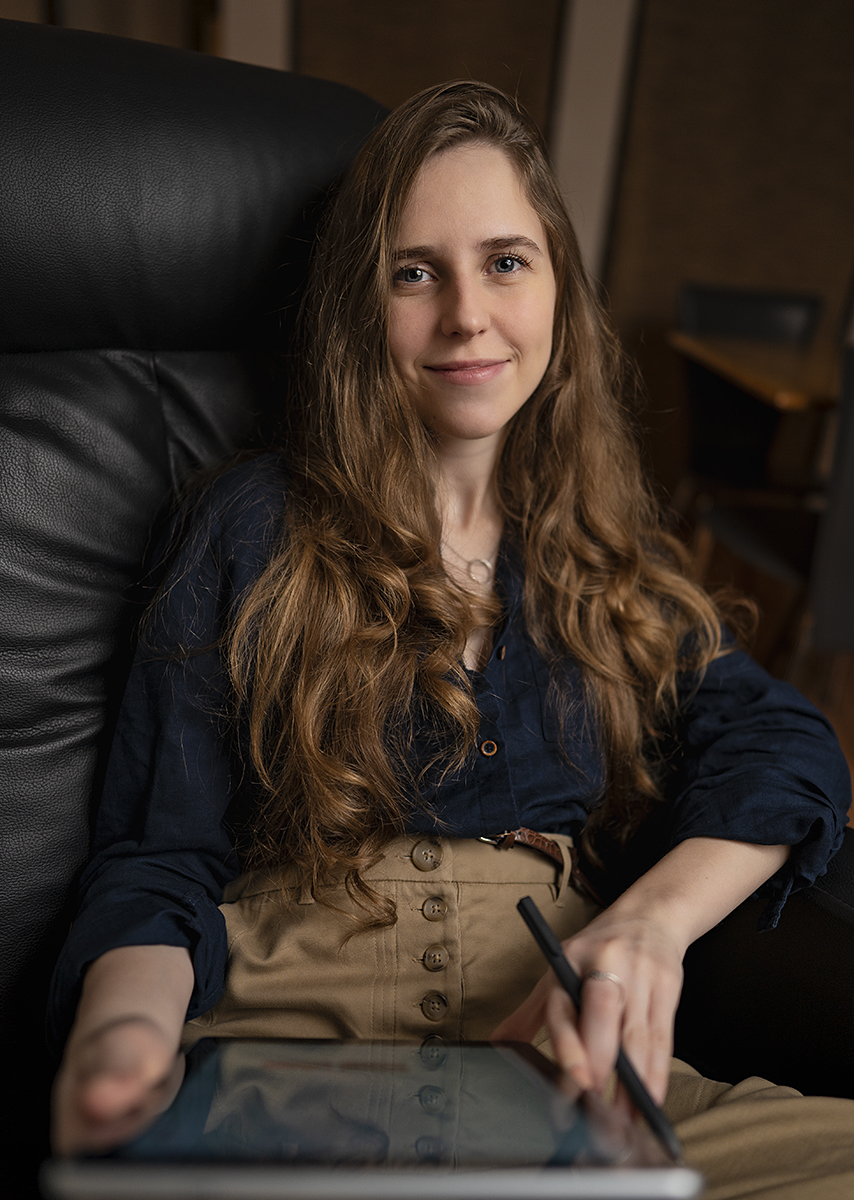
Department of Bio Medical Engineering seminar 05.01.20

05 בינואר 2019, 14:00 
הבניין הרב תחומי , חדר 315  
ללא תשלום
Department of Bio Medical Engineering seminar 05.01.20

Biomedical Spectroscopic Imaging with Scattered Light

Abstract

Optical spectroscopy emerged as a valuable tool to study live biological tissue at various scales and detect early disease in the human body. While fluorescence and Raman spectra are sensitive to molecular properties of tissue, light scattering spectra, originating from the extracellular matrix, subcellular structures, and other tissue inhomogeneities, carry information about tissue microscopic and macroscopic organization. In this talk we will discuss how scattered light can be used for noninvasive detection of invisible pre-cancer in such diverse organs as the esophagus or pancreas that seem to have little in common. We will show, however, that since pre-cancer in many organs is characterized by certain microscopic changes in epithelial cells, such as increase in nuclear size and nuclear density, light scattering signatures of those precancers are quite similar, allowing early cancer imaging and detection without the need for external markers.

                Light scattering signatures could also be used for sensing subnuclear and subcelluar structure of live cells, e.g. chromatin packing, organelle organization, and characterization of cell-derived exosomes. Nanoscale changes in the nuclear structure have been shown to play a critical role in genetic and transcriptional alterations and are a hallmark of neoplasia. However, due to the lack of technologies for label-free nanoscale-sensitive measurements in live cells, many aspects of these phenomena have remained an open problem. We will discuss how the approach based on the combination of confocal microscopy and spectroscopy of scattered light could help to solve this problem, providing several critical advantages over the existing methods.

Biography

Lev T. Perelman is Professor of Medicine at Harvard University and Director of the BIDMC Center for Advanced Biomedical Imaging and Photonics. His research interests are primarily focused on application of optics to medicine and biology. Perelman’s group pioneered biomedical light scattering spectroscopy for noninvasive detection of early precancerous changes in epithelial tissues and tissue characterization on a subcellular scale, and developed confocal light absorption and scattering spectroscopic (CLASS) microscopy for label-free functional imaging of live cells, recently employed, in collaboration with R. Kalluri, to demonstrate that subcellular exosomes perform cell-independent microRNA biogenesis and promote tumorigenesis. Working with K. Kneipp at MIT he demonstrated single molecule detection with surface-enhanced Raman scattering (SERS), and explained the role of stress confinement in short pulse laser ablation, a basic mechanism of laser surgery widely used now in neurosurgery and ophthalmology. He also developed, with J. Marshall, the first nonhydrostatic model of the ocean, the MIT General Circulation Model. Perelman has mentored 30+ graduate students and postdoctoral fellows, and 9 are now tenured professors at Princeton, Northwestern, and other universities.

Department of Bio Medical Engineering seminar 08.12.19

08 בדצמבר 2019, 14:00 
הבניין הרב תחומי , חדר 315  
לל עלות
Department of Bio Medical Engineering seminar 08.12.19


Rational design of drug delivery systems for selective cancer therapy

Ofra Benny, Ph.D, Associate Professor

Institute for Drug Research, The School of Pharmacy,  Faculty of Medicine, Campus Ein Karem,

The Hebrew University of Jerusalem

Understanding the complexity of tumor biology and the underlining cellular processes involved in disease progression, emphasizes the need to identify varying cell behaviors that can be integrated to reveal clinical relevant information. The effort to detect molecular biomarkers for targeted therapy are limited by the dynamic nature of cellular molecular pattern and their heterogeneity. Measuring mechanical properties of cancer cells was suggested as a complimentary approach that can detect malignant features of cancer cells. Here we provide a comprehensive study that provide a trio correlation between cell mechanics, their tendency to interact with particles in a phagocytic-like manner, and their aggressiveness. By bi-directional study we found that the capacity for particle uptake is an imprinted cell behavior and “phagocytic” cancer cell population can be enriched over time, and correlate with higher malignancy and greater deformability and adhesion as demonstrated in vitro and in vivo. In agreement, greater malignancy was correlated with higher particle uptake and less rigid phenotype. Our study provides new mechanistic insights related to the role of mechanical tuning during cancer progression, and, importantly to suggest a future direction of using particle uptake as diagnostic tool for precision medicine.


ההרצאה תתקיים ביום ראשון 08.12.2019, בשעה 14:00

בחדר 315, הבניין הרב תחומי, אוניברסיטת תל אביב

יום זרקור עם צוות הגיוס של חברת Western Digital

09 בדצמבר 2019, 14:00 - 16:00 
הפקולטה להנדסה אוניברסיטת תל-אביב  
Western Digital

ביום שני 9.12.19, בין 12:00-16:00 בלובי בניין וולפסון להנדסה מכנית צוות הגיוס של חברת Western Digital ספקית פתרונות האחסון הגדולה בעולם, מגיעים אלינו לפקולטה להנדסה אוניברסיטת תל אביב ומחפשים את הסטודנטיות והסטודנטים של הנדסת חשמל ומדעים להייטק

EE Seminar: Beyond Worst Case In Machine Learning: The Oracle Model

18 בדצמבר 2019, 15:00 
Room 011, Kitot Building  

(The talk will be given in English)


Speaker:     Dr. Alon Gonen
                     University of California San Diego


Wednesday, December 18th, 2019
15:00 - 16:00

Room 011, Kitot Bldg., Faculty of Engineering


Beyond Worst Case In Machine Learning: The Oracle Model

Abstract

In recent years there has been an increasing gap between the success of machine learning algorithms and our ability to explain their success theoretically. 

Namely, many of the problems that are solved to a satisfactory degree of precision are computationally hard in the worst case. Fortunately, there are often reasonable assumptions which help us to get around these worst-case impediments and allow us to rigorously analyze heuristics that are used in practice. 

In this talk I will advocate a complementary approach, where instead of explicitly characterizing some desired "niceness" properties of the data, we assume access to an optimization oracle that solves a relatively simpler task. This allows us to identify the sources of hardness and extend our theoretical understanding to new domains. Furthermore we will show that seemingly innocents (and arguably justifiable) modifications to the oracle can lead to tractable reductions and even to bypass hardness results. 

We demonstrate these ideas using the following results: i) An efficient algorithm for non-convex online learning using an optimization oracle. b) A faster boosting algorithm using a "simple" weak learner. iii) An efficient reduction from online to private learning.


Joint works with Naman Agarwal, Noga Alon, Elad Hazan, and Shay Moran.


Short Bio
Alon Gonen is a postdoctoral at University of California San Diego. Prior to that he was a postdoctoral at Princeton university. He completed his MSc and PhD at the Hebrew University in under the supervision of Shai Shalev-Shwartz. His research focuses on theoretical aspects of machine learning. 


השפעת החיים הדיגיטלים על בני האדם והתרבות האנושית

03 דצמבר 2019
חיים דיגיטליים  2030  לוגיקה רכה

ביום שישי, ה - 29.11.19 התקיים כנס מדעי "חיים דיגיטליים 2030 לוגיקה רכה" במחלקה להנדסת תעשייה של הפקולטה להנדסה.


הכנס מתקיים במסגרת שיתוף פעולה עם אוניברסיטת סטנפורד המדורגת כאחת מהאוניברסיטאות הטובות בעולם, בתחום מחקר על השפעת החיים הדיגיטליים על בני האדם והתרבות האנושית. האתגר המחקרי הוא לפתח כלים מדעיים וטכנולוגיים שמסוגלים לגשר בין העולם הממשי לעולם הדיגיטלי והווירטואלי.


המרצים בכנס היו סטודנטים לדוקטורט בהנחיתו של פרופ' עודד מימון, מתוך מעל 100 סטודנטים שהנחה לתארים מתקדמים, והיום הם מובילים באקדמיה ובתעשייה, בארץ ובעולם. עוד בכנס ציינו את פרישתו של פרופ' עודד מימון איש סגל בכיר, מאושיות המחלקה , חוקר במעלה הראשונה, ושותף לפרויקט עם סטנפורד.


דוברי הכנס:

  • פרופ' עודד מימון
  • פרופ' מיכל צור - ראש המחלקה ונציגי האוניברסיטה
  • פרופ' עירד בן-גל: חיים דיגיטליים 2030
  • פרופ' ליאור רוקח: מהפכת הלמידה העמוקה
  • ד"ר רוני הירשפרונג: פרטיות בעידן הדיגיטלי- המכונה שקמה על יוצרה
  • מוטי בן דב: הבינה המלאכותית בשרות המדינה
  • פרופ' מרק לסט: עשרים שנה של מסע בין נתונים
  • ד"ר רוני הורוביץ: חשיבה המצאתית
  • דוקטורנט משה קליין: לוגיקה רכה : ציר האפס כמודל לעולם הווירטואלי
  • מנחה מוסיקלית: ד"ר אורי לשמן ומאי ישראלי

לתמונות מהכנס

EE Seminar: Traces of Class/Cross-Class Structure Pervade Deep Learning Spectra

16 בדצמבר 2019, 15:00 
Room 011, Kitot Building  

 (The talk will be given in English)


Speaker:     Dr. Vardan Papyan
                    Department of Statistics at Stanford University


Monday, December 16th, 2019
15:00 - 16:00

Room 011, Kitot Bldg., Faculty of Engineering


Traces of Class/Cross-Class Structure Pervade Deep Learning Spectra

Abstract

Numerous researchers recently applied empirical spectral analysis to the study of modern deep learning classifiers, observing spectral outliers and small but distinct bumps often seen beyond the edge of a “main bulk”. This talk presents an important formal class/cross-class structure and shows how it lies at the origin of these visually striking patterns. The structure is shown to permeate the spectra of deepnet features, backpropagated errors, gradients, weights, Fisher Information matrix and Hessian, whether these are considered in the context of an individual layer or the concatenation of them all. The significance of the structure is illustrated by (i) proposing a correction to KFAC, a well known second-order optimization algorithm for training deepnets, and (ii) proving in the context of multinomial logistic regression that the ratio of outliers to bulk in the spectrum of the Fisher information matrix is predictive of misclassification.

Short Bio
Vardan Papyan received his B.Sc. degree in 2013 from the Computer Science Department at the Technion - Israel Institute of Technology, Haifa, Israel. He later received his M.Sc. and Ph.D. in 2017 from the same department, under the supervision of Prof. Michael Elad. He is currently a postdoctoral researcher, advised by David Donoho, at the Department of Statistics at Stanford University. His research interests include machine learning and more specifically deep learning, data science, signal and image processing, and high-dimensional statistics.


LEAD YOUR NEXT ROLE JOURNEY - חיפוש עבודה בעולם החדש 4.0

15 בינואר 2020, 18:30 
 

במפגש הקרוב , נדבר על מוטיבציות להחלפת מקום העבודה, ובהתאם נמנף את התובנות הקשורות לנייר קורות החיים, נחקור מהם נתיבי חיפוש העבודה הקיימים היום, נדגיש את חשיבות הפרואקטיביות והיצירתיות, ואיך נכון לנהל תהליך חיפוש עבודה יעיל ואפקטיבי

נלמד איך בונים נטוורקינג איכותני, נאפיין את כוחה של המדיה החברתית, והמשמעות של להיות רלוונטי, נלמד להתכונן לראיון אישיותי ומשמעות מתן דוגמאות

נבנה את ה - UNIQUE SELLING POINTS/ VALUE PROPOSITION AND RECOGNITION

ונצא עם טיפים שווים להמשך הדרך.

יפעת בכר אידלסון, סמנכ"לית משאבי אנוש, בחברות טכנולוגיות גלובליות בתעשיות ההייטק והמדיקל, בעלת 20 שנות ניסיון בניהול והובלת תהליכים משאבי אנוש, אשר הינם משמעותיים, מובילים ומכריעים להשגת הביצועים הארגוניים מחד, ולהתפתחות הכרחית של העובד מאידך.


חצי שעה ראשונה התכנסות. ניתן להשתתף בהרשמה מראש בלבד.

בוגרים, סטודנטים וסגל של הפקולטה להנדסה באוניברסיטת תל אביב ללא תשלום - יש להירשם בקישור

אורחים - 40 ש"ח לתשלום 

לנרשמים ישלח קוד אירוע לחניה בתוך קמפוס האוניברסיטה

הפריצה לשוק ומכירת מוצר במדינות מתפתחות - הסיפור של חברת Peer5

17 בדצמבר 2019, 18:30 
אוניברסיטת תל אביב תל אביב, 69978  

הדר וייס, מנכ"ל ומייסד חברת פיר5 יספר את סיפור החברה שעברה מתל אביב לקליפורניה ואיך דווקא משם פיר5 הגיעה למדינות רחוקות כמו ברזיל, ארגנטינה, וייטנאם, תאילנד והודו. עוד יספר על מה שנלמד בדרך - כוחם של הפשטות, הצניעות וקשר אנושי ישיר. מה הטריקים שעבדו לו ולשותפיו ומה היו הקשיים, כולל הקושי לעבור ממיינדסט של מהנדס שכיר למחשבה עסקית.

הדר וייס בעל תואר ראשון במדעי המחשב מאוניברסיטת תל אביב, בו הכיר את שני שותפיו. מתכנת מגיל צעיר ועבד כמפתח כ-15 שנה. את פיר5 הקים ב-2012. גר בסן פרנסיסקו שנתיים והשתתף בתוכנית Y Combinator.  שב לגור בתל אביב ב-2018. 


חצי שעה ראשונה התכנסות. ההשתפות בהרשמה מראש בלבד.

בוגרים, סטודנטים וסגל הפקולטה להנדסה באוניברסיטת תל אביב ללא תשלום - להרשמה

אורחים בתשלום סמלי - לתשלום

EE Seminar: Breaking (and Fixing) Real World Crypto

11 בדצמבר 2019, 15:00 
room 011, Kitot Building  

(The talk will be given in English)


Speaker:     Dr. Eyal Ronen
                     KU Leuven's COSIC research group at the EE department (ESAT) and Tel Aviv University's School of CS


Wednesday, December 11th, 2019
15:00 - 16:00

Room 011, Kitot Bldg., Faculty of Engineering


Breaking (and Fixing) Real World Crypto

Abstract

In recent years, new forms of communication between people and devices have revolutionized our daily lives. The Internet has become the leading platform for human interaction (e.g., social networks), commerce, information, and also control of physical devices (e.g., Internet of Things). This new connectivity creates new security and privacy risks for individual users and organizations. It also increases the complexity and diversity of the different security and cryptographic solutions we need to protect against increasingly sophisticated and motivated attackers. Designing and implementing a secure system is a very elusive process. One needs to clearly identify the security targets (e.g., maintaining the confidentiality of the messages or preventing access from non-authorized entities) as well as the adversarial capabilities.
In this talk, I will show how we can combine cryptanalytic techniques with various side-channels to break the security guarantees of real-world implementations of cryptographic protocols, and how novel solutions can help mitigate the root causes of these vulnerabilities.

Short Bio
Eyal Ronen is a postdoctoral researcher at KU Leuven's COSIC research group at the electrical engineering department (ESAT) and Tel Aviv University's School of Computer Science.  He obtained his Ph.D. in computer science from the Weizmann Institute of Science, where he received the John F. Kennedy Award for an outstanding doctoral thesis. His research is focused on applied cryptography and cyber-security.  

סמינר מחלקה אלקטרוניקה פיזיקאלית: Dr. Moshe Harats

12 בדצמבר 2019, 15:00 
הפקולטה להנדסה בניין כיתות חדר 011  
סמינר מחלקה אלקטרוניקה פיזיקאלית:  Dr. Moshe Harats

סמינר משה

Exciton and trions in Van der Waals materials and their dynamics under different non-uniform strain
Configurations

By:
Dr. Moshe Harats
Faculty of Physics, Freie University Berlin

Abstract

In recent years, Van der Waals (2D) materials, have attracted increasing attention due to their distinctive physical properties. As layered materials, they have been considered for flexible electronics as they can sustain strain higher than 10% without breaking down, although they are only 1-3 atom thick. Their superior mechanical properties led to a renewed interest in the mechanics of thin membranes linked to condensed matter physics. In this talk we will show how we can apply non-uniform strain to a suspended Van der Waals material (WS2) and alter the dynamics of excitons and trions. Surprisingly, we find that as we increase the non-uniformity of the strain, we are able to convert the excitons into trions with almost 100% efficiency without any electrostatic gating. Our results explain inconsistencies in previous experiments and pave the way towards new types of optoelectronic devices.

On Thursday, Dec 12th, 2019, 15:00
Room 011, Kitot building


עמודים

אוניברסיטת תל אביב עושה כל מאמץ לכבד זכויות יוצרים. אם בבעלותך זכויות יוצרים בתכנים שנמצאים פה ו/או השימוש שנעשה בתכנים אלה לדעתך מפר זכויות
שנעשה בתכנים אלה לדעתך מפר זכויות נא לפנות בהקדם לכתובת שכאן >>