פרופ' מקסים סוקול

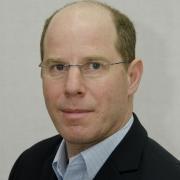
ד''ר מקסים סוקול


Micromechanical analysis of ceramic composite materials using the Parametric HFGMC

29 ביוני 2020, 14:00 - 15:00 
בניין וולפסון 206  
0

~~

SCHOOL OF MECHANICAL ENGINEERING SEMINAR
Monday, June 29, 2020 at 14:00 
Wolfson Building of Mechanical Engineering, Room 206
"ZOOM" SEMINAR
Micromechanical analysis of ceramic composite materials using the Parametric HFGMC
Meirav Grimberg
Advisor:  Prof. Rami Haj-Ali

The goal of this research is to develop a new micromechanical modeling framework for a wide range of ceramic composite materials (CMCs).  Towards this goal, the Parametric High Fidelity Generalized Method of Cells (PHFGMC), has been employed.  The method is based on a micromechanical analysis and used to predict the effective thermos-mechanical properties, including the mechanical response of the material subject to external loading.  
In the first part, the PHFGMC method was used to investigate the mechanical behavior of unidirectional (UD) IM7/977-3 carbon-epoxy composite material systems. A UD composite plate was made from this material, and SEM measurements were used to characterize the local microstructure of this composite.  Specialized image processing was developed to depict the local geometry attributes and material imperfections such as voids and fiber packing.  Idealized repeating-unit-cell (RUC) periodic PHFGMC models were generated, analyzed, and compared, such as square and hexagonal arrays. PHFGMC predictions for the equivalent homogenized thermos-mechanical properties, local stress distribution maps under different remote application of loading are presented. The PHFGMC simulations included damage initiation and propagation.
Next, combined 2D and 3D periodic PHFGMC nested models were generated for a more complex material system: Ceramic Matrix Composites (CMC). The first CMC system investigated was made from pyrolyzed 8-harness phenolic carbon-matrix composite followed by Liquid Silicon Infiltration (LSI) manufacturing process to introduce silicon carbide (SiC) matrix phase. The combined CMC contains at least five different phases makes the nested PHFGMC-RUC modeling process very challenging. A CT discretization methodology was proposed and analyzed. The prediction results have been compared to four-point -bending experiments. Next, the effective mechanical and thermomechanical properties prediction of UD and 5-harness CMC material systems was presented and compared to FE analysis and data available in the literature. The PHFGMC is shown to be well-suited for modeling the thermos-mechanical behavior of CMC composites. 

Join Zoom Meeting
https://zoom.us/j/96584758181?pwd=WC9PMXdsYzJ3NFdEN2Q5ZUtOZEVjdz09 The meeting will be recorded and made available on the School’s site.


~~

SCHOOL OF MECHANICAL ENGINEERING SEMINAR
Monday, June 29, 2020 at 14:00 
Wolfson Building of Mechanical Engineering, Room 206
"ZOOM" SEMINAR
Damage models for low-velocity impact and compression after impact analysis of multi-layered laminates

Shlomo Spitzer
MSc Student of Prof. Rami Haj-Ali

Composite materials and structures allow optimizing both material and structural mechanical properties for different needs. The heterogeneous nature of laminated composite materials presents a significant challenge, namely complex damage mechanisms and their accurate modeling. Low-velocity impact (LVI) introduces substantial non-visible damage in layered composite structures, such as delamination, matrix cracking, fiber breakage and fiber buckling.  Thus, there is a strong need to develop an LVI prediction analysis tool for laminate structures capable of both assessing the extend of LVI damage and evaluating the residual strength reduction and limit the serviceability of the structure. The reduction of compression after impact (CAI) strength is of high interest due to its elevated sensitivity to pre-existing damage triggered by LVI. Hence, it is essential to develop predictive mechanical damage models for both LVI and CAI.

 In this study, a through-thickness meso-mechanical sublaminate homogenization model is proposed for the impact analysis of multi-layered plates subjected to LVI followed by CAI. This sublaminate model performs through-thickness homogenization using the smallest repeated stacking sequence of the laminate. The sublaminate includes a thin interface layer with progressive damage degradation that represents the interlaminar delamination damage mode.  The sublaminate model also incorporated intra-ply damage and was compared to layer-by-layer modeling strategies. A framework for saving and transferring the accumulated damage parameters from the LVI to the following CAI analysis was developed and showcased. LVI and CAI analyses of composite plates are performed and compared with test results conducted in collaboration with the University of Michigan.  The proposed sublaminate shows a good overall prediction ability for LVI of multi-layered composite plates.


Join Zoom Meeting
https://zoom.us/j/96584758181?pwd=WC9PMXdsYzJ3NFdEN2Q5ZUtOZEVjdz09 The meeting will be recorded and made available on the School’s site.


מטרות המחלקה למדע והנדסה של חומרים באוניברסיטת תל אביב:

  1. להוביל את חזית המחקר בתחומים שונים של מדע והנדסה של חומרים ברמה בינלאומית גבוהה.
  2. להוות מוקד ידע בינתחומי באוניברסיטת תל-אביב ללימודים ולמחקר ופיתוח בתחומי מדע והנדסה של חומרים.
  3. לבנות תשתית ידע ושירותי יעוץ הנדסי או מו"פ בתחום החומרים עבור התעשייה הישראלית וארגונים ביטחוניים וממשלתיים בעלי עניין. ההתקשרות תעשה באמצעות חברת רמות, רשות המחקר של אוניברסיטת תל אביב, תכנית Industrial Affiliates Program של הפקולטה להנדסה, או יעוץ כעוסק מורשה, בהתאם לאופי הפעילות.
  4. להכשיר מהנדסים מהשורה הראשונה, שיובילו את פריצות הדרך הטכנולוגיות הבאות. בהיותה מחלקת החומרים היחידה במרכז הארץ, בסמיכות לחברות רלבנטיות רבות, מרכזי מחקר, גופים ביטחוניים וממשלתיים, המחלקה תמלא צורך לאומי אסטרטגי.


ההיסטוריה של המחלקה למדע והנדסה של חומרים

המחלקה למדע והנדסה של חומרים באוניברסיטת תל אביב הוקמה רשמית באוגוסט 2013, למרות שפעילות מסודרת בתחום זה החלה באוניברסיטה כבר בשנת 1994 עם הקמת מרכז וולפסון לחקר חומרים, המשמש כיום למעלה מ- 50 קבוצות מחקר בקמפוס.


באפריל 2002 הושקה תכנית "מדע והנדסת חומרים" לתואר שני, כיוזמה משותפת של הפקולטה להנדסה ובתי-הספר לכימיה ולפיזיקה אשר בפקולטה למדעים מדויקים. התכנית הפכה לגדולה מסוגה בישראל, וחתך הקבלה גדל באופן משמעותי במהלך השנים. ביולי 2009 הוחלפה התכנית לתואר שני בתכנית "חומרים וננו-טכנולוגיות" לתארים שני ושלישי, יחידה מסוגה בישראל, כמיזם משותף של ארבע פקולטות – הנדסה, מדעים מדויקים, מדעי החיים ורפואה – והמרכז לננו-מדעים וננו-טכנולוגיות.


בדצמבר 2009 אורגן ע"י אוניברסיטת תל אביב ונערך בה לראשונה הכינוס הישראלי להנדסת חומרים (IMEC-14). פרופ' נעם אליעז כיהן כיו"ר הכינוס. סדרת כנסי IMEC, אשר הושקה ב- 1981, היא החשובה לקהילת החומרים בישראל. ארגון הכנס באוניברסיטת תל אביב שיקף את הכרת קהילת החומרים בישראל בהתפתחות המהירה של התחום באוניברסיטת תל אביב. ואכן, היה זה הכינוס הגדול ביותר שנערך אי-פעם בישראל בתחום הנדסת חומרים.


ביולי 2013 הוכן מתווה לשיתוף פעולה בין המחלקה למדע והנדסה של חומרים באוניברסיטת תל אביב לבין מקבילתה באוניברסיטת נורת'ווסטרן (אוונסטון, אילינוי), המדורגת שניה בארה"ב. במסגרת שיתוף פעולה זה, נערכה באוניברסיטת תל אביב בפברואר 2015 הסדנא המשותפת הראשונה של אוניברסיטת תל אביב ואוניברסיטת נורת'ווסטרן בנושא מוליכים למחצה, חומרים אלקטרוניים, שכבות דקות וחומרים פוטוניים. הסדנא המשותפת השניה נערכה בספטמבר 2016 בארה"ב.


באוגוסט 2013 הוקמה כאמור רשמית המחלקה למדע והנדסה של חומרים. פרופ' נעם אליעז ופרופ' אילן גולדפרב עברו מביה"ס להנדסה מכאנית, פרופ' שחר ריכטר עבר מביה"ס לכימיה. ד"ר אוסבלדו דיאגז גויס למחלקה באוקטובר 2013, פרופ' אריאל ישמח באוקטובר 2014, פרופ' בריאן רוזן בינואר 2015, ופרופ' עמית כהן באוקטובר 2015. ד"ר נעה לכמן הצטרפה באוקטובר 2016, ד"ר סימיון גורפמן באוקטובר 2017 וד"ר מקסים סוקול באוקטובר 2020. בכוונתנו להמשיך לגייס לשורותינו חברי סגל מעולים בשנים הקרובות.


מזכירות המחלקה למדע והנדסה של חומרים (חדר 119 - מזכירת המחלקה, חדר 115 - מזכירת סטודנטים) ומשרדי חברי סגל הליבה ממוקמים בקומת הקרקע בבניין וולפסון להנדסה מכאנית, בניין בעל עיצוב ייחודי שתוכנן ע"י האדריכל המפורסם לואיס קאהן. מעבדת הוראת חומרים ממוקמת בבניין זה (חדר 266). מעבדות המחקר של חברי סגל הליבה ממוקמות אף הן בבניין זה או במרכז לננו-מדעים וננו-טכנולוגיות.


בינואר 2014 אישרה המועצה להשכלה גבוהה את תכנית התואר הראשון במדע והנדסה של חומרים ובכימיה. במקביל, אושרה הפעלת תכנית תואר שני במדע והנדסה של חומרים ע"י המחלקה. באפריל 2016 אישרה המועצה להשכלה גבוהה את תכנית התואר הראשון החד-חוגי במדע והנדסה של חומרים.

​Micro Scale Angular Rate Sensors

Zoom Seminar 

Ronen Maimon
Ph.D. student of Prof. Slava Krylov


15 ביולי 2020, 14:00 
zoom  
​Micro Scale Angular Rate Sensors

"Zoom Seminar" 
Wednesday, July 15, 2020 at 14.00
Join Zoom Meeting
https://zoom.us/j/4962025174 
The meeting will be recorded and made available on the School’s site.


Micro-gyroscopes based on microelectromechanical systems (MEMS) technology became an indispensable component of many engineering systems starting from computer games and mobile phones and up to autonomous cars, drones and wearable medical devices. In the past 20 years, the use of micro-gyroscopes gradually become more widespread also in the field of navigation, guidance and control. In this arena, tactical and inertial grade gyroscopes are often required to operate in harsh environments while preserving their key sensing characteristics. This is very challenging task, which continues to stimulate an extensive research in both academia and industry.  In the present work, several architectures of inertial micro sensors were introduced and explored. The goal was to investigate a possibility to improve the robustness of the devices to the environmental factors using the suggested designs.
In the talk, the key aspects of the modeling, design, fabrication, integration and characterization of a novel, tactical-grade, single axis tuning fork gyroscope will be presented and discussed. The device is distinguished by a combination of two detection techniques – capacitive and optical – in the same fully functional, robust, single crystal Si, vacuum packaged device with integrated electronics. The goal of the research, mainly focused on the design and modeling of the mechanical core of the device, was to investigate the feasibility of the suggested architecture and sensing approach and their potential for a possible performance/robustness enhancement.​To measure the sensor's main figures of merit an extensive rate-table performance study was carried out. The adopted approach allowed the achievement of tactical grade performance of the sensor and excellent values of bias instability (BI) parameter lower than 0.7/h. The device also demonstrated low thermal sensitivity with the scale-factor deviation of less than 0.01% for the of 100 C temperature range. The carefully designed dynamically balanced architecture resulted in highly improved Q-factor of 140000​One of the approaches allowing improved performance of micro gyros is to exploit more efficient actuation. In the framework of the research, a new approach allowing excitation of large amplitude vibrations through the parametric resonance (PR) mechanism was introduced and investigated.The main distinguished feature of the suggested approach is that the PR is excited though the inertia (rather than commonly used stiffness) modulation. We demonstrate, using the model, that modulation of 12% in the moment of inertia can be achieved in a multi-DoF tilting device. Our model results indicate that the PR-based driving of the two DoF structure allows to maintain the almost constant resonant amplitude within the frequency range of more than 200 Hz. Devices of several configurations were designed, fabricated from the silicon on insulator (SOI) substrates and characterized. The suggested inertia modulation paradigm can be implemented in various inertial sensors including micro gyros as well as frequency sensors based on a mechanical heterodyning principle.​


פרויקט שחרור פיקו לוויין במסגרת פרויקטי גמר

08 יוני 2020
פרויקט שחרור פיקו לוויין במסגרת פרויקטי גמר

אי שם מעל האטמוספירה מרחפים להם לוויינים במהירות אדירה של עשרות אלפי קילומטר לשעה ומביטים בנו, מאפשרים לנו לתקשר זה עם זה, לנווט בדרכים, לנתח שינויי מזג האוויר, להעביר שידורי טלוויזיה ועוד.


כיום חברות ממשלתיות ופרטיות רבות עוסקות במזעור של לוויינים על מנת לצמצם עלויות שיגור. מזעור הלווינים הנשלחים לחלל מגדילה את היכולת לבצע רישות לוויני נרחב בעלות נמוכה. מעבר לכך המזעור יכול לסייע לגופים פרטיים בפן המחקרי והחינוכי ולבצע שיגורי לווינים לימודיים.


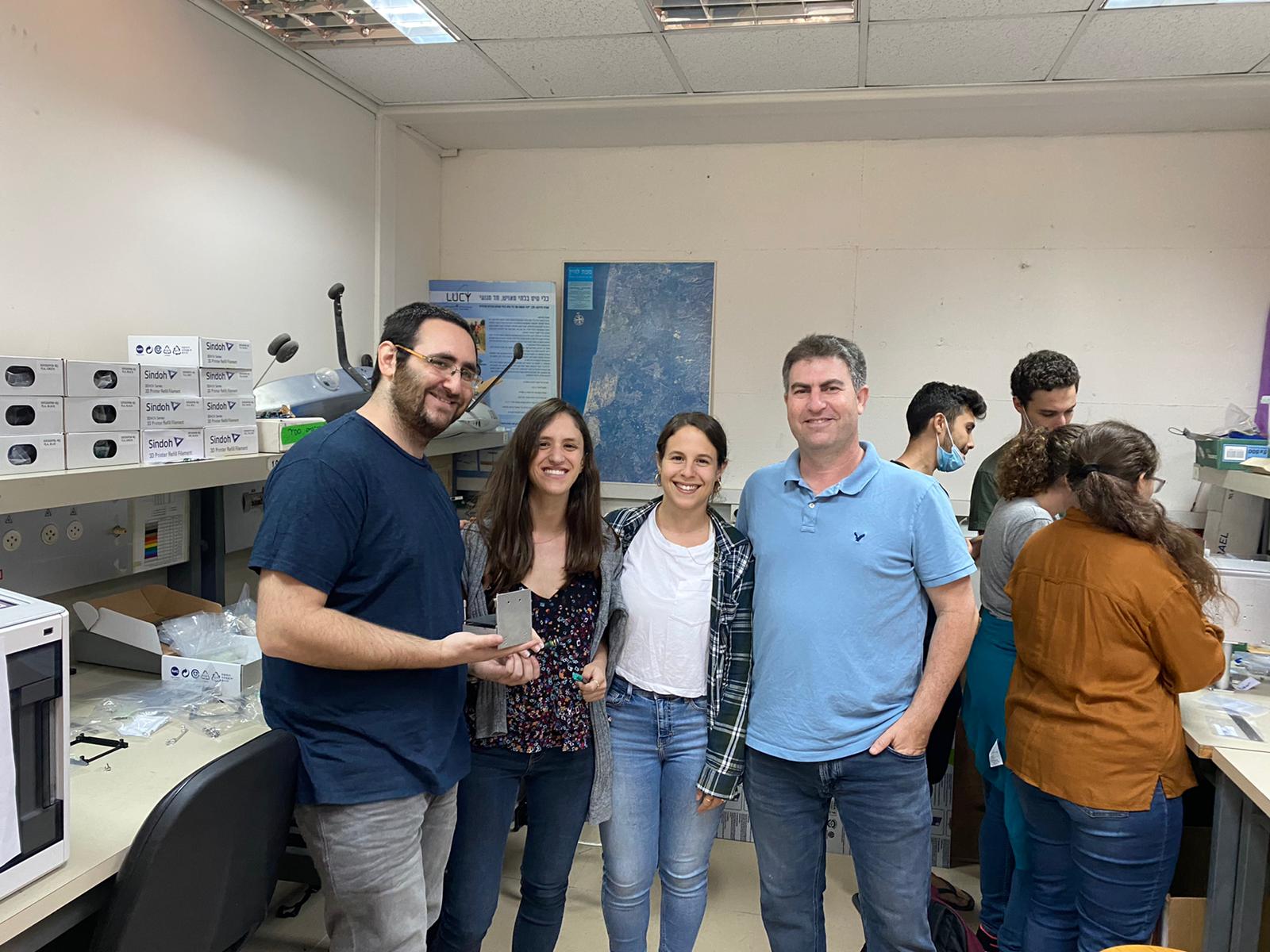
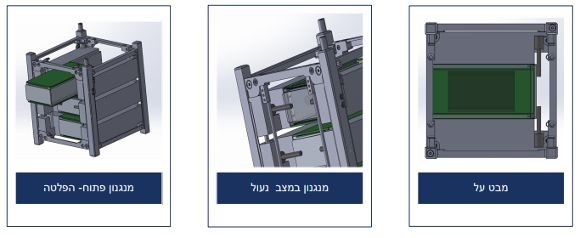
במסגרת פרויקטי הגמר לתואר ראשון בלימודי הנדסה מכנית הסטודנטים אלעד קליין, בר שיטרית, ליעד אנוקוב בחרו לבנות פיקו לוויין. מטרת הפרויקט היא תיכון ובניית מנגנון בעל מימדים מוגדרים לפיזור פיקו לוויינים מתוך זביל  אשר מסוגל להיות ניתן לשליטה מהקרקע. "בתור מהנדסי מכונות אנחנו מתעניינים רבות בעולם החלל והלוויינות, מתוך סקרנות נמשכנו לבחור את הפרוייקט הזה שעוסק בטכנולוגיה חדשה של פיקו לוויינים זעירים. כחלק מהתואר פחות נחשפנו לעולם החלל ולכן ניצלנו את ההזדמנות להעמיק את הידע בעזרת הפרוייקט" מספרת בר שיטרית.

בתמונה מימין לשמאל: דני ברקו, ליעד אנוקוב, בר שיטרית ואלעד קליין 


מהו פיקו לוויין?

פיקו לוויין הינו לוויין קטן מימדים (ממוזער) וקל משקל אשר היתרון הבולט בשימוש בו הוא היכולת לשגר בו בעת מספר רב של לוויינים ובכך להוזיל עלויות שיגור. השימוש בפיקו לוויינים הוא לרוב לצרכי תקשורת, איסוף מידע, ומחקר זה הוא תחום בתנופה. תחום הננו לווינים, אבן דרך משמעותית בתהליכי המזעור ואף הנפוצה ביותר, הינו תחום מבוסס מאוד. בעולם קיים שוק רחב של לוויינות. קיימים שירותים רבים המוצעים על ידי חברות פרטיות החל ממכירת רכיבי מדף להרכבה עצמית ועד שיגורי לוויינים ממוזערים לחלל.


פרופ' סיון טולדו מהפקולטה למדעים מדוייקים אוניברסיטת תל אביב מפתח פיקו לווייינים העשויים ממספר רכיבים מינימלי. גודל הפיקו לווין הוא כקופסה קטנה המכילה 2 כרטיסים אלקטרוניים. "אנחנו בבית הספר להנדסה מכנית בפקולטה להנדסה תכננו וייצרנו מבנה ייעודי ממנו פיקו לווינים אלו ישוגרו ולאחר מכן יפלטו לחלל לאחר שחרור מהמשגר. בצורה זו, ניתן לצמצם אף יותר את עלויות השיגור ולאפשר כיסוי לווייני רחב יותר" מסביר דני ברקו, רכז הפרויקטים להנדסה מכנית. "כיוון שמערכות המכילות בתוכן מספר פיקו לווינים אינן נפוצות, בצענו תכן והדמיה של אופן שחרור פיקו הלוויינים. לכן אנו מתכננים לבצע ניסויים למנגנון ההפלטה של הפיקו הלוויינים מתוך מבנה ייעודי אותו תכננו וייצרנו". אומר דני.

צוות ליווי

  • מנחה: רוני שפיר
  • מנהל הפרויקט: דני ברקו
  • לקוח: פרופ' סיון טודלו - הפקולטה למדעים מדוייקים אוניברסיטת תל אביב
  • יועץ:  אלעד שגיא - מהנדס מערכת ננו לווין אוניברסיטת תל אביב

ידיעות נוספות בנושא

EE ZOOM Seminar: Hybrid Cache with Gain-Cell embedded-DRAM

08 ביוני 2020, 15:00 
ZOOM  

השתתפות בסמינר תיתן קרדיט שמיעה = עפ"י רישום שם מלא + מספר ת.ז.  בצ'אט

Join Zoom Meeting

https://us04web.zoom.us/j/2737782417?pwd=a0w3QjEvMWtaQlhMeFhxa1l0bkxPdz09

Meeting ID: 273 778 2417

Password: 4VdSzP

Speaker: Junyi Zhou

M.Sc. student under the supervision of Prof. Shlomo Weiss


Monday, June 8th, 2020 at 15:00


Hybrid Cache with Gain-Cell embedded-DRAM

Abstract

In typical embedded CPU, the on-chip storage is critical to meet high performance requirements and is desired to be large. However, the fast increasing size of the on-chip storage based on traditional SRAM cells, such as first level data (L1D) cache and register file (RF), makes the area cost and energy consumption unsustainable for future embedded applications.

In this paper, we propose to use the Gain-Cell embedded-DRAM (GC-eDRAM) as an alternative for the on-chip first level data (L1D) cache.  In general, compared to SRAM conventional memory cells, GC-eDRAM (e.g. 2T1C) enables higher density and lower leakage power, but suffers from long data access latency and limited Data Retention Time (DRT). Periodic refresh operation is a viable approach to maintain data integrity but aggravates the performance and energy consumption with the scaling of eDRAM cells into low-power deep sub-micron technology nodes.

However, recent advancements in Gain-Cell embedded-DRAM technology enables fast data access and long DRT. In detail, we propose to replace the data array of the L1D cache with Gain-Cell eDRAM while keeping the conventional usage of SRAM in the tag array which takes up very small portion area-wise of the cache comparably.

The evaluation on our proposed hybrid L1D cache demonstrates that, comparing to the conventional SRAM-based designs, our novel architecture exhibits comparable performance with less energy consumption and smaller silicon area, enabling the sustainable on-chip storage scaling for future embedded CPUs.


EE ZOOM Seminar: Sub-Rate Linear Network Coding

10 ביוני 2020, 15:00 
ZOOM  

השתתפות בסמינר תיתן קרדיט שמיעה = עפ"י רישום שם מלא + מספר ת.ז.  בצ'אט

Join Zoom Meeting


https://zoom.us/j/95354623108?pwd=Z05PcWtBOEtST0h1RDNSeXd2a3Jtdz09

Meeting ID: 953 5462 3108

Password: 285087


Speaker: Ben Grinboim

M.Sc. student under the supervision of Dr. Ofer Amrani


Wednesday, June 10th, 2020 at 15:00


Sub-Rate Linear Network Coding

Abstract

Increasing Network Capacity is the holy grail of communication. Network Coding in general, and Linear Network Coding (LNC) in particular, is a scheme enabling to do so in the framework of a communication network applying a communication scheme that is more complex than point-to-point communication between a single source and a single sink, i.e. multicast or broadcast of messages. Traditionally, a network’s sink was assumed to be able to decode the source’s messages only if the max-flow between it and the information’s source was higher than the rate in which this source generates messages.

In this seminar, the concept of Sub-Rate Coding and Decoding in the framework of LNC is introduced for single-source multiple-sinks finite acyclic networks. This methodology offers a modification to an existing LNC, so that the source transmits its messages in a manner in which a given set of sinks (termed Sub-Rate Sinks), whose max-flows are smaller than the source's message-rate, can still decode a portion of the transmitted messages, without degrading the maximum achievable rate of LNC Sinks whose max-flow is equal (or greater) than the source’s rate.

The seminar will set the conditions which a set of Sub-Rate Sinks has to satisfy in order for it to be Fully Sub-Rate Decodable, meaning that each Sub-Rate Sink in this set can decode with a rate equal to its full max-flow, without degrading the communication to the regular (non-Sub-Rate) sinks.

For other cases, a scheme called Partial Sub-Rate Coding will be suggested, in which a set of Sub-Rate Sinks are able to decode messages in a rate generally lower than their max-flows.


עולם התחבורה החכמה לפני ואחרי הקורונה.

ההרצאה בזום ללא תשלום נדרש רישום.

03 ביוני 2020, 10:30 
zoom  
עולם התחבורה החכמה לפני ואחרי הקורונה.

הרצאה: עולם התחבורה החכמה לפני ואחרי הקורונה.

תאריך 3/6 בשעה 10:30 

ההרצאה בזום ללא תשלום נדרש רישום

טופס הרשמה: https://bit.ly/3cg4Gfg


Mse "Zoom" Seminar

Prof. Yonatan Dubi


"Nano-Plasmonic photo-catalysis: a hot debate on “hot” electrons"


02 ביוני 2020, 15:00 - 16:00 


Join Zoom Meeting
https://zoom.us/j/96140109164?pwd=UEFQSWxkV3RUdjBVU3Z0Y1kzWlR1dz09

Meeting ID: 961 4010 9164
Password: 578018


What happens to electrons in a metal when they are illuminated? This fundamental problem is a driving force in shaping modern physics since the discovery of the photo-electric effect. In recent years, this problem resurfaced from a new angle, owing to developments in the field of nano-plasmonics, where metallic nanostructures give rise to resonantly enhanced local electromagnetic fields (surface plasmons). Presumably, these plasmons can transfer their energy to the electrons in the metal very efficiently, creating “hot electrons”, i.e.  energetic electrons out of equilibrium. In a series of high-impact papers, such energetic electrons have been experimentally demonstrated to be useful in a variety of ways, most recently in catalysis of chemical reactions.


Or have they?


In this talk we argue that what appears to be hot-electron-mediated photo-catalysis is really a simple heating effect. We present a theory for plasmonic hot-electron generation, which takes into account non-equilibrium as well as thermal effects, thus going well beyond the limit of existing theories. Calculating the efficiency of hot-electron generation, we find that it is extremely small, and most power goes into heating. We use this theory to re-interpret data from central experiments claiming hot-electron generation, and show that the data fits remarkably well (and with minimal number of fit parameters) a simple theory of heating. Invoking Occam’s razor, this implies that these highly-cited papers were wrong in their interpretation of the data. We underline a series of (sometimes horrific) experimental errors that are responsible for this misinterpretation, and suggest control experiments to further test our conclusions.


[1] Y. Sivan, J. Baraban, I. W. Un & Y. Dubi, Comment on "Quantifying hit carrier and thermal contributions in plasmonic photocatalysis", Science  364, eaaw9367 (2019).

[2] Y. Dubi & Y. Sivan, "Hot" electrons in metallic nanostructures - no -thermal carriers or heating?  Nature Light: Science & Applications 8,  89 (2019)

[3] Y. Sivan, I. W. Un & Y. Dubi, Thermal effects - an alternative mechanism for plasmonic-assisted photo-catalysis, Chem. Sci., 2020, 11, 5017-5027

[4] Y. Sivan, J. Baraban & Y. Dubi, Eppur si riscalda -- and yet, it (just) heats up: Further Comments on "Quantifying hot carrier and thermal contributions in plasmonic photocatalysis", OSA Continuum 3, pp. 483-497 (2020).

[5] Y. Dubi & Y. Sivan, Assistance of metal nanoparticles to photo-catalysis - nothing more than a classical heat source, Faraday Discussions 2019, 10.1039/C8FD00147B.



עמודים

אוניברסיטת תל אביב עושה כל מאמץ לכבד זכויות יוצרים. אם בבעלותך זכויות יוצרים בתכנים שנמצאים פה ו/או השימוש שנעשה בתכנים אלה לדעתך מפר זכויות
שנעשה בתכנים אלה לדעתך מפר זכויות נא לפנות בהקדם לכתובת שכאן >>